Florida Small Plane Accident Lawyer
A small plane crash can injure passengers, pilots, homeowners, motorists, pedestrians, workers, and other people on the ground. A Florida small plane accident lawyer investigates the cause, identifies legally responsible parties, preserves technical evidence, evaluates aviation insurance, and documents the full physical, emotional, property, and financial harm caused by the accident.
Small and private aircraft claims may involve federal aviation rules, an NTSB investigation, technical aircraft systems, pilot qualifications, maintenance records, product defects, several insurance policies, and defendants in different states. The government safety investigation does not replace the civil investigation required to prove negligence and damages.
A Florida private plane crash lawyer may also be described as a general aviation accident lawyer when a case involves privately operated, instructional, recreational, business, or on-demand aircraft. Armando Personal Injury Law represents injured people and families in serious Florida personal injury claims.
This guide addresses traditional small and private airplanes. Claims involving eVTOL aircraft, powered-lift systems, flying cars, or vertiports are discussed in the firm's air taxi accident guide.
Free Case Review
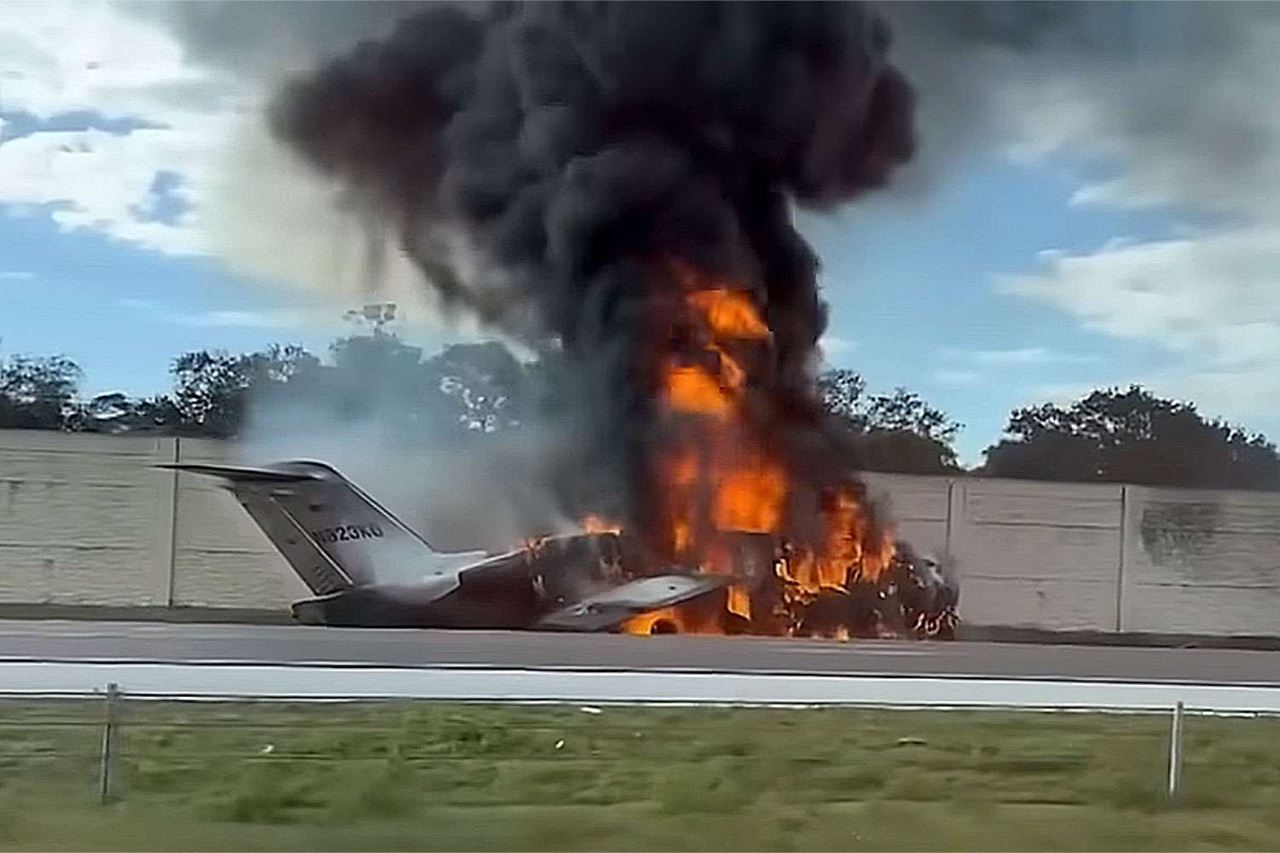
A small aircraft fire like this can put occupants and nearby ground crews or bystanders at risk of severe burns and smoke inhalation. When negligent maintenance, fuel handling, or pilot error causes a crash and fire, injured victims and families may have grounds for a civil claim separate from any NTSB investigation.
What Is a Small or Private Plane Accident?
A small or private plane accident generally involves a general aviation aircraft rather than a scheduled commercial airliner. It may involve a privately owned airplane, rented aircraft, flight-school plane, business aircraft, recreational flight, sightseeing operation, or small on-demand charter.
Aircraft commonly associated with these claims include single-engine piston airplanes, light twin-engine aircraft, turboprops, privately operated business aircraft, flight-school airplanes, rented or shared planes, experimental or amateur-built aircraft, and small charter or sightseeing airplanes.
The term "private plane" describes ownership or operation. It does not mean the flight was informal, unregulated, or uninsured. The operating rules, business relationships, aircraft use, and available insurance must be investigated rather than assumed.
Was the Flight Operated Under Part 91 or Part 135?
Part 91 generally governs private and general aviation operations, while Part 135 commonly governs commuter and on-demand commercial operations. The distinction can affect pilot qualifications, maintenance duties, operational control, company records, insurance, and which businesses may be legally responsible.
The FAA identifies Part 91 as a general operating framework for private aircraft, while Part 135 certification applies to many on-demand operators. A flight that looks private may still require analysis of compensation, advertising, operational control, and business use.
Who May Bring a Claim After a Small Plane Crash?
Injured passengers, people on the ground, and qualifying surviving family members may bring claims after a small plane crash. The right to recover depends on negligence, causation, applicable law, insurance, and the relationship between the aircraft, operator, pilot, maintenance providers, and injured person.
Injured Passengers
An injured passenger may pursue every person or company whose negligence contributed to the crash or worsened the injuries. Potential defendants may include the pilot, aircraft owner, operator, flight school, charter business, maintenance provider, fuel provider, or manufacturer.
A passenger investigation may address who arranged and controlled the flight, whether the pilot was properly qualified, whether the aircraft was airworthy, what inspections were required, what insurance applies, and whether an agreement or waiver was signed. A waiver does not automatically defeat a claim.
People Injured on the Ground
A person injured on the ground may pursue a claim without any connection to the aircraft or flight. Homeowners, tenants, drivers, vehicle passengers, pedestrians, bicyclists, workers, customers, and other bystanders may be harmed by the aircraft, debris, fire, smoke, fuel, or collapsing structures.
The civil investigation must account for everyone harmed, not only people listed on the flight manifest. Ground victims may also have claims for damaged homes, vehicles, personal property, temporary housing, cleanup, lost business income, and psychological injuries supported by medical evidence.
Families Who Lost Someone
The personal representative of a deceased person's estate may bring a Florida wrongful death action for qualifying survivors and the estate. The person who died may have been a passenger, pilot, resident, motorist, pedestrian, worker, or another person on the ground.
Florida's Wrongful Death Act creates the right of action, while Florida Statutes section 768.21 addresses potential survivor and estate damages.
"I cannot express the gratitude that I have for Armando and the staff at the office. This was a very long journey and they have been there for me every step of the way. I appreciate that they put my health above everything and always made sure I was OK."— Terri K. Actual client. Results may vary; each case is different.
"Armando came to my house to make sure I was comfortable and available throughout the whole process. My case was resolved without a lawsuit and I couldn't be more pleased with the outcome."— Monica R. Actual client. Results may vary; each case is different.
"I was involved in a crash and Armando and his crew worked tirelessly to make sure that everything worked seamlessly. Highly recommend them for any accident or injury needs."— Serena L. Actual client. Results may vary; each case is different.
What Does the NTSB Determine After a Small Plane Accident?
The National Transportation Safety Board investigates the facts and circumstances of an aviation accident, determines probable cause, and may issue safety recommendations. The NTSB does not decide which person or company was legally negligent, civilly liable, responsible for insurance payments, or required to compensate injured people.
Does the NTSB Decide Who Was Negligent?
No. The NTSB may determine why an accident occurred, but it does not determine civil negligence or legal liability. Identifying the person or company that can be held financially responsible requires a separate legal investigation applying duty, breach, causation, damages, insurance, jurisdiction, and evidentiary rules.
Federal regulation 49 CFR section 831.4 states that NTSB investigations are fact-finding proceedings and are not conducted to determine legal rights, liabilities, or blame. Probable cause and negligence are related but different questions.
Who May Participate in the NTSB Party System?
The NTSB may grant party status to organizations that can provide technical expertise, such as an aircraft manufacturer, engine manufacturer, operator, union, or government agency. Lawyers representing claimants or insurers are not permitted to serve as party representatives in the investigation.
The NTSB party-system rules limit participation to needed technical or specialized expertise. This structure is another reason injured people and families need an independent legal investigation focused on their rights, evidence, and damages.
What Reports and Records Can the NTSB Produce?
An NTSB investigation may produce a preliminary report, factual records, a public docket, safety recommendations, and a final report containing findings and probable cause. The NTSB's general aviation guidance explains that investigations often require 12 to 24 months. The aviation accident database may provide reports, docket materials, photographs, technical records, and other factual information.
Why Is a Separate Civil Investigation Necessary?
A separate civil investigation is necessary because the NTSB does not determine negligence, calculate damages, identify every insurance policy, represent injured people, or file claims before legal deadlines. The civil case must connect technical evidence to a specific legal duty, violation, injury, and responsible defendant.
The investigation traces the event to the technical cause, responsible entity, insurance coverage, and damages. It should begin before the final NTSB report because wreckage, video, electronic data, maintenance records, witness memories, insurance rights, and legal deadlines require earlier attention.
Federal law also restricts the use of certain NTSB reports in civil damages actions. 49 U.S.C. section 1154 makes independent preservation of underlying records, physical evidence, expert analysis, and testimony especially important.
ACS Forensic Lawyer-Scientist
Attorney Armando Edmiston is one of only six lawyers in Florida to hold the ACS Forensic Lawyer-Scientist designation — a science-based approach to evidence in complex injury and wrongful death cases.
"Armando was persistent from the moment I talked to him after my son and I were in an awful accident. Armando made all my fears start to melt away; he displayed genuine empathy and his professionalism was comforting at a time of such uncertainty. I could tell Armando genuinely cared and knew exactly what to do."— Rae R. Actual client. Results may vary; each case is different.
"Armando and his team go above and beyond; not just for clients, but for friends and family as well. He's genuine, relentless, and truly cares about helping people get the justice and peace of mind they deserve."— Eric A. Actual client. Results may vary; each case is different.
Attorney Insight
Engine failure does not identify the defendant
An engine-power loss may lead investigators toward fuel delivery, maintenance, inspection, component design, installation, owner oversight, or pilot response. "Engine failure" describes the event. The civil investigation must determine which act, omission, or defect caused it and which party was responsible.
Small Plane Liability Chain
Aircraft Event → Technical Cause → Responsible Person or Company → Insurance Coverage → Injuries and Damages
Who May Be Liable for a Florida Small Plane Crash?
Liability may extend to the pilot, aircraft owner, operator, flight school, instructor, charter company, maintenance provider, repair station, manufacturer, fuel provider, airport operator, employer, or government entity. The registered owner, actual operator, pilot in command, and business controlling the flight may be different parties.
Pilot, Owner, and Operator Liability
A pilot may be liable for negligent planning, weather decisions, aircraft handling, fuel management, or emergency response. An owner or operator may be liable for unsafe maintenance, negligent entrustment, deficient policies, or allowing an unqualified person to fly. The investigation should determine who exercised operational control, who could initiate or cancel the flight, and who maintained the aircraft.
Flight School and Charter Liability
A flight school, instructor, or charter company may be responsible when inadequate training, negligent supervision, unsafe dispatch, deficient maintenance, or commercial pressure contributes to the accident. Relevant evidence may include training records, operating specifications, manuals, pilot schedules, and records showing whether the flight was legally conducted under the claimed operating authority.
Maintenance, Inspection, and Fueling Liability
Mechanics, repair stations, inspection providers, and fueling companies may be liable when deficient work, missed defects, improper installation, inaccurate records, contaminated fuel, misfueling, or failure to follow required procedures contributes to the crash. Important evidence may include aircraft, engine, and propeller logbooks; inspection records; work orders; component histories; fuel receipts; and fuel samples.
Manufacturer, Airport, and Government Liability
Manufacturers may be liable for defective aircraft or components. Airports, fixed-base operators, and government entities may be responsible for unsafe fueling, ground handling, runway conditions, warnings, air traffic services, or airport property. Specialized federal defenses, statutes of repose, and notice procedures may apply. Defective aircraft and component claims should be coordinated with the firm's product liability guidance. Claims against a Florida governmental entity may require compliance with Florida Statutes section 768.28.
What Causes Small and Private Plane Accidents?
Small plane accidents may result from pilot decisions, inadequate training, mechanical failure, negligent maintenance, fuel problems, defective components, unsafe weather decisions, improper loading, airport hazards, or several combined failures. The investigation should test each reasonable theory rather than assume pilot error.
Pilot, Training, and Weather Failures
Pilot-related causes can include inadequate planning, insufficient qualifications, fatigue, distraction, spatial disorientation, poor emergency response, unsafe takeoff or landing decisions, or continuing into dangerous weather. Flight-school failures can include deficient instruction, supervision, or solo authorization.
Weather does not automatically excuse negligence. Investigators should determine whether the flight should have departed, continued, diverted, or landed based on thunderstorms, visibility, ceilings, crosswinds, turbulence, wind shear, forecasts, and the pilot's training and experience.
Mechanical, Maintenance, and Fuel Failures
Mechanical and fuel-related crashes can involve engine-power loss, control-system failure, electrical malfunction, avionics problems, negligent repair, missed inspections, fuel exhaustion, fuel starvation, contamination, leaks, incorrect tank selection, or misfueling.
Fuel exhaustion means usable fuel is depleted. Fuel starvation means fuel exists but does not reach the engine properly. Those events may involve different responsible parties, including the pilot, owner, mechanic, manufacturer, airport service provider, or fixed-base operator.
Loading, Component, and Airport Failures
Improper weight and balance, defective aircraft components, runway hazards, lighting problems, wildlife, ground damage, or unsafe airport services can also cause or worsen a crash. Each theory requires aircraft-specific records, physical evidence, and qualified technical analysis.
Potentially defective systems include engines, propellers, fuel systems, flight controls, avionics, instruments, electrical systems, structures, seats, restraints, and warnings. Product claims require careful analysis of component age, replacement history, federal law, and available exceptions.
What Evidence Is Important in a Small Plane Accident Claim?
Important evidence includes aircraft wreckage, FAA records, maintenance logs, pilot files, avionics, engine-monitor data, weather information, air traffic communications, photographs, video, witness accounts, medical records, property documentation, and proof of lost income and future needs.
Aircraft, FAA, and Airworthiness Records
Aircraft and FAA records may establish ownership, registration, airworthiness, maintenance history, component age, inspection compliance, and known unsafe conditions. Relevant sources include the FAA Aircraft Registry, aircraft and engine logbooks, Form 337 records, Supplemental Type Certificates, repair-station records, service bulletins, and FAA Airworthiness Directives. Airworthiness Directives are legally enforceable rules intended to correct unsafe conditions.
Flight, Electronic, and Witness Evidence
Flight and electronic evidence may show the aircraft's route, altitude, speed, engine performance, communications, weather exposure, and movements before impact. Many small aircraft lack commercial-airliner recorders, making alternative data sources especially important. Potential sources include GPS units, onboard avionics, engine monitors, tablets, phones, ADS-B data, radar, flight-tracking services, air traffic communications, weather briefings, airport surveillance, home-security recordings, dashboard cameras, and eyewitness accounts.
Ground, Medical, and Damages Evidence
Ground evidence documents where the aircraft traveled, what it struck, how debris or fire spread, and how each person was injured. Medical and financial evidence connects the crash to treatment, disability, psychological harm, lost income, property loss, and future needs. Evidence may include debris mapping, burn patterns, damaged vehicles, structural engineering reports, fire department records, emergency calls, diagnostic imaging, surgical records, rehabilitation records, psychological care, disability evaluations, wage records, life-care plans, and funeral or estate documents.
Evidence Preservation Checklist
- ✓Photographs and video of the scene
- ✓Doorbell and dash-camera recordings
- ✓Witness names and contact information
- ✓Damaged property and clothing
- ✓Medical records and receipts
- ✓Insurance communications
- ✓Aircraft registration information
- ✓Flight documents and records
- ✓Documentation of impact on work, housing, and daily life
"I cannot express the gratitude that I have for Armando and the staff at the office. This was a very long journey and they have been there for me every step of the way. I appreciate that they put my health above everything and always made sure I was OK."— Terri K. Actual client. Results may vary; each case is different.
"Armando and his staff are incredible. Very professional and attentive. Any time I had questions or concerns about my case they were happy to answer and give me peace of mind. If I ever have a need for an attorney in the future I will always use and recommend Armando."— Matt C. Actual client. Results may vary; each case is different.
"Highly recommend this law firm — professional and precise. They took on my case and made everything as easy as possible, always answered my calls and questions. Armando and his staff went above and beyond for my case."— Troy W. Actual client. Results may vary; each case is different.
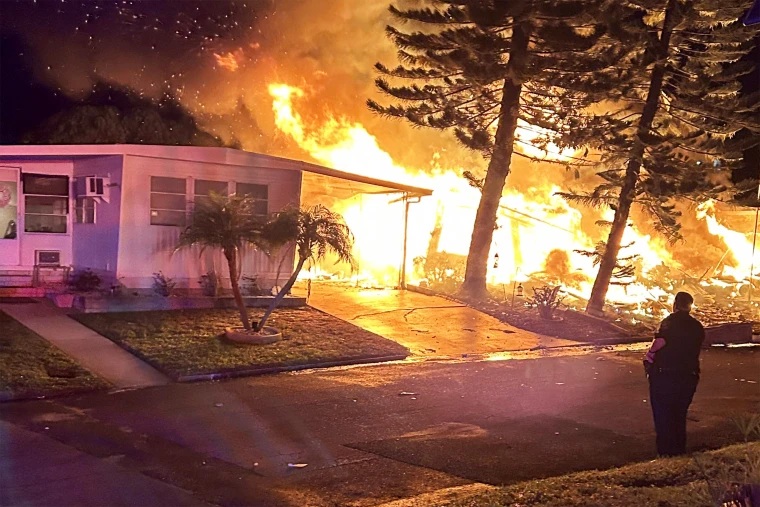
A small plane crash into a residential community can destroy homes and endanger residents who had no connection to the flight. Homeowners and families harmed this way may pursue claims for property damage, bodily injury, and wrongful death against the pilot, owner, or other responsible parties.
Can People on the Ground Sue After a Small Plane Crash?
Yes. People injured in homes, vehicles, businesses, roads, sidewalks, parks, workplaces, or other ground locations may seek compensation when a small plane crash causes injury. They do not need to have been passengers, and they may have separate bodily injury, psychological, property, and insurance claims.
People Injured in Homes or Buildings
Residents, tenants, guests, customers, and employees can have claims when an aircraft strikes a house, apartment, business, warehouse, or other structure. Injuries may result from direct impact, structural collapse, broken glass, debris, fire, smoke, aviation fuel, burns, electrical hazards, or falls during escape.
A property insurer may pay certain repair or displacement costs, but its involvement does not eliminate claims against aviation defendants. Bodily injury and property claims should be evaluated together before a broad release or final payment is accepted.
Motorists, Pedestrians, Bicyclists, and Workers
Drivers, vehicle passengers, pedestrians, bicyclists, and workers can bring claims when an aircraft strikes a roadway, forces evasive action, scatters debris, causes a secondary collision, creates smoke-related visibility problems, or crashes into a worksite or business.
A worker may have both a workers' compensation claim and a third-party liability claim, depending on the employer's role and the aviation defendants. Motorists may require review of aviation, automobile, commercial, umbrella, and other policies.
Property Damage and Psychological Harm
Ground victims may recover property losses separately from bodily injury damages. They may also pursue psychological harm when supported by the circumstances, exposure to danger, physical injury, diagnosis, treatment, and applicable Florida law.
Property losses may include home repair or replacement, vehicle damage, destroyed belongings, temporary housing, relocation, cleanup, environmental remediation, lost business property, business interruption, and other necessary expenses. Psychological symptoms should be documented by an appropriate medical professional.
You do not have to be aboard the airplane to have a claim
If an aircraft, debris, fire, fuel, smoke, or structural collapse injured you or damaged your home or vehicle, discuss the full impact before signing an insurance release. Request a free case review with Armando Personal Injury Law.
How Does Aviation Insurance Affect a Small Plane Claim?
Aviation insurance may cover passenger injuries, third-party bodily injuries, ground damage, aircraft liability, and property loss, but coverage varies widely. A serious crash may involve separate owner, operator, charter, commercial, automobile, homeowner, umbrella, and excess policies.
What Policy Terms Require Careful Review?
Important aviation policy terms may include passenger sublimits, per-person and per-occurrence limits, named-pilot provisions, open-pilot warranties, approved uses, commercial-use exclusions, geographic limits, aircraft requirements, and duties after a loss. A coverage violation may trigger a reservation-of-rights dispute. The insurer's initial position should not be accepted without reviewing the policy, endorsements, aircraft use, pilot qualifications, ownership structure, and all potentially applicable coverage.
Can Several Policies Apply to One Crash?
Yes. Several policies may apply when the pilot, owner, operator, flight school, charter company, employer, maintenance provider, fuel provider, manufacturer, vehicle owner, homeowner, or business has separate coverage. Priority and contribution disputes may arise between insurers. The civil investigation should identify every insured entity, policy period, limit, exclusion, additional insured, contractual indemnity obligation, and excess layer.
How Does GARA Affect Defective Aircraft Claims?
The General Aviation Revitalization Act may bar certain product claims against manufacturers when a general aviation aircraft or component is more than 18 years old. The law contains important exceptions and requires detailed analysis of aircraft delivery dates, replacement components, alleged defects, and the injured person's location.
The General Aviation Revitalization Act of 1994 creates an 18-year federal statute of repose for certain manufacturer claims involving qualifying general aviation aircraft and components. A replacement component may have its own 18-year period when that component is alleged to have caused the harm.
Why Is GARA Important for People on the Ground?
GARA states that its manufacturer-protection provision does not apply when the person whose injury or death is at issue was not aboard the aircraft at the time of the accident. This exception may be especially important for homeowners, motorists, pedestrians, workers, and other ground victims. The exception does not prove a product defect or guarantee recovery. The claimant must still establish the defect, causation, damages, the correct manufacturer, and other legal requirements.
Attorney Insight
Aircraft age is only the beginning
A decades-old airplane may contain newer engines, avionics, controls, restraints, or replacement parts. Product analysis should identify the delivery and replacement history of the specific component alleged to have caused the accident, not rely only on the aircraft's model year.
What Should You Do After a Small Plane Crash?
Obtain medical care, leave fire or fuel hazards, preserve video and photographs, identify witnesses, save damaged property, document expenses, avoid speculation, and obtain legal advice before signing releases or allowing important evidence to disappear.
- 1Call emergency services and obtain medical treatment
- 2Move away from fire, smoke, fuel, electrical hazards, and unstable structures
- 3Photograph the aircraft, debris, vehicles, buildings, roadway, and surrounding area when safe
- 4Preserve doorbell, dashboard, home-security, traffic, and business-surveillance recordings
- 5Save damaged clothing, property, receipts, flight documents, messages, and insurance communications
- 6Record witness names and contact information
- 7Keep the aircraft registration number when it can be obtained safely
- 8Document medical care, temporary housing, repairs, rentals, lost work, and other expenses
- 9Do not speculate publicly about the cause or post sensitive evidence on social media
- 10Do not sign a broad release until all injuries, property losses, defendants, and policies are evaluated
- 11Contact legal counsel before evidence is repaired, discarded, altered, or released
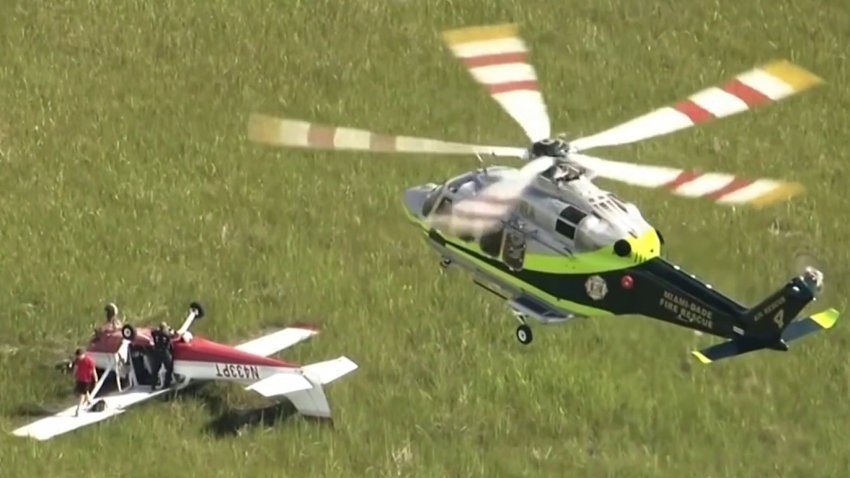
Emergency crews often reach small plane accident scenes quickly, but their response does not determine who was legally responsible for the crash. A separate civil investigation is needed to establish negligence, identify liable parties, and pursue compensation.
What Injuries and Compensation May Follow a Small Plane Crash?
A small plane crash may cause catastrophic physical and psychological injuries to aircraft occupants and people on the ground. Compensation may include medical expenses, future care, lost income, reduced earning capacity, pain and suffering, disability, disfigurement, psychological harm, property damage, and wrongful death losses.
What Injuries Are Common?
Potential injuries include traumatic brain injury, spinal cord injury, fractures, crush trauma, burns, smoke inhalation, lung damage, internal organ injury, amputation, nerve damage, eye or hearing injury, toxic exposure, permanent scarring, disfigurement, post-traumatic stress, and permanent disability.
A ground victim can suffer severe injuries without being struck directly by the airplane. Fire, blast force, debris, structural collapse, emergency escape, vehicle collisions, smoke, and aviation fuel may cause serious harm.
What Damages May Be Recovered?
Recoverable damages may include emergency treatment, hospitalization, surgery, rehabilitation, future medical care, medication, equipment, home modifications, attendant care, lost wages, business income, reduced earning capacity, pain, mental anguish, loss of enjoyment of life, property loss, relocation, and cleanup expenses. Future losses may require physicians, life-care planners, vocational experts, economists, structural engineers, or other qualified professionals.
Who Can Bring a Florida Wrongful Death Claim?
A Florida wrongful death action is brought by the decedent's personal representative for qualifying survivors and the estate. The deceased person may have been aboard the aircraft or on the ground. Florida Statutes section 768.18 defines key wrongful death terms, while section 768.21 addresses potential damages.
What Happens During the First Consultation?
The firm can review who was injured, where the crash occurred, the aircraft registration if known, available photographs or video, medical treatment, property damage, NTSB information, and insurance communications. The consultation is free. Injury and wrongful death matters are handled on a contingency-fee basis, so there are no upfront attorney fees and attorney fees are owed only if the firm obtains a recovery.
What Deadlines and Fault Rules Apply in Florida?
Florida generally provides two years to file negligence and wrongful death actions, but different rules may apply to product claims, government defendants, federal claims, out-of-state accidents, statutes of repose, estates, or other special circumstances.
How Long Do You Have to File?
Many Florida negligence and wrongful death actions must be filed within two years, but no one should assume every aviation claim follows one deadline. Government notice requirements, product statutes of repose, federal administrative claims, jurisdiction disputes, and claims arising outside Florida can change the analysis. Current limitations periods appear in Florida Statutes section 95.11. Florida product claims may also require analysis under section 95.031 and federal GARA.
How Does Comparative Fault Affect the Claim?
Florida comparative fault may reduce compensation when an injured claimant is assigned responsibility for the harm. In negligence actions covered by the statute, a claimant found more than 50 percent at fault may not recover damages. The current framework appears in Florida Statutes section 768.81. Comparative fault may be disputed for an injured pilot or aircraft owner, while a homeowner, pedestrian, or motorist unexpectedly harmed by a falling aircraft usually presents a different fault analysis.
Why Do Small Plane Crashes Create Unique Risks in Florida?
Florida's extensive general aviation network, flight training activity, private aircraft use, rapidly changing weather, densely populated airport-adjacent communities, major roadways, and coastal development can expose aircraft occupants and people on the ground to serious harm.
The Florida Aviation System Plan describes a statewide network of commercial-service and general aviation airports. In Tampa Bay, general aviation activity includes Peter O. Knight Airport, Tampa Executive Airport, Albert Whitted Airport, and private-aircraft operations at St. Pete-Clearwater International Airport.
The Hillsborough County Aviation Authority describes a local general aviation reliever-airport network, while St. Pete-Clearwater International Airport confirms that it supports general aviation and private aircraft operations. These facilities operate near neighborhoods, waterfront areas, businesses, and major roads.
A recent Florida example shows why ground victims belong in the analysis. According to an NTSB preliminary report, an April 2025 Part 91 Cessna 310R accident near Boca Raton killed the aircraft occupants and injured a person on the ground. The preliminary report does not determine negligence.
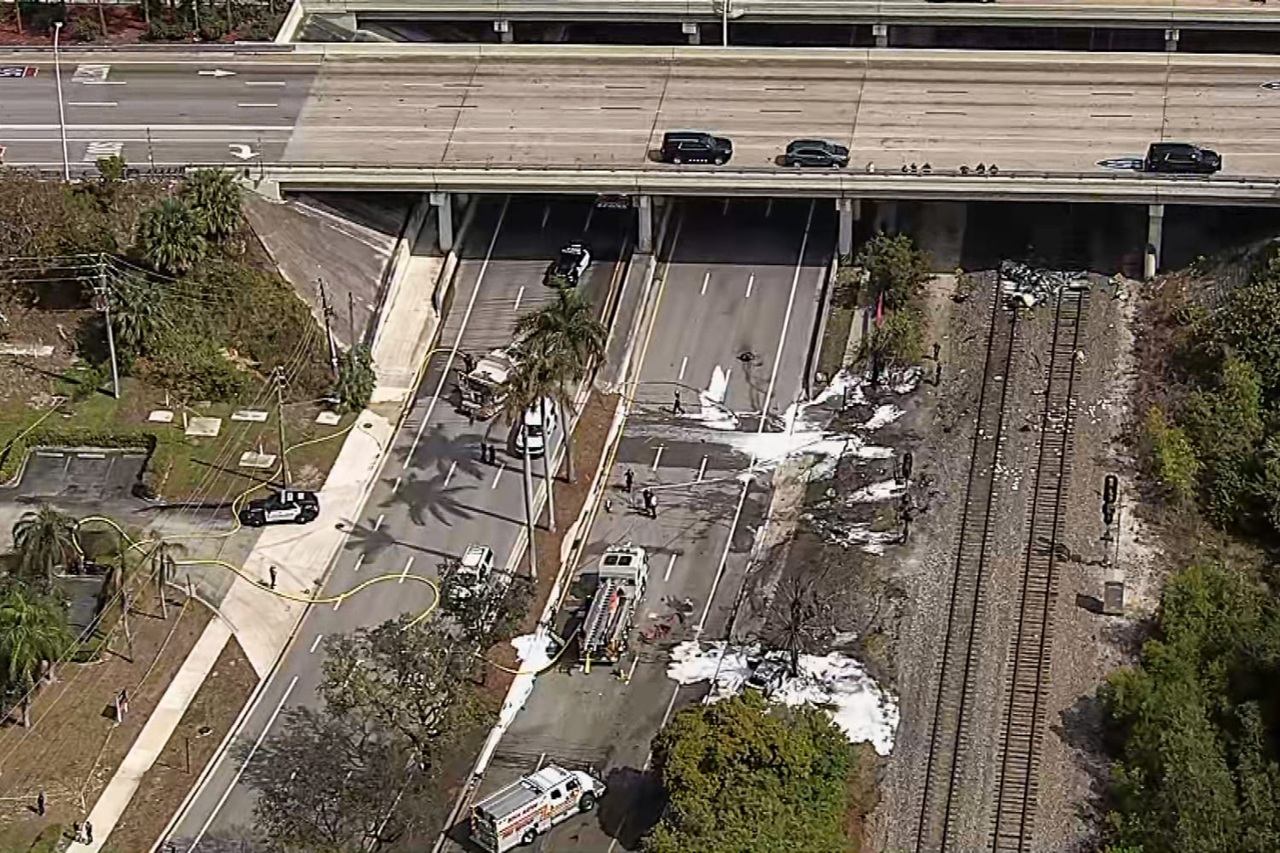
When a small plane goes down near a busy roadway, the danger extends well beyond the aircraft occupants to nearby drivers, pedestrians, and property. Ground victims injured or displaced by wreckage, fire, or debris may have their own personal injury or property damage claims against the responsible aviation parties.
How Armando Personal Injury Law Approaches Small Plane Accident Claims
Armando Personal Injury Law approaches small plane accident claims through early evidence preservation, scientific analysis, medical causation, insurance review, damages documentation, and trial preparation. The firm evaluates harm to passengers and people on the ground, including homeowners, motorists, pedestrians, workers, and surviving families.
The strategy may include identifying aircraft ownership and operational control, preserving wreckage and electronic information, reviewing FAA and maintenance records, evaluating pilot training, examining ground-impact evidence, coordinating qualified experts, documenting catastrophic injuries, locating aviation and non-aviation insurance, and preparing the claim for litigation when necessary.
Learn more about Attorney Armando Edmiston, a U.S. Marine veteran, Hillsborough County native, and one of only six lawyers in Florida listed with the ACS Forensic Lawyer-Scientist designation.
Frequently Asked Questions About Florida Small Plane Accidents
These answers address important questions passengers, ground victims, and families ask about NTSB investigations, negligence, insurance, evidence, compensation, and deadlines after a Florida small plane crash.
Can I Sue if I Was Injured on the Ground?
Yes. A homeowner, resident, motorist, pedestrian, bicyclist, worker, customer, or bystander may bring a claim when an aircraft, debris, fire, smoke, fuel, structural collapse, or related collision causes injury.
Who Pays if a Plane Damages My House or Car?
Payment may come from aviation liability coverage, owner or operator policies, charter or business insurance, manufacturer coverage, automobile insurance, homeowner coverage, umbrella policies, or other applicable insurance. Responsible parties and policy terms must be investigated before a final release is signed.
What if the Pilot or Aircraft Owner Died in the Crash?
A claim may still be available when the pilot or aircraft owner died. Potential sources of recovery may include aviation insurance, the pilot's or owner's estate, the aircraft operator, a flight school, charter company, maintenance provider, manufacturer, fuel provider, or another responsible party.
Does a Small Plane Have a Black Box?
Many small planes do not carry the cockpit voice and flight data recorders used by commercial airliners. Useful information may still be recovered from avionics, GPS equipment, engine monitors, tablets, phones, ADS-B data, radar, air traffic communications, and flight-tracking systems.
How Long Do I Have to File a Florida Plane Crash Lawsuit?
Many Florida negligence and wrongful death claims have a two-year filing period, but product claims, government claims, interstate issues, federal procedures, statutes of repose, and other circumstances may create different rules. The specific deadline should be evaluated promptly.
Speak With a Florida Small Plane Accident Lawyer
Passengers and people on the ground may face serious injuries, wrongful death, damaged homes or vehicles, insurance disputes, and unanswered questions after a small plane crash. Early legal investigation can preserve evidence, identify responsible parties, locate insurance, and document the full impact of the accident.
The NTSB may investigate why the accident occurred, but it will not determine which party was legally negligent or responsible for paying damages. Armando Personal Injury Law can conduct a separate civil investigation focused on accountability, medical causation, property loss, insurance, and each injured person or family.
Call (813) 482-0355 or contact the firm online to discuss a Florida small plane accident involving passengers, homeowners, motorists, pedestrians, workers, or other people injured on the ground.
This page provides general legal information and is not a substitute for advice about a specific accident.
Free Consultation

About the Author
Attorney Armando Edmiston is the founding attorney of Armando Personal Injury Law in Tampa and St. Pete, Florida. In addition to representing injury victims and families in serious personal injury and wrongful death cases, Armando brings a science-based background to evidence-heavy claims. He earned a B.S. in Biology from the University of South Florida, a J.D., cum laude, from Nova Southeastern University, and is one of only six lawyers in Florida listed with the ACS Forensic Lawyer-Scientist designation. His practice background includes personal injury litigation, medical malpractice-related work, and public defense, which supports a disciplined, evidence-driven approach to complex injury cases.