
What Compensation May Be Available in a Florida Uber or Lyft Sexual Assault Case?
If you were sexually assaulted during or closely connected to an Uber or Lyft ride in Florida, a civil claim may seek compensation for more than immediate medical bills. These cases often involve therapy, psychiatric care, lost income, functional life disruption, transportation changes, long-term trauma symptoms, and the personal cost of having daily life altered by fear, hypervigilance, sleep problems, and loss of trust.
A rideshare sexual assault case is not valued like a routine injury claim. The harm may be physical, emotional, psychological, financial, and deeply personal at the same time. That is one reason these cases should never be reduced to a generic settlement chart or a quick online estimate.
At Armando Personal Injury Law, we approach these claims with urgency, discretion, and respect. In many rideshare sexual assault cases, one of the most important jobs is building a damages record that reflects the full impact of the assault, not just the easiest losses to measure.

Compensation in a Florida Uber or Lyft sexual assault case may include therapy costs, lost income, emotional distress, and long-term life disruption.
Florida rideshare sexual assault compensation: quick answer
Compensation in a Florida Uber or Lyft sexual assault case may include medical expenses, mental health treatment, lost wages, reduced earning capacity, emotional distress, pain and suffering, functional life disruption, out-of-pocket costs, and, in the right case, punitive damages. The value of a claim depends on the facts, the evidence, the seriousness of the trauma, the long-term impact on daily life, and the legal theories being asserted.
Why these cases are not valued like ordinary personal injury claims
A rideshare sexual assault case is different from a standard crash claim.
The losses may include:
- physical injury
- trauma symptoms that affect sleep, work, school, and relationships
- psychiatric care and long-term therapy
- fear of transportation or being alone
- changes in daily routines and independence
- loss of trust, intimacy disruption, and emotional distress
- safety-related expenses after the assault
Some of these losses appear in bills or wage records. Others require a more careful damages presentation. A strong claim does not just list categories. It shows how the assault changed the survivor’s ability to function and move through daily life.
| Damages category | What it may include |
|---|---|
| Medical expenses | Emergency care, testing, follow-up treatment, medications, forensic medical costs. |
| Mental health treatment | Therapy, PTSD care, psychiatric treatment, trauma counseling, sleep-related treatment. |
| Income-related losses | Missed work, reduced hours, job loss, interrupted education, reduced earning ability. |
| Pain and suffering | Emotional distress, anxiety, depression, panic, fear, humiliation, loss of enjoyment of life. |
| Functional life disruption | Transportation avoidance, relationship strain, loss of independence, academic or routine disruption. |
| Out-of-pocket costs | Security expenses, relocation, transportation changes, related practical costs. |
| Punitive damages | Potentially available in especially serious fact patterns. |
What are the most common forms of compensation in a rideshare sexual assault case?
The most common damages categories in these cases often include both economic and non-economic losses.
Medical expenses
Medical damages may include emergency room care, hospital treatment, testing, medications, follow-up appointments, and other care tied to injuries or immediate symptoms after the assault.
Mental health treatment
Therapy and trauma care are often among the most important damages in these claims. That may include counseling, PTSD treatment, psychiatric care, medication management, and future mental health support.
Lost wages and missed work
A survivor may miss work because of medical care, psychological symptoms, panic, sleep disruption, inability to travel safely, or the emotional aftermath of the assault.
Reduced earning capacity
In some cases, the longer-term effect is not just missed work now. It is reduced earning ability over time because the survivor cannot return to the same routines, job duties, schedule, or field without major disruption.
Pain and suffering
These damages may include emotional distress, humiliation, anxiety, depression, panic, flashbacks, hypervigilance, fear, and loss of enjoyment of life.
Functional life disruption
Some of the most serious losses are not fully captured by bills. Many survivors experience fear of rideshare use, difficulty traveling alone, damage to relationships, school disruption, relocation, or major changes in how they work, study, sleep, and function.
Out-of-pocket losses
A survivor may face added transportation costs, relocation expenses, new security measures, childcare disruption, and other practical expenses caused by the assault and its aftermath.
Punitive damages in the right case
In especially serious cases, punitive damages may be explored where the evidence supports reckless or especially wrongful conduct. That is always a fact-specific issue.
What factors can increase or decrease the value of a Florida Uber or Lyft sexual assault claim?
| Valuation issue | Why it may matter |
|---|---|
| Strength of liability evidence | Stronger proof of company-level failures may strengthen the overall claim. |
| Quality of treatment records | Clear medical and mental health documentation may make damages easier to prove. |
| Daily-life disruption | Work, school, transportation, relationship, and routine changes may affect value. |
| Long-term trauma effects | Ongoing PTSD symptoms, medication needs, or future care may increase damages. |
| Speed of case development | A rushed claim may undervalue treatment needs that are still unfolding. |
What factors can increase or decrease the value of a Florida Uber or Lyft sexual assault claim?
No honest lawyer should promise a case value based on one headline or one verdict. These claims are highly fact-specific.
Factors that may affect value include:
Severity of the assault and resulting injuries
The seriousness of the physical and psychological harm matters.
Quality of the medical and therapy evidence
Clear treatment records and a well-documented trauma history often matter significantly.
Strength of the liability case
A claim may be stronger where evidence supports negligent screening, negligent retention, negligent supervision, prior complaints, poor safety-tool response, or other company-level failures.
Effect on work, school, and daily life
Cases often become stronger when the damages file shows not just that the survivor was hurt, but how daily functioning changed afterward.
Credibility and consistency of the evidence
Screenshots, route history, communications, witness proof, medical records, and a timely written timeline may all affect case strength.
Whether the harm is long-term
Longer-lasting trauma, treatment, medication needs, and life disruption often affect case value.
What does not automatically determine case value?
A rideshare sexual assault case is not valued by one headline, one verdict, or one visible injury.
The following facts do not automatically determine the value of the claim:
- the absence of dramatic physical injuries
- one early treatment visit instead of long hospitalization
- the presence of mostly psychological harm rather than broken bones or surgery
- an insurer or platform suggesting the case is worth only a small amount early on
- a public verdict from another case that involved very different facts
Those facts may be part of the analysis, but they do not answer the real question. The stronger issue is how clearly the evidence shows the full effect of the assault on treatment, work, daily functioning, safety, independence, and long-term recovery.
Does the lack of visible injuries reduce compensation?
Not necessarily.
Many strong sexual assault cases are built around trauma treatment, app-based records, forensic evidence, witness accounts, psychiatric care, and the long-term effect on daily life rather than visible injuries alone.
A survivor does not need dramatic photographs for the harm to be serious or compensable.
Can therapy and PTSD treatment be part of the claim?
Yes, often.
Mental health treatment may be one of the most important damages categories in a rideshare sexual assault case. Trauma counseling, PTSD treatment, psychiatric care, medication management, and future psychological care may all become part of the damages analysis when they are supported by the evidence.
Can a survivor recover for fear of transportation or loss of independence?
Potentially, yes.
A rideshare sexual assault may change how a survivor moves through ordinary life. Some survivors stop using rideshare services entirely. Some struggle to travel alone. Some change jobs, housing, school patterns, or routines because of fear and hypervigilance.
Those losses may not look like a hospital bill, but they can still matter as part of a full damages presentation.
Can family impact or relationship harm matter in the case?
Potentially, yes.
A sexual assault can affect intimacy, trust, parenting, relationships, and day-to-day emotional functioning. In the right case, testimony and records showing those changes may help explain the full effect of the assault.
What if the survivor was a minor?
Damages can be even more complex in cases involving minors.
A child or teenager may need long-term counseling, educational support, family-based care, trauma treatment, and other services that extend well beyond the immediate aftermath. The emotional and developmental impact may also be broader and more difficult to measure early.
That is one reason minor-injury rideshare assault cases should be evaluated carefully and not rushed.
Can a wrongful death claim affect the damages analysis?
Yes.
If a sexual assault or related criminal act led to death, the damages analysis may involve wrongful death issues, future losses to surviving family members, estate-related questions, and the specific legal framework that applies to fatal cases.
Those cases require a different and more specialized damages analysis than non-fatal injury claims.
What evidence helps prove compensation in a rideshare sexual assault case?
A strong damages case usually depends on more than one type of proof.
Useful evidence may include:
- emergency and hospital records
- therapy and psychiatric records
- medication records
- forensic exam records when they exist
- wage-loss documentation
- school or attendance records
- journals or symptom logs
- testimony from family, friends, partners, or co-workers
- records showing transportation changes, relocation, or safety-related expenses

Therapy, PTSD care, and psychiatric treatment may be a major part of damages in a rideshare sexual assault case.
The damages story is strongest when the proof shows both treatment and day-to-day impact.
Should you trust online settlement estimates?
No, not by themselves.
Online estimates and mass-tort headlines may create unrealistic expectations or leave out the details that actually drive case value. A rideshare sexual assault claim should be evaluated based on the survivor’s specific harm, the available evidence, the liability facts, and the legal framework that applies.
A better question than “What is the average payout?” is “What evidence shows the full impact of this assault in this case?”
What should you do if you want to protect the value of the claim?
If you are safe enough to act, the most important steps usually include:
1. Get medical and mental health care
Treatment protects health and helps document harm.
2. Preserve APP-BASED AND PHONE-BASED EVIDENCE
Screenshots, route history, messages, and communications may affect both liability and damages.
3. Keep records of missed work and expenses
Save wage records, receipts, transportation costs, and other practical losses.
4. Document the day-to-day impact
A symptom log or timeline can help preserve changes in sleep, panic, travel, work, school, and relationships.
5. Talk to a lawyer before accepting a quick payment or release
A fast resolution may undervalue the long-term impact of trauma, especially when treatment is still developing.
FAQs About Compensation After an Uber or Lyft Sexual Assault in Florida
What compensation can a survivor recover after an Uber or Lyft sexual assault?
Potential compensation may include medical expenses, therapy and psychiatric care, lost wages, reduced earning capacity, emotional distress, pain and suffering, functional life disruption, out-of-pocket losses, and, in the right case, punitive damages.
Does the case need visible injuries to have value?
No. Many strong claims rely on trauma treatment, app-based evidence, witness proof, forensic evidence, and documentation of long-term emotional and functional harm.
Can therapy costs be part of the claim?
Yes. Therapy, PTSD treatment, psychiatric care, medication management, and future mental health support may all matter when supported by the evidence.
What if the survivor had to stop using rideshare services or change daily routines?
That may matter. Fear of transportation, loss of independence, routine disruption, and other functional changes may help show the full impact of the assault.
Are punitive damages possible in these cases?
Potentially, yes. Punitive damages may be explored in especially serious fact patterns, but they are always case-specific.
Does a minor’s case involve different damages issues?
Often, yes. Cases involving minors may require a broader review of counseling needs, developmental impact, educational disruption, and long-term support.
Can a quick settlement undervalue the claim?
Yes. Early payments or releases may fail to reflect the long-term effect of trauma if the full damages picture has not been developed yet.
What evidence helps prove damages in a rideshare sexual assault case?
Medical records, therapy records, psychiatric records, wage documents, school records, symptom logs, and testimony from people who saw the changes may all help.
How Armando Personal Injury Law can help
When our firm evaluates a Florida Uber or Lyft sexual assault claim, one of the most important questions is whether the damages record reflects the full impact of the assault.
That may include reviewing treatment records, documenting future care needs, identifying work and school disruption, showing functional life changes, and building a case that does not reduce trauma to a few easy-to-measure bills. These cases require a damages presentation that is careful, credible, and complete.
Talk to a Florida rideshare sexual assault lawyer confidentially
If you were sexually assaulted during or closely connected to an Uber or Lyft ride in Florida, the most important next step may be understanding what the claim may actually include before a quick payment, release, or early defense position narrows the case.
Armando Personal Injury Law can review what happened in a private, supportive consultation and help you understand what damages may be available, what records may support the claim, and what next steps may help protect the full value of the case.
Call (813) 482-0355 or contact us online for a free, confidential case review.
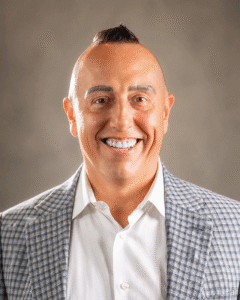
About the Author
Attorney Armando Edmiston is the founding attorney of Armando Personal Injury Law in Tampa and St. Pete, Florida. A U.S. Marine veteran and Hillsborough County native, he represents injured people and families in serious injury cases, including car accidents, truck accidents, motorcycle accidents, wrongful death, negligent security, premises liability, and nursing home abuse and neglect claims. Armando earned a B.S. in Biology from the University of South Florida and a J.D., cum laude, from Nova Southeastern University. He is also one of only six lawyers in Florida listed with the ACS Forensic Lawyer-Scientist designation.
Disclaimer: This page provides general information and is not legal advice for your specific situation. Every case depends on its facts, available evidence, and applicable deadlines.