Wrongful Death After an Air Taxi Crash in Florida
A fatal air taxi crash can leave a family dealing with shock, grief, financial loss, and difficult legal questions all at once. In Florida, a wrongful death claim may be available when an air taxi, eVTOL, or other powered-lift aircraft crash causes death because of negligence, a dangerous product defect, unsafe maintenance, or another wrongful act.
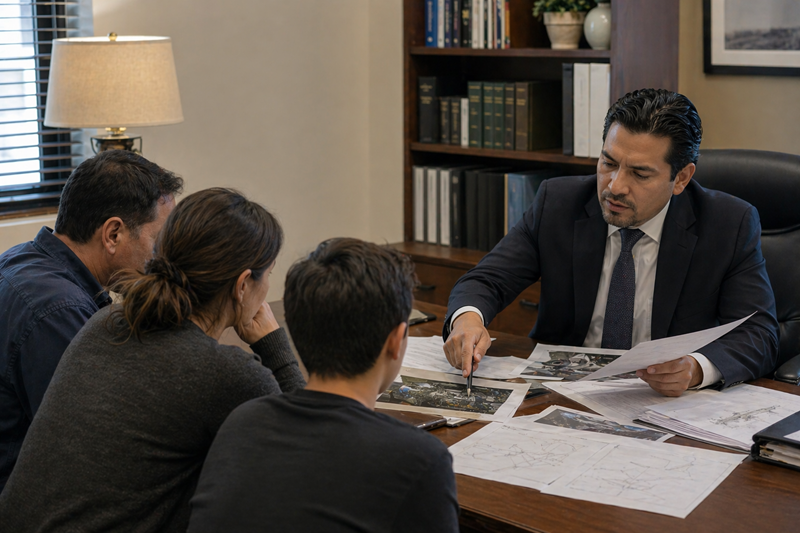
Fatal air taxi crashes may raise complex questions about survivor rights, estate damages, liability, and evidence.
These cases may be more complex than ordinary fatal crash claims. The FAA has completed a powered-lift framework for this category of aircraft, and future Florida claims may involve operators, pilots, manufacturers, maintenance vendors, vertiport operators, and multiple insurance layers.
What Is a Wrongful Death Claim After an Air Taxi Crash?
A wrongful death claim is a civil claim for damages when a person dies because of another party’s wrongful act, negligence, default, or breach of contract or warranty. After a fatal air taxi crash, the claim may arise from operator negligence, pilot error, unsafe maintenance, product defects, battery or software failures, or unsafe vertiport conditions.
Who Brings the Wrongful Death Claim in Florida?
In Florida, the wrongful death action is brought by the decedent’s personal representative for the benefit of the survivors and the estate. That matters because not every family member files a separate lawsuit in his or her own name. The personal representative brings one case, and the complaint identifies the beneficiaries and their relationships to the decedent.
Why this matters in an air taxi fatality case
A fatal air taxi case may involve multiple defendants, technical evidence, and fast-moving corporate responses. Families often need to know early who is serving as personal representative, what records need to be preserved, and how the survivor and estate claims fit together.
Who May Recover Damages After a Fatal Air Taxi Crash?
Florida wrongful death damages depend on the survivor’s relationship to the decedent and on what losses were caused by the death. The estate may also have separate recoverable damages in some cases.
Potential survivors and beneficiaries may include
- a surviving spouse
- minor children
- children when there is no surviving spouse in certain circumstances
- parents of a deceased minor child
- parents of an adult child in limited circumstances recognized by Florida law
- the decedent’s estate for damages recoverable through the estate
Examples of wrongful death damages
- lost support and services
- loss of companionship and protection for an eligible surviving spouse
- lost parental companionship, instruction, and guidance for eligible children
- mental pain and suffering for eligible survivors
- medical expenses paid by a survivor
- funeral expenses paid by a survivor
- estate damages where allowed under Florida law
Who May Be Liable for a Fatal Air Taxi Crash?
The wrongful death claim may be based on one defendant or many. In future air taxi cases, fatal-crash liability may reach well beyond one pilot or one operator.

Potential defendants may include
- the air taxi operator or fleet company
- the pilot or crew
- the aircraft manufacturer
- battery, propulsion, sensor, navigation, or software-system companies
- maintenance contractors or inspection vendors
- charging providers
- vertiport operators or property owners
- other negligent third parties whose conduct helped cause the fatal event
What Evidence Matters Most in a Fatal Air Taxi Case?
Evidence preservation is critical in any wrongful death claim, but it may be even more important after an air taxi crash because the evidence can be technical, spread across multiple companies, and shaped by federal investigation activity.
Key evidence may include
- flight data and telemetry
- pilot training and certification records
- dispatch records and communications
- maintenance logs and inspection history
- software, battery, charging, and system data
- operator manuals and safety procedures
- vertiport or site surveillance footage
- scene photos and witness statements
- emergency-response records
- medical records and death-related documentation
- NTSB investigative materials and publicly available dockets where relevant
Families should not assume a federal investigation answers every civil liability question. The NTSB investigates civil aviation accidents and determines probable cause, but wrongful death liability and damages still have to be built through the legal claim.
How Does Florida Law Affect an Air Taxi Wrongful Death Claim?
Florida Wrongful Death Act governs who brings the claim, who may recover, and what damages may be available after a fatal air taxi crash. The action is brought by the personal representative, and the statute also lays out survivor and estate damages.
Comparative fault and defense strategy
Defendants may still try to shift blame in a fatal air taxi case, especially in an emerging-technology market where operators, manufacturers, and service vendors may all point at one another. Under Florida’s comparative fault framework, those blame-shifting arguments can influence how the defense approaches liability and damages. Families should not wait for those positions to harden before preserving evidence and getting legal guidance.
Why timing matters
Florida’s filing deadline matters, but the practical deadline for protecting a fatal air taxi case may come much sooner. Surveillance footage, site records, technical data, communications, and maintenance evidence may not wait for the statutory deadline.

What Damages May Be Available After a Fatal Air Taxi Crash?
A wrongful death claim may include both financial losses and human losses. A full damages analysis should look beyond the first expenses and account for the long-term effect of the death on surviving family members and the estate.
Depending on the facts, damages may include
- lost support and services
- loss of companionship and protection
- lost parental companionship, instruction, and guidance
- mental pain and suffering for eligible survivors
- medical expenses related to the fatal injury
- funeral and burial expenses
- estate damages recognized under Florida law
Why Timing Matters in a Fatal Air Taxi Case
Early action can help families protect both evidence and legal structure before the case is defined by corporate statements, insurer pressure, or missing records.
Early action can help families
- identify the personal representative
- preserve flight, site, and maintenance records
- protect evidence before companies control the narrative
- evaluate product liability and operator negligence together
- understand which survivors and estate damages may apply
How Armando Personal Injury Law Can Help
A fatal air taxi case demands more than a generic crash investigation. Armando Personal Injury Law can help families understand who brings the wrongful death claim, what damages may be available, which parties may be liable, and what evidence should be preserved immediately.
That may include investigating operator negligence, pilot conduct, manufacturer fault, maintenance issues, vertiport safety, and technical evidence while also explaining the Florida wrongful death framework in plain English. Families should be able to get clear answers before they are pushed into incomplete explanations or early insurer pressure.
Frequently Asked Questions About Wrongful Death After an Air Taxi Crash
Who files the wrongful death lawsuit after an air taxi crash in Florida?
In Florida, the action is brought by the decedent’s personal representative for the benefit of the survivors and the estate.
Can a spouse or child recover damages after a fatal eVTOL crash?
Potentially yes. Florida law recognizes several categories of survivor damages depending on the survivor’s relationship to the decedent and the facts of the case.
Can the estate recover damages too?
Yes. In appropriate cases, the estate may recover damages recognized under Florida’s wrongful death framework in addition to survivor damages.
What if more than one company caused the fatal crash?
More than one party may be liable. A fatal air taxi case may involve the operator, pilot, manufacturer, maintenance vendors, vertiport operators, or other negligent parties.
How long do you have to file a wrongful death claim in Florida?
Florida law generally provides a two-year filing period for wrongful death actions, but waiting can still damage the case if technical or site evidence is lost early.
Is an NTSB investigation enough to prove the wrongful death case?
Not by itself. Federal investigation materials may be important, but the civil wrongful death claim still requires its own proof of liability and damages.
Contact Armando Today For a Free Consultation
If your family is dealing with a fatal air taxi, eVTOL, or flying car crash in Florida, talk to Armando Personal Injury Law before critical evidence disappears and before companies define the story for you. The first steps after a fatal crash can affect both accountability and the family’s ability to understand what legal rights may exist.
Client Testimonial
“Armando is a top-notch guy. He's very helpful and professional.” – Gabrielle A., ⭐⭐⭐⭐⭐
Actual client. Results may vary; each case is different.
About the Author
 Attorney Armando Edmiston is the founding attorney of Armando Personal Injury Law in Tampa and St. Pete, Florida. In addition to representing injury victims and families in serious personal injury and wrongful death cases, Armando brings a science-based background to evidence-heavy claims. He earned a B.S. in Biology from the University of South Florida, a J.D., cum laude, from Nova Southeastern University, and is one of only six lawyers in Florida listed with the ACS Forensic Lawyer-Scientist designation. His practice background includes personal injury litigation, medical malpractice-related work, and public defense, which supports a disciplined, evidence-driven approach to complex injury cases.