Florida Drowning Accident Lawyer
Holding Property Owners, Pool Operators, and Negligent Parties Accountable for Preventable Drowning and Near-Drowning Harm
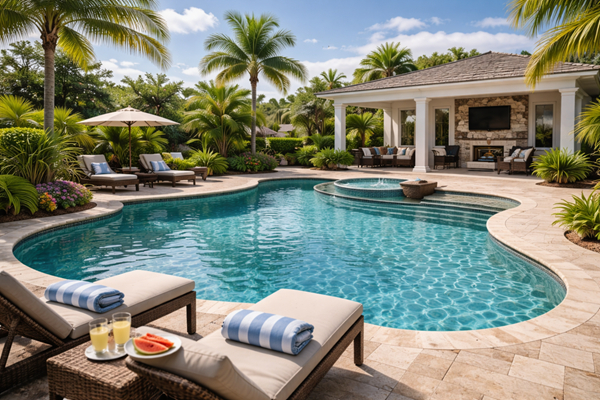
Drowning accidents are preventable. If a loved one has been a victim of swimming pool negligence in Florida, our law firm is here to provide the support and representation you need during this difficult time.
When a Drowning Was Preventable, Accountability Matters
Florida’s pools, beaches, lakes, and waterways are part of everyday life. But when safety is ignored, a drowning or near-drowning can happen fast and quietly—often without yelling, splashing, or warning signs. Families are left facing unimaginable grief, life-altering brain injuries, and unanswered questions.
Missing pool barriers, broken gates, overcrowded attractions, distracted lifeguards, and poor supervision place children and adults in danger every day across Florida. If your loved one was hurt because someone failed to take reasonable steps to prevent a known risk, you may have legal options.
Insurance Companies Don’t Scare Us
Insurers often move quickly to shift blame and limit payouts after a serious incident—especially when a child is involved. We don’t let them rewrite the story. These cases demand immediate action, an aggressive investigation, and a trial attorney prepared to fight for the full value of the harm.
Quick Answer: Do I Have a Florida Drowning or Near-Drowning Claim?
You may have a claim when all or most of these are true:
- A person or entity owed a duty of care (property owner, landlord, hotel, HOA, daycare, water attraction, etc.).
- A safety measure failed or was missing (fence, self-latching gate, door alarm, pool cover, signage, lifeguard staffing, rules enforcement).
- That failure contributed to the incident.
- Injuries, medical treatment, or wrongful death losses can be documented.
- Evidence can be preserved quickly (photos, video, witness info, incident reports, maintenance records).
If you’re unsure, we can evaluate the facts and explain your options during a free consultation.
Serving Tampa Bay and All of Florida
We represent drowning and near-drowning victims statewide, including families in the Tampa Bay area. Whether the incident happened in Tampa or Hillsborough County—or elsewhere in Florida—acting quickly helps protect your rights, especially when surveillance footage and maintenance records can disappear.
Whether the victim was treated at Tampa General Hospital (TGH), St. Joseph's, or another local trauma center, we understand the long-term rehabilitation costs associated with hypoxic brain injuries.
What You Need to Know About Drowning Incidents in Florida
- Drowning happens fast and silently—especially with young children.
- Brief lapses in supervision are a common factor in preventable cases.
- Unsafe access (missing fences, broken gates, faulty latches) puts children at risk.
- Near-drownings can cause permanent injuries, including hypoxic brain injury.
- Property owners and operators may have legal duties to take reasonable safeguards.
- Early legal action matters because evidence fades quickly.
Who Is Most at Risk in Florida Drowning Incidents?
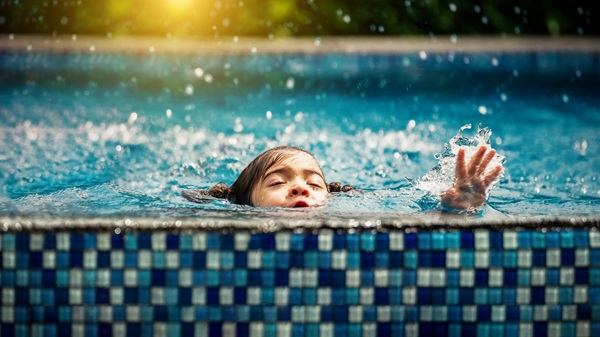
Drowning is a leading cause of accidental death for children in Florida, and most are entirely preventable. If your family is grieving after a pool accident, our Florida drowning accident lawyer is here to fight for the answers and justice you deserve.
Young children and babies
Kids under 5 are at the highest risk. Infants can drown in just inches of water (bathtubs, buckets, and small pools). In many preventable cases, access controls fail or supervision breaks down—even briefly.
Children with disabilities
Developmental delays, sensory issues, and mobility limitations can increase risk, especially when environments are not designed with safety in mind.
Non-swimmers, tourists, and older adults
Unfamiliar conditions, alcohol, fatigue, medical events, and falls can turn routine water exposure into an emergency.
Where Drowning and Near-Drowning Accidents Commonly Happen
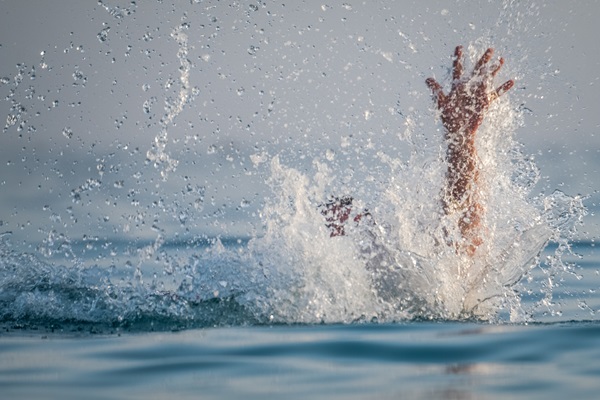
When hidden currents lead to tragedy, our Florida drowning accident lawyer stands by your family. We investigate negligence in lifeguard staffing, warning signs, and beach safety protocols to ensure those responsible are held accountable.
These cases frequently arise in settings such as:
- Backyard pools and residential communities (including HOA and apartment pools).
- Hotels, resorts, and short-term rentals where rules enforcement and maintenance vary.
- Daycares, camps, and school activities involving pools or water play.
- Public pools, water parks, and attractions with high guest volume.
- Beaches, lakes, and waterfront properties where warnings and safeguards are inadequate.
Across Florida—including Tampa Bay—preventable incidents often involve a known hazard that was not fixed, not monitored, or not controlled.
Common Causes of Florida Drowning Accidents
- Lack of supervision or unclear handoffs between adults responsible for watching the water.
- Unsecured pool access (missing fences, broken gates, unlocked doors, faulty latches).
- Inadequate barriers, alarms, or pool covers in settings where safety measures should be in place.
- Distracted or untrained staff at daycares, camps, hotels, or water attractions.
- Overcrowding and poor visibility that delays rescue response.
- Slip-and-falls near water leading to submersion, especially for children and older adults.
Common Drowning and Near-Drowning Injuries
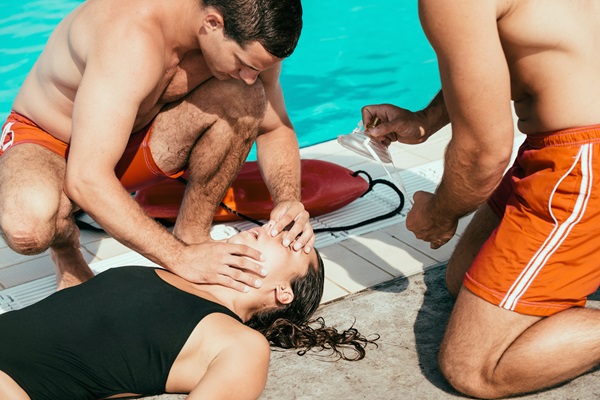
Drowning injuries often result in brain injuries and astronomical medical bills. Our Florida drowning accident lawyer helps victims and their loved ones fight for the compensation they deserve.
Even when a person survives, lack of oxygen can cause catastrophic harm. Common outcomes include:
- Hypoxic or anoxic brain injury (TBI-like outcomes)
- Seizures, memory loss, cognitive impairment, and developmental delays
- Respiratory complications, including Acute Respiratory Distress Syndrome (ARDS) and chemical pneumonia (often called 'secondary drowning'), which can develop hours after the incident.
- Cardiac complications and multi-organ damage
- Long-term disability requiring lifelong care and supervision
Near-drowning cases can involve months or years of treatment, therapy, and support services—costs that should not fall on the family when negligence played a role.
Who Can Be Held Responsible for a Florida Drowning?
Liability depends on where and how the incident occurred. Potentially responsible parties can include:
- Homeowners and property owners
- Landlords, apartment complexes, and property managers
- HOAs and community associations responsible for pool areas
- Hotels, resorts, and short-term rental operators
- Daycares, schools, camps, and youth programs
- Water parks, attractions, and event operators
- Maintenance vendors and contractors (when safety equipment fails)
In many cases, responsibility comes down to preventable failures—like unsecured access, inadequate supervision, ignored hazards, or poor maintenance.
What Makes a Drowning Case Stronger?
The strongest cases often involve one or more of these red flags:
- Missing or non-functional barriers (fence, gate, latch, door alarm, pool cover)
- Prior complaints, prior incidents, or known hazards that were not addressed
- Inadequate lifeguard staffing, training, or supervision policies
- Lack of safety signage, rules, or enforced procedures
- Delayed rescue response or missing emergency equipment
- Poor lighting, broken locks, or easy access by children
Warning Signs and What to Do During a Drowning Emergency
- Watch for silent distress: gasping, bobbing, wide eyes, head tilted back, trying to stay upright without kicking.
- If someone suddenly stops swimming or clings to a wall/person, treat it as an emergency.
- If someone is motionless or floating face down, act immediately.
If it is safe to do so, remove the person from the water, call 911, and begin CPR if needed until help arrives.
What to Do After a Drowning or Near-Drowning in Florida
These steps protect health and preserve evidence:
- Call 911 and seek emergency care immediately. Follow all medical advice and attend follow-up appointments.
- If police or responders do not come to the scene, document everything yourself: take photos/video, note times, and write down what happened while it is fresh.
- Get names and contact details for witnesses, staff, lifeguards, or property representatives.
- Request incident reports and preserve communications (texts, emails, messages with property management or staff).
- Do not give recorded statements or sign releases until you’ve spoken with a lawyer.
- Contact a drowning accident lawyer quickly—time-sensitive evidence can disappear.
Evidence Checklist: What to Preserve
If possible (and safe), collect or request:
- Photos/video of fences, gates, latches, doors, alarms, pool covers, signage, lighting, and the surrounding area
- Maintenance logs, inspection records, and repair history for safety equipment
- Surveillance footage requests (ask immediately—footage is often overwritten)
- Incident reports from the property, business, HOA, daycare, or attraction
- Witness information and statements
- EMS, hospital, and follow-up medical records
- Any prior complaints, emails, or messages about safety issues
Compensation in Florida Drowning and Near-Drowning Cases
Compensation depends on the facts and the extent of harm. In injury cases, damages may include:
- Emergency care, hospitalization, and ongoing medical treatment
- Rehabilitation, therapy, and long-term care needs
- Mobility aids and home modifications (when needed)
- Lost income and reduced earning capacity
- Pain and suffering and loss of enjoyment of life
In fatal cases, families may also pursue wrongful death damages such as funeral expenses and the loss of support and companionship (depending on the relationship and circumstances).
How a Florida Drowning Accident Trial Attorney Helps
- Preserving time-sensitive evidence (video, logs, inspection records)
- Identifying who controlled the property and who was responsible for safety
- Working with medical experts and, when appropriate, safety and reconstruction experts
- Handling insurers and liability disputes
- Building a complete damages picture for both current and future needs
Insurance companies often look for ways to minimize the long-term impact of a near-drowning. We push back with evidence and a clear strategy.
Prevention and Safety Tips for Florida Families Renting Homes With Pools
Short-term rentals can be convenient, but pool safety is sometimes treated like an afterthought. If you’re staying in a rental home with a pool—especially with young children—these steps can reduce risk:
- Inspect pool barriers immediately: walk the perimeter and test gates and latches before unpacking.
- Secure doors leading to the pool: alarms or high locks can prevent unnoticed access.
- Bring portable safety gear if needed (door alarms, toddler barriers, flotation devices).
- Assign a dedicated water watcher (no phones, no distractions) and hand off clearly.
- Check lighting and water visibility, especially for evening swimming.
- Know the address and nearest hospital; ensure an adult knows CPR.
Frequently Asked Questions
Do I still have a case if the drowning happened at a private pool?
Possibly. Private property owners may still have duties to take reasonable steps to prevent foreseeable harm—especially when children are involved. Liability depends on access, warnings, safety measures, and what the owner knew (or should have known).
What if the incident happened at an apartment, HOA, or hotel pool in Tampa Bay?
Many Florida drowning cases involve shared pool areas managed by an association, landlord, or business. If gates, fences, signage, staffing, or maintenance were inadequate, those entities may be responsible.
What if law enforcement did not respond or no report was made?
A lack of a police report does not automatically end a claim. Medical records, witness statements, photos/video, incident reports, and other documentation can establish what happened.
Can public facilities or cities be sued for drownings?
In some circumstances, yes. Claims involving government entities can involve special rules and procedures. A lawyer can evaluate the facts and explain what applies in your situation.
How much does it cost to hire a drowning accident lawyer?
Armando Personal Injury Law handles injury cases on a contingency fee basis. That means you pay nothing up front, and you only pay if we win.
How soon should I contact a lawyer?
As soon as possible. Surveillance footage, staffing records, and maintenance logs can be lost quickly. Early involvement helps protect evidence and reduce insurer pressure.
About the Author
 Attorney Armando Edmiston is the founding attorney of Armando Personal Injury Law in Tampa, Florida, a law firm dedicated to helping people harmed in car, truck, motorcycle, nursing home, and other serious injury cases. A U.S. Marine Corps veteran and personal injury lawyer, Armando draws on his real-world courtroom experience and years of representing injured Floridians to write and carefully review the legal content on this website. Every guide is written in clear, straightforward language so injured people and their families can better understand their rights, and is reviewed for legal accuracy before publication.
Client Testimonial
“Choosing this law firm was the best decision I could have made. From the very beginning, they took care of everything: Medical treatment, insurance claims, and the entire legal process. I didn’t have to worry about anything; I simply followed their instructions, and they handled every detail in a professional and efficient manner. Thanks to their work, everything was completely resolved. I highly recommend them. They are responsible, attentive, and truly care about their clients.” – Yilianne D., ⭐⭐⭐⭐⭐
Actual client. Results may vary; each case is different.
This page provides general information and is not legal advice.
Talk to a Florida Drowning Accident Lawyer Today
If your family is dealing with a drowning or near-drowning injury, you deserve answers and a path forward. We offer a free consultation and you pay nothing unless we win.
Call (813) 482-0355 or visit armandoinjurylaw.com to schedule your free consultation.