What Evidence Matters Most After a Sexual Assault in Florida?
If you were sexually assaulted in Florida, the most important evidence is often the evidence that can disappear first. That can include surveillance footage, text messages, phone data, clothing, witness information, medical records, forensic exam records, access logs, staffing records, incident reports, and proof of how the assault changed your daily life.
A sexual assault civil case is not only about whether the assault happened. It is also about what the perpetrator did, what an institution knew, what records still exist, whether warning signs were ignored, and how quickly critical evidence was preserved before it was altered, overwritten, lost, or minimized.
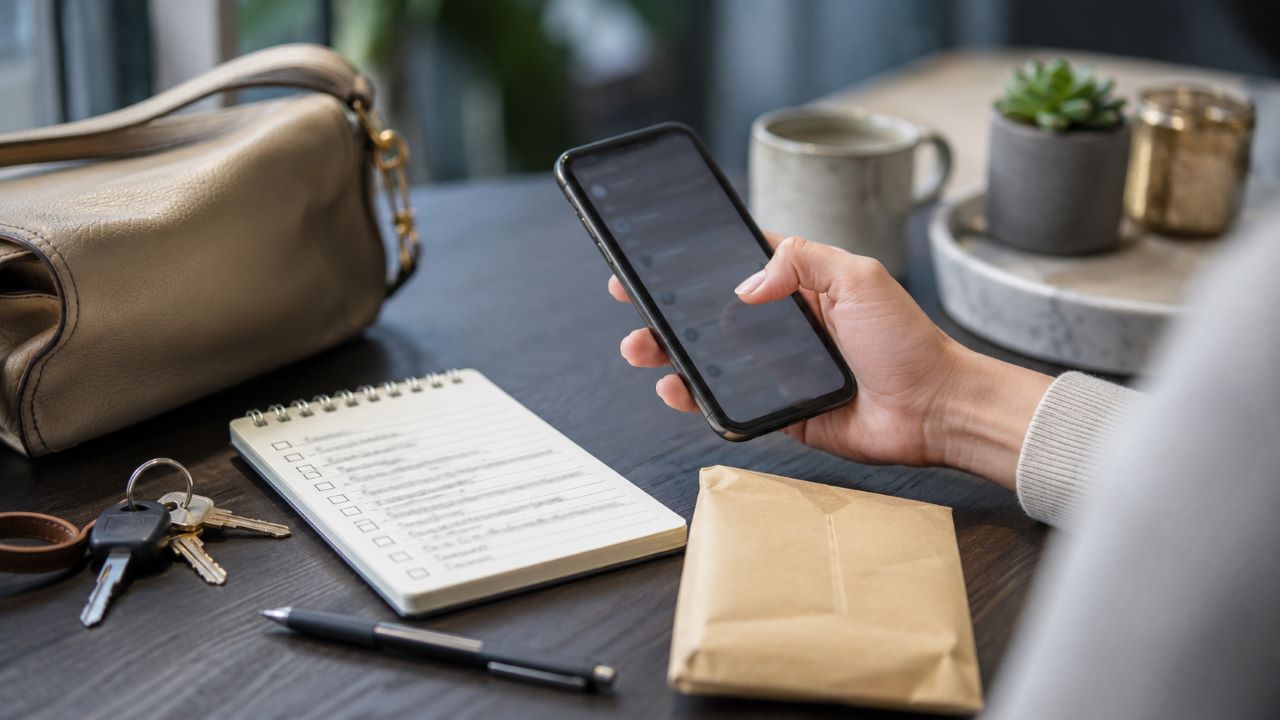
Medical and forensic records, messages, surveillance footage, access logs, and witness information can become critical evidence in a Florida sexual assault civil case.
At Armando Personal Injury Law, we approach these cases with urgency, discretion, and respect. Evidence preservation is often one of the first issues that changes the strength and value of a claim.
Florida sexual assault evidence: quick answer
The strongest evidence after a sexual assault in Florida usually includes medical and forensic records, photographs, surveillance footage, witness information, messages, phone records, location history, incident reports, property-access records, prior complaints, and documentation of how the assault affected the survivor’s life. The key is not only identifying the evidence, but preserving it before it disappears.
| Evidence source | Who may control it | Why it matters |
|---|---|---|
| Medical and forensic records | Hospitals, examiners, medical providers | May document injury, timing, trauma, and treatment needs |
| Surveillance footage | Property owners, businesses, schools, hotels, apartment complexes, venues, marinas | May show access, movement, warnings, parking areas, or the survivor’s condition afterward |
| Phone records and messages | Survivor, witnesses, carriers, app providers | May preserve timing, communications, threats, or disclosure |
| Access logs and internal records | Hotels, apartments, schools, employers, rideshare companies, venues, marinas | May show who entered restricted areas, what complaints existed, or what the institution knew |
| Damages evidence | Survivor, providers, employers, schools, family members | May show therapy needs, life disruption, income loss, and long-term trauma |
Why evidence matters so much in a Florida sexual assault case
In many sexual assault civil claims, the core dispute is not limited to whether the assault happened. The case may also involve questions about:
- whether the person or institution had prior warning signs
- whether the property was unsafe or poorly monitored
- whether the perpetrator had access they should not have had
- whether complaints, reports, or suspicious behavior were ignored
- whether a school, employer, hotel, apartment complex, church, camp, marina, or venue preserved or lost key records
- whether the survivor’s injuries, trauma, and damages were documented clearly
That means a strong case is built on evidence from more than one source. Medical records, forensic proof, digital evidence, witness accounts, property records, and damages documentation often work together.
What evidence disappears first after a sexual assault?
Some of the most valuable evidence is also the easiest to lose.
Surveillance footage may be overwritten. Text messages may be deleted. Phone screenshots may never be taken. Clothing may be washed. Witnesses may become hard to find. Internal reports may change. Access logs may not be preserved. Trauma can also affect memory, which is one reason an early timeline matters.
The practical lesson is simple: evidence preservation should start as soon as the survivor is safe.
What evidence matters most after a sexual assault in Florida?
Medical records
Medical records often become some of the most important evidence in a sexual assault case.
They may include:
- emergency room records
- hospital records
- injury photographs taken in a medical setting
- toxicology testing when relevant
- follow-up treatment notes
- prescriptions
- referrals for counseling or specialist care
These records may help document physical injury, trauma symptoms, timing, intoxication concerns, and the need for ongoing care.
Sexual assault forensic exam records
A sexual assault forensic exam can be important even if a survivor is unsure about reporting the assault to law enforcement or filing a lawsuit right away.
Forensic exam records may help preserve:
- DNA evidence
- physical injury findings
- clothing or biological evidence
- body-map documentation
- examiner observations
- timing information related to the assault
Not every survivor will choose this option, and not every case will include forensic evidence. But when it exists, it can become an important part of both criminal and civil proof.
Photographs and physical evidence
Physical evidence may matter more than survivors realize at first.
Potential evidence may include:
- clothing worn during or after the assault
- damaged personal property
- photographs of injuries
- photographs of broken locks, unsafe access points, or dangerous conditions
- bedding, personal items, or other objects tied to the assault
If there is any chance these items may matter, they should be preserved carefully and not cleaned, altered, repaired, or discarded.
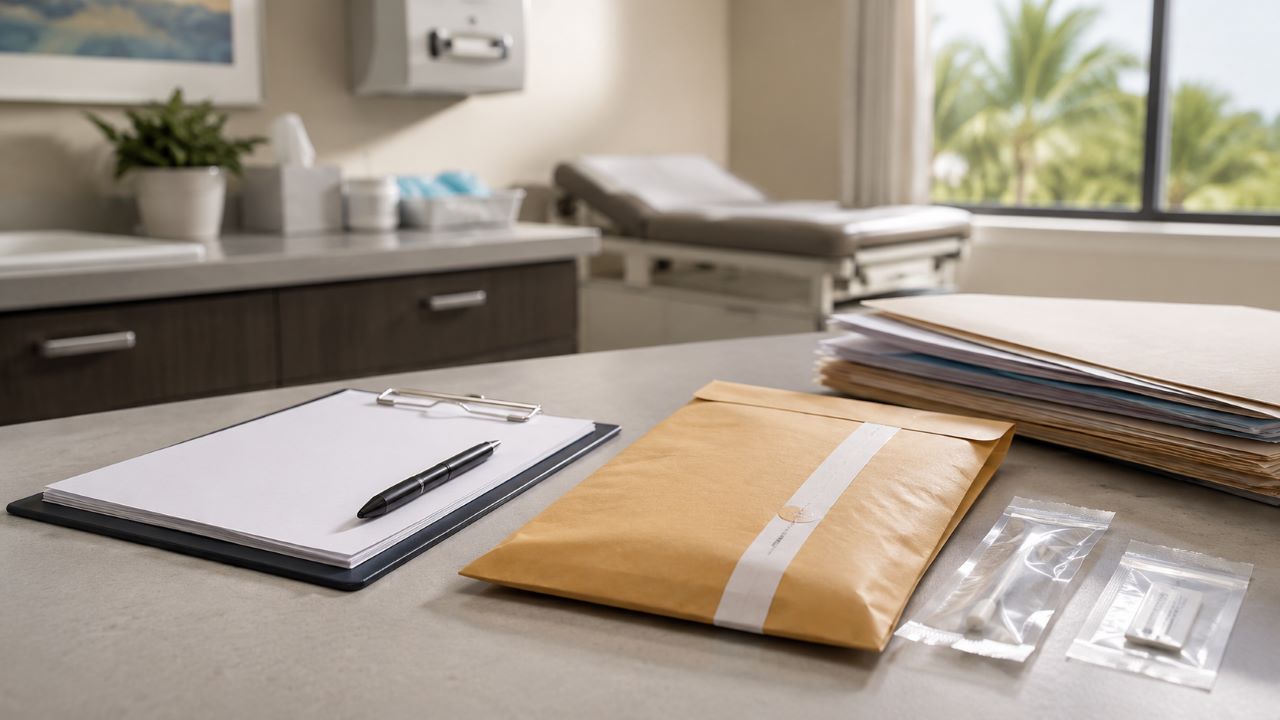
A sexual assault forensic exam, medical records, photographs, surveillance footage, and institution-controlled records may all help prove what happened and what damages followed.
Phone records, text messages, and digital evidence
A survivor’s phone may contain critical evidence that never exists anywhere else in the same form.
Useful digital evidence may include:
- text messages
- call logs
- voicemails
- social-media messages
- emails
- screenshots
- notes or voice memos recorded soon after the assault
- location history
- ride or travel records
Even when another source has similar information, a survivor’s own screenshots and phone records can help prove what was visible or communicated at a specific time.
Surveillance footage
Surveillance footage can be some of the strongest evidence in a sexual assault case, but it is also some of the easiest to lose.
Potential sources may include:
- hotels
- apartment complexes
- schools and universities
- bars and nightclubs
- marinas
- parking garages
- office buildings
- churches, camps, and youth facilities
- nearby businesses or residences
Footage may capture access points, movement, parking areas, escorts, entry or exit timing, visible distress afterward, or the presence of witnesses. Many systems overwrite video quickly, which is why this evidence should be identified early.
Witness evidence
Witnesses do not have to see the assault itself to matter.
Witnesses may include:
- people who saw the survivor before or after the assault
- people who saw the perpetrator’s behavior
- staff members, co-workers, residents, students, or security personnel
- people who received a call, message, or disclosure
- people who observed injuries, distress, intoxication, or changes in behavior
In many cases, witness evidence helps support timing, condition, demeanor, and what happened next.
Property-access and institutional records
Some of the most important evidence is often controlled by the institution involved.
That may include:
- key-card or access logs
- gate records or entry logs
- staffing schedules
- incident reports
- internal complaints or warning-history records
- maintenance records for locks, gates, lighting, or cameras
- reservation, check-in, or room-assignment records
- school, employer, camp, church, marina, or venue internal communications
This evidence may help show what the institution knew, who had access, whether safety systems were working, and whether earlier warnings existed.
Damages evidence
A strong claim needs evidence not only of the assault, but of how it changed the survivor’s life.
Useful damages evidence may include:
- therapy records
- psychiatric treatment records
- medication history
- lost wage records
- missed school records
- journals or symptom logs
- testimony from family, friends, or partners
- records showing relocation, transportation changes, job changes, academic disruption, or safety expenses
This kind of proof can help show the real effect of trauma on work, school, relationships, sleep, independence, and day-to-day functioning.
What does not automatically defeat an evidence-based sexual assault claim?
Several facts may sound helpful to a defendant, but they do not automatically end a civil case.
The following do not automatically defeat the claim:
- there was no criminal conviction
- the survivor delayed reporting
- the survivor forgot some details at first
- there are no dramatic visible injuries
- a forensic exam was not performed
- the institution says there were no prior warnings
- some evidence is already missing
Those facts may still be argued, but they do not answer the real questions. The stronger issues are what evidence still exists, what should have been preserved, what the institution knew, and how the assault changed the survivor’s life.
How Florida sexual assault forensic and evidence procedures can matter
Florida has formal forensic and evidence-kit procedures for sexual offense examinations, which makes early evidence preservation especially important. Medical treatment and forensic care can help protect health while also preserving time-sensitive evidence.
Florida law also provides important protections for survivors who are not ready to report to law enforcement immediately. In some circumstances, a sexual offense evidence kit collected from a person who does not report during the forensic examination must be transferred and stored anonymously for at least 50 years. That can matter a great deal for survivors who need medical and forensic care before deciding how they want to proceed.
That does not mean a survivor must immediately decide every legal issue. It does mean that early medical and forensic steps may protect evidence that becomes harder to recover later.
What should you do to preserve evidence after a sexual assault in Florida?
If you are safe enough to do so, the best next step is to preserve what you can without changing it.
1. Get to safety and seek medical care
Medical care protects health and may also create records that matter later.
2. Ask about a forensic exam if appropriate
A forensic exam may help preserve time-sensitive evidence even if you are not ready to decide about a civil case or criminal process right away.
3. Save messages, screenshots, and phone records
Preserve texts, calls, emails, social-media messages, screenshots, and notes tied to the assault or the aftermath.
4. Photograph injuries and unsafe conditions if you can do so safely
Photographs of injuries, locks, gates, room conditions, parking areas, or access points may matter.
5. Preserve clothing and physical items
Do not wash, repair, or discard anything that may contain evidence.
6. Identify likely witnesses and cameras quickly
Think about who saw you, where cameras may exist, and what institution or property controlled the area.
7. Be careful with institution, insurer, or defense communications
Do not sign releases, accept quick payments, or give recorded statements without legal review.
8. Talk to a lawyer early
An attorney can send preservation demands, identify likely evidence sources, and move quickly before records disappear.
What if you do not have all the evidence yet?
That is common, and it does not mean the claim is lost.
Most survivors do not have every key record on day one. Some evidence may still be controlled by a hotel, apartment complex, employer, school, church, camp, marina, venue, rideshare company, medical provider, or witness. What matters most is identifying what may still exist, preserving what you can now, and avoiding delays that make missing proof harder to recover.
A strong case is often built in stages. Early action can help protect the records you do not personally have yet.
Can a lawyer help preserve records from a property owner or institution?
Yes, potentially.
In the right case, a lawyer can move quickly to identify likely evidence sources, send preservation demands, request that surveillance and access records be kept, and help prevent an institution from treating critical proof as an afterthought.
That may matter in claims involving hotels, apartment complexes, employers, schools, churches, camps, venues, marinas, rideshare companies, or other institutions that controlled part of the setting.
FAQs About Sexual Assault Evidence in Florida
What evidence should I save after a sexual assault in Florida?
Save medical and forensic records, messages, screenshots, phone records, witness information, photographs, clothing, and anything else tied to the assault or the aftermath.
How fast can surveillance footage disappear?
It depends on the system, but some cameras overwrite footage quickly. That is why likely camera locations should be identified as early as possible.
Should I get a sexual assault forensic exam if I am not ready to sue?
Potentially, yes. A forensic exam may help preserve time-sensitive evidence even if you are not ready to decide about a lawsuit right away.
What if I forgot to take screenshots or photographs right away?
That does not end the case. Other evidence may still exist, including surveillance footage, medical records, witness information, internal records, and phone data.
Can a lawyer help preserve records from a hotel, apartment complex, school, or employer?
Yes. In the right case, a lawyer can help move quickly to preserve surveillance, access logs, incident reports, complaint histories, and other records.
Does it hurt the case if there are no visible injuries?
Not necessarily. Many strong cases rely on forensic evidence, witness proof, trauma treatment, institutional records, and other documentation rather than visible injuries alone.
What if there was no criminal conviction?
A civil claim may still exist. A civil case uses a lower burden of proof than a criminal prosecution.
What if some of the evidence is already gone?
That does not automatically defeat the claim. What matters is what evidence still exists, who controls it, and whether additional records can still be preserved.
How Armando Personal Injury Law can help
When our firm evaluates a Florida sexual assault case, one of the first questions is what evidence still exists, who controls it, and what needs to be preserved first.
That may include reviewing medical and forensic records, identifying likely camera sources, preserving messages and phone-based proof, analyzing complaint and access issues, securing institution-controlled records, and building a damages file that reflects the full trauma impact. These cases often become harder when evidence is treated as an afterthought. We do not approach them that way.
Talk to a Florida sexual assault lawyer confidentially
If you were sexually assaulted in Florida, Armando Personal Injury Law can review what happened in a private, supportive consultation and help you understand what evidence may still exist, what should be preserved first, and what next steps may help protect your claim.
Call (813) 482-0355 or contact us online for a free, confidential case review.
About the Author
Attorney Armando Edmiston is the founding attorney of Armando Personal Injury Law in Tampa and St. Pete, Florida. A U.S. Marine veteran and Hillsborough County native, he represents injured people and families in serious injury cases, including car accidents, truck accidents, motorcycle accidents, wrongful death, negligent security, premises liability, and nursing home abuse and neglect claims. Armando earned a B.S. in Biology from the University of South Florida and a J.D., cum laude, from Nova Southeastern University. He is also one of only six lawyers in Florida listed with the ACS Forensic Lawyer-Scientist designation.
Disclaimer: This page provides general information and is not legal advice for your specific situation. Every case depends on its facts, available evidence, and applicable deadlines.