Florida Hotel Sexual Assault Lawyer
If you were sexually assaulted at a hotel in Florida, you may have a civil claim not only against the person who committed the assault, but also against the hotel, management company, security provider, or other parties that failed to prevent foreseeable harm.
A hotel is not just a place to sleep. It is a business that invites guests onto its property and profits from their expectation of safety, privacy, and controlled access. When a hotel fails to provide reasonable security, ignores warning signs, allows unsafe access to rooms, or keeps dangerous employees in positions of trust, a sexual assault may become a case of institutional negligence as well as personal violence.
At Armando Personal Injury Law, we approach these cases with urgency, discretion, and respect. Hotel sexual assault claims often turn on what the property knew, what security failures existed, and what evidence can still be preserved before it disappears.
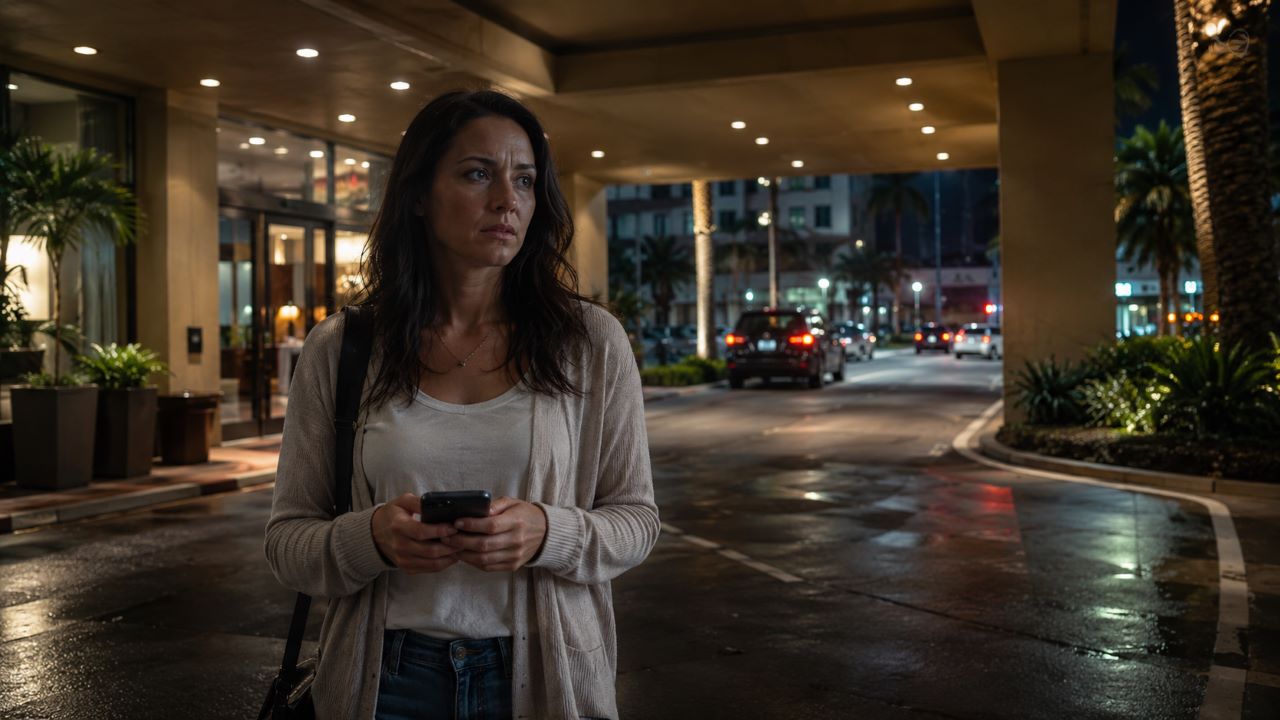
Hotel sexual assault claims in Florida may involve unsafe room access, poor surveillance, weak staffing, ignored complaints, or negligent hiring and retention.
Florida hotel sexual assault lawyer: quick answer
Yes, potentially. If you were sexually assaulted at a hotel in Florida, you may have a civil claim against the perpetrator and, depending on the facts, the hotel or other responsible parties. These cases may involve negligent security, negligent hiring, negligent retention, unsafe room access, ignored complaints, poor surveillance, inadequate staffing, or failures to act on foreseeable risks.
| Question | Short answer |
|---|---|
| Can a hotel be sued after a sexual assault? | Potentially, yes, if the hotel failed to provide reasonable safety or ignored foreseeable risks. |
| Does the perpetrator have to be a hotel employee? | No. A hotel may still face liability for assaults by guests, intruders, vendors, or others if poor security helped create the danger. |
| What if the assault happened in a room, hallway, parking lot, or stairwell? | The exact location matters, but liability may still exist if the area was under the hotel's control and the risk was foreseeable. |
| What damages may be available? | Medical care, therapy, lost income, pain and suffering, emotional distress, and other related losses may be recoverable. |
Why hotel sexual assault cases are different from ordinary injury claims
A hotel sexual assault case is not just about the assault itself. It is often about access, control, foreseeability, and what the property did or failed to do before the attack happened.
These cases may involve questions like:
- who had access to the guest room or restricted area
- whether the property had a history of crime, harassment, or safety complaints
- whether the hotel used functioning locks, key-card controls, cameras, and lighting
- whether staff were properly screened and supervised
- whether prior guest complaints or suspicious behavior were ignored
- whether the hotel responded appropriately once a threat or report emerged
That means a strong case often turns on both intentional wrongdoing and institutional negligence.
Where hotel sexual assaults can create civil liability issues
The location of the assault matters, but it does not automatically control the case. A hotel may still face civil liability if the unsafe area was under the hotel's control or tied to its security failures.
| Location | Why it may matter |
|---|---|
| Guest room | May involve key-card access, staff access, lock failure, or unauthorized entry. |
| Hallway or elevator | May involve surveillance gaps, poor lighting, or inadequate patrols. |
| Parking lot or garage | May involve negligent security, poor lighting, prior crime, or unsafe access points. |
| Stairwell or side entrance | May involve unsecured doors, broken locks, or lack of monitoring. |
| Lobby, bar, restaurant, or pool area | May involve staffing, guest-control, alcohol-related risk, or ignored complaints. |
| Nearby hotel-controlled property | May involve premises control, lighting, cameras, or foreseeable danger. |
When a hotel may be liable for sexual assault in Florida
A hotel may face civil liability when its own failures helped create the conditions for the assault.
Potential theories may include:
Negligent Security
If the hotel failed to use reasonable lighting, surveillance, access control, security staffing, lock systems, or response protocols, negligent security may be part of the case.
Negligent hiring, retention, or supervision
If the perpetrator was a hotel employee, contractor, or worker with room access, the case may involve failures in screening, supervision, or retaining a dangerous person.
Unsafe access to rooms or restricted areas
Master keys, key-card systems, lock failures, unsecured side entrances, broken gates, or poor access control may become central issues.
Ignored complaints or warning signs
If the hotel knew about harassment, suspicious conduct, prior incidents, or guest complaints and failed to act, that may strengthen the case.
Failure to respond appropriately after a report
In some cases, the hotel's liability is made worse by poor follow-up, evidence loss, failure to preserve footage, or attempts to minimize or contain the situation instead of protecting the survivor.
What if the hotel says the assault was an unforeseeable criminal act?
That is a common defense, but it does not automatically end the case.
A hotel may argue that it cannot be responsible for a criminal act committed by another person. The stronger question is whether the assault was foreseeable in light of prior incidents, guest complaints, known security gaps, the nature of the property, unsafe access points, employee misconduct history, or other facts that should have led the hotel to take stronger precautions.
If the hotel knew or should have known about a danger and failed to respond reasonably, the case may involve more than one person's criminal conduct. It may involve preventable institutional failure.
What does not automatically defeat a hotel sexual assault claim?
Hotels often try to narrow responsibility quickly. But several facts do not automatically end the case.
The following do not automatically defeat the claim:
- the perpetrator was another guest, not an employee
- the assault happened in a hotel room instead of a public area
- the survivor was traveling alone
- the property says it had cameras or security on site
- a staff member says there were no prior warnings
- the survivor did not report every detail immediately
- the hotel claims it is not responsible for criminal acts by third parties
Those facts may still be argued, but they do not answer the real questions. The stronger issues are what the hotel controlled, what risks were foreseeable, what complaints existed, what access failures occurred, and how the assault was allowed to happen.
Who may be liable in a Florida hotel sexual assault case?
More than one defendant may matter.
| Potential defendant | Why they may matter |
|---|---|
| The person who committed the assault | Direct liability for the attack. |
| Hotel owner or operator | Negligent security, unsafe access, poor staffing, or ignored warnings. |
| Management company | Operational control, training, supervision, or response failures. |
| Hotel chain or brand | Possible control over standards, training, or security policies in some cases. |
| Security company | Inadequate security staffing, patrol failures, or ignored incidents. |
| Contractor or vendor | If the assault involved a non-employee with property access. |
A strong case looks beyond the immediate perpetrator and asks who had the power to prevent the danger.
What hotel security failures commonly appear in these cases?
Recurring hotel-security failures may include:
- broken or weak room locks
- key-card failures or uncontrolled room access
- master-key misuse
- unsecured side doors, stairwells, or parking entrances
- poor hallway, garage, or exterior lighting
- missing or non-working cameras
- inadequate overnight staffing or security patrols
- staff with room access but no meaningful screening
- no meaningful process for escalating harassment or suspicious-behavior complaints
A hotel does not become liable simply because a crime occurred. But when a property ignores recurring risks or obvious safety basics, those failures can become a major part of the civil case.
What if the perpetrator was a hotel employee?
That can significantly change the liability analysis.
If the assault involved a housekeeper, front-desk worker, security guard, maintenance worker, valet, manager, or any other employee or contractor with guest access, the case may involve negligent hiring, negligent retention, negligent supervision, and room-access control issues.
These cases often raise especially serious questions about screening, training, key control, supervision, and whether earlier complaints or warning signs existed.
What if the perpetrator was another guest or an intruder?
A hotel may still face liability.
If the property failed to secure entrances, allowed unauthorized access, ignored suspicious behavior, mishandled guest complaints, or left known danger unaddressed, the hotel may still be exposed to negligent-security claims even when the direct attacker was not an employee.
The key issue is not just who committed the assault. It is whether the hotel failed to provide a reasonably safe environment under the circumstances.
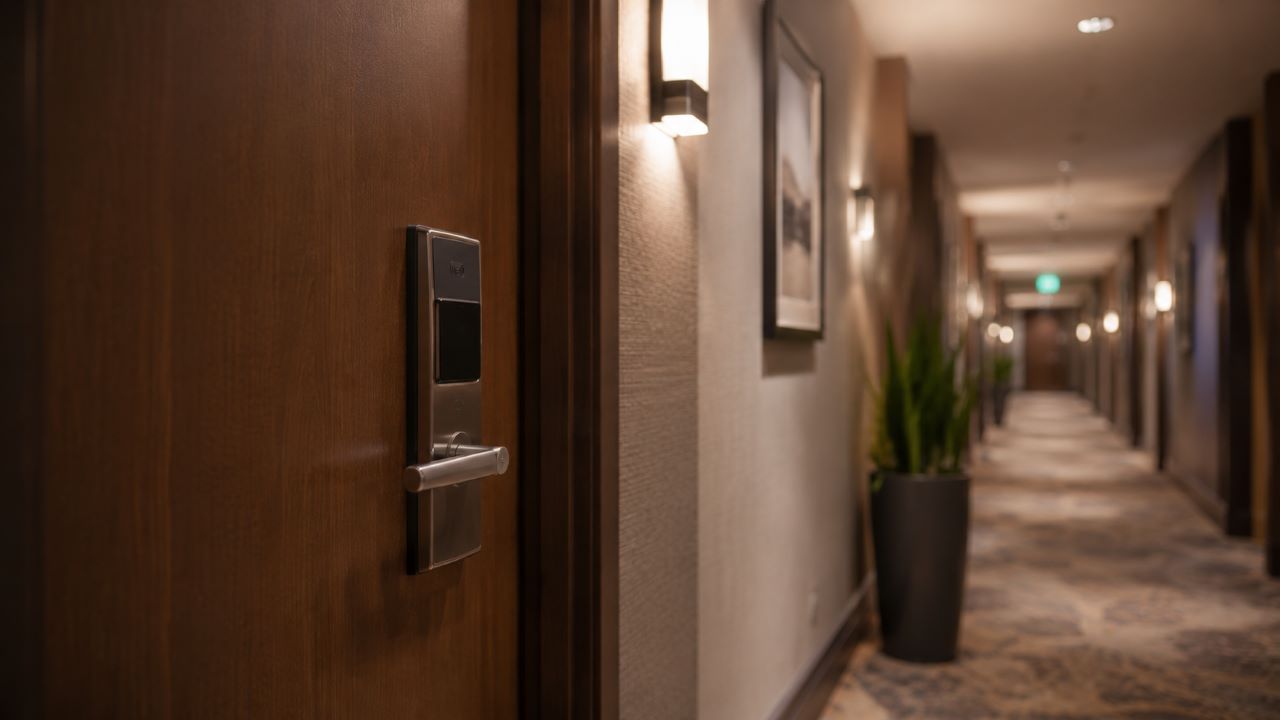
Key-card records, room-entry logs, surveillance footage, complaint histories, and staffing records can become important evidence in a Florida hotel sexual assault case.
What evidence matters most in a Florida hotel sexual assault case?
The strongest evidence is often the evidence the hotel controls.
| Evidence source | Why it matters |
|---|---|
| Surveillance footage | May show access points, hallway movement, parking-lot activity, or the survivor's condition afterward. |
| Key-card and room-entry logs | May show who accessed a room and when. |
| Incident reports and security logs | May show prior complaints, staff response, or known safety issues. |
| Staffing and contractor records | May matter if the perpetrator was an employee, vendor, or worker with property access. |
| Maintenance records | May show broken locks, cameras, gates, lighting, or door systems. |
| Medical and forensic records | May document injury, timing, trauma, and treatment needs. |
Useful evidence may include:
- surveillance footage from hallways, elevators, lobbies, stairwells, parking areas, and entrances
- key-card access records and room-entry logs
- incident reports and security logs
- prior guest complaints or internal safety reports
- staffing schedules and employee access records
- maintenance records for locks, cameras, gates, or lighting
- witness statements from guests, staff, or responding officers
- medical records and forensic exam records
- photographs of the room, locks, hallway, entrance points, or unsafe conditions
- messages, calls, and written timelines created soon after the incident
In many hotel cases, evidence preservation has to happen quickly. Video may be overwritten. Access logs may be lost. Staff memories may change. Internal reports may never be offered voluntarily without legal pressure.
What should you do after a sexual assault at a hotel?
If you are safe enough to act, the most important steps usually include:
1. Get to a safe place
Leave the room or area if you can do so safely. Call 911 if you are in immediate danger.
2. Seek medical care and ask about a FORENSIC EXAM if appropriate
Medical care protects health and may also preserve important evidence.
3. Preserve the room and scene if possible
Do not clean, rearrange, or discard physical items that may matter. Photograph locks, doors, hallways, lighting, entry points, or anything unsafe if you can do so safely.
4. Save all hotel and phone records
Preserve reservation records, room numbers, key-card issues, call logs, messages, screenshots, and names of staff or witnesses.
5. Report the incident carefully, but do not sign releases
A hotel may ask for a statement or incident report. Do not sign releases, accept vouchers, or agree to a quick private resolution without legal advice.
6. Talk to a lawyer early
An attorney can move quickly to preserve video, access logs, staffing records, and other evidence before the hotel changes or loses it.
Can a hotel be liable even if there was no criminal conviction?
Yes, potentially.
A civil case is separate from a criminal case and uses a lower burden of proof. The question in civil court is not whether the state proved guilt beyond a reasonable doubt. The question is whether the evidence shows it is more likely than not that the defendant or institution caused or contributed to the harm.
That distinction matters in hotel sexual assault cases because institutional negligence can still be proven even when criminal proceedings are limited, delayed, or unresolved.
WHAT COMPENSATION MAY BE AVAILABLE IN A HOTEL SEXUAL ASSAULT LAWSUIT?
Potential damages may include:
Medical expenses
Emergency care, testing, treatment, medications, and forensic medical costs.
Mental health treatment
Therapy, psychiatric care, trauma counseling, medication management, and future PTSD-related treatment.
Lost wages and reduced earning capacity
Missed work, interrupted travel, reduced hours, job change, or longer-term loss of earning ability.
Pain and suffering
Emotional distress, humiliation, anxiety, depression, panic, fear, flashbacks, and loss of enjoyment of life.
Functional life disruption
Sleep problems, travel avoidance, relationship harm, relocation, security changes, and loss of independence.
Out-of-pocket losses
Transportation, lodging changes, relocation costs, added safety expenses, and other practical losses tied to the assault.
PUNITIVE DAMAGES IN THE RIGHT CASE
In especially serious circumstances, punitive damages may be explored where the evidence supports especially wrongful conduct.
FAQs About Hotel Sexual Assault Lawsuits in Florida
Can I sue a hotel after a sexual assault in Florida?
Potentially, yes. A hotel may face civil liability if poor security, unsafe access, ignored warnings, or other institutional failures helped create the danger.
What if the perpetrator was another guest and not a hotel employee?
The hotel may still be liable if it failed to provide reasonable security or ignored foreseeable risks.
What if a hotel employee used a key or entered the room?
That may significantly strengthen claims involving negligent hiring, supervision, key control, and room-access safety.
What evidence matters most in a hotel sexual assault case?
Surveillance footage, key-card records, incident reports, staff records, prior complaints, witness statements, medical records, and forensic evidence may all matter.
Can a hotel be liable if the assault happened in a parking lot or hallway?
Potentially, yes. Liability may still exist if the area was under the hotel's control and the assault was tied to poor lighting, surveillance, staffing, or other security failures.
Does a civil case require a criminal conviction first?
No. A civil case is separate and can still move forward even if there was no conviction.
WHAT DAMAGES MAY BE AVAILABLE IN A HOTEL SEXUAL ASSAULT LAWSUIT?
Potential damages may include medical care, therapy, lost income, emotional distress, pain and suffering, functional life disruption, and related losses.
Should I talk to a lawyer before accepting anything from the hotel?
Yes. A quick payment, voucher, or release may narrow the case before the full evidence and damages picture is understood.
How Armando Personal Injury Law can help
When our firm evaluates a Florida hotel sexual assault case, we look at more than the assault itself. We examine who had room or property access, what the hotel controlled, what warnings existed, what security failed, what records still exist, and how the assault changed the survivor's life.
That may include fast evidence preservation, key-card and surveillance analysis, staffing and complaint review, negligent-security investigation, and damages development designed to reflect the full trauma impact.
Talk to a Florida hotel sexual assault lawyer confidentially
If you were sexually assaulted at a hotel in Florida, Armando Personal Injury Law can review what happened in a private, supportive consultation and help you understand whether the hotel or other parties may share responsibility, what evidence may still exist, and what next steps may help protect your claim.
Call (813) 482-0355 or contact us online for a free, confidential case review.

About the Author
Attorney Armando Edmiston is the founding attorney of Armando Personal Injury Law in Tampa and St. Pete, Florida. A U.S. Marine veteran and Hillsborough County native, he represents injured people and families in serious injury cases, including car accidents, truck accidents, motorcycle accidents, wrongful death, negligent security, premises liability, and nursing home abuse and neglect claims. Armando earned a B.S. in Biology from the University of South Florida and a J.D., cum laude, from Nova Southeastern University. He is also one of only six lawyers in Florida listed with the ACS Forensic Lawyer-Scientist designation.
Disclaimer: This page provides general information and is not legal advice for your specific situation. Every case depends on its facts, available evidence, and applicable deadlines.