Florida Motorcycle Accident Lawyer
Legal Help After a Serious Motorcycle Accident in Florida
Florida motorcycle accident claims are different from standard car accident cases. Riders are usually outside Florida's no-fault PIP system, insurers often try to shift blame onto the rider, and the injuries are often severe enough to involve long-term medical care, lost income, and major pain and suffering damages. A strong claim depends on fast evidence preservation, early insurance analysis, and a clear strategy for proving who caused the crash.
A serious motorcycle crash can change everything in seconds. One careless lane change, left turn, or failure to yield can leave a rider facing emergency treatment, surgery, rehabilitation, time away from work, and immediate pressure from insurance companies looking for ways to reduce the claim. When that happens, the legal case has to be built quickly and carefully.
At Armando Personal Injury Law, we help injured riders and families across Florida investigate motorcycle crashes, identify available insurance coverage, document severe injuries, and push back against insurance tactics designed to devalue valid claims. While we handle motorcycle injury claims across Florida, Armando Personal Injury Law is rooted in Tampa Bay and understands the insurer tactics, roadway risks, and serious injury issues riders face throughout this region. If your crash happened in Tampa Bay, you can also review our Tampa motorcycle accident lawyer page or St. Petersburg motorcycle accident attorney page for more local guidance.
Free Consultation
►► Insurance Companies Don't Scare Us! ◄◄
Why Florida Motorcycle Accident Claims Are Different From Standard Car Accident Cases
Motorcycle accident claims are often harder than car accident claims for four main reasons: riders are usually outside the standard no-fault system, insurers often rely on anti-rider bias, the injuries are often more serious, and there may be multiple insurance issues that affect how the case is valued and pursued.
Excluded Standard for Riders
Comparative Fault Florida Rule
Coverage Layers May Apply
Injuries Common Outcome
Motorcycle Riders Are Usually Outside Florida's PIP System
Many riders do not have the same immediate no-fault medical payment path that people in passenger vehicles often expect after a crash. That means medical bills can start piling up right away.
Without the usual PIP structure, the legal strategy often has to focus early on liability, available bodily injury coverage, uninsured or underinsured motorist coverage, umbrella coverage, and any commercial policies that may apply.
Insurers Often Try To Blame The Rider
Motorcycle cases are especially vulnerable to bias. Insurance companies may argue that the rider was speeding, weaving, following too closely, or taking unnecessary risks even when the real cause of the crash was a driver who failed to yield, changed lanes without looking, or turned left across the rider's path.
That matters even more under Florida's modified comparative negligence rule. If the insurer can push the rider's share of fault too high, it can dramatically reduce or even eliminate recovery. In a motorcycle case, that makes early evidence development critical.
Motorcycle Injuries Are Often More Severe
Riders do not have the same physical protection as people inside passenger vehicles. Even at relatively moderate speeds, a motorcycle crash can cause traumatic brain injuries, spinal injuries, fractures, orthopedic trauma, internal injuries, severe abrasions, disfigurement, and permanent impairment.
Because the injuries are often more serious, the case value is often driven by long-term damages, future care, and loss of earning capacity, not just the first round of medical bills.
Coverage Questions Can Make These Cases Harder
In some motorcycle cases, fault is only half the battle. The other half is identifying where recovery may actually come from.
Depending on the facts, coverage may involve the at-fault driver's bodily injury liability policy, uninsured or underinsured motorist coverage, an umbrella policy, employer-related coverage, commercial coverage, or another applicable policy layer. That is one reason a serious motorcycle injury claim needs careful insurance analysis from the beginning.
"From the moment we engaged with Armando Personal Injury Law, we were met with unparalleled expertise and compassion. Our family was engulfed in a tragic situation, a wrongful death motorcycle accident in 2023 that left us with more questions than answers. My sister, a vibrant spirit and an avid motorcycle enthusiast, had left us prematurely, leaving behind her minor child. The team at Armando Personal Injury Law immediately took on our case with utmost dedication. Their in-depth understanding of personal injury law and their commitment to uncovering the truth stood out from the start. They delved into the case, leaving no stone unturned. Where others had failed, Armando Personal Injury Law succeeded. They found coverage that no one else was able to identify, a testament to their meticulous nature and profound knowledge of the law. This was not just about financial recovery, but about justice and closure for our family. Their assistance didn't stop at courtroom doors. They offered emotional support and guidance that helped our family navigate through this challenging time. The firm's compassion and understanding of our situation made us feel more like family than clients. They took the time to explain every step of the process to us, ensuring that we understood the proceedings and were comfortable with the decisions being made. We can't bring back our loved one, but Armando Personal Injury Law has played an instrumental role in helping us heal and move forward. For anyone seeking a law firm that is not only highly skilled but also genuinely cares for their clients, we highly recommend Armando Personal Injury Law. Their expertise and dedication are unmatched."— Lee L. Actual client. Results may vary; each case is different.
►► Pay Nothing Unless We Win Your Case! ◄◄
What To Do After A Motorcycle Accident In Florida
The first priority is your health, but the steps you take in the first hours and days after a crash can also affect the strength of your case.
-
1Get Medical Care ImmediatelyGet medical care as soon as possible. Motorcycle injuries are not always fully understood at the scene. Head trauma, internal bleeding, orthopedic injuries, and spinal problems can worsen quickly.
-
2Report the Crash and Preserve the FactsReport the crash and preserve the basic facts. If law enforcement responds, keep track of the report information. If you can do so safely, preserve photos of the scene, the motorcycle, the other vehicle, visible injuries, lane positions, debris, skid marks, and road conditions.
-
3Do Not Guess When Talking to InsurersA recorded statement given too early can lock you into an incomplete description of the crash or your injuries before the facts are clear.
-
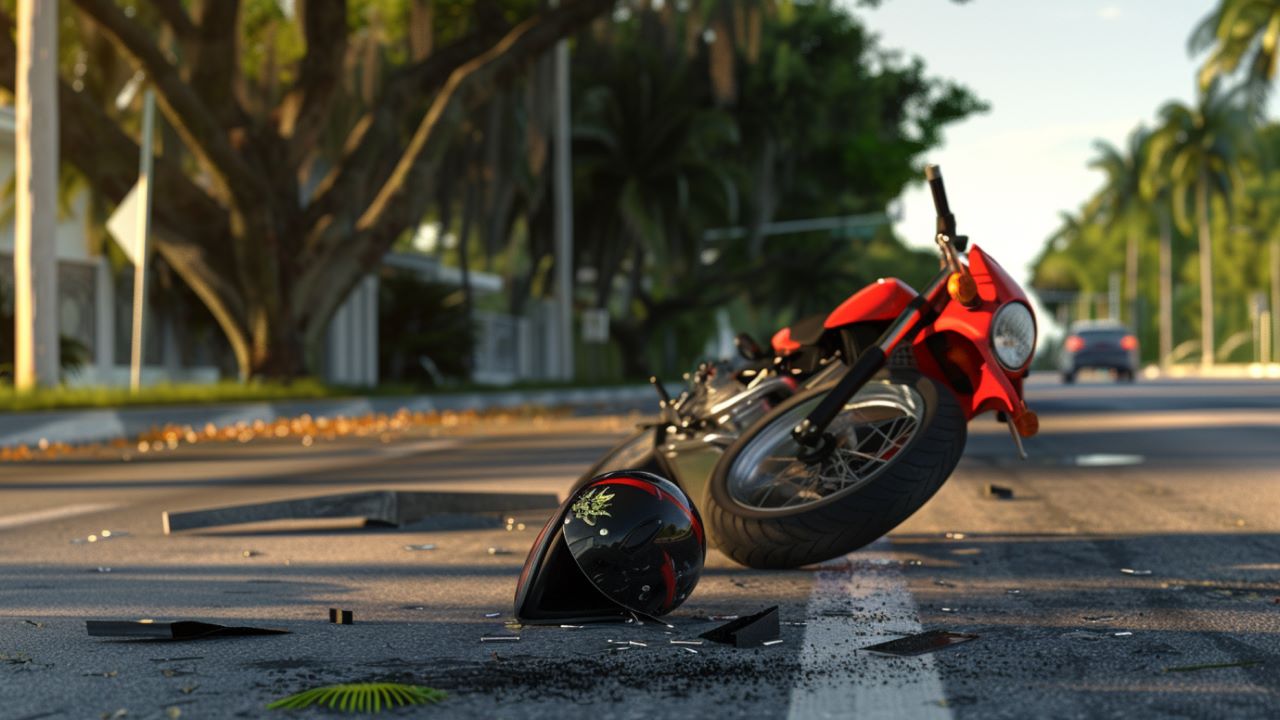
4Preserve the Motorcycle and Your Riding GearHelmet damage, clothing damage, and the condition of the bike can all matter in proving impact, force, visibility, and injury mechanism.
-
5Talk With a Lawyer Before Accepting a Quick SettlementEarly offers often come before the medical picture is complete and before all possible insurance coverage has been identified.
Injured in a Florida motorcycle crash? Talk with our team before giving any recorded statement.
Get Legal Advice NowWhat Causes Most Florida Motorcycle Crashes?
Most motorcycle crashes are not random. They usually happen because a driver fails to see the rider, misjudges the rider's speed, or violates the rider's right of way.
- ► Left-turn collisions at intersections
- ► Unsafe lane changes and blind-spot crashes
- ► Rear-end collisions
- ► Distracted driving
- ► Impaired driving
- ► Failure to yield when merging or entering traffic
- ► Commercial vehicle negligence
- ► Road hazards such as uneven pavement, debris, poor maintenance, or unsafe work zones
Who Can Be Liable For A Motorcycle Crash?
The driver who hit the rider is not always the only liable party. Depending on the facts, liability may also involve an employer, a commercial vehicle owner, a company that put a driver on the road, a vehicle owner who negligently entrusted the vehicle, a rideshare-related policy, or in some cases a governmental entity or contractor responsible for a dangerous road condition.
Identifying every potentially liable party matters because motorcycle injuries are often severe, and one policy may not come close to covering the rider's losses. A strong case asks not only who caused the crash, but also what evidence proves it and what insurance or assets may stand behind that negligence.
Florida Roads Raise the Risk
Florida's traffic mix can make these risks worse. Tourist traffic, heavy urban corridors, fast-changing roadway conditions, and congestion around major cities can all increase the danger for riders.
"I cannot express the gratitude that I have for Armando and the staff at the office. I was in an auto accident with a commercial vehicle back in August 2018. I was scared and in pain when I reached out to Armando for help. This was a very long journey and they have been there for me every step of the way. I appreciate that they put my health above everything and always made sure I was OK. Communication has always been very clear and so helpful. I highly recommend Armando and his staff for any personal injury needs you may have."— Terri K. Actual client. Results may vary; each case is different.
Don't let an insurer define the value of your claim before you know the full picture.
Find Out If You Have A Case"Armando and his staff are incredible. Very professional and attentive. Any time I had questions or concerns about my case (which was quite often) they were happy to answer and give me peace of mind. If I ever have a need for an attorney in the future I will always use and recommend Armando."— Matt C. Actual client. Results may vary; each case is different.
How We Investigate And Build Florida Motorcycle Accident Cases
Motorcycle cases are often won or lost on evidence. Insurance companies may try to frame the rider as reckless before the full story is known. That is why the investigation has to begin early.
- ✓ Reviewing the crash report for initial fault findings and witness information
- ✓ Locating and interviewing witnesses before memories fade
- ✓ Preserving motorcycle damage and vehicle damage
- ✓ Obtaining surveillance footage, traffic camera footage, or nearby business video
- ✓ Documenting the scene, lane markings, debris field, skid marks, and visibility conditions
- ✓ Analyzing whether distraction, impairment, fatigue, or commercial driving activity played a role
- ✓ Preserving helmet and protective-gear evidence
- ✓ Building the medical record around diagnosis, treatment, prognosis, permanent impairment, and future care needs
The medical side matters just as much as the liability side. In serious motorcycle injury cases, the claim has to show the full human and financial impact of the crash, including surgery, rehabilitation, chronic pain, physical limitations, neurological symptoms, missed work, loss of earning capacity, and the long-term cost of recovery.
What Compensation Can You Recover After A Florida Motorcycle Accident?
The value of a Florida motorcycle accident case depends on the severity of the injuries, the available insurance coverage, the strength of the liability evidence, and whether the insurer can reduce the claim by shifting fault onto the rider. In serious cases, compensation may include both economic and noneconomic damages. In fatal crashes, wrongful death damages may also apply.
- ► Past and future medical expenses
- ► Lost wages
- ► Loss of earning capacity
- ► Pain and suffering
- ► Disability and permanent impairment
- ► Scarring or disfigurement
- ► Rehabilitation and future care costs
- ► Wrongful death damages where applicable
The right case strategy depends on more than the injury itself. It also depends on proving fault clearly, identifying all available coverage, and building damages in a way that an insurer, judge, or jury can understand.
Motorcycle Case Results
$1,250,000 Wrongful Death Motorcycle Accident $250,000 Rear-End Motorcycle Accident $150,000 Cut Off Motorcycle Accident $100,000 Motorcycle Rider Cut Off — Neck & Back Injuries $100,000 Motorcyclist Rear-Ended — Broken LegPast results do not guarantee a similar outcome. Each case is different.
"My husband was rear ended by a commercial vehicle in Tampa, Florida. Within a day Armando was at our kitchen table listening to our story and explaining what could happen. He helped coordinate my husband's care, set up doctor consults, initiated the claim all while thoroughly explaining what the next step was. Armando and his team were able to get maximum recovery available without having to go to court! Armando is very personable and available. He'd answer my worried, over thinking texts at 9pm. He's a great lawyer and someone you'd enjoy having at your family gathering — a true people's person."— Kellie N. Actual client. Results may vary; each case is different.
What Can Hurt The Value Of A Motorcycle Accident Claim?
Even when another driver caused the crash, several issues can reduce the value of a motorcycle accident claim.
⚠ Comparative Fault Allegations
Comparative fault allegations against the rider
⚠ Gaps in Treatment
Gaps in medical treatment
⚠ Delayed Evaluation
Delayed evaluation of head, spine, or orthopedic injuries
⚠ Incomplete Documentation
Incomplete documentation of future damages
⚠ Missing Evidence
Missing or destroyed evidence
⚠ Limited Coverage
Limited insurance coverage
⚠ Social Media Activity
Social media activity used out of context
⚠ Early Settlements
Early settlements signed before the full impact of the injuries is known
Because Florida uses modified comparative negligence, these issues can have a major effect on the value of the case. Early mistakes can give the insurer an opening to undervalue or deny a valid claim.
Find Out If You Have A Case►► Schedule Your Free Injury Consultation Today! ◄◄
Florida Motorcycle Laws That Can Affect Your Claim
Is Lane Splitting Legal In Florida?
No. Florida law prohibits a motorcycle operator from riding between lanes of traffic or between adjacent lines or rows of vehicles, and also prohibits overtaking and passing in the same lane occupied by the vehicle being overtaken.
In injury claims, insurers often raise lane-splitting allegations as part of a comparative fault defense, which is one reason the crash facts need to be documented carefully and early.
You can review Florida's motorcycle operation rules here: Florida Statutes §316.209 (Motorcycles and mopeds)
Do Motorcycle Riders Have To Wear Helmets In Florida?
Florida does not require every adult rider to wear a helmet, but the exception has conditions. A person over 21 may operate or ride on a motorcycle without protective headgear only if covered by an insurance policy providing at least $10,000 in medical benefits for crash injuries.
Even when riding without a helmet is legal, it can still become an issue in a serious injury case. Insurance companies may argue that the choice affected the severity of certain injuries, especially in claims involving head trauma.
You can review Florida's helmet law here: Florida Statutes §316.211 (Motorcycle equipment and helmets)
How Long Do You Have To File A Florida Motorcycle Accident Lawsuit?
In many Florida motorcycle accident cases, the deadline is two years, but important exceptions can apply depending on the type of claim, the defendant, and the facts involved.
That is one reason it is risky to wait too long to get legal advice after a serious crash. Evidence can disappear, witnesses can become harder to locate, and delays can damage the strength of the claim even before a filing deadline is reached.
When A Florida Motorcycle Crash Causes Fatal Injuries
Fatal motorcycle crashes leave families facing grief, unanswered questions, and immediate financial pressure. A wrongful death claim may allow eligible survivors and the estate to pursue damages tied to the loss, depending on the family relationship and the facts of the case.
These cases also require fast evidence preservation. Vehicle damage, scene evidence, witness statements, video footage, cell phone evidence, commercial-driver records, and reconstruction analysis can all be critical in proving fault and protecting the family's claim.
Act Quickly After a Fatal Crash
Fatal motorcycle crash cases require fast action. Evidence that can prove fault and protect the family's claim can disappear quickly. If you've lost a family member in a motorcycle crash, contact our team as soon as possible.
Frequently Asked Questions About Florida Motorcycle Accident Claims
Who Pays My Medical Bills After A Florida Motorcycle Accident?
That depends on the coverage available. Because motorcycle riders are usually outside Florida's standard PIP system, early payment issues may involve health insurance, medical payments coverage if available, bodily injury coverage, uninsured or underinsured motorist coverage, or other applicable insurance sources.
What If The Driver Who Hit Me Has No Insurance?
Uninsured or underinsured motorist coverage may become critical in that situation. Depending on the facts, there may also be other insurance layers to investigate, including umbrella or commercial coverage.
Can I Still Recover Compensation If The Insurer Says I Was Partly At Fault?
Possibly. Florida uses modified comparative negligence in many negligence actions. Your recovery may be reduced by your percentage of fault, and in some cases a high enough percentage of fault can prevent recovery altogether.
What Evidence Matters Most In A Motorcycle Accident Case?
The most useful evidence often includes the crash report, witness statements, scene photos, motorcycle and vehicle damage, surveillance footage, helmet evidence, and medical records that show the full extent of the injuries.
Can A Motorcycle Passenger Bring An Injury Claim In Florida?
In many cases, yes. A passenger may have a claim against the at-fault driver, another negligent party, or both, depending on how the crash happened and what insurance is available.
Do I Need A Lawyer Before Giving A Recorded Statement To The Insurance Company?
It is usually wise to get legal advice first. A recorded statement given too early can create problems if the medical picture is incomplete or the insurer is already building a comparative-fault argument against the rider.
Why Riders Call Our Firm After A Serious Crash
Motorcycle injury claims often involve rider-bias defenses, severe orthopedic or neurological injuries, and immediate pressure over medical bills and coverage. We focus on proving fault clearly, documenting the full extent of the injuries, and identifying every available insurance layer before the insurer defines the case on its terms.
For additional motorcycle safety guidance, you can visit National Highway Traffic Safety Administration (Motorcycle Safety).
"Armando was been persistent from the moment I talked to him after my son and I were in an awful car accident. Armando made all my fears start to melt away. 2 years later, justice was served! I couldn't be happier with my lawyer and how he handled my case."— Rae R. Actual client. Results may vary; each case is different.
Talk With A Florida Motorcycle Accident Lawyer Today
Motorcycle accident claims often turn on fast action. Evidence can disappear, insurance companies can lock in a blame narrative early, and severe injuries may require long-term medical proof before the full value of the case is clear.
Armando Personal Injury Law helps injured riders and families across Florida investigate motorcycle crashes, identify available insurance coverage, document severe injuries, and build claims that reflect the real impact of the collision. If you were hurt in a Florida motorcycle wreck, contact us to discuss what happened, what coverage may apply, and what steps can help protect your claim now.
Let Armando Be Your Voice For JusticeFree Consultation
"I got into a car accident where I was a passenger. It was not a high-speed accident but I still suffered significant back and neck injuries. I was referred to Armando by my mother. He had represented her on a slip and fall which had to be litigated. I called Armando and he met with me at a time and location that was convenient for me. He was easy to work with, helped me report the claim and get medical help. It took 11 months to get through the process but I'm glad I called Armando and I'm very happy I did. We settled my case for a very fair amount."— Fabian B. Actual client. Results may vary; each case is different.
About the Author
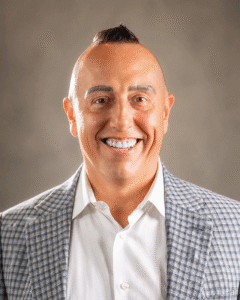
Attorney Armando Edmiston is the founding attorney of Armando Personal Injury Law in Tampa and St. Pete, Florida. A U.S. Marine veteran and Hillsborough County native, he represents injured people and families in serious injury cases, including car accidents, truck accidents, motorcycle accidents, wrongful death, negligent security, premises liability, and nursing home abuse and neglect claims. Armando earned a B.S. in Biology from the University of South Florida and a J.D., cum laude, from Nova Southeastern University. He is also one of only six lawyers in Florida listed with the ACS Forensic Lawyer-Scientist designation.