
When a Minor Uses Uber or Lyft and Faces Sexual Assault in Florida
When a child or teenager uses Uber or Lyft and is sexually assaulted, the case often involves more than the assault alone. It may also involve a driver accepting or continuing a ride that should never have happened, failures in safety rules, unsafe drop-off decisions, ignored warning signs, poor reporting systems, negligent retention, or third-party failures at the destination.
These cases are especially serious because a minor is more vulnerable from the start. A child may be unable to protect themselves, unable to recognize grooming behavior, unable to leave safely, or unable to explain what happened right away. The emotional and developmental fallout may also be broader and longer-lasting than in an ordinary injury claim.
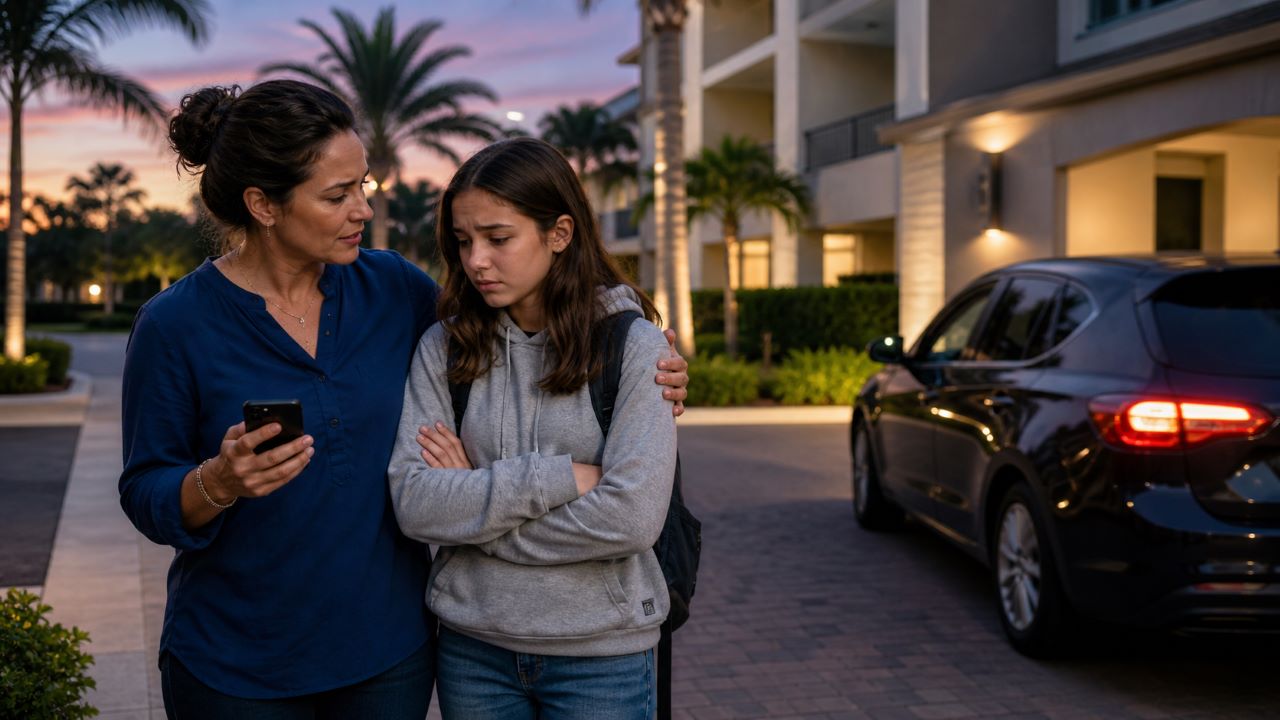
When a minor is sexually assaulted during or in connection with an Uber or Lyft ride, the case may involve both rideshare liability and broader safety failures.
At Armando Personal Injury Law, we approach these cases with urgency, discretion, and respect. When a rideshare-related sexual assault involves a minor, one of the most important early questions is not just what happened, but who allowed the danger to develop and what evidence can still prove it.
Florida minor rideshare sexual assault claims: quick answer
If a minor used Uber or Lyft in Florida and was sexually assaulted during or in connection with that ride, a civil claim may exist against the driver and, depending on the facts, against Uber, Lyft, or other responsible parties. These cases may involve company policies about minor riders, negligent screening, ignored warning signs, unsafe drop-off decisions, poor reporting response, third-party property liability, and the long-term harm to the child.
Why a rideshare sexual assault case involving a minor is different
A case involving a minor is different because the legal and factual issues are often broader from the start.
- a child or teenager riding alone in violation of platform rules or expectations
- a driver knowingly accepting a minor rider
- a minor who is vulnerable because of age, intoxication, confusion, isolation, or fear
- destination-based risks involving a hotel, apartment, party, event, or waiting predator
- delayed disclosure because the child was scared, ashamed, threatened, or confused
- developmental, educational, and family impact that may last well beyond the initial assault
A strong claim has to account for both liability and the unique ways trauma affects children and teenagers.
| Issue | Why it matters in a minor case |
|---|---|
| Driver accepted a minor rider | May help show policy violations, foreseeability, or poor safety enforcement. |
| Minor was especially vulnerable | May strengthen arguments about access, control, and preventable risk. |
| Unsafe drop-off or destination | May raise third-party liability or negligent security issues. |
| Delayed disclosure | Common in child-trauma cases and does not automatically weaken credibility. |
| Long-term developmental impact | May make damages broader and more complex than in an adult case. |
Can Uber or Lyft be liable if a minor used the platform?
Potentially, yes.
A rideshare company may argue that the child should not have been using the app or that the ride violated platform rules. But that does not automatically end the case. In the right facts, a plaintiff may still argue that the company failed in screening, retention, supervision, safety-tool design, complaint handling, or response to known risks.
The presence of a no-minors policy does not automatically protect the company. If drivers still accepted minor riders, if warning signs were ignored, or if the company’s safety systems failed to address a foreseeable risk, broader claims may still exist.
What does not automatically defeat a minor rideshare assault claim?
The following facts may be used as defenses, but they do not automatically end the case:
- the platform had a no-minors rule
- the child created or used an account anyway
- the driver claimed not to know the rider was underage
- the assault happened after drop-off instead of inside the vehicle
- a parent did not know the child used the rideshare service
Those facts may be part of the case, but they do not answer whether the driver should have recognized the rider was underage, whether the company’s safeguards were meaningful, or whether other failures helped create the danger.
Why a no-minors policy does not automatically end the case
A rideshare company may try to use its policy as a shield by saying minors are not allowed to ride alone. But a written policy does not prove that the policy was enforced or that the company acted reasonably.
Who may be liable when a minor is sexually assaulted in connection with an Uber or Lyft ride?
More than one party may be responsible depending on the facts.
The driver
If the driver committed the assault, enabled it, ignored obvious vulnerability, or knowingly transported the child into danger, the driver may face direct civil liability.
Uber or Lyft
A company may face broader claims if the facts support negligent screening, negligent retention, negligent supervision, poor safety-tool implementation, ignored complaints, or other operational failures.
Third parties
In some cases, the ride is only one part of the event. A hotel, apartment complex, party host, event venue, bar, club, or other property owner may also be implicated if the assault happened at or because of an unsafe location.
Other adults who enabled the risk
Depending on the facts, other adults may also matter if they arranged the ride, directed the child to an unsafe destination, or knowingly facilitated exploitation.
How these assaults may happen in minor rideshare cases
There is no single pattern, but several recurring fact patterns may appear.
The driver commits the assault during the ride
The child is isolated in the vehicle with an adult driver and cannot safely leave or protect themselves.
The driver targets or grooms the minor during the trip
The driver may use conversation, route changes, secrecy, pressure, or manipulation to build toward the assault.
The driver delivers the minor into danger
A child may be dropped off at a location where a predator is waiting, or where the destination itself is unsafe and foreseeable harm follows.
The ride ends, but the assault remains tied to the trip
The app may show the ride as complete, but the assault may still grow directly out of the access and control created by the ride.
The child is left in an isolated or unsafe area
Unsafe drop-off decisions may matter even if the assault was carried out by someone other than the driver.
What evidence matters most in a rideshare sexual assault case involving a minor?
The strongest evidence often involves both digital proof and family-centered timeline proof.
| Evidence source | Why it matters in a minor case |
|---|---|
| Trip receipts and route history | May show how the ride started, where it went, and whether the trip changed in suspicious ways. |
| Driver profile, app messages, and call records | May help show access, grooming behavior, pressure, or post-trip contact. |
| Screenshots from the child’s or parent’s phone | May preserve details before the account view changes. |
| Surveillance footage | May capture pickup, drop-off, destination contact, distress, or third-party involvement. |
| Medical and forensic records | May document injury, timing, trauma, and treatment needs. |
| School, counseling, and behavior records | May help show developmental, educational, and emotional impact over time. |
| Family and witness timelines | May help explain delayed disclosure, fragmented reporting, and continuity of events. |
Useful evidence may include:
- trip receipts and route history
- driver profile information
- timestamps and stop history
- in-app messages and call records
- screenshots from the child’s or parent’s phone
- surveillance footage from pickup, drop-off, or destination locations
- medical and forensic records
- school attendance or behavior records
- counseling and psychiatric records
- witness statements from friends, teachers, family members, or venue staff
- written timelines showing when the child left, where the ride went, and what happened next
In many minor cases, the timeline becomes especially important because disclosure may be delayed or fragmented.
Does delayed disclosure hurt the case?
Not automatically.
Children and teenagers may delay disclosure for many reasons. They may be frightened, ashamed, threatened, confused, or unsure how to describe what happened. Some may only share part of the story at first.
That does not automatically undermine the case. In fact, delayed or partial disclosure can be a normal trauma response. A strong case looks at the full context, not just whether the child reported everything immediately.
What damages may be available when a minor is sexually assaulted in connection with an Uber or Lyft ride?
Damages in a minor case may be broader and harder to measure early.
Potential damages may include:
- emergency and follow-up medical care
- sexual assault forensic exam costs
- therapy and long-term counseling
- psychiatric care and medication management
- school disruption or educational support needs
- emotional distress and pain and suffering
- developmental impact and loss of normal childhood experiences
- family-related support needs and practical costs
- future care in serious cases
A strong damages presentation should reflect not only what happened immediately, but how the assault may continue to affect the child over time.
What if the assault happened after the ride technically ended?
That does not automatically break the connection to the ride.
If the trip gave the driver or another wrongdoer access to the child, placed the child in a dangerous location, or created the conditions that led directly to the assault, the company may still argue that the ride ended while the plaintiff may argue that the assault remained closely tied to the ride.
Timing matters, but continuity matters more.
What if the assault happened at a hotel, apartment, party, or other property?
That may add another layer to the case.
A rideshare sexual assault involving a minor can overlap with negligent security or premises liability if the child was delivered to an unsafe destination or assaulted in a location with poor security, poor supervision, or known dangers.
That does not replace the rideshare analysis. It may expand the list of responsible parties.
What should parents or guardians do right away?
If the child is safe enough for next steps, early action can make a major difference.
1. Get the child to safety and seek medical care
Medical care protects health and may help document important evidence.
2. Ask about a sexual assault forensic exam if appropriate
A forensic exam may help preserve time-sensitive evidence even if the family is not ready to make every legal decision immediately.
3. Preserve the ride information
Save the receipt, route details, driver profile, messages, and any follow-up communication from Uber or Lyft.
4. Write down the timeline
Document when the child left, who requested the ride, where the ride went, what the child disclosed, and what happened afterward.
5. Identify likely witnesses and cameras
Think about pickup points, drop-off locations, nearby businesses, friends, schools, apartment complexes, hotels, and doorbell cameras.
6. Avoid quick statements or releases
Do not give recorded statements or sign anything from a platform, insurer, or defense representative without legal review.
7. Talk to a lawyer early
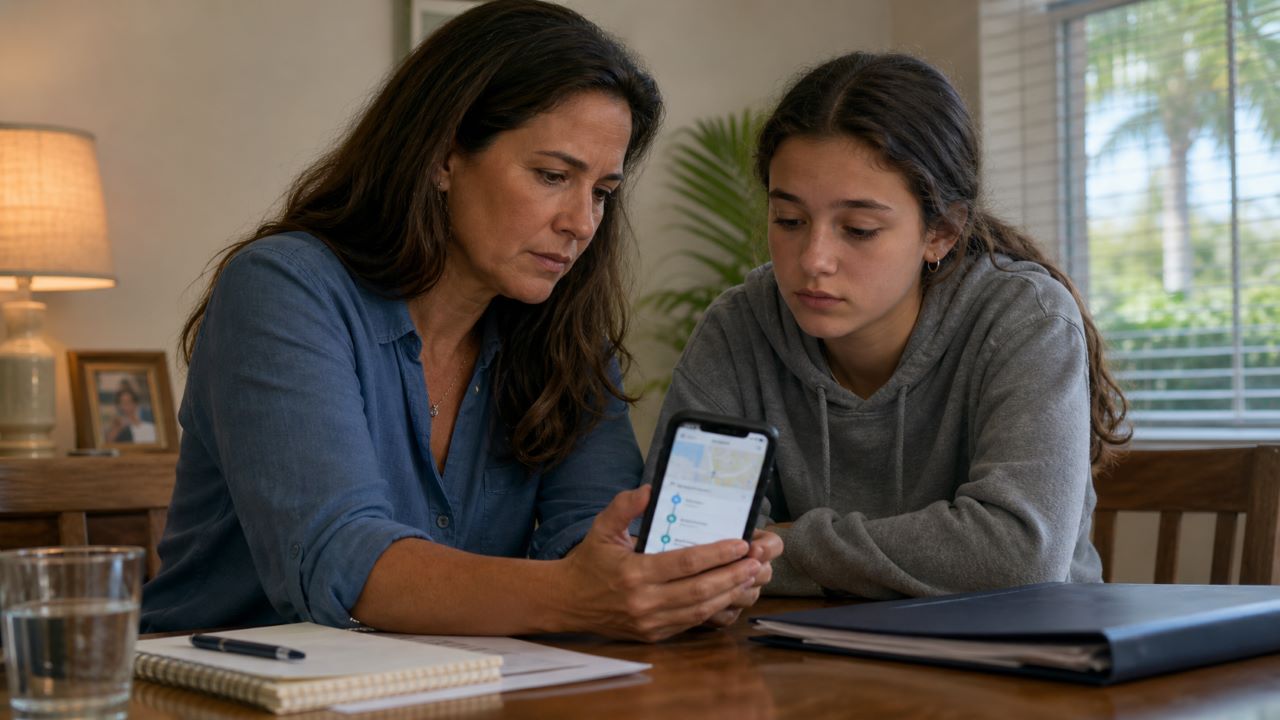
Trip records, messages, timelines, and phone screenshots may become important evidence in a minor rideshare assault case.
An attorney can help preserve records, identify all possible defendants, and evaluate both the rideshare and third-party liability aspects of the case.
FAQs About Minor Rideshare Sexual Assault Cases in Florida
Can Uber or Lyft still be liable if the rider was under 18?
Potentially, yes. A minor’s use of the platform does not automatically shield the company if the facts support broader failures in screening, retention, supervision, safety systems, or response.
Does a no-minors policy defeat the case?
No, not automatically. A written rule does not prove it was enforced or that the company acted reasonably under the facts.
What if the driver says they did not know the rider was underage?
That may be disputed. The surrounding facts, the child’s appearance, the communications, and the overall circumstances may all matter.
What if the assault happened after drop-off or at another location?
That does not automatically end the claim. The ride may still be legally important if it created the access, opportunity, or unsafe situation that led to the assault.
Can a hotel, apartment complex, or other property owner also be liable?
Potentially, yes. If the assault happened at or because of an unsafe property or poor security, a third-party liability claim may also exist.
Does delayed disclosure hurt the case?
Not automatically. Delayed disclosure can be a normal trauma response in child sexual assault cases.
What damages may be available in a minor case?
Potential damages may include medical care, counseling, psychiatric treatment, school-related losses, emotional distress, developmental impact, and future support needs.
Should parents talk to a lawyer even if they are still trying to understand what happened?
Yes. Early legal guidance may help preserve evidence and protect the child’s claim while the facts are still being gathered.
How Armando Personal Injury Law can help
When our firm evaluates a Florida rideshare sexual assault case involving a minor, we focus on more than the platform alone. We look at how the ride began, who accepted the child, where the child was taken, what evidence still exists, whether third-party liability may be involved, and how the trauma may affect the child over time.
These cases require careful evidence work, disciplined legal framing, and a serious understanding of how child trauma can affect disclosure, treatment, and damages.
Talk to a Florida rideshare sexual assault lawyer confidentially
If a child or teenager was sexually assaulted during or in connection with an Uber or Lyft ride in Florida, the most important next step may be protecting the evidence, understanding who may be responsible, and avoiding early decisions that narrow the child’s claim before the full facts are known.
Armando Personal Injury Law can review what happened in a private, supportive consultation and help your family understand what evidence may still exist, how the ride, destination, and surrounding facts may connect, and what next steps may help protect the child’s claim.
Call (813) 482-0355 or contact us online for a free, confidential case review.

About the Author
Attorney Armando Edmiston is the founding attorney of Armando Personal Injury Law in Tampa and St. Pete, Florida. A U.S. Marine veteran and Hillsborough County native, he represents injured people and families in serious injury cases, including car accidents, truck accidents, motorcycle accidents, wrongful death, negligent security, premises liability, and nursing home abuse and neglect claims. Armando earned a B.S. in Biology from the University of South Florida and a J.D., cum laude, from Nova Southeastern University. He is also one of only six lawyers in Florida listed with the ACS Forensic Lawyer-Scientist designation.
Disclaimer: This page provides general information and is not legal advice for your specific situation. Every case depends on its facts, available evidence, and applicable deadlines.