How Uber and Lyft Safety Features Can Affect a Sexual Assault Claim in Florida
If you were sexually assaulted during or closely connected to an Uber or Lyft ride in Florida, the company’s safety features may become part of the case. These tools can matter not only because of what they were designed to do, but because of what riders were led to expect, how clearly the features were explained, how well they were implemented, and what happened when a survivor tried to use them.
A rideshare company may point to app-based safety tools as evidence that it took rider protection seriously. But the existence of a feature does not automatically end the legal analysis. In the right case, the real question is whether those tools were meaningful, available, understood, followed by an appropriate response, and reasonably capable of reducing a known risk.
At Armando Personal Injury Law, we approach these cases with urgency, discretion, and respect. When safety features are part of the story, the key issue is often not just whether a tool existed, but whether it actually helped protect the rider or changed the risk in any meaningful way.

App-based safety tools and reporting features may become important evidence in a Florida rideshare sexual assault claim.
Florida rideshare safety features and sexual assault claims: quick answer
Uber and Lyft safety features can affect a sexual assault claim in Florida because they may shape what riders were told to expect, what the company knew about safety risks, how complaints were reported, and whether the company acted reasonably in light of known dangers. A safety feature can help a company’s defense, but it can also create evidence about foreseeability, response failures, misleading safety messaging, or inadequate implementation.
Why safety features matter in an Uber or Lyft sexual assault case
In a rideshare sexual assault case, safety tools may matter for more than one reason.
- whether the company recognized the risk of sexual assault as a real and recurring issue
- whether the company represented the platform as safer than it actually was
- whether a rider had realistic access to emergency help or reporting options
- whether the company followed through once a complaint or alert was made
- whether the company used safety tools in a way that actually reduced risk
That means a feature is not legally important only when it works. It may also become important when it fails, is hard to use, is poorly explained, or gives a rider a false sense of security.
| Safety issue | Why it may matter in a civil claim |
|---|---|
| Emergency or 911 features | May affect whether the company provided meaningful access to urgent help. |
| In-app reporting tools | May matter if reporting was confusing, delayed, ignored, or poorly documented. |
| Route monitoring or ride-sharing tools | May matter if unusual stops, detours, or prolonged trips were not flagged or addressed. |
| Identity and trip-verification tools | May affect how the company addresses driver access, impersonation, or rider confusion. |
| Safety messaging inside the app | May shape rider expectations and arguments about misleading safety representations. |
What kinds of rideshare safety features may matter?
The exact tools may vary over time, but the features that often matter in a sexual assault claim may include:
- emergency assistance or 911-related features
- in-app reporting tools
- trip-sharing features
- route monitoring or check-in prompts
- driver identity verification measures
- rider support escalation systems
- complaint handling and follow-up systems
- safety education or warnings presented to riders
A company may rely on these features as part of its defense. A survivor may also rely on the same features to show that the company recognized a serious risk and did not do enough to reduce it.
Can a safety feature actually help prove a claim?
Yes, potentially.
A safety feature may help support a claim when it shows that the company:
- knew riders faced a real risk of sexual assault or isolation
- chose specific tools because that risk was foreseeable
- told riders those tools offered protection or support
- failed to implement the tools meaningfully
- failed to respond appropriately when a rider used them
- created a gap between safety messaging and actual safety practices
In other words, a safety feature can be relevant not only as a shield for the company, but also as evidence of what the company knew and what it should reasonably have done.
When safety features may support a company’s defense
A rideshare company may argue that its safety features show it acted responsibly.
For example, the company may argue that:
- riders had access to reporting tools
- emergency help features were available in the app
- route-sharing or check-in options existed
- complaint systems were in place
- the company provided warnings, education, or follow-up channels
Those arguments may matter, but they are not the end of the story. The stronger question is whether those tools were realistic, understandable, accessible in the moment, and followed by a meaningful response.
When safety features may support the survivor’s side of the case
Safety features may also strengthen a claim when they expose a gap between what the company promised and what happened in practice.
That may happen if:
- the feature existed but was hard to find or hard to use under stress
- the tool did not trigger a timely response
- the rider tried to report the issue but the company’s process was inadequate
- the company had reason to improve the tool but failed to do so
- the feature made riders believe they were safer than they really were
- the company used safety branding while still failing at screening, retention, supervision, or follow-up
The existence of a tool can help prove that the risk was foreseeable. What matters next is whether the company treated that risk seriously enough.
What does not automatically prove the company acted reasonably?
A rideshare company may point to the existence of a safety feature and argue that the issue ends there. It does not.
The following facts do not automatically prove the company acted reasonably:
- the app contained an emergency or reporting feature
- the rider could theoretically access help through the platform
- a complaint system existed on paper
- a safety message appeared somewhere in the app
- the company promoted rider protection tools in marketing or support materials
Those facts may still matter, but they do not answer whether the tool was meaningful, understandable, available in the moment, followed by a real response, or reasonably capable of reducing the risk under real-world conditions.
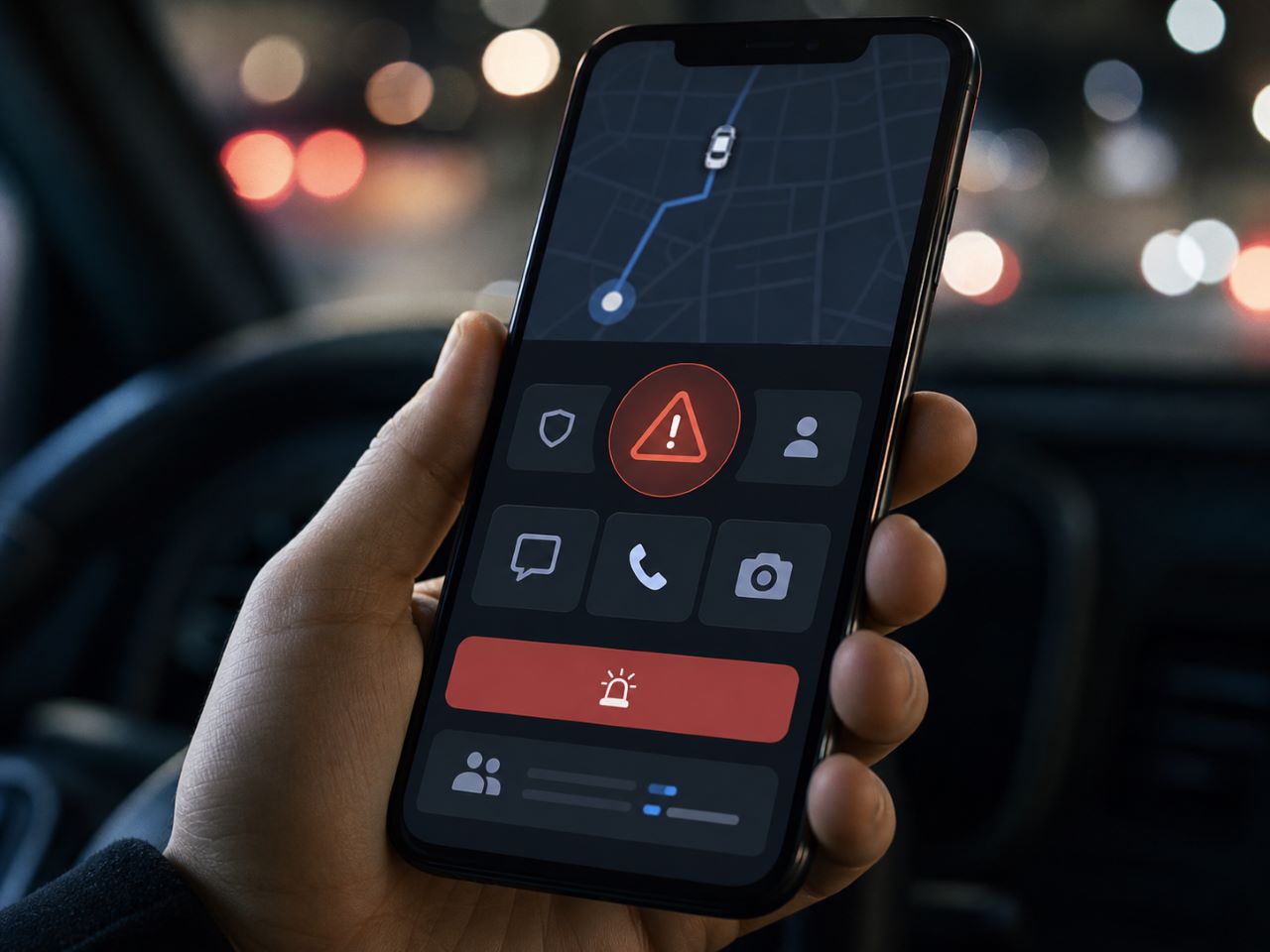
Screenshots, reporting records, and app-based safety prompts may help show what a rider saw and how the company responded.
How Lyft-specific and Uber-specific safety tools may affect the case
The legal question is usually not which brand had the better marketing. It is whether the company’s actual tools, reporting flow, and follow-up practices were reasonable under the circumstances.
In Lyft cases, publicly reported reforms tied to prior litigation have included stronger promotion of its Alert 911 Silently feature, easier access to 24/7 live reporting, and updated training and conduct standards. In the right case, those issues may matter because they speak to what Lyft knew, what riders were led to expect, and whether the company improved its safety response in a meaningful way.
In Uber cases, safety messaging, app-based rider protections, route-related records, complaint handling, and prior-report issues may also become part of the liability analysis. The page-specific details may differ, but the broader legal themes are similar: foreseeability, implementation, response, and whether riders were protected in a meaningful way.
What evidence matters when safety features are part of the claim?
If safety tools or reporting systems are part of the case, useful evidence may include:
- screenshots of what the app showed during or after the ride
- records of any emergency or reporting feature used
- timestamps for reports or alerts
- app messages and follow-up communications
- complaint submissions and case numbers
- route history and trip data
- internal response records if they become available in litigation
- marketing or safety-language shown to riders
- witness testimony about what the rider tried to do in the moment
This evidence may help show whether the feature existed, how it appeared to the rider, whether it was used, and what happened after it was used.
What if the rider did not use a safety feature in the moment?
That does not automatically hurt the case.
A survivor may not use a safety feature for many reasons. They may not have known it existed. They may have been scared, intoxicated, underage, frozen, disoriented, threatened, or unable to use a phone safely. A feature that only works if a calm and fully informed rider can find and use it in real time may still be vulnerable to criticism.
The legal question is not simply whether the feature was available in theory. It is whether the company’s safety system was meaningful under real-world conditions.
What if the rider used a reporting or emergency tool and the response was weak?
That may be highly relevant.
If a survivor used an in-app reporting tool, emergency feature, or other safety channel and the company’s response was delayed, inadequate, dismissive, poorly documented, or disconnected from meaningful follow-up, that may strengthen the claim.
In the right case, weak response evidence may support arguments about inadequate safety systems, poor complaint handling, negligent retention, or broader failure-to-act theories.
Can safety features create a false sense of security?
Potentially, yes.
That issue may matter when a rideshare company markets app-based protections in a way that leads riders to believe the platform is safer than it really is. If the safety message was stronger than the actual protection, that gap may become relevant to liability, reliance, and reasonable rider expectations.
A feature does not have to be fake to be legally significant. It may still matter if the tool sounded more protective than it was in practice.
Does this replace other liability theories?
No.
Safety-feature issues usually do not replace claims involving negligent screening, negligent retention, negligent supervision, prior complaints, poor follow-up, or failures in evidence preservation. Instead, they may add another layer to the case.
A strong claim may involve both company-level safety-tool issues and broader operational failures.
What should you do if safety tools or reporting features may be part of the case?
If you are safe enough to act, try to preserve anything that shows what the app displayed and what happened when the rider tried to get help.
1. Screenshot the app and any ride-related screens
Capture the trip receipt, driver profile, route history, messages, and any safety or reporting screens you can still access.
2. Preserve any confirmation emails, case numbers, or follow-up responses
These records may help show that a report was made and how the company responded.
3. Write down what the rider saw and tried to do
A short timeline can help preserve whether the rider saw a safety feature, tried to use it, could not find it, or used it without meaningful help.
4. Preserve phone records and screenshots
Phone logs, texts, and screenshots may help confirm timing and what was visible in the moment.
5. Talk to a lawyer early
An attorney can help identify what records may still exist, what app-based evidence should be preserved, and how safety-tool issues may fit into a broader liability theory.
FAQs About Uber and Lyft Safety Features in Sexual Assault Cases
Can Uber or Lyft safety features affect a sexual assault lawsuit?
Yes, potentially. Safety features may affect foreseeability, rider expectations, complaint handling, and whether the company acted reasonably in response to known risks.
What if the app had a safety feature but it did not prevent the assault?
That may still matter. The existence of a tool does not automatically protect the company if the feature was not meaningful, was poorly implemented, or was followed by an inadequate response.
What if the rider did not use a safety feature in the moment?
That does not automatically defeat the claim. A survivor may have been unable to find, understand, or safely use the feature under the circumstances.
Can safety messaging create a false sense of security?
Potentially, yes. If the company’s safety messaging was stronger than the actual protection the rider received, that gap may matter in the case.
What evidence should be saved if safety tools are part of the issue?
Save screenshots, app messages, trip records, route history, case numbers, confirmation emails, and any follow-up communications tied to the report or safety feature.
Does this only matter in Lyft cases because of reported reforms?
No. Lyft-specific reporting tools and reforms may be relevant in some cases, but safety-tool issues may matter in both Uber and Lyft claims.
Do safety-feature issues replace negligent hiring or negligent retention claims?
No. They may add to the case, but they do not replace other liability theories involving screening, retention, supervision, or complaint handling.
Should I still talk to a lawyer if the company says the app had safety features?
Yes. The presence of safety tools does not answer whether the company acted reasonably or whether those tools actually reduced the risk in your case.
How Armando Personal Injury Law can help
When our firm evaluates a Florida Uber or Lyft sexual assault case, we look closely at what the platform showed the rider, what safety tools were available, whether a report was made, how the company responded, and whether there was a meaningful gap between safety messaging and actual protection.
That may include reviewing screenshots, trip records, route history, reporting records, internal response issues, and the broader liability theories that fit the case. Safety tools can become important evidence, but only if the story behind them is documented clearly.
Talk to a FLORIDA RIDESHARE SEXUAL ASSAULT LAWYER confidentially
If safety features, reporting tools, or app-based protections may be part of your Uber or Lyft sexual assault case, the most important next step may be preserving what the rider saw, what was used, and how the company responded.
Armando Personal Injury Law can review what happened in a private, supportive consultation and help you understand what screenshots, reports, timestamps, follow-up records, and app-based evidence may still exist, how those tools may affect liability, and what next steps may help protect your claim.
Call (813) 482-0355 or contact us online for a free, confidential case review.

About the Author
Attorney Armando Edmiston is the founding attorney of Armando Personal Injury Law in Tampa and St. Pete, Florida. A U.S. Marine veteran and Hillsborough County native, he represents injured people and families in serious injury cases, including car accidents, truck accidents, motorcycle accidents, wrongful death, negligent security, premises liability, and nursing home abuse and neglect claims. Armando earned a B.S. in Biology from the University of South Florida and a J.D., cum laude, from Nova Southeastern University. He is also one of only six lawyers in Florida listed with the ACS Forensic Lawyer-Scientist designation.
Disclaimer: This page provides general information and is not legal advice for your specific situation. Every case depends on its facts, available evidence, and applicable deadlines.