Florida Car Accident Lawyer
A serious car accident can leave you dealing with pain, medical treatment, lost income, vehicle damage, and insurance companies that are already looking for ways to limit what they pay. In Florida, those problems are made more complicated by a legal system that works differently than many people expect. Crash claims here often involve no-fault rules, Personal Injury Protection (PIP), strict treatment deadlines, serious injury threshold issues, comparative fault arguments, and coverage disputes involving uninsured drivers, rental cars, rideshare vehicles, delivery drivers, and commercial policies.
Under Florida law, PIP generally requires initial services and care within 14 days after the accident, and whether there is an emergency medical condition determination can affect whether benefits are available up to $10,000 or limited to $2,500. Florida law also uses a tort threshold that affects when pain and suffering damages may be pursued in many motor vehicle cases.
At Armando Personal Injury Law, we represent crash victims across Florida and help them navigate both sides of the case: the immediate insurance issues and the larger injury claim. That means identifying all available coverage, preserving the evidence that matters, documenting injuries correctly, and building the case for the full compensation Florida law allows.
If your crash happened in one of the Florida cities we serve directly, you can also visit our Tampa car accident lawyer or St. Petersburg car accident attorney pages for city-specific guidance.
Free Consultation
What Makes Florida Car Accident Claims Different?
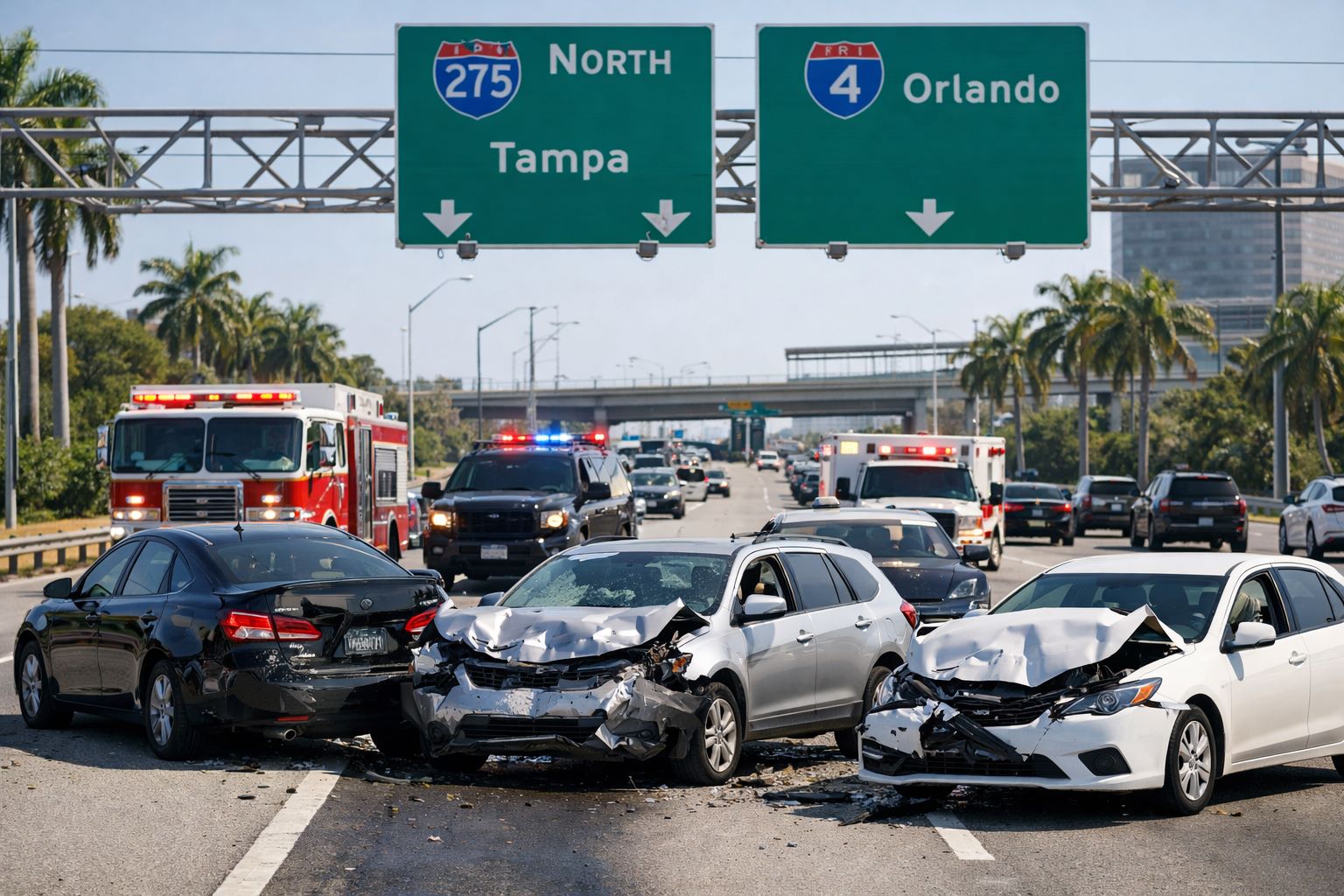
Florida car accident claims work differently than many other states because the first payment layer usually starts with your own PIP coverage, regardless of fault. Under Florida Statute 627.736, qualifying policies must provide PIP benefits, but those benefits are limited and governed by strict rules, including the requirement that initial services and care be received within 14 days after the accident. The statute also distinguishes between claims with and without an emergency medical condition determination, which can affect whether medical benefits are available up to $10,000 or limited to $2,500.
That does not mean the at-fault driver is off the hook. In many Florida crashes, once the injuries and damages support it, an injured person may pursue a liability claim beyond PIP. But in many auto cases, pain and suffering and other non-economic damages generally require a qualifying injury under Florida's tort threshold, such as permanent injury, significant and permanent scarring or disfigurement, significant and permanent loss of an important bodily function, or death. Florida also uses modified comparative negligence in covered negligence actions, meaning fault allocation can reduce recovery, and a claimant found more than 50 percent at fault may be barred from recovering damages.
"Armando was wonderful and always kept me updated about my claim. It was the best decision I made to go to him. I would recommend him to any one in need of his services."
— Bina
Actual client. Results may vary; each case is different.
Local Car Accident Lawyers
What to Do After a Car Accident in Florida to Protect Your Claim
Get medical care quickly
Do not wait to see if it gets better. In Florida, missing the 14-day treatment requirement can jeopardize PIP benefits. Prompt evaluation also creates the medical record that insurers later scrutinize.
Make sure the crash is documented
If law enforcement responds, preserve the report information. If they do not, document the scene yourself with photos, video, witness information, and notes about road conditions, traffic controls, vehicle positions, and visible injuries.
Be careful with insurance communications
Adjusters often want recorded statements early, before the full injury picture is clear. Broad medical authorizations can also give the insurer access to history they later try to use against the claim.
Identify every possible insurance layer
A serious Florida crash may involve multiple insurers and more than one path to compensation, especially when commercial vehicles, rideshare activity, passengers, rental vehicles, or uninsured drivers are involved. Beyond PIP, there may be bodily injury liability coverage, uninsured or underinsured motorist coverage, rideshare coverage, employer or commercial coverage, umbrella coverage, or other liability layers.
Do not settle before the medical picture is clear
Once you sign a release, the claim is usually over. Early offers are often made before imaging, specialist evaluation, future treatment needs, and long-term impairment are understood.
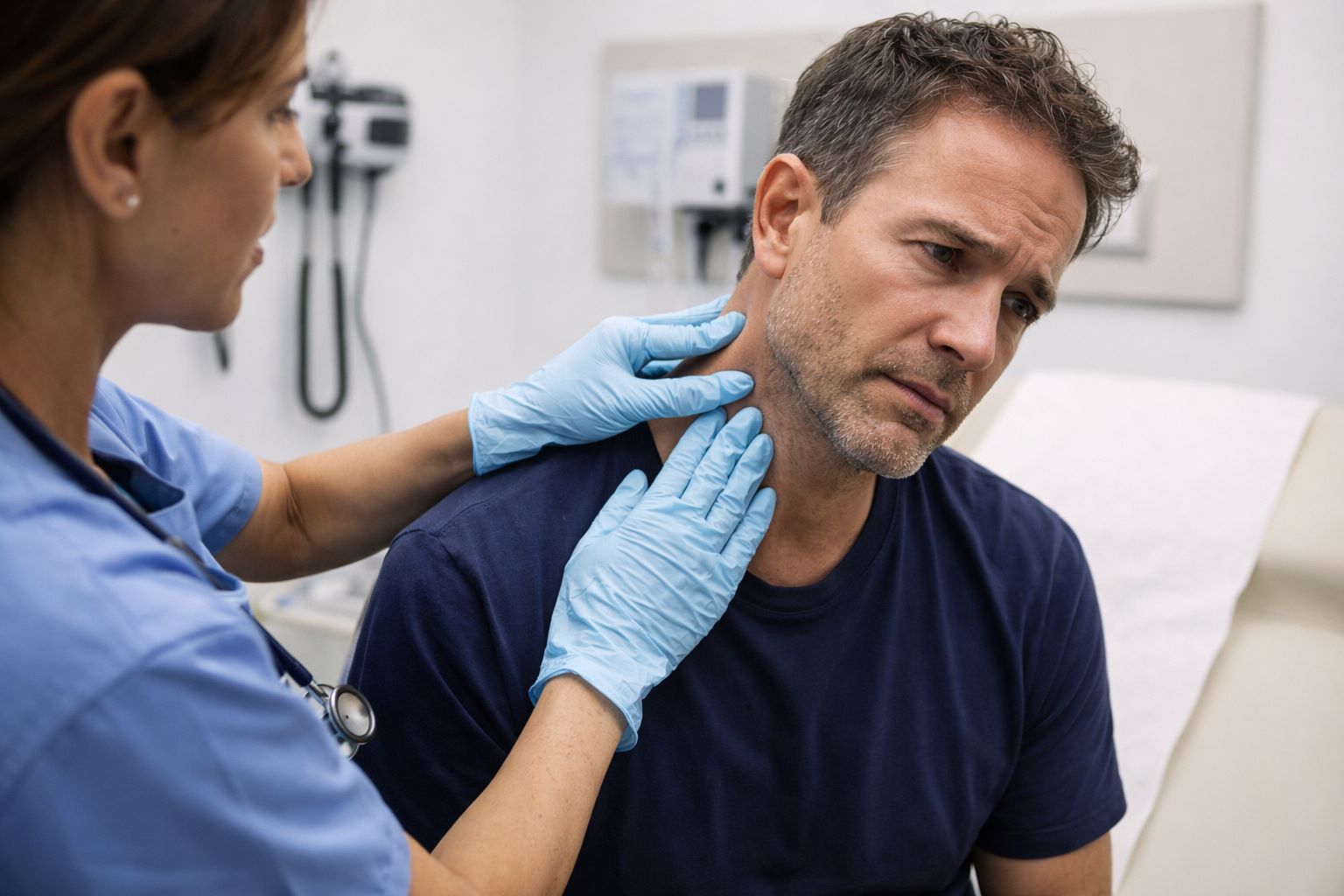
Prompt medical care can affect both recovery and how a Florida car accident claim is evaluated.
Car Accident Information
- How Can a Florida Car Accident Lawyer Help Me? ›
- Florida Car Accident Laws ›
- How Car Accident Compensation Works in Florida ›
- How Car Accident Settlements Work in Florida ›
- PIP Claims After a Car Accident ›
- Uninsured and Underinsured Motorists ›
- How the Insurance Claims Process Works After a Car Accident ›
- How to Read Your Florida Car Accident Report ›
- What Are My Rights If I Get Hit By a Drunk Driver? ›
Common Causes of Serious Car Accidents in Florida
Florida car accidents often involve a mix of ordinary negligence and statewide traffic realities, including tourism, interstate travel, commercial traffic, and unfamiliar drivers. While every crash is different, some patterns show up repeatedly in serious injury cases.
- Distracted driving, including texting, navigation use, and in-vehicle distraction
- Speeding on interstates, expressways, and major arterials
- Impaired driving
- Unsafe lane changes and aggressive driving
- Failure to yield at intersections and during left turns
- Tourist traffic and unfamiliar drivers
- Rideshare and delivery vehicle traffic
- Rental car crashes
- Heavy seasonal and holiday traffic
- Commercial truck and van traffic
Florida Car Accident Claims Often Involve More Than One Insurance Issue
One of the biggest mistakes after a crash is assuming there is only one insurer and one claim path. In reality, serious Florida accident cases often require a full coverage analysis before the real value of the claim can be understood.
Your own PIP benefits
The at-fault driver's bodily injury coverage, if available
Uninsured or underinsured motorist coverage
Employer or commercial policies
Rideshare or delivery-platform coverage
Rental-car related coverage
Umbrella or excess coverage
Passenger-related coverage questions
Serious Injuries That Can Change the Value of a Florida Car Accident Claim
Many car crashes lead to injuries that extend far beyond the emergency room. These injuries often require deeper medical documentation, stronger evidence preservation, and more careful valuation than a minor property-damage claim.
Fractures and orthopedic trauma
Internal injuries
Severe soft tissue injuries
Permanent impairment and disability
Fatal injuries in the most severe cases
If the crash caused long-term harm, such as a brain injury, spinal cord injury, catastrophic injury, or wrongful death, contact an attorney right away to preserve evidence.
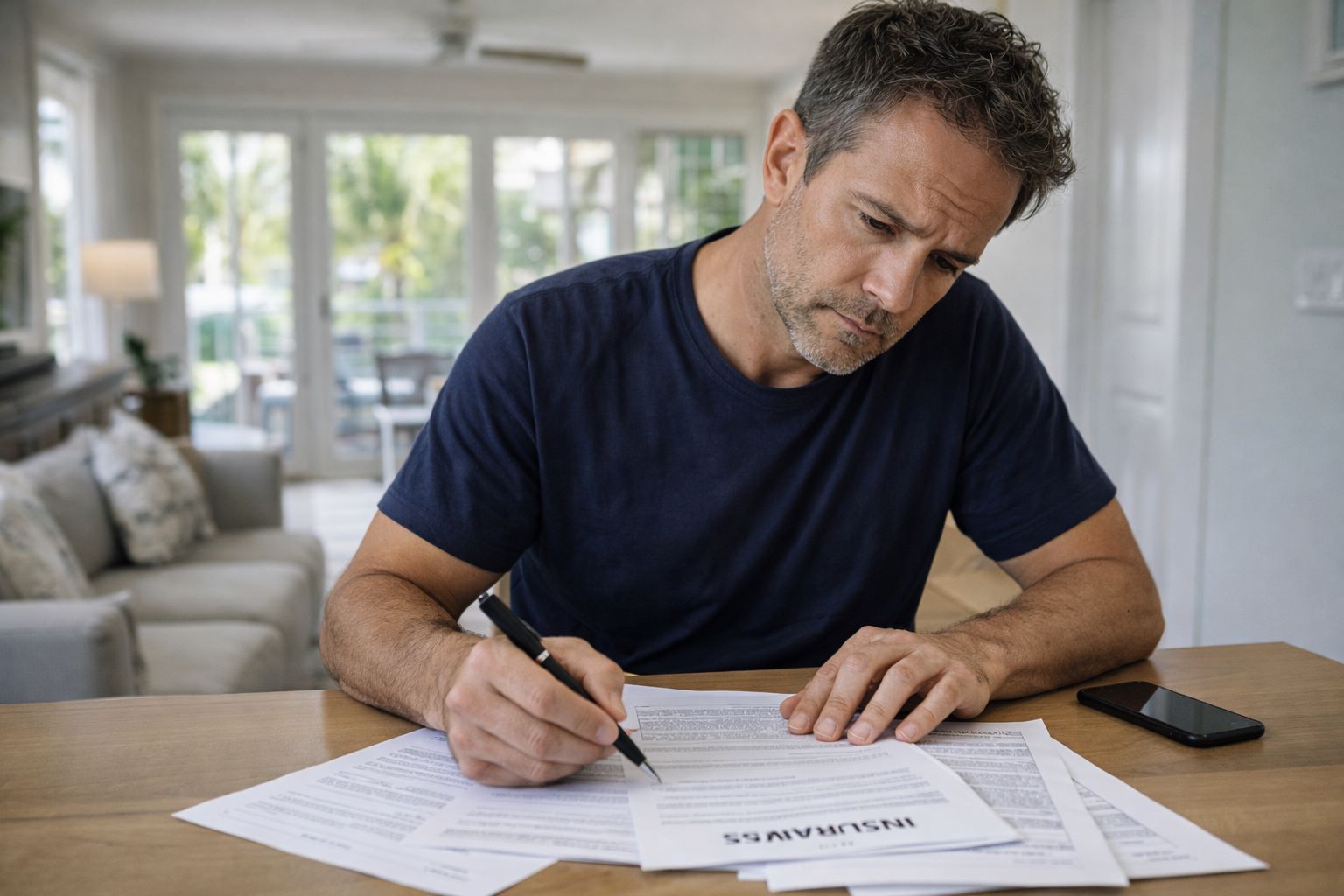
Florida car accident cases often involve insurance disputes, coverage questions, and serious injury evaluations.
"I was referred to Armando Personal Injury Law. I called and actually was able to speak directly to Armando. He made me feel comfortable and was available whenever I needed him."
— Monica
Actual client. Results may vary; each case is different.
What Compensation May Be Available After a Florida Car Accident?
The full value of a Florida car accident case depends on the severity of the injury, the available insurance, the proof of damages, and whether the claim clears Florida's legal thresholds.
Compensation You May Recover
- Medical expenses
- Hospital care, surgery, rehabilitation, medication, and future treatment
- Lost income
- Reduced earning capacity
- Pain and suffering when the legal threshold is met
- Disability, disfigurement, and long-term life impact
- Future care costs
- Wrongful death damages in fatal cases
Factors That Can Reduce Recovery
- Comparative fault allegations
- Delayed medical treatment
- Treatment gaps
- Weak documentation of permanency or long-term impairment
- Broad medical-release traps and pre-existing-condition defenses
- Unclear insurance layering
- Premature settlement
Under Florida's modified comparative negligence rule, a claimant's damages can be reduced by his or her percentage of fault, and a claimant found to be greater than 50 percent at fault may be barred from recovery in covered negligence actions.
Don't settle before the full medical picture is clear. Armando can help you understand what your case is really worth.
Talk to ArmandoHow Insurance Companies Try to Undervalue Florida Car Accident Claims
Insurance companies often try to narrow the claim before the full medical and financial picture is clear. That usually starts early, sometimes before the injured person even understands the seriousness of the injuries.
Why Florida Car Accident Claims Are Harder Than They Look
Many crash victims assume the insurance process is straightforward until they run into PIP limits, threshold disputes, coverage-layering problems, or blame-shifting defenses. Florida cases are often harder than they appear at first because the legal and insurance issues start early and can affect the claim long before a settlement discussion begins.
At Armando Personal Injury Law, we help clients investigate the crash, identify all responsible parties and insurance layers, document the injuries in a way that supports the claim, evaluate threshold and comparative-fault issues, negotiate from a position of strength, and prepare the case for litigation if necessary.
Let Armando Be Your Voice For JusticeCar Accident Claims in Florida Can Vary by City and Region
Crash claims in major Florida markets can differ based on roadway design, traffic density, tourist volume, local insurers, local evidence sources, and the types of collisions that are common in a region. If your crash happened in a city where we have a dedicated local page, use the page that best matches your case location:
"One of the most honest, no-nonsense, sincerely caring, down-to-earth, straight-to-the-point, professional lawyers I've been to, to date! He genuinely fights for those families going through heartbreaking times."— Kat D. Actual client. Results may vary; each case is different.
More Florida Car Accident Resources
Expert Articles on Florida Car Accident Claims
Frequently Asked Questions About Florida Car Accident Claims
How long do I have to file a Florida car accident lawsuit?
For most negligence-based Florida personal injury cases, the limitations period is generally two years from the date of injury, subject to exceptions and case-specific issues. Waiting also creates practical problems long before the deadline because evidence and witness memory can disappear quickly.
What is the 14-day PIP rule in Florida?
Under section 627.736, initial services and care generally must be received within 14 days after the motor vehicle accident for PIP medical benefits to be available. The statute also specifies qualifying providers and settings for initial services and care.
What is the serious injury threshold in Florida?
Florida's tort threshold generally requires a qualifying injury before a plaintiff may recover pain and suffering and other non-economic damages in many auto cases. The statute includes categories such as permanent injury, significant and permanent scarring or disfigurement, significant and permanent loss of an important bodily function, or death.
What if the other driver does not have insurance?
That makes uninsured and underinsured motorist coverage especially important. When the at-fault driver has little or no bodily injury coverage, the analysis may shift to UM/UIM and any other available liability layers.
Can I still recover damages if I was partially at fault?
Possibly. Florida uses modified comparative negligence in covered negligence actions. Recovery may be reduced by your percentage of fault, and if you are found to be greater than 50 percent at fault, recovery may be barred.
Can I still make a claim if I was a passenger?
Often, yes. Passengers may have access to PIP through their own household situation or the vehicle involved, and they may also have liability claims against the driver or drivers at fault.
Should I sign the other insurer's medical authorization?
Not without review. Broad authorizations can give insurers access to unrelated history they later use to minimize the claim.
What if I was hit by a commercial vehicle or delivery driver?
These cases can involve larger policies, faster defense response, and more complicated liability analysis. Commercial cases often require immediate, evidence-focused handling.
Will my case have to go to trial?
Most cases settle, but the file should be built as though litigation may be necessary. Trial readiness often affects leverage long before a courtroom is involved.
How much does it cost to hire a Florida car accident lawyer?
Our firm handles these cases on a contingency fee basis, which means there is no fee unless there is a recovery.
"I was referred to Armando by my mother. He was easy to work with, helped me report the claim and get medical help. It took 11 months to get through the process but I'm glad I called Armando and I'm very happy I did."
— Fabian
Actual client. Results may vary; each case is different.
Get Help From a Florida Car Accident Lawyer
Recovering from a serious crash can be overwhelming, especially when medical treatment, lost income, vehicle issues, and insurance pressure all hit at once. You do not have to sort out Florida's PIP rules, threshold issues, fault disputes, and coverage questions by yourself.
Armando Personal Injury Law represents car accident victims across Florida and helps clients navigate both the immediate insurance problem and the larger injury claim. If you were hurt in a crash, contact our office for a free consultation.
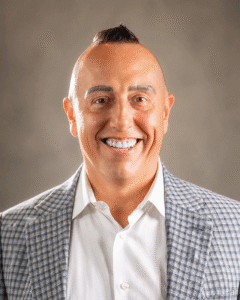
About the Author
Attorney Armando Edmiston is the founding attorney of Armando Personal Injury Law in Tampa and St. Pete, Florida. A U.S. Marine veteran and Hillsborough County native, he represents injured people and families in serious injury cases, including car accidents, truck accidents, motorcycle accidents, wrongful death, negligent security, premises liability, and nursing home abuse and neglect claims. Armando earned a B.S. in Biology from the University of South Florida and a J.D., cum laude, from Nova Southeastern University. He is also one of only six lawyers in Florida listed with the ACS Forensic Lawyer-Scientist designation.