Tampa Premises Liability Lawyer | Florida Trial Attorney
Holding Negligent Property Owners Accountable in Hillsborough County and Statewide
When you enter a business, apartment complex, hotel, parking garage, or public space in Tampa, you have a right to a reasonably safe environment. But when property owners cut corners on maintenance, staffing, or security, people get hurt — and the consequences can be devastating.
Premises liability cases aren’t “simple slip and falls.” They often involve serious injuries, missing evidence, corporate ownership structures, and insurance companies that fight hard to deny responsibility.
Armando Personal Injury Law builds premises cases like they’re going to trial. With 18+ years of experience, attorney Armando Edmiston knows how to investigate quickly, preserve evidence, and pressure negligent property owners and their insurers to pay what your case is truly worth.
Free consultation. No upfront fees. No fee unless we win.
Quick Navigation
- What premises liability means in Florida
- Who can be held responsible
- Common premises liability cases
- Florida slip-and-fall rules (what must be proven)
- Advanced liability strategies (non-delegable duty + mode of operation)
- Negligent security cases (foreseeability analysis)
- Pool, hotel, and amusement park injuries
- Evidence that wins cases
- Clinical impact of serious premises injuries
- What to do after a property injury
- FAQs
- Talk to a lawyer
What Is Premises Liability in Florida?
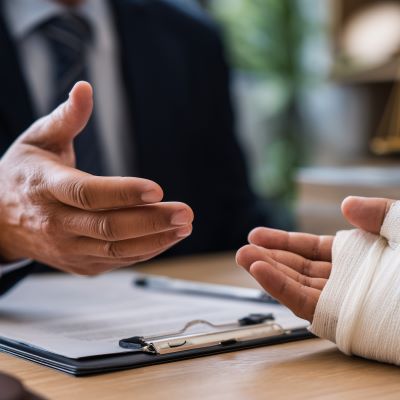 Premises liability is a legal concept that holds property owners and operators responsible when someone is injured because the property wasn’t kept reasonably safe.
A strong premises liability claim usually shows:
- A dangerous condition existed (hazard, defect, or security failure)
- The property owner knew or should have known about it
- They failed to fix it or warn people in time
- That failure caused your injuries and damages
Insurance companies often try to shift blame to the victim, claim the hazard was “open and obvious,” or argue they didn’t have enough time to address it. That’s why evidence and fast action matter.
Who Can Be Held Responsible After an Injury on Someone Else’s Property?
Premises liability cases often involve more than one defendant, including:
- Property owners (commercial or residential)
- Property management companies
- Tenants/leaseholders (depending on control of the area)
- Contractors (maintenance, cleaning, security vendors)
- Corporate owners/parent companies
- Event operators or third-party vendors
Determining who had control over the area where the injury occurred is one of the most important steps in building a case.
Visitor Status Matters in Florida Premises Claims
Florida premises liability law evaluates the duty of care based on why you were on the property.
Invitees (Highest Protection)
People invited onto a property for business purposes such as customers, tenants, or guests of a business are generally owed the highest duty, including reasonable inspections and hazard correction.
Licensees
Social guests and some other lawful visitors may be owed a duty to warn about known dangers that aren’t obvious.
Trespassers (With Important Exceptions)
Property owners have limited duties to trespassers, but special rules may apply — especially involving children and certain “attractive nuisance” hazards like unsecured pools.
Common Premises Liability Cases We Handle
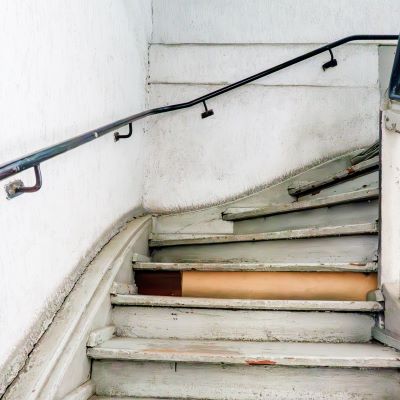 Premises cases happen in grocery stores, restaurants, bars, retail stores, malls, hotels, apartment complexes, stairwells, elevators, sidewalks, parking lots, and more.
Slip, Trip, and Fall Accidents
- Wet floors and spills
- Leaks, puddles, tracked-in rainwater
- Uneven flooring, torn carpet, loose mats
- Broken steps, defective handrails
- Poor lighting and obstructed walkways
- Potholes, cracked pavement, unsafe curbs
Negligent Security and Foreseeable Crime
Property owners can be held accountable when they fail to take reasonable steps to prevent foreseeable criminal acts, including:
- Assaults, robberies, shootings, stabbings
- Sexual assault or inadequate access control
- Parking garage attacks or apartment complex violence
Falling Merchandise or Unsafe Displays
- Overhead stock falls
- Collapsing shelves or unstable displays
- Store layout hazards that create predictable injuries
Unsafe Pools, Hotels, and Attractions
These are big enough (and searched enough) to deserve their own pillar sections — see below.
Florida Slip-and-Fall Claims: What You Must Prove
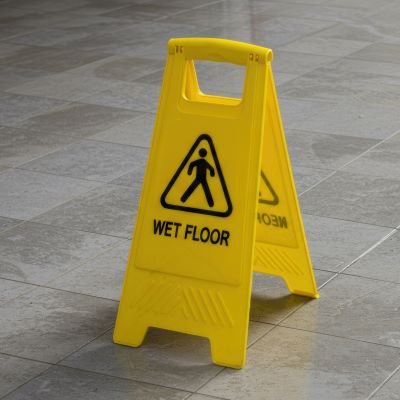 Slip-and-fall cases often turn on whether the property owner (especially a business) had actual or constructive knowledge of the hazard.
Constructive knowledge can be proven through facts like:
- The hazard existed long enough that it should have been discovered and corrected
- The hazard happened regularly enough to be foreseeable (recurring leaks, repeated tracked-in water, ongoing debris patterns)
- The condition was obvious from dirtiness, footprints, cart tracks, or dried edges
Businesses often claim:
- “We didn’t know.”
- “It just happened.”
- “You should have seen it.”
A trial-ready approach counters those defenses with video evidence, inspection logs, maintenance records, witness statements, and scene documentation.
Advanced Liability Strategies That Strengthen Premises Cases
The “Non-Delegable Duty” Doctrine (Property Owners Can’t Outsource Responsibility)
Property owners in Tampa often try to blame third-party cleaning or security contractors. But in many premises cases, the duty to keep the premises reasonably safe is non-delegable; meaning an owner (and often the operator/manager) may still be legally responsible even if a contractor caused the hazard or failed to correct it.
What this means in real cases:
- A store can’t avoid responsibility by claiming “the cleaning company missed the spill.”
- An apartment complex can’t shift blame to “outside security” after a foreseeable attack.
- A hotel can’t hide behind vendor contracts when safety systems fail.
When the defense tries to pass the buck, we pursue the parties with control, duty, and insurance coverage, and we build a case that keeps responsibility where it belongs.
Specialized Litigation: The “Mode of Operation” Rule
Some businesses create predictable hazards through how they operate — and that “mode of operation” can strengthen liability when the business setup makes a dangerous condition foreseeable.
Examples of high-risk “mode of operation” areas include:
- Self-serve drink stations and condiment bars
- Bulk produce bins and high-traffic grocery aisles
- “Grab-and-go” refrigerated sections with frequent condensation
- Warehouse-style stores with pallets, boxes, and floor merchandise
- Buffet lines and spill-prone food service layouts
Why this matters: When the business chooses an operational setup that repeatedly creates hazards, the focus shifts to whether they had realistic safety systems in place, consistent sweeps, staffing, spill response protocols, and documentation. If they didn’t, we use that failure to show the hazard wasn’t a surprise, it was a predictable outcome of how they chose to operate.
Negligent Security Claims: When Property Owners Fail to Prevent Foreseeable Crime
 Negligent security cases focus on whether the property owner took reasonable steps to protect lawful visitors from foreseeable criminal acts.
These claims often involve evidence like:
- Prior similar incidents on or near the property
- Lighting failures, broken gates, missing locks, poor access control
- Non-functioning cameras or security systems
- Understaffing or lack of trained security
- Failure to respond to known dangers or repeated complaints
These cases move fast, and so does evidence. Video gets overwritten. Records “go missing.” Witnesses disappear. That’s why early legal involvement matters.
Foreseeability Analysis: How We Prove the Risk Was Predictable
Negligent security cases are often won by proving foreseeability, that the risk of violence wasn’t random, it was predictable based on patterns and prior incidents. We investigate evidence such as:
- Prior incidents on or near the property
- Local crime trends and incident patterns in the surrounding area
- Complaints from tenants, employees, or guests
- Security failures (lighting, access control, broken gates/locks, blind spots, camera issues)
When a property has repeated crime issues, failing to improve lighting, access control, or security can be a breach of duty.
Hillsborough County Premises Hazards We See Most Often
Tampa premises cases often reflect local patterns, high-density retail zones, nightlife foot traffic, parking garages, and large multi-tenant properties.
Common local risk areas include:
- Westshore retail/office hubs: parking garages, high spill risk, fast turnover maintenance
- Ybor City nightlife corridors: foreseeable late-night risks, lighting gaps, access control failures
- Downtown garages and event zones: stairwell hazards, poor visibility, negligent security concerns
- Multi-family properties across Hillsborough County: broken handrails, poor lighting, delayed repairs, recurring hazards
Local knowledge matters because it helps identify patterns, who controls which areas, and where evidence is likely to exist (cameras, logs, vendors, prior complaints).
Pool, Hotel, and Amusement Park Injury Claims
Swimming Pool Accidents and Drownings
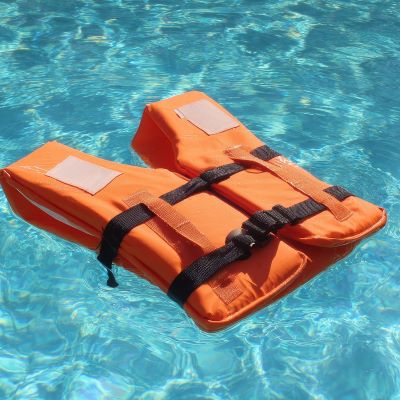 Pool incidents can happen in seconds. Premises liability pool cases often involve hotels, apartments, HOAs, and community pools — especially when safety measures are missing or ignored.
Common pool-related claims include:
- Drowning and near-drowning
- Unsecured gates, broken latches, missing barriers
- Slips and falls on unsafe pool decks
- Poor maintenance, unsafe surfaces, missing warnings
- Defective or dangerous pool equipment
Learn more:
Swimming Pool Accidents
Hotel Accidents and Injuries on Unsafe Property
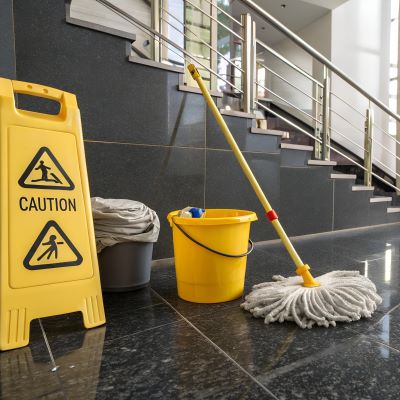 Hotels invite guests onto property for profit — meaning they must take safety seriously. Hotel injuries often involve big corporate defendants and layered insurance, making evidence preservation critical.
Common hotel claims include:
- Slips and falls in lobbies, bathrooms, stairwells, or pool areas
- Broken handrails, unsafe balconies, poor lighting
- Negligent security (unauthorized access, assaults, theft-related injuries)
- Elevator and maintenance failures
- Parking lot/garage hazards
Learn more:
Hotel Accidents
Amusement Park and Attraction Injuries
 Attractions are built for fun, but injuries can be severe when operators cut corners. These cases often require specialized evidence: ride logs, inspection records, operator protocols, surveillance footage, and incident reports.
Common attraction injury cases include:
- Ride malfunctions and inadequate maintenance
- Operator error or failure to follow safety procedures
- Unsafe walkways, trip hazards, crowd control failures
- Water attraction falls and surface hazards
- Lack of warnings for known risks or restrictions
Learn more:
Amusement Park Accidents
Evidence That Can Make or Break Your Case
In premises liability, evidence disappears quickly. The strongest cases are built fast, using proof like:
- Surveillance footage (often overwritten within days)
- Incident reports and manager notes
- Maintenance, inspection, and cleaning logs
- Prior complaints, repair requests, safety reports
- Photos/video of the hazard, lighting, signage, and injuries
- Witness statements
- Expert analysis (floor traction, lighting measurements, security standards)
If you wait too long, the other side gets to control the narrative.
Clinical Impact: Why Premises Injuries Become Long-Term Medical Cases
Premises injuries are often underestimated — especially by insurance companies. But many property injuries trigger serious clinical pathways that affect work, mobility, and long-term quality of life.
Common high-stakes injury patterns include:
- TBI / concussion protocols: falls can cause head trauma even without obvious external injuries; symptoms may worsen days later (dizziness, brain fog, memory issues).
- Orthopedic surgical intervention: hip fractures, ankle fractures, wrist fractures, and complex injuries can require surgery, hardware placement, and extended rehab.
- Spinal injuries and disc trauma: herniations and nerve compression may require injections, pain management, or surgical recommendations.
- Complication risk: serious falls can lead to secondary issues like reduced mobility, deconditioning, or infection-related complications after hospitalization.
A fair case value must reflect not just the ER visit — but diagnostics, specialists, surgery likelihood, rehab, long-term limitations, and day-to-day life impact.
What Is My Premises Liability Case Worth?
Value depends on injury severity, recovery time, permanence, and the strength of liability evidence. Compensation may include:
- Medical expenses (ER, imaging, surgery, therapy, future care)
- Lost wages and reduced earning capacity
- Pain and suffering and life disruption
- Out-of-pocket costs and replacement services
- Wrongful death damages (in fatal cases)
Insurance companies rarely offer full value early, especially when they think you’re unrepresented.
What to Do After You’re Injured on Someone Else’s Property
If you can, take these steps immediately:
- Report the incident and ask for an incident report
- Get medical care (even delayed symptoms matter)
- Photograph everything: hazard, lighting, lack of signs, shoes/clothing, injuries
- Get witness info before people leave
- Preserve what you wore (don’t wash shoes/clothes yet)
- Avoid recorded statements to insurers until you get legal advice
FAQs About Premises Liability in Tampa, Florida
What is premises liability?
A legal claim that a property owner/operator failed to keep the premises reasonably safe, causing injury.
What places commonly lead to premises claims?
Grocery stores, restaurants, bars, malls, hotels, apartments, stairwells, elevators, sidewalks, parking garages, theme parks, pools, and other public/private spaces.
Do I have a claim if there was no warning sign?
Potentially, yes. Lack of warnings is important, but the bigger issue is whether the hazard should have been fixed or addressed.
What if the property owner says they didn’t know about the hazard?
That’s common. Many cases are proven through constructive knowledge, showing the condition existed long enough or happened often enough that it should have been discovered.
What if I’m partially at fault?
Comparative fault arguments can reduce recovery. Insurers often exaggerate fault to pay less. Strong evidence helps keep blame where it belongs.
Do negligent security cases require different proof?
Yes. These cases often rely on foreseeability, prior incidents, security failures, and standards for lighting, access control, and staffing.
How much does a premises liability lawyer cost?
Most cases are handled on contingency: no upfront fees, and no fee unless we win.
Talk to a Tampa Premises Liability Lawyer Today
After a serious property injury, the insurance company isn’t looking out for you. They’re looking for ways to minimize what they pay. If you were hurt in Tampa or anywhere in Florida due to unsafe property conditions, Armando Personal Injury Law is ready to investigate quickly, preserve evidence, and demand full compensation.
Free consultation. No upfront fees. No fee unless we win.
"I was recently involved in an accident, and choosing this law firm was the best decision I could have made. From the very beginning, they took care of everything: medical treatment, insurance claims, and the entire legal process. I didn’t have to worry about anything; I simply followed their instructions, and they handled every detail in a professional and efficient manner. Thanks to their work, everything was completely resolved. I highly recommend them. They are responsible, attentive, and truly care about their clients." - Yilianne D., ⭐⭐⭐⭐⭐
Actual client. Results may vary; each case is different.
About the Author
 Attorney Armando Edmiston is the founding attorney of Armando Personal Injury Law in Tampa, Florida, a law firm dedicated to helping people harmed in car, truck, motorcycle, nursing home, and other serious injury cases. A U.S. Marine Corps veteran and personal injury lawyer, Armando draws on his real-world courtroom experience and years of representing injured Floridians to write and carefully review the legal content on this website. Every guide is written in clear, straightforward language so injured people and their families can better understand their rights, and is reviewed for legal accuracy before publication.