Wesley Chapel Personal Injury Lawyer
Armando Personal Injury Law helps people injured in Wesley Chapel pursue claims after crashes, unsafe property conditions, and neglect in care facilities. We investigate who was responsible, identify insurance that may apply, and explain your options for seeking compensation.
You may be weighing an insurance offer, wondering how to pay for treatment, or trying to get answers about a parent's injury. A free consultation gives you a place to start. Call (813) 482-0355. We serve Wesley Chapel from our Tampa and St. Petersburg offices.
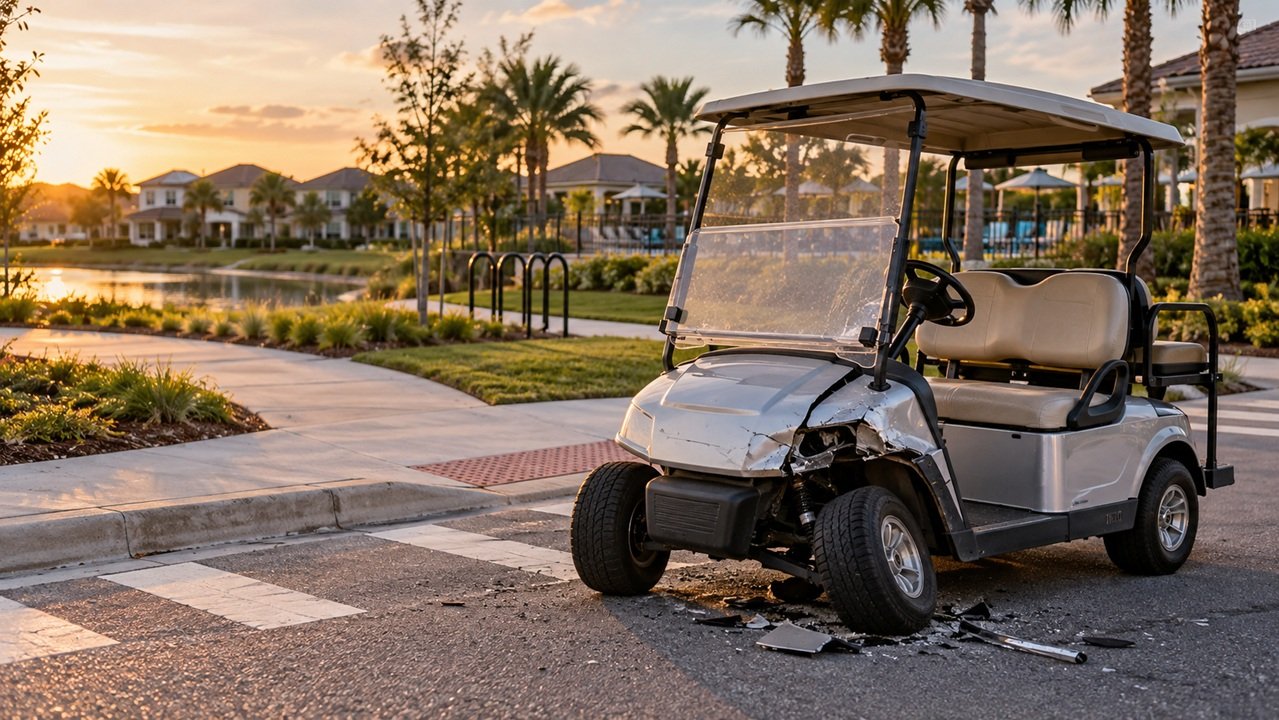
Golf carts are built for low speeds, so a collision with a car or SUV can seriously injure riders even on a quiet neighborhood street.
Help with an injury in Wesley Chapel
A crash near the I-75 and SR 56 interchange raises different questions from a fall at a neighborhood clubhouse. For the crash, the issue might be which driver had the right of way. At the clubhouse, it might be who maintained the walkway and whether anyone had reported a problem.
The location matters because it helps identify the people, businesses, and records involved. Tell us the nearest intersection, store, or community entrance, whether the injury happened in Meadow Pointe, Wiregrass Ranch, Epperson, or elsewhere in the Wesley Chapel area. You do not need to know who is legally responsible before calling.
Our personal injury practice includes:
- Car accidents and truck crashes, including disputes about fault and insurance.
- Motorcycle, pedestrian, and bicycle injuries.
- Golf cart collisions and injuries involving neighborhood vehicles.
- Falls, pool injuries, and other claims involving unsafe property.
- Nursing home neglect, assisted living injuries, and wrongful death claims.
Golf cart injuries and neighborhood vehicle claims
After a golf cart crash, one of the first questions is what kind of vehicle was involved. A conventional golf cart and a registered low-speed vehicle can look similar, but different rules apply. Keep photos of the cart, any license plate, and the place where the collision happened.
Road access and driver requirements
Florida's golf cart law restricts public-road use to authorized situations, including designated roads and certain approved crossings. A neighborhood's golf-cart-friendly reputation does not establish permission to use a particular road or sidewalk.
On public roads, drivers under 18 must have a valid learner's license or driver license. Drivers 18 or older must have valid government-issued photo identification. An adult's lack of a driver license alone does not violate that state golf cart identification rule. Additional local restrictions may apply.
Night driving requires both authorization and specified equipment. We check the rules and approvals that applied at the location and on the date of the crash, then consider whether any violation contributed to the injury.
Insurance depends on the vehicle and the collision
A registered low-speed vehicle must meet separate equipment, registration, insurance, and driver-license requirements. Do not assume a conventional cart has the same personal injury protection coverage as a car. Florida's no-fault vehicle definition matters, as do the circumstances of the collision.
Potential sources of payment may include a cart policy, another driver's liability coverage, or a homeowners policy, depending on its terms and exclusions. We examine the actual policies before telling you what is covered. A passenger injured while riding with a neighbor should not assume that a claim is unavailable simply because the driver is someone they know.
Falls and injuries at community amenities
For an injury at a store, pool, playground, or clubhouse, we first identify who controlled the area and what duty they owed you. Ownership alone may not answer the question. Maintenance contracts and management agreements can show whether an association, property manager, contractor, or another party had responsibility for the condition.
For a slip on a temporary substance in a business, such as a spilled drink, section 768.0755 requires proof that the business knew or should have known about the hazard and should have acted. How long the spill was there, or whether the condition occurred regularly, can help establish that knowledge. A missing warning sign does not establish liability by itself. Broken pavement and other hazards can involve different rules.
If you can safely do so, photograph the condition and surrounding area, report what happened, and keep witness names. For a community amenity, save messages about earlier complaints or repair requests. Available video and maintenance records may help explain what happened before the area was cleaned or repaired.
Concerns about nursing home or assisted living care
If a loved one develops a pressure injury, falls repeatedly, or has an injury the facility cannot explain, write down what you observed and when. Keep copies of messages to staff and ask how the injury occurred and what care was provided afterward.
Our nursing home neglect practice examines whether the facility met the resident's care needs and whether a failure caused harm. An injury alone does not prove negligence; medical conditions and other explanations also need review.
Assisted living claims require attention to the facility's licensing and services as well. Tell us the facility's name and what you have been told; you do not need to decide which legal category applies.
What a claim may cover
Depending on liability, the evidence, and applicable law, an injury claim may include medical expenses, lost income, reduced earning ability, and pain and suffering. We look beyond the first emergency-room bill to treatment already received, supported future care needs, and how the injury affects your work and daily activities.
The face amount of a medical bill is not necessarily the recoverable amount. Florida's medical-expense rules distinguish paid bills, unpaid charges, and future care.
In motor-vehicle cases where the statutory injury threshold applies, pain-and-suffering damages require one of these qualifying injuries:
- Significant and permanent loss of an important bodily function.
- Permanent injury within a reasonable degree of medical probability, other than scarring or disfigurement.
- Significant and permanent scarring or disfigurement.
- Death.
Medical bills that exceed available insurance benefits do not, by themselves, meet that injury threshold.
Deadlines and disputed fault
How long do you have to file?
Most ordinary Florida negligence claims have a two-year lawsuit deadline under section 95.11. The 2023 law applies that shortened period to claims accruing after March 24, 2023. For an ordinary accident claim, that generally means the date the injury occurred. Earlier claims need separate review.
The type of claim can change the deadline, when time starts, or whether notice is required before suit. Nursing home, medical negligence, wrongful death, and government claims need particular attention. Starting an insurance claim does not satisfy the deadline to file a lawsuit.
What if an insurer says you were partly responsible?
An insurer's allegation does not settle fault. In negligence actions governed by section 768.81, responsibility for more than 50% of your own harm bars recovery. At exactly 50%, compensation is reduced rather than barred. The statutory bar excludes medical-negligence actions under Chapter 766.
We examine the facts behind the allegation, such as the position of the vehicles, witness accounts, or what a property inspection would have shown.
Finding the right Pasco report or court
Check the investigating agency on your crash paperwork before requesting a report. The Pasco Sheriff's Office says Florida Highway Patrol handles most traffic-crash investigations in Pasco County. If deputies responded, the sheriff's office can determine whether it generated a report.
Pasco is part of the Sixth Judicial Circuit. Its court directory lists the Robert D. Sumner Judicial Center at 38053 Live Oak Avenue in Dade City and the West Pasco Judicial Center in New Port Richey. The correct court and filing location depend on the case, not simply which building is closest to your home.
Working with Armando Personal Injury Law
Armando Edmiston is a Marine veteran whose legal background includes personal injury and medical malpractice litigation and service as a public defender in Tampa's 13th Judicial Circuit.
The firm's published case results include a $1.25 million wrongful death motorcycle settlement and a $500,000 settlement involving a nursing home resident with a Stage 4 bedsore. These are examples of prior results, not estimates of what another case is worth. Every claim depends on its own facts.
At the free consultation, tell us what happened and what concerns you most. We can discuss the information needed to evaluate the claim and explain your options. If we take your case, the contingency fee agreement explains how the attorney's fee depends on a recovery and how case expenses are handled. If travel is difficult, ask about a home or workplace visit, or an evening or weekend appointment when you contact the firm.
Questions people ask before calling
Can I bring a claim against my own homeowners association?
Possibly. We need to establish who controlled the area, what duty applied, and how a failure to meet that duty caused your injury. The association's governing documents, maintenance agreements, and insurance may be relevant. A fall in a common area does not automatically make the HOA liable.
What if a neighbor's dog bit me or my child?
Florida's dog-bite law generally holds owners liable for bites in public places or where the injured person was lawfully on private property, even without a prior bite. The injured person's own negligence can reduce recovery.
A qualifying, prominently displayed “Bad Dog” sign can provide a defense, but not for a child under six or when the owner's negligent act or failure to act was a legal cause of the injury. The location, circumstances, and any insurance exclusions need review.
Should I accept an offer while I am still getting treatment?
Have the offer and release reviewed before signing. Future treatment may be uncertain, and a settlement release can end your right to pursue further payment for the same injury. You do not have to wait until treatment ends to get legal advice. We can discuss what is known, what still needs medical support, and any approaching deadlines.
Can I change lawyers?
You can seek new counsel, but discuss the existing fee agreement, costs, deadlines, and any attorney lien before making the change. The Florida Bar's client-rights guide explains that discharging a lawyer can leave a fee obligation in some circumstances. Do not assume the change will be cost-free or that it pauses your case.
What should I have ready for a consultation?
Start with the date and location of the injury and a brief account of what happened. Photos, report numbers, medical-provider names, and insurance correspondence are useful if you have them. For a cart crash, include any vehicle and policy information you can find. Missing paperwork should not keep you from asking for help.
Discuss your Wesley Chapel injury with our team
Call (813) 482-0355 or request a free consultation. Tell us what happened and the question you most need answered, whether it concerns an insurance offer, a neighborhood injury, or a loved one's care. We can explain what the next steps would involve.
About the Author
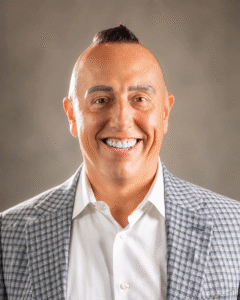
Attorney Armando Edmiston is the founder of Armando Personal Injury Law in Tampa and St. Pete, Florida. A U.S. Marine veteran, Hillsborough County native, and ACS Forensic Lawyer-Scientist, he represents Floridians in serious personal injury and wrongful death cases.