Wesley Chapel Nursing Home Abuse and Neglect Lawyer
Your parent is in the hospital, and the nursing home's explanation doesn't account for the injury. Or you notice a wound during a visit and can't get a clear answer about how long it's been there. You can call us with those concerns, even if you don't yet know what happened.
Armando Personal Injury Law represents residents and families dealing with serious nursing home injuries and deaths in Wesley Chapel and throughout Pasco County. A nursing home abuse lawyer can investigate the care, identify who may be responsible, and pursue compensation when abuse or neglect caused harm.
Call (813) 482-0355 or request a free consultation. Have the facility's name and the approximate injury date handy if you can. We can discuss how to obtain the records. For immediate danger or a medical emergency, call 911 first.
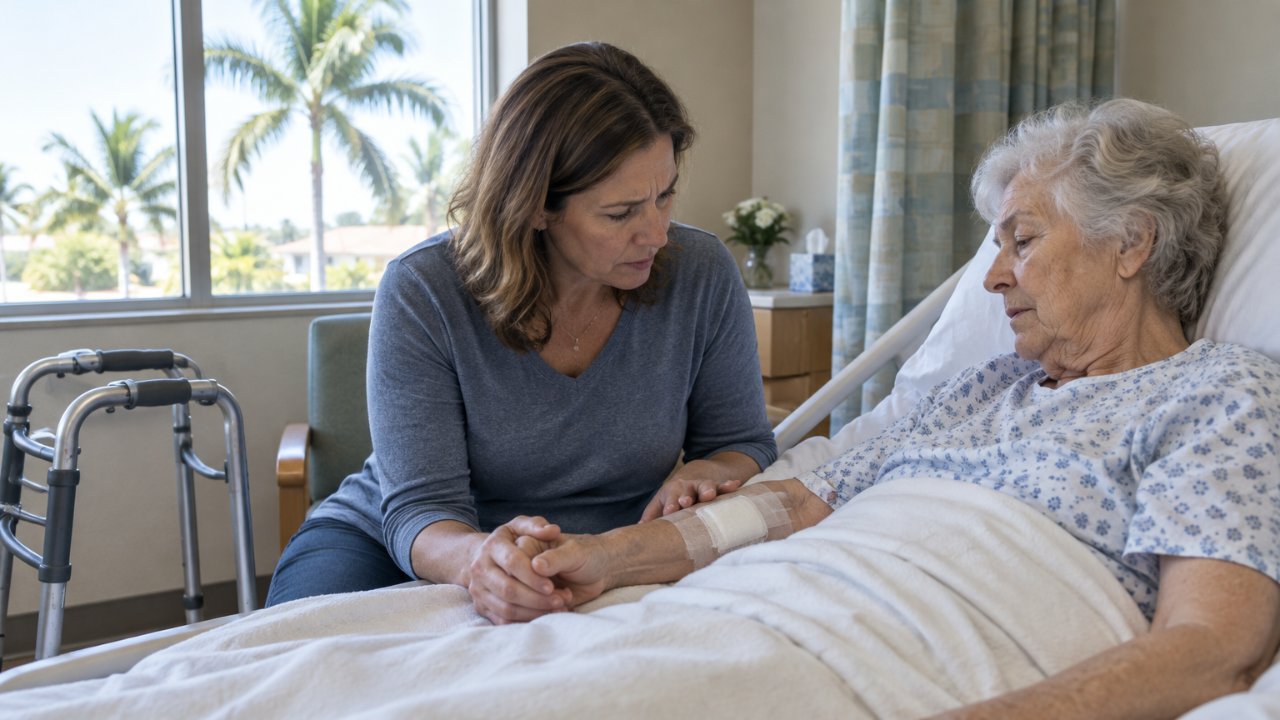
Families who visit at different times of day often get a clearer picture of staffing and the care a resident receives.
What should you do if you suspect neglect?
Get medical help for an injury or a concerning change in condition. If your relative is still at the facility, tell the treating clinician what you've noticed and ask what care is needed now. Documenting a possible claim should never delay treatment.
Once immediate needs are addressed:
- Write down what you personally saw, when it happened, and who you spoke with. Keep staff explanations separate from your own observations.
- Photograph visible injuries or conditions when appropriate, respecting your relative's privacy and consent. Save the original files.
- Ask for an explanation and a review of the care plan. Keep messages, discharge papers, and medication lists already available to you.
- Report suspected abuse or neglect. The Pasco reporting contacts below explain where to turn; the facility's permission is not required.
- Ask a lawyer about obtaining records and preserving available evidence, including video that may be overwritten.
When you speak with the facility, ask: When was the problem first noticed? Who was notified? What care changed afterward? Write down the answers and the name of the person who gave them.
If you're having trouble describing what changed, our guide to signs of nursing home abuse and neglect can help you organize your concerns.
Practical help for Wesley Chapel and Pasco families
For a concern at a Pasco County nursing home, the North Central Long-Term Care Ombudsman district is the local advocacy contact. Hillsborough has a different district. The reporting guide below separates resident advocacy from abuse reports and facility complaints so you can choose the right contact.
Which type of facility cared for your relative?
Wesley Chapel has both nursing home and assisted living settings. The distinction matters when reviewing an injury because different Florida rules apply. These local examples link to the Agency for Health Care Administration (AHCA) FloridaHealthFinder profiles:
| Wesley Chapel facility | Street address | AHCA facility type |
|---|---|---|
| Blue Heron Health and Rehabilitation | 5085 Eagleston Boulevard | Nursing home |
| Blue Heron Assisted Living | 5071 Eagleston Boulevard | Assisted living facility |
| American House Wesley Chapel | 30070 State Road 56 | Assisted living facility |
| Wesley House ALF | 28502 Tall Grass Drive | Assisted living facility |
These names are provided only to help families identify local care settings. Inclusion is not an allegation of wrongdoing or a recommendation of a facility.
The two Blue Heron entries show why the address matters: similar names can refer to different licensed care settings. Match the name and address on your relative's admission papers to the AHCA profile, then check the license type and available inspection information. A company's brand name or a “memory care” sign does not, by itself, identify the legal setting. If you are unsure which setting applies, send us the admission paperwork when asking about a potential claim.
Keep the hospital and facility records together
If your relative moved between a hospital and a nursing home, save the paperwork from both. Discharge instructions help identify the care expected after the transfer. Keep the dates together, especially if you first learned of the injury at the hospital.
We serve Wesley Chapel and families throughout Pasco County, including Land O' Lakes, Zephyrhills, Dade City, and New Port Richey. Our Tampa office is at 2002 E 5th Ave, Unit 103, Tampa, FL 33605. Home, work, evening, and weekend meetings are available by arrangement.
Nursing home cases handled by Armando Personal Injury Law
Our published nursing home results include:
- A $1 million settlement involving a resident who fell out of a nursing home window.
- A $500,000 settlement involving a resident with a Stage 4 bedsore.
- A $250,000 settlement involving broken bones from a nursing home fall.
Past results do not guarantee a similar outcome.
Attorney Armando Edmiston leads the firm. At a free consultation, we can discuss whether the facts suggest a legal claim and what needs to be checked next. If the facility gave you an explanation, bring it with you, along with any questions it left unanswered. We can compare that account with the records and what you saw.
What is the difference between nursing home abuse and neglect?
Abuse can involve deliberate mistreatment, such as hitting a resident or sexual assault. Neglect concerns a failure to provide needed care, such as assistance with eating, supervision, or timely treatment. Both can cause serious harm. You do not have to decide which label applies before reporting a concern.
An injury alone does not establish negligence. For a nursing home negligence claim under Florida Statutes section 400.023, the evidence must establish a duty, a breach of that duty, and resulting harm legally caused by the breach. In practical terms: what care was required, what happened instead, and how did it affect the resident?
Florida's nursing home residents' rights law addresses dignity, appropriate health care, privacy, and the right to raise grievances without reprisal.
Serious injuries and care failures we investigate
Bedsores and worsening pressure wounds
A wound that keeps getting worse deserves an explanation. The care records can help establish when staff noticed it, what treatment began, and whether the plan changed as the resident's condition changed. Skin assessments and repositioning records are part of that review.
Nursing homes participating in Medicare or Medicaid must meet federal pressure-ulcer prevention and treatment requirements. Those requirements recognize that some wounds may be clinically unavoidable. A severe wound calls for close review, but its stage alone does not tell you whether staff provided the required care.
Falls with broken bones or head injuries
Was your relative trying to reach the bathroom alone when the care plan required assistance? That detail matters. We compare the help the resident needed with what staff provided, including whether earlier falls prompted changes to the care plan.
The response to the injury matters too. A delay in recognizing a fracture or getting medical attention may raise a separate concern. We handle nursing home falls involving broken hips, shoulders, ankles, head injuries, and other serious harm.
Dehydration and malnutrition
A tray placed nearby does not show that a resident who needed help actually ate. Intake records, weight changes, feeding assistance, and medical conditions help explain whether the resident's needs were being met and whether staff responded to poor intake.
Illness, treatment, and the resident's preferences matter too. Weight loss or an abnormal laboratory result, on its own, does not prove neglect. The ASPEN position paper on albumin and prealbumin explains why these blood proteins should not be used as nutrition markers.
Choking and aspiration injuries
For someone with swallowing difficulties, mealtime instructions may specify food texture, positioning, or hands-on assistance. After a choking or aspiration injury, those instructions give the investigation a starting point: what was prescribed, what was served, and what help did the resident receive?
Swallowing problems require individualized assessment. Thickened liquids and texture changes do not eliminate every aspiration risk. Even with those precautions, staff still need to follow the resident's prescribed feeding plan and respond to signs of difficulty.
Wandering and unsafe exits
When a resident who needs supervision leaves the building, the timeline is crucial. The last staff contact, discovery that the resident was missing, and start of the search may reveal gaps that a general incident summary leaves out. Known wandering risks, staffing, and exit controls also need review. Alarm records or retained video may help fill in the timeline.
Bedrail entrapment
Bedrails can create a risk of entrapment around the rail or between parts of the bed. Reviewing an injury means looking at the equipment itself, including whether the mattress and rail fit the bed, as well as the decision to use the rail for that resident. Federal bedrail requirements address alternatives, entrapment-risk assessment, informed consent, and proper installation and maintenance.
Physical or sexual abuse
A resident may have trouble describing an assault, particularly if dementia or another condition affects communication. That does not end the investigation. Medical findings and witness accounts may help explain what happened. Earlier complaints, supervision records, and the facility's response can also matter when evaluating responsibility.
Our nursing home negligent-security guide discusses facility responsibility for injuries involving foreseeable violence.
We also evaluate serious harm involving medication errors, untreated infections, delayed treatment, and failures to provide prescribed care. Medical or nursing experts may be needed to assess whether a care failure caused or worsened an injury.
Where can you report nursing home abuse in Pasco County?
Call 911 for immediate danger or a medical emergency. For other concerns, the Florida Department of Children and Families (DCF) receives suspected-abuse reports. AHCA handles facility complaints. The Long-Term Care Ombudsman helps with resident rights and unresolved care concerns.
| Concern | Contact | What to know |
|---|---|---|
| Suspected abuse, neglect, or exploitation of a vulnerable adult | Florida DCF Abuse Hotline, 1-800-962-2873 | Available 24/7. Florida requires reporting of known or suspected abuse, neglect, or exploitation of vulnerable adults. |
| Care or conditions at a licensed facility | AHCA complaint form or 1-888-419-3456 | Provide the facility's name, location, dates, and details of the concern. |
| Resident rights or unresolved care concerns | Ombudsman district serving Pasco, North Central District, (352) 620-3088 | The statewide program can also be reached at 1-888-831-0404. |
Keep the report number and a copy of what you submit. AHCA's complaint form warns that your identity is not protected unless you remain anonymous; it also says anonymous complainants will not receive follow-up.
Reporting can help bring a concern to the appropriate agency. It does not itself file a damages lawsuit, and you should not assume it pauses the deadline for a civil claim.
How can a lawyer help establish what happened?
A lawyer can compare the care your relative needed with the care the facility documented and provided. If the care plan called for help moving from bed to a chair, for example, a fall during that move raises a specific question: was someone there to help?
Nursing notes, medication records, hospital findings, and witness accounts can answer different parts of that question. Staffing assignments and available call-system or security records can help establish the sequence. Inspection findings provide context but do not decide an individual injury claim.
Bring any power-of-attorney or guardianship documents. Being a close relative does not automatically give someone authority to obtain every record or act for the resident; the documents and circumstances need to be checked. Internal incident reports have different legal rules from ordinary care records, so a family request does not necessarily produce every report.
The name on the building may also differ from the licensed operator's name. Section 400.023 limits who may be sued; identifying the responsible parties requires looking at their role in the care or operation.
What compensation may be available?
An injured resident may seek compensation for losses caused by the neglect, such as medical treatment, rehabilitation, additional care needs, and pain and suffering. The amount depends on the evidence and the harm, rather than a standard nursing-home settlement figure.
When neglect may have caused a death
If your relative died, you can still ask for a review of the care. Hospital records, nursing notes, the death certificate, and any available autopsy findings can help determine whether abuse or neglect contributed to the death.
A Florida wrongful-death action is brought by the deceased person's personal representative for eligible survivors and the estate. Depending on the family relationships and statutory requirements, recoverable losses may include medical or funeral expenses, lost support, companionship, and mental pain and suffering under section 768.21.
Chapter 400 has a specific rule for choosing between survival and wrongful-death damages when the alleged negligence caused death. Those categories cannot simply be added together.
How long do you have to file a Florida nursing home claim?
For claims governed by section 400.0236, Florida generally allows two years from the incident or from when it was discovered or should have been discovered with due diligence. The statute generally sets an outside four-year limit. A specific exception may apply if fraudulent concealment or intentional misrepresentation prevented discovery of the injury.
Section 400.0233 also requires presuit notice for covered claims and generally prohibits filing suit during the 75 days after notice is mailed. Notice, tolling, and other procedural requirements must be evaluated together.
Have the dates reviewed promptly, including after a death. The facility type, defendants, and legal claim affect the analysis. Waiting for an agency investigation to finish can leave less time to protect a civil claim.
Questions families ask about nursing home claims
Can I pursue a claim for my parent?
Possibly, but being the resident's child does not automatically establish legal authority. For a living resident, Florida law permits the resident, a guardian, or a person or organization acting with the resident's or guardian's consent to bring a claim. Bring any power-of-attorney or guardianship documents so we can check who may act.
If your parent has died, the estate's personal representative is the person authorized to bring the action. We can discuss that role when reviewing the potential claim.
Can you investigate if my relative has dementia?
Yes. Difficulty remembering or communicating does not prevent a review. Care records, photographs, witnesses, and the sequence of events may help explain an injury.
Can neglect during a short rehabilitation stay lead to a claim?
Yes, a short stay in a nursing home does not rule out a claim. The issue is whether a failure to provide required care caused harm. Keep the hospital discharge instructions and rehabilitation admission papers so the transfer of care can be reviewed.
Do nursing home rules also apply to assisted living and memory care?
Not automatically. Nursing homes and assisted living facilities operate under different Florida legal frameworks. Assisted living residents' rights are addressed in section 429.28. A memory-care program can exist within different licensed settings. Give us the facility's name and address so we can identify the rules that apply.
Does signing an arbitration agreement prevent a claim?
Not necessarily. An arbitration provision may affect where a dispute is heard. Its effect depends on the agreement, how it was signed, and applicable law. Keep the full admission packet and any later agreements for review.
What does it cost to talk with your firm?
The consultation is free. If we agree to represent you, the written agreement will explain attorney fees and case expenses. Ask about those terms before deciding whether to hire the firm.
Talk with us about your loved one's care
If you're concerned about a nursing home injury in Wesley Chapel or elsewhere in Pasco County, call (813) 482-0355 or contact Armando Personal Injury Law for a free consultation. Tell us what happened and what the facility told you. We can discuss whether there is a claim and what needs to happen next.
About the Author
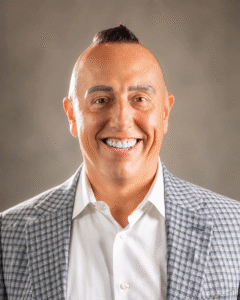
Attorney Armando Edmiston is the founder of Armando Personal Injury Law in Tampa and St. Pete, Florida. A U.S. Marine veteran, Hillsborough County native, and ACS Forensic Lawyer-Scientist, he represents Floridians in serious personal injury and wrongful death cases.