Florida Assisted Living Abuse & Neglect Lawyer
When Support Turns to Suffering, Our Legal Team Holds Facilities Accountable.
Assisted living facilities (ALF) are supposed to offer safety, supervision, and dignity for aging Floridians who need help with daily life. But too often, families discover that behind the polished exterior, their loved one has been ignored, neglected, or even abused. Unlike nursing homes, assisted living facilities operate under different rules and with less medical oversight—creating dangerous gaps in care that vulnerable residents pay the price for.
If your loved one has unexplained injuries, signs of emotional distress, or sudden medical complications while living in an assisted living facility, you may have legal options. At Armando Personal Injury Law, our Florida assisted living abuse and neglect lawyer investigates facilities statewide for signs of mistreatment, poor supervision, and systemic failure. We fight for families when trust is broken—and we don’t back down from holding corporations accountable.
What You Need To Know About Assisted Living Abuse And Neglect In Florida
- Abuse happens in ALFs — Even without medical licenses, these facilities must keep residents safe.
- Neglect looks small at first — Missed meds, skipped meals, poor hygiene, and dehydration can turn deadly.
- Vulnerable residents are most at risk — Especially those with dementia, mobility issues, or few visitors.
- Understaffing drives many cases — Cutting corners on care and supervision leads to serious harm.
- You can take legal action — If your loved one was injured due to neglect or abuse, Florida law protects you.
- Act fast — Evidence vanishes quickly. Get records, document signs, and talk to a lawyer now.
What Is Considered Abuse and Neglect in Florida Assisted Living Facilities?
Abuse and neglect in Florida assisted living facilities often go unreported because they don’t always look violent or obvious. Neglect can mean skipped medications, missed meals, untreated infections, poor hygiene, or failure to respond when a resident calls for help. Abuse may be verbal, physical, sexual, or emotional—and often involves staff members, other residents, or even visiting caregivers. Florida law requires assisted living facilities to keep residents safe and provide help with daily activities, but too many facilities fall short due to poor staffing, lack of supervision, or a culture of indifference.
Unlike nursing homes, assisted living facilities in Florida are not required to provide 24-hour skilled nursing care—but they are still required to meet the needs of each resident. When they don’t, and a resident is harmed as a result, it can form the basis of an abuse or neglect claim. Families may not see bruises or broken bones right away, but the warning signs are real: weight loss, fearfulness, medication changes, sudden confusion, or isolation. These are red flags, and no facility gets a free pass simply because it calls itself “assisted living.”
Who’s Most at Risk in Florida Assisted Living Facilities?
These residents face the highest risk when supervision lapses:
Residents With Dementia or Alzheimer’s
Cognitive decline increases vulnerability to wandering, confusion, and mistreatment—especially when facilities fail to supervise or communicate effectively.
Nonverbal or Limited-Communication Residents
Those who cannot speak or express discomfort are often unable to report abuse or advocate for themselves.
Mobility-Impaired Residents
Individuals who rely on staff for transfers, toileting, or movement face higher risks of falls, injuries, and neglect when help is delayed or withheld.
Residents With Chronic Medical Needs
Skipped medications, missed treatments, and unmonitored conditions can quickly escalate into life-threatening complications.
Socially Isolated Residents
Seniors who rarely receive visitors or have no nearby family are less likely to have someone notice signs of abuse or neglect.
Residents With Behavioral Challenges
Those with anxiety, aggression, or depression may be unfairly targeted by staff or other residents, especially in poorly trained or understaffed facilities.
If your loved one falls into one of these categories, it’s critical to stay involved, visit regularly, and watch for any signs of mistreatment.
What Causes Abuse and Neglect in Florida Assisted Living Facilities?
- Chronic understaffing — Too few caregivers can lead to missed medications, skipped meals, and delayed emergency response.
- Poor staff training — Untrained workers may fail to recognize medical issues, emotional distress, or signs of abuse.
- Lack of supervision — When managers don’t monitor staff or enforce protocols, neglect and misconduct go unchecked.
- Negligent hiring practices — Background checks may be incomplete or ignored, putting residents at risk.
- Profit-driven cost-cutting — Facilities may reduce food, hygiene, or care quality to protect their bottom line.
- Dismissed complaints — When residents or families report concerns and get brushed off, serious harm can follow.
- No individualized care plans — Without tailored support, residents’ needs are routinely overlooked or mishandled.
8 Common Injuries Caused by Abuse and Neglect in Florida Assisted Living Facilities
- Bedsores (pressure ulcers) — These wounds form when residents are left in the same position too long without being turned, cleaned, or checked. They’re usually preventable with turning, hygiene, and nutrition, and should be documented in the care plan.
Real-world example: A resident who cannot reposition alone is left in bed overnight without assistance, allowing constant pressure to cut off blood flow and cause skin breakdown. - Fractures and head injuries — Falls often happen when residents are left unattended or forced to move without help.
Real-world example: A resident tries to reach the bathroom alone after waiting too long for staff, slips on a wet floor, and strikes their head on the tile. - Dehydration and malnutrition — Inadequate meal supervision or assistance can quickly lead to dangerous weight loss and organ failure.
Real-world example: A resident who needs help eating is repeatedly left alone during meals and slowly becomes dehydrated and undernourished over several weeks. - Choking — Swallowing disorders require modified diets and supervision that are often ignored.
Real-world example: A resident with known swallowing problems is served regular food instead of a soft or pureed diet and chokes during dinner without immediate staff assistance. - Medication-related injuries — Errors in dosing, timing, or drug selection can trigger serious medical emergencies.
Real-world example: A caregiver gives a resident another patient’s medication or skips a dose because charts were not reviewed carefully, leading to seizures or organ damage. - Burns and heat-related injuries — Unsafe water temperatures or outdoor exposure can cause severe injury in Florida’s climate.
Real-world example: A resident with dementia wanders outside through an unsecured door and remains in the heat too long, developing heat exhaustion or heatstroke. - Physical assault injuries — Aggression by staff or residents can cause bruises, sprains, or fractures when supervision is lacking.
Real-world example: An overwhelmed caregiver forcefully grabs or restrains a resident during a transfer, causing bruising or shoulder injuries. - Fatal injuries — In the most serious cases, neglect or abuse leads directly to a resident’s death.
Real-world example: A resident develops a severe infection, choking episode, or internal injury that goes untreated because staff fail to monitor symptoms or call for emergency care in time.
If your loved one has experienced any of these injuries in a Florida assisted living facility, contact Armando Personal Injury Law for a free consultation. We’re fierce, aggressive, and ready to hold the facility accountable.
Warning Signs of Abuse or Neglect in Florida Assisted Living Facilities
- Unexplained injuries — Bruises, cuts, burns, or broken bones with no clear explanation or incident report.
- Sudden weight loss — Noticeable changes in appearance may signal poor nutrition or dehydration.
- Poor hygiene — Dirty clothing, unwashed hair, or strong body odor may indicate neglect of basic care.
- Changes in behavior — Withdrawal, fearfulness, or anxiety around staff may suggest emotional or physical abuse.
- Frequent infections — Repeated UTIs, bedsores, or untreated wounds may point to unsanitary conditions or lack of medical care.
- Medication issues — Missed doses, overmedication, or sudden changes in condition could mean improper medication handling.
- Fear of speaking up — A resident who seems nervous to talk or insists nothing is wrong may be trying to avoid retaliation.
- Lack of supervision — Reports of residents wandering, falling, or being left alone in unsafe situations.
- Dismissive staff responses — Concerns from family or residents brushed off without clear answers or follow-up.
- General decline — A noticeable drop in overall health, mood, or engagement without a clear medical reason.
How to Know If You Have a Claim for Assisted Living Abuse or Neglect in Florida
You may have a legal claim if your loved one was harmed because a facility failed to provide the level of care, safety, or supervision required under Florida law. That harm doesn’t need to be physical—it could be emotional, medical, or financial. Claims often arise when injuries, medical events, or serious declines were preventable with proper care.
Negligence may involve a single act or an ongoing pattern, and it’s common for families to have more than one type of claim—against the facility, specific staff members, or third-party providers. You don’t need proof before speaking with a lawyer. If you’ve noticed unexplained injuries, behavioral changes, or something that simply feels wrong, that’s enough to start asking questions.
Florida Oversight (Quick Guide)
Florida assisted living facilities are regulated by the Agency for Health Care Administration (AHCA). Depending on the facts, Adult Protective Services (DCF) and local law enforcement may be involved. Any decision to use restraints, specialized diets, or behavioral plans should appear in the care plan and be followed consistently; gaps in documentation or monitoring are major red flags.
Florida ALF Rules & Licensing (Plain English)
Florida assisted living facilities operate under Chapter 429, Florida Statutes, and Rule 58A-5, Florida Administrative Code. Facilities may hold different licenses — Standard, Limited Nursing Services (LNS), Extended Congregate Care (ECC), or Limited Mental Health (LMH) — which affect what care they’re allowed to provide. Regardless of license, the resident’s care plan must match actual needs, and facilities must follow their own policies and manufacturer instructions for safety equipment. Gaps between the license, the plan, and real-world care are key negligence indicators.
Questions to Help You Assess Whether You Have a Claim
If you’re worried something might be wrong but aren’t sure, ask yourself the questions below—and if anything gives you pause, contact Armando Personal Injury Law for a free consultation.
- Has your loved one been injured — And do you suspect that injury could have been prevented with proper care or supervision?
- Have there been repeated falls — Even after you’ve raised concerns or the facility promised changes?
- Does your loved one seem afraid — Especially around specific staff or when asked about their care?
- Are there signs of neglect — Like bedsores, poor hygiene, missed meals, or dehydration?
- Has your loved one’s condition declined quickly — Without a clear medical explanation or adequate facility response?
- Have you noticed changes in medication — That weren’t explained or were followed by unusual behavior or confusion?
- Is the facility avoiding your questions — Or refusing to share records, incident reports, or medical updates?
- Do you feel something isn’t right — Even if no one has confirmed abuse or neglect directly?
If you answered yes to any of these questions—or even if you’re unsure—Armando Personal Injury Law can help you get answers. Contact us for a free consultation.
What to Do If You Suspect Abuse or Neglect in a Florida Assisted Living Facility
- Document everything — Write down what you’ve seen, when it happened, and who was involved. Include injuries, behavioral changes, or anything that feels off.
- Take photos or videos — If safe and appropriate, photograph injuries, unsafe conditions, or signs of neglect like soiled bedding or poor hygiene.
- Talk to your loved one — Ask open-ended questions in a calm, private setting. Don’t pressure them—just listen and observe their reactions.
- Request records immediately — Ask in writing for the incident report, medical records, care plan, and Medication Administration Records (MARs).
- Report to the proper agencies — File a complaint with Florida’s Agency for Health Care Administration (AHCA) and, if necessary, local law enforcement or Adult Protective Services.
- Preserve the scene — Ask the facility not to alter or remove the bed/equipment/area until an independent inspection occurs; request surveillance video be preserved.
- Don’t confront staff directly — Avoid alerting the facility to your suspicions until you’ve spoken with a lawyer. Facilities may alter records or attempt to cover up wrongdoing.
- Contact a lawyer — The sooner you involve a legal team, the sooner evidence can be preserved, investigations launched, and your loved one protected.
If you’re unsure about what steps to take to report abuse and neglect, Armando Personal Injury Law can guide you through the process. We offer free consultations and act quickly to protect your loved one’s rights and safety.
Evidence We Preserve (Critical in ALF Cases)
Below is what we move to secure immediately—these records prove preventability, timelines, and systemic failures.
- Charts & logs: nursing notes, care plan entries, turning/rounding logs, Medication Administration Records (MARs), call-light/alert logs.
- Incident documentation: the facility’s incident report, witness statements, and internal emails about the event.
- Video & access data: hallway/room surveillance video (where available), door access logs, and response times.
- Staffing & training: assignment sheets, ratios, timecards, training/competency records.
- Regulatory history: state inspection reports and any AHCA citations showing patterns of noncompliance.
- Ownership & policy: corporate ownership, policies/protocols, and sign-offs employees were required to follow.
Holding Assisted Living Facilities Accountable When They Fail Your Loved One
Assisted living facilities are entrusted with the safety, dignity, and well‑being of some of Florida’s most vulnerable residents. When that trust is broken, excuses are not enough. At Armando Personal Injury Law, we believe accountability is the only way to stop abuse, expose neglect, and protect other families from the same harm.
We are fierce advocates for victims and relentless with those responsible. Insurance companies don’t scare us. Corporations don’t intimidate us. When facilities cut corners, hide records, or place profits over people, we step in, uncover the truth, and fight for full justice. Protecting your loved one’s rights is not optional—it’s our mission.
If you suspect abuse or neglect, don’t wait for answers from the same facility that failed your family. Contact Armando Personal Injury Law today for a free consultation. We’ll listen, investigate, and take immediate action—because when it comes to accountability, we win when it counts.
What Damages Can Families Recover?
- Medical care: ER visits, hospitalization, wound care, infection treatment (e.g., urinary tract infections, sepsis), rehab.
- Non-economic harm: pain, fear, loss of dignity, loss of companionship.
- Wrongful death: funeral/burial and family losses.
We calculate current and future care needs so insurers can’t undervalue your case.
FAQs About Assisted Living Abuse and Neglect in Florida
How Is Assisted Living Abuse Different From Nursing Home Abuse?
Assisted living facilities (ALFs) are not medical institutions—they’re designed for residents who need help with daily living, not skilled nursing care. As a result, ALFs have fewer medical staff, looser regulations, and different licensing standards than nursing homes. But under Florida law, they are still legally obligated to keep residents safe and provide adequate supervision and care.
What Are Common Signs Of Abuse Or Neglect In Assisted Living Facilities?
Watch for:
- Unexplained injuries or frequent falls.
- Sudden weight loss or dehydration.
- Withdrawal, fear, or depression.
- Poor hygiene or dirty clothing.
- Missed medications or frequent infections.
Should we confront staff before calling a lawyer?
Report concerns in writing, but avoid detailed interviews until counsel is involved. We send preservation letters so video and logs aren’t overwritten and route requests to the correct corporate entity.
Can we move facilities without hurting the case?
Yes—safety first. Before transfer, request complete records (charts, MARs, incident logs, care plan) and keep copies. We help coordinate transfers while protecting the evidence trail.
Can I Sue A Florida Assisted Living Facility For Neglect Or Abuse?
Yes. If the facility failed to provide reasonable care or supervision and your loved one was harmed, you may have a legal claim. That claim can seek compensation for medical costs, pain and suffering, and other damages related to the facility’s negligence or abuse.
Who Can Be Held Responsible For Assisted Living Abuse?
Depending on the situation, liable parties may include:
- The facility itself.
- Individual staff members.
- Third-party caregivers or contractors.
- Management companies or corporate owners.
What Laws Protect Residents In Florida Assisted Living Facilities?
Florida’s ALFs are regulated by the Florida Statutes which outline resident rights and facility responsibilities. The Agency for Health Care Administration (AHCA) enforces these rules and investigates complaints. Residents are also protected under federal laws when applicable, including the Americans with Disabilities Act.
What Injuries Are Most Common In Abuse And Neglect Cases?
Some of the most common include:
- Bedsores (pressure ulcers).
- Fractures from falls.
- Dehydration and malnutrition.
- Choking injuries.
- Infections and sepsis.
- Psychological trauma.
How Do I Report Suspected Abuse Or Neglect In Florida?
You can file a complaint with the Florida Agency for Health Care Administration (AHCA) or contact Adult Protective Services. If the situation is urgent or life-threatening, call 911 immediately. A lawyer can also help you report the issue and preserve evidence for a potential claim.
Do I Need Evidence To Speak With A Lawyer?
No. You don’t need proof before reaching out. If you suspect something is wrong—whether it’s a pattern of neglect, unexplained injuries, or changes in your loved one’s behavior—that’s reason enough to talk to a lawyer and begin investigating.
Can I File A Claim Even If My Loved One Hasn’t Told Me They’re Being Abused?
Yes. Many residents are afraid to speak up or are unable to communicate. If the signs of abuse or neglect are present, you may still have a valid claim—especially if your loved one is nonverbal, cognitively impaired, or socially isolated.
How long do we have to file a claim in Florida?
In most cases, families have two years from when abuse or neglect was discovered — or reasonably should have been discovered — to take legal action. Don’t wait: we move quickly to preserve surveillance video, logs, and witness accounts that can disappear fast.
Will an admission agreement or arbitration clause stop my claim?
Not necessarily. Admission paperwork sometimes includes arbitration or other clauses, but enforceability depends on the language and facts. Bring us the full admission packet (all pages and addenda); we’ll review options while we preserve evidence.
What Can I Expect If I Contact Armando Personal Injury Law?
You’ll speak directly with a legal team that listens to your concerns, investigates aggressively, and takes immediate action when needed.
Free consultation. We’ll preserve video and records immediately, launch the investigation, and protect your loved one while you focus on family.
About the Author
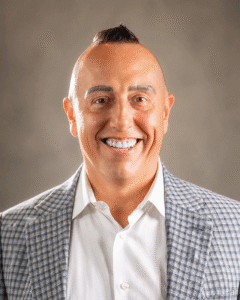
Attorney Armando Edmiston is the founding attorney of Armando Personal Injury Law in Tampa and St. Pete, Florida. A U.S. Marine veteran and Hillsborough County native, he represents injured people and families in serious injury cases, including car accidents, truck accidents, motorcycle accidents, wrongful death, negligent security, premises liability, and nursing home abuse and neglect claims. Armando earned a B.S. in Biology from the University of South Florida and a J.D., cum laude, from Nova Southeastern University. He is also one of only six lawyers in Florida listed with the ACS Forensic Lawyer-Scientist designation.
Client Testimonial
“Armando’s Law Firm handled my case very well. Ms. Cheryl was very attentive to my care and overall case. She always handled my inquiries fast and within a good time frame. Would highly recommend.” - Antwanique B., ⭐⭐⭐⭐⭐
Actual client. Results may vary; each case is different.