Bed Rail Entrapment in Florida Nursing Homes
Preventable tragedies that put vulnerable residents at risk
Bedrails (also called side rails) are meant to protect residents. Used incorrectly, they become deadly. Across Florida, bedrail entrapment continues to cause catastrophic injuries and wrongful deaths in nursing homes and assisted living facilities—events that are almost always preventable with proper assessment, equipment, and monitoring.
Armando Personal Injury Law investigates bedrail entrapment statewide. We hold facilities accountable when cost-cutting, staffing failures, or inadequate training lead to injuries that should never happen.
What Is Bedrail Entrapment?
Entrapment occurs when a resident becomes trapped between the rail and mattress, between split rails, or between the bed frame and headboard/footboard. Frail or cognitively impaired residents can suffer severe injury or suffocation within minutes. Risk is highest in residents with dementia, mobility limitations, confusion, or agitation.
Common Causes of Bedrail Entrapment
Bedrail incidents rarely happen in isolation. Most stem from systemic negligence such as:
- Improper equipment: mismatched rail–mattress sizes or outdated frames leaving dangerous gaps.
- Lack of monitoring: infrequent checks for high-risk residents (especially at night or during shift change).
- Inadequate training: staff who don’t understand safe positioning or how to secure rails properly.
- Defective design/installation: non-compliant rails or modifications against manufacturer standards.
- Missing or ignored risk assessments: confusion, restlessness, or prior bed-exit attempts not addressed in care plans.
Facilities must maintain, install, and routinely inspect all bed systems (frame, rails, mattress). Failure to do so violates Florida care standards and industry guidance.
Injuries Linked to Bedrail Entrapment
- Strangulation or suffocation from restricted breathing.
- Head and neck injuries from unnatural positions.
- Fractures and extensive bruising during entrapment or unsafe rescue.
- Internal injuries due to prolonged compression.
- Psychological trauma, anxiety, and fear of being left unattended.
What Families Should Do After a Bedrail Entrapment
- Seek medical attention immediately from an independent provider (not just the facility’s on-call staff).
- Document everything: photograph the rail, mattress, bed frame, gaps, and surrounding area before anything is moved.
- Request records in writing: incident report, nurse’s notes, turning/rounding logs, maintenance logs, device manuals, prior complaints.
- Report the incident: contact the Florida Department of Elder Affairs or AHCA to file a complaint.
- Ask the facility not to alter or remove the bed, rails, or mattress until an independent inspection is complete.
- Call a Florida nursing home abuse lawyer: we send preservation letters to stop evidence destruction and arrange expert inspection of the bed system.
These steps preserve critical proof and create a timeline that can make or break a case.
Evidence We Preserve (Critical in Bed Rail Cases)
- Bed system measurements: rail height/length, gap widths at head/foot/side, mattress compression, rail lock integrity.
- Device identification: manufacturer, model, serial numbers for the rails, bed frame, and mattress; purchase dates; recalls or service bulletins.
- Manufacturer instructions & warnings: Instructions for Use (IFUs), compatibility charts (rail–mattress fit), and required installation steps.
- Care records: Risk assessments, care plan entries approving rail use, turning/rounding logs, nurse notes, bed-exit alarm settings.
- Staffing & training: assignment sheets, competency check-offs, in-service training on rails and emergency release.
- Video/alert data: hallway/room cameras (where available), bed-exit alarm logs, and response times.
- Maintenance history: work orders, inspections, repairs or modifications to rails/frames/mattresses.
Who’s Responsible—and How These Injuries Are Prevented
- Facility operators/corporate owners: staffing, training, monitoring protocols, equipment purchase/maintenance.
- Nursing/clinical leadership: assessments, care plans, supervision levels, and rounding protocols.
- Vendors/maintenance: proper installation, compatibility, and repairs.
- Manufacturers (when applicable): defective components or inadequate warnings/instructions.
Prevention requires: precise rail–mattress fit; daily safety checks; individualized risk assessments; clear care plan documentation; and prompt removal of non-compliant equipment.
Prevention Duties Facilities Must Follow
- Assess before use: cognition, mobility, bed-exit history, agitation—then document the indication in the care plan.
- Fit the system: ensure rail–mattress–frame compatibility; remove/replace any component that leaves hazardous gaps.
- Obtain/record consent where appropriate; discuss risks/alternatives with the family.
- Monitor to risk level: set rounding frequency (night shift emphasized) and verify bed-exit alarms work and are audible.
- Train staff: positioning, rail locking, emergency release techniques, and entrapment response protocols.
- Inspect daily: rails, locks, mattresses, and gap guards; document findings and take non-compliant beds out of service immediately.
FAQs About Bedrail Entrapment in Florida Nursing Homes
What makes bedrail entrapment so dangerous?
Residents often cannot free themselves once trapped. Oxygen deprivation can cause brain injury or death within minutes—continuous supervision and rapid response are critical.
Are bedrails allowed in Florida?
Yes, but only with strict safety precautions. Facilities should follow AHCA and U.S. Food and Drug Administration (FDA) guidance for installation, resident assessment, documentation, and ongoing monitoring. Bedrails should be used only when medically indicated and reflected in the care plan.
How can nursing homes prevent bedrail injuries?
Match mattress and rail sizes; eliminate gaps; perform daily checks; train staff on positioning and emergency response; remove non-compliant equipment. Failing to do so may constitute negligence.
Can bedrail entrapment lead to a lawsuit?
Yes. Families may pursue claims for medical expenses, pain and suffering, or wrongful death. We determine whether negligence, defective equipment, or poor supervision caused the incident.
Who investigates these cases in Florida?
AHCA (Agency for Health Care Administration) and DCF (Florida Department of Children & Families) oversee facility compliance.
Is Bed Rail Entrapment a Wrongful Death Case?
Yes, when entrapment causes asphyxia or fatal injuries. Families can pursue damages for funeral/burial costs and loss of companionship, in addition to the resident’s medical care and pain and suffering. Our team preserves the bed system immediately, secures measurements and manuals, and retains experts to connect the entrapment to the cause of death.
Florida Oversight for Nursing Homes
In Florida, nursing homes are regulated by AHCA, with DCF involved in certain investigations. Bed rail use should follow state expectations, industry guidance, and manufacturer instructions, and the decision to use rails must appear in resident assessments and the care plan. Documentation, monitoring, and prompt removal of non-compliant equipment are key to meeting Florida standards.
Standing Up for Florida Families
Bedrail entrapment is among the most heartbreaking—and preventable—nursing home injuries. Armando Personal Injury Law investigates negligence statewide, demands accountability, and helps families pursue justice.
Free consultation. We act immediately to preserve evidence and protect your loved one’s rights.
“Armando and his team were amazing, he really made it a much easier process for me and helped me what steps to take. Without Armando I would have been lost and suffering in pain for the rest of my life. I cannot recommend him enough. He really fought hard for me and to make sure I got the help I needed.” – Angellena E., ⭐⭐⭐⭐⭐ Actual client. Results may vary; each case is different.
About the Author
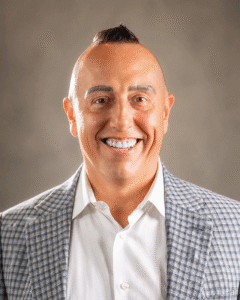
Attorney Armando Edmiston is the founding attorney of Armando Personal Injury Law in Tampa and St. Pete, Florida. A U.S. Marine veteran and Hillsborough County native, he represents injured people and families in serious injury cases, including car accidents, truck accidents, motorcycle accidents, wrongful death, negligent security, premises liability, and nursing home abuse and neglect claims. Armando earned a B.S. in Biology from the University of South Florida and a J.D., cum laude, from Nova Southeastern University. He is also one of only six lawyers in Florida listed with the ACS Forensic Lawyer-Scientist designation.