
California Juvenile Detention Sexual Abuse Lawsuits
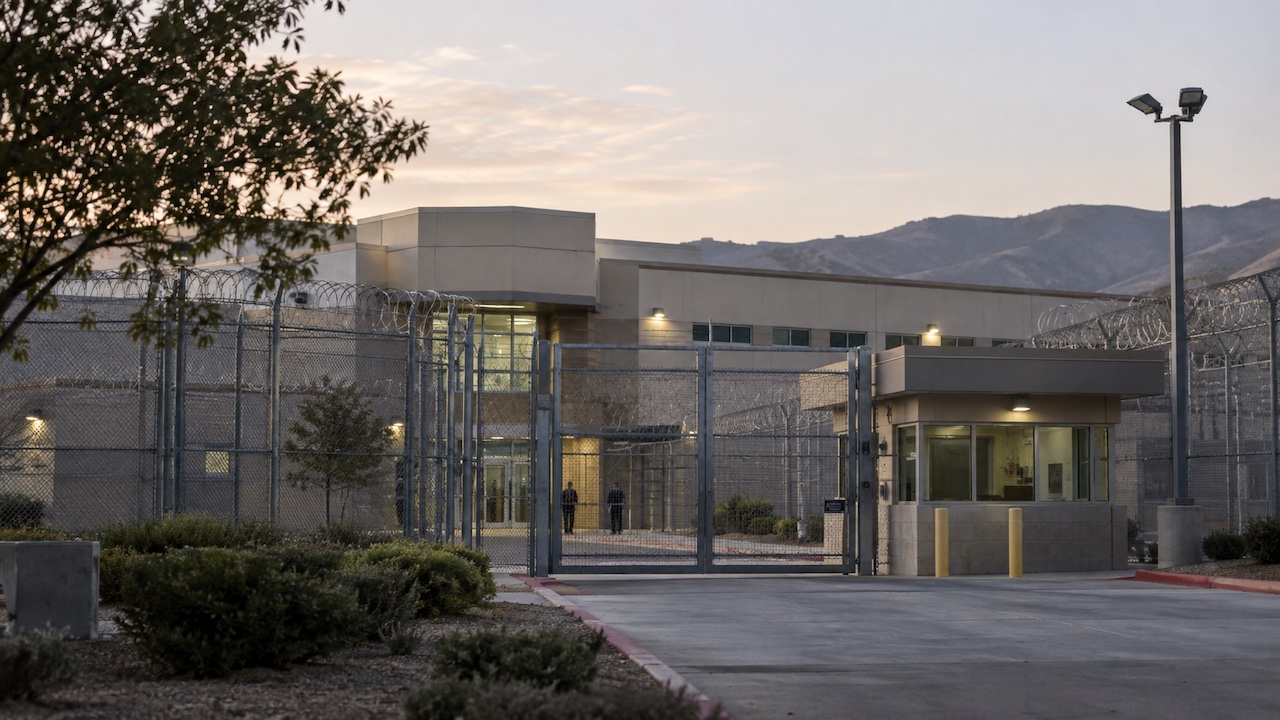
California law provides specific civil remedies and filing rules for qualifying childhood sexual assault claims involving juvenile detention facilities.
Updated September 2026 based on current California statutes and cited government sources.
California law may allow survivors of childhood sexual abuse in juvenile halls, detention centers, probation camps, ranches, and residential placements to pursue civil claims even when the abuse happened years or decades ago. The filing analysis depends heavily on when the abuse occurred, the survivor's age, who may be responsible, and which California statutes apply.
In detention, that difference is practical as much as legal. A child in custody cannot simply leave an unsafe situation. The institution controls housing, movement, discipline, medical care, education, communication, and access to the outside world. When an adult or another youth commits sexual abuse inside that system, the legal investigation may extend beyond the person who committed the act.
An old case is not necessarily a dead case.
Quick answer
• Abuse on or after January 1, 2024 is governed by a different California limitations framework than abuse occurring before that date.
• Potential defendants may include the alleged abuser, supervisors, a county or public entity, contractors, or private organizations responsible for the child's care.
• A delayed report, missing records at home, or inability to remember an employee's full name does not by itself answer whether a case can be investigated.
• Institutional records, prior complaints, staffing documents, PREA materials, medical or counseling records, and other witnesses can become important evidence.
Who May Be Liable for Sexual Abuse in a California Juvenile Facility?
The person who committed the abuse may be only one part of the case. An investigation may also examine supervisory employees, county agencies, private contractors, residential programs, or other entities whose conduct legally contributed to the abuse.
The central question is often not only who committed the abuse, but how that person was placed in a position to do it and whether warning signs, supervision failures, or reporting breakdowns allowed the risk to continue.
The Individual Accused of the Abuse
California Code of Civil Procedure section 340.1 and section 340.11 address civil actions for damages arising from childhood sexual assault. Depending on the applicable section and the facts, a claim may be brought against the person accused of committing the assault.
But institutional abuse cases rarely stop at that question. The setting matters because the alleged perpetrator was operating inside a system that controlled access to children.
Negligent Hiring, Supervision, Training, and Retention
A case does not always begin with proof that administrators knew an employee was sexually assaulting children. Earlier warning signs may have looked less dramatic: repeated boundary violations, sexual comments, inappropriate touching, unusual one-on-one access to particular youth, ignored complaints, prior discipline, or a pattern of supervisors failing to intervene.
California's Supreme Court addressed a related supervision theory in C.A. v. William S. Hart Union High School District. The court held that a theory of vicarious liability could proceed based on alleged negligence by supervisory or administrative personnel who knew or should have known of a foreseeable danger of molestation.
A juvenile detention case is not identical to a school case, especially when public-entity statutes and immunities are involved. The case is useful because it focuses attention on the conduct of the people responsible for hiring, retaining, and supervising the adult who had access to the child.
Claims Against a County or Other Public Entity
Claims against California counties require a statutory basis for liability. A county is not automatically responsible simply because the person accused of abuse worked there.
Government Code section 815 generally provides that a public entity is not liable for an injury except as otherwise provided by statute. Section 815.2 addresses public-entity liability for certain acts or omissions of employees, and section 820 addresses liability of public employees for their own acts or omissions.
One incident can therefore require separate analysis of the alleged abuser, supervisors, administrators, county employees, contractors, and private organizations involved in the placement or operation of the facility. Trying to force every defendant into one generic negligence theory can obscure how the case actually works.
Federal Civil Rights Claims Under Section 1983
Some juvenile detention sexual abuse cases may also support federal constitutional claims under 42 U.S.C. section 1983 when the alleged violation was committed under color of state law.
In Vazquez v. County of Kern, the Ninth Circuit addressed allegations that a juvenile corrections officer made sexual comments, groomed a detained youth, touched her, and watched her while she showered. The court concluded that the evidence could support claims involving Fourteenth Amendment rights, including bodily privacy, bodily integrity, and freedom from punishment.
The case also shows why misconduct in detention should not be reduced to a completed sexual assault. Grooming can matter. Sexualized surveillance can matter. Unwanted touching can matter. The misuse of custodial authority can matter.
Municipal liability under section 1983 is a separate analysis. A county generally is not liable merely because it employed the person accused of wrongdoing. The theory may instead turn on a policy, custom, practice, failure to train, failure to supervise, or another recognized basis for municipal responsibility.
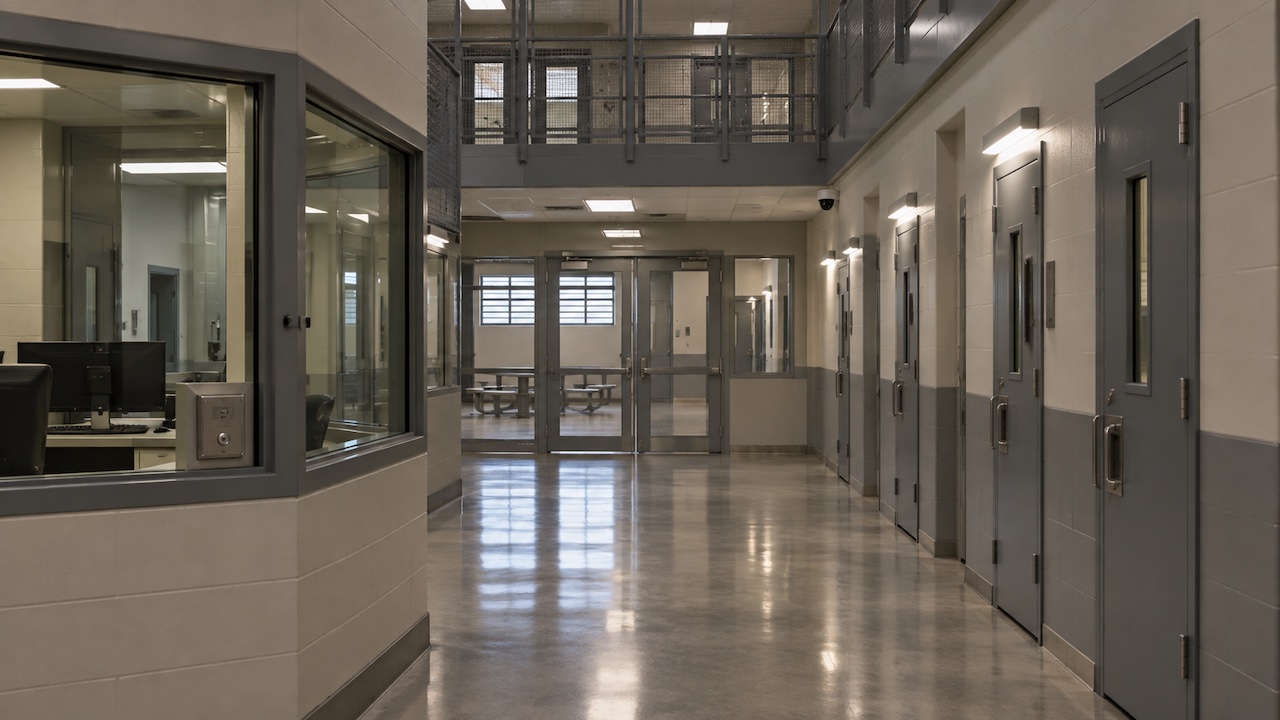
Juvenile detention facilities control housing, supervision, movement, and safety, making institutional policies and practices important when abuse allegations are investigated.
Why Custody, PREA, and Juvenile Facility Standards Matter
Juvenile detention cases are different from ordinary negligence cases because the child is confined. The institution controls the environment, and safety rules governing supervision, risk screening, reporting, staffing, and sexual-abuse prevention can become important evidence when the question is whether adults responsible for the facility acted reasonably.
A Child in Custody Cannot Simply Walk Away
A detained child cannot choose another caregiver, go home, decide not to return the next day, or simply avoid an employee who frightens them. That power imbalance is part of the factual context in which grooming, retaliation fears, reporting failures, and supervision decisions have to be evaluated.
PREA Standards
The federal Prison Rape Elimination Act standards establish requirements aimed at preventing, detecting, and responding to sexual abuse and sexual harassment in confinement settings, including juvenile facilities.
PREA-related evidence can include staff training, youth education, risk screening, housing decisions, reporting procedures, investigations, medical and mental health response, retaliation protections, staffing plans, and audits.
PREA does not mean every policy violation automatically creates civil liability. But the standards and the facility's own policies may help show what staff were trained to recognize, how youth were supposed to be protected, and whether the system actually functioned.
Policies tell you what was supposed to happen. Records often tell you what actually happened.
California Juvenile Facility Standards
California's Board of State and Community Corrections regulation resources identify the state's juvenile Title 15 standards and related rulemaking materials. Those standards address juvenile-facility operations, including sexual-abuse risk screening and safety practices.
As of September 2026, BSCC continues to list the juvenile Title 15 regulations effective January 1, 2019 as the current compiled juvenile standards while a broader juvenile Titles 15 and 24 revision process remains underway. That distinction matters when historical and current facility policies are compared.
What Counts as Childhood Sexual Assault Under California Law?
California's childhood sexual assault statutes are broader than the everyday use of the word rape. The statutory definitions incorporate specified sexual offenses committed against a person who was under 18, and the precise conduct matters because the applicable statute ties the civil claim to enumerated offenses.
Section 340.1 and section 340.11 incorporate specified Penal Code offenses. Qualifying conduct can include sexual touching, penetration, oral sexual acts, lewd conduct involving a child, molestation, sexual exploitation, certain conduct involving sexual images, and other prohibited sexual acts.
The custodial environment can make the power imbalance especially stark. A corrections officer, counselor, employee, contractor, volunteer, or other adult may control a child's movement, privileges, housing, discipline, and access to the outside world.
What Is the Statute of Limitations for a California Juvenile Detention Sexual Abuse Lawsuit?
There is no single filing deadline for every California juvenile detention sexual abuse case. The most important threshold question is whether the childhood sexual assault occurred on or after January 1, 2024 or before that date. Age-40 filing procedures can also matter, so the analysis is more complicated than a single birthday cutoff.
| When the Abuse Occurred | General Limitations Framework | Important Age-40 Point |
|---|---|---|
| On or After Jan. 1, 2024 | CCP § 340.1 provides no time limit for specified qualifying civil actions arising from childhood sexual assault. | Section 340.1 also contains certificate-of-merit procedures for plaintiffs age 40 or older when the action is filed. |
| Before Jan. 1, 2024 | CCP § 340.11 generally provides the later of 22 years after majority or five years after discovery of qualifying adult psychological injury or illness caused by the assault. | For certain entity claims filed on or after age 40, § 340.11 adds notice/safeguard requirements and certificate-of-merit procedures. |
Abuse Occurring On or After January 1, 2024
For qualifying childhood sexual assault occurring on or after January 1, 2024, CCP section 340.1 states that there is no time limit for specified civil actions seeking damages resulting from childhood sexual assault.
The statute can reach claims against the alleged perpetrator and, under the circumstances described in the statute, claims against a person or entity that owed the plaintiff a duty of care or whose intentional conduct was a legal cause of the assault.
The unlimited limitations period should not be described as though it retroactively applies to every childhood sexual assault that ever occurred in California. Section 340.1 expressly states that its no-time-limit framework applies to childhood sexual assault occurring on or after January 1, 2024.
Abuse Occurring Before January 1, 2024
For childhood sexual assault occurring before January 1, 2024, CCP section 340.11 generally provides the later of 22 years after the survivor reaches the age of majority or five years after the survivor discovers, or reasonably should have discovered, that psychological injury or illness occurring after adulthood was caused by the childhood sexual assault.
Because California's age of majority is generally 18, the first period commonly reaches the survivor's 40th birthday. But that does not make age 40 an automatic end point for every claim.
What Changes When the Survivor Is 40 or Older?
A survivor age 40 or older may still have a claim, but additional statutory procedures can apply. The exact requirements depend on which statute governs the claim and, for older entity claims under section 340.11, what evidence exists concerning notice of risky misconduct or failures to implement reasonable safeguards.
Both current section 340.1 and section 340.11 contain certificate-of-merit procedures for plaintiffs who are 40 or older when the action is filed. Those procedures involve attorney and licensed mental-health-practitioner declarations and can affect how defendants are named and served. That is why an older case should be evaluated carefully rather than reduced to the phrase 'over 40.'
Do California Government Claim Deadlines Apply?
Ordinary injury claims against California public entities can involve a short administrative claim deadline, but qualifying childhood sexual assault claims are treated differently.
Government Code section 905 identifies childhood sexual assault claims under section 340.1 as an exception to ordinary local public-entity claim presentation rules. In addition, both section 340.1 and section 340.11 state that qualifying claims described in those statutes are not required to be presented to a government entity before an action is commenced.
That can make an enormous difference in a case involving a county-operated juvenile hall. A survivor should not assume that failing to file an ordinary six-month government claim after childhood abuse automatically ends the analysis.
Trying to figure out whether an old claim can still be reviewed?
You do not need to solve the statute yourself. Armando Personal Injury Law can discuss the basic timeline and whether the matter is one the firm can evaluate further or whether California counsel should be involved. No outcome can be promised, but the deadline question should be answered from the statute and facts, not a guess.
What If the Abuse Happened 20, 30, or 40 Years Ago?
Time can make an institutional abuse case harder, but age alone does not tell you what evidence still exists. Old cases are often built from a combination of survivor testimony, facility records, personnel records, medical or counseling evidence, prior complaints, government documents, and other witnesses.
Witnesses move. Employees retire. Facilities close or change names. Records may be destroyed under retention schedules. Memories become less precise. Those are real problems, and they should not be sugarcoated.
But juvenile facilities and government agencies can also generate records that the child never saw and may not know existed.
What Evidence Can Matter?
Useful evidence often falls into four practical groups:
- Facility and placement records: admission and discharge records, housing assignments, unit logs, juvenile court or probation records, incident reports, grievances, and surveillance records where available.
- Personnel and supervision records: staffing rosters, schedules, training records, personnel files, discipline, prior complaints, internal investigations, PREA records, and staffing plans.
- Medical, psychological, and educational evidence: medical records, counseling records, mental health treatment, school records, and later treatment that may help explain the effects of childhood trauma.
- Corroborating witnesses and outside records: former residents, former employees, family members, people told about the abuse, government inspection records, contracts, emails, correspondence, and archived policies.
The important point is not that every case will contain all of these materials. It is that the evidence does not begin and end with what the survivor personally kept.
What If the Abuse Was Never Reported?
A delayed report does not automatically prevent a civil claim. Children may remain silent because of fear, shame, retaliation concerns, confusion, distrust of staff, or the authority the accused person exercised over them. Confinement can intensify each of those pressures.
Delayed disclosure is still a fact that may be investigated. It simply is not, by itself, the end of the case.
What If You Cannot Remember the Employee's Name?
A full name may not be necessary at the beginning. A first name, nickname, physical description, job, housing unit, shift, office location, approximate year, or other detail may help narrow the search.
Staffing schedules, payroll information, housing records, employee rosters, personnel files, and institutional records can sometimes identify who was present during a particular period.
What If the Facility Closed or Changed Names?
The closing or renaming of a facility does not automatically erase potential liability for conduct that occurred while it operated. Historical government records, contracts, personnel materials, court records, archived policies, and placement documents may help identify who operated, staffed, or supervised the facility at the time.
What matters is not simply what the building is called today. It is who was responsible when the alleged abuse occurred.
What If Another Juvenile Committed the Sexual Assault?
A facility may still face scrutiny when another resident, rather than an employee, committed the assault. The liability question becomes whether adults responsible for screening, housing, supervision, and protection knew or should have known of a serious risk and whether reasonable precautions were taken.
- Was there a known history of aggression or prior sexual misconduct?
- Had threats or earlier incidents been reported?
- Had the victim asked for protection?
- Did screening identify heightened vulnerability or risk?
- Were housing or separation decisions consistent with the available information?
- Was the unit adequately staffed and supervised?
PREA standards and California juvenile-facility rules make risk assessment and sexual-safety practices relevant to that investigation. The identity of the person who committed the assault does not, by itself, answer whether the facility failed to protect the child.
What Damages May Be Available?
Damages depend on the injuries, defendants, and legal claims involved. A civil action may seek compensation for psychological and physical injuries, medical or counseling expenses, lost income, impaired earning capacity, emotional distress, pain and suffering, and other damages available under applicable law.
California's childhood sexual assault statutes also address certain cover-ups. Both section 340.1 and section 340.11 allow up to treble damages in qualifying circumstances when a survivor proves the assault resulted from a statutory cover-up and the defendant participated in that cover-up.
That is a serious allegation. A sloppy investigation or bad administrative decision is not automatically a cover-up. The evidence has to support the statutory theory.
San Diego Juvenile Detention Sexual Abuse Claims
San Diego County deserves separate attention because the public record includes an Attorney General civil-rights investigation, county PREA statistics, and certified PREA audit materials involving major juvenile facilities. Those records do not prove any individual survivor's case, but they create unusually concrete local sources for understanding facility oversight and sexual-safety reporting.
California Attorney General Investigation
On May 13, 2025, the California Attorney General announced a civil rights investigation into San Diego County and the San Diego County Office of Education. The investigation was opened to examine whether there had been a pattern or practice of unlawful treatment of youth at East Mesa Juvenile Detention Facility and Youth Transition Campus and to review educational services provided to detained youth.
The announcement was not a finding that sexual abuse occurred, did not establish civil liability, and did not prove any individual claim. Those limitations should stay attached to any discussion of the investigation.
San Diego County's 2024 PREA Statistics
San Diego County Probation publishes PREA statistics and a facility-level 2024 PREA statistics report for East Mesa Juvenile Detention Facility and Youth Transition Campus.
| Facility | Youth-on-Youth Sexual Abuse | Youth-on-Youth Harassment | Staff-on-Youth Sexual Abuse | Staff-on-Youth Harassment |
|---|---|---|---|---|
| East Mesa | 3 reported / 0 substantiated | 18 / 4 | 3 / 0 | 28 / 1 |
| Youth Transition Campus | 3 / 1 | 37 / 7 | 0 / 0 | 5 / 0 |
A reported allegation is not a civil judgment and does not prove that a particular person's allegations are true. The statistics show that the County formally tracks and investigates sexual-abuse and sexual-harassment allegations within its juvenile facilities; they should not be used as proof of an unrelated individual claim.
2026 Certified PREA Audits
The County's current PREA page also lists 2026 certified PREA audit reports for East Mesa Juvenile Detention Facility and Youth Transition Campus. Audit materials can be relevant sources for policies, staffing, reporting systems, training, and facility practices, but an audit should be read for what it actually says rather than treated as proof of a survivor's allegations.
Historical San Diego Facility Names Can Help Identify Records
A survivor may remember the name of a facility long before they remember the county department, contractor, or organization that operated it. That can be useful during intake because a facility name and approximate year can provide a starting point for record research.
Names that may arise in survivor recollections or historical placement records include San Diego Juvenile Hall, Kearny Mesa Juvenile Hall, East Mesa Juvenile Detention Facility, Youth Transition Campus, Camp Barrett, Rancho del Campo, Rancho del Rayo, Girls' Rehabilitation Facility, Urban Camp, Polinsky Children's Center, San Pasqual Academy, Casa de Amparo, Center for Positive Changes, Sharp Mesa Vista Hospital, Aurora Behavioral Health, and related county or residential placements.
A facility's inclusion in a historical identification list is not an accusation that abuse occurred there, that the facility bears legal responsibility, or that every former resident has a claim.
San Bernardino Juvenile Detention Sexual Abuse Claims
San Bernardino County has its own useful local record trail. Current county materials identify Central Valley Juvenile Detention and Assessment Center in San Bernardino, explain the PREA information given during orientation, and provide a recent PREA audit. Older county documents also preserve historical facility names that may help former residents identify where they were housed.
Central Valley Juvenile Detention and Assessment Center
San Bernardino County Probation currently identifies Central Valley Juvenile Detention and Assessment Center at 900 East Gilbert Street in San Bernardino. The County states that youth receive information about PREA during intake and orientation, along with facility procedures, rules, services, and programming.
A 2024 PREA audit report for Central Valley JDAC identifies the facility as a juvenile facility at the same Gilbert Street address. Those current records can help anchor facility identity, policies, and time periods when an older claim is being investigated.
Historical San Bernardino Facility Names
County materials from prior years also reference Central Valley, High Desert, and West Valley Juvenile Detention and Assessment Centers. A county records-release form lists those historical facility names and addresses, while the County's current Juvenile Probation 101 page identifies Central Valley JDAC and ARISE as current youth detention locations.
That is exactly why the approximate year matters. Facilities close, move, or change functions. A former resident may remember an older name that no longer appears on the current locations page, and that historical identifier can still help locate records.
As with the San Diego list, naming a facility is not an accusation of wrongdoing. The purpose is to identify the placement and the people or entities responsible during the relevant period.

A juvenile detention abuse investigation may begin with the survivor's recollection of the facility, approximate dates, age, people involved, and any available records.
How Does a Lawyer Evaluate a California Juvenile Detention Sexual Abuse Case?
The first conversation should establish the basic timeline, not force a survivor to present a finished lawsuit. The most useful starting facts are usually the facility, approximate dates, age at the time, what happened, whatever is remembered about the people involved, and whether anyone else knew then or later.
Once the basic timeline is clear, counsel can analyze the limitations statute, identify the operator and potential defendants, evaluate public-entity and federal civil-rights issues, and begin determining which records may still exist.
A survivor generally should not feel responsible for personally locating former employees or confronting an alleged perpetrator before seeking legal advice. Historical investigations need to be handled carefully. Records can disappear. Memories can change. People can contact one another. Informal statements can later become evidence.
Start with what you know. Then investigate methodically.
What Should You Write Down Before the First Call?
- The facility or program name, even if you only remember a nickname or location.
- The approximate year or school grade and your approximate age.
- The housing unit, dorm, camp, ranch, building, or program if you remember it.
- Anything you remember about the person involved: name, nickname, job, shift, physical description, or role.
- Whether you told another resident, family member, counselor, teacher, medical provider, probation officer, or staff member.
- Any later treatment, records, letters, photographs, court paperwork, or other documents that may help establish the timeline.
You do not need every answer. These details simply give the investigation somewhere concrete to begin.
Frequently Asked Questions
Does the abuser have to be criminally charged or convicted before a civil case can be investigated?
No. A criminal prosecution and a civil claim are separate legal matters. Whether a civil case can proceed depends on the applicable civil statutes, defendants, deadlines, and evidence. The absence of a criminal conviction should not be treated as an automatic answer to whether the civil facts warrant investigation.
Can a private residential program be liable, or only a county juvenile hall?
It can be. California's childhood sexual assault statutes are not limited to county-operated facilities. A private organization, contractor, residential program, or other entity that owed the child a duty of care may need to be investigated if its conduct was a legal cause of the abuse.
Does a PREA violation automatically prove a civil lawsuit?
No. PREA standards are important to sexual-safety practices in confinement, but a policy or compliance issue does not automatically establish civil liability. PREA materials can still become relevant evidence concerning training, supervision, reporting, risk screening, investigations, staffing, and what the facility expected employees to do.
What if important facility records were destroyed or cannot be found?
Missing records can make a case harder, but they do not necessarily end the investigation. Other sources may include court or probation records, medical and counseling records, school records, former residents or staff, county documents, contracts, archived policies, prior complaints, and records held by other agencies.
Can more than one person or organization be responsible?
Yes, depending on the facts. A single incident can raise different legal theories involving the person accused of abuse, supervisors, public employees, a county, a contractor, or a private organization. Each potential defendant has to be analyzed under the law that actually applies to that defendant.
What if I only remember the facility name and approximate year?
That may still be enough to start. The facility and time period can help identify the operator, historical name, staffing records, placement documents, and agencies that may have maintained records. A survivor does not need to identify every employee or defendant before asking for a case review.
Can a claim still be investigated if the abuse was never reported at the time?
Yes. Delayed reporting does not automatically prevent a civil claim. Fear, shame, retaliation concerns, confusion, distrust of staff, and the power held by custodial employees can all affect whether a child reports abuse. The timing of disclosure is one fact to investigate, not the entire case.
What is the most important deadline question to answer first?
Start with the date of the alleged childhood sexual assault. California applies different statutory frameworks to abuse occurring on or after January 1, 2024 and abuse occurring before that date. The survivor's age at filing and the identity of potential defendants can add further requirements.
Talk With a Lawyer About What Happened
If you were sexually abused while housed in a California juvenile hall, detention center, probation camp, ranch, residential program, or other youth placement, do not decide the case is over simply because years have passed.
You do not need to know which statute applies. You do not need every date. You do not need the employee's full name. And you do not need to arrive with your juvenile records already in hand.
Start with what you remember: where you were, approximately when you were there, how old you were, and what happened.
Armando Personal Injury Law can discuss the facts and help determine whether the matter is one the firm can evaluate further or whether California counsel should be involved. For a confidential case review, call (813) 482-0355 or use the firm's contact page. No lawyer can promise an outcome, but you can get the deadline and investigation questions evaluated before assuming the door is closed.
Source note: This article relies on current California statutory text, federal PREA standards, California BSCC materials, published appellate authority, and county/Attorney General sources identified below. Facility statistics and investigations do not establish liability in an individual case.
About the Author
Attorney Armando Edmiston is the founding attorney of Armando Personal Injury Law in Tampa and St. Pete, Florida. A U.S. Marine veteran and Hillsborough County native, he represents injured people and families in serious injury cases, including car accidents, truck accidents, motorcycle accidents, wrongful death, negligent security, premises liability, and nursing home abuse and neglect claims. Armando earned a B.S. in Biology from the University of South Florida and a J.D., cum laude, from Nova Southeastern University. He is also one of only six lawyers in Florida listed with the ACS Forensic Lawyer-Scientist designation.