Tampa Jet Ski Accident Lawyer
If you were hurt in a jet ski accident in Tampa or anywhere on Hillsborough County waterways, do not let the case get reduced to a simple story about one rider losing control. In a serious watercraft claim, that is often the version that helps the rental company, the guide, or the insurer most.
Many of these crashes involve multiple failures at the same time. A rental company may push out an inexperienced customer with weak instruction. A guided ride may move through crowded water too aggressively. Another vessel may cut too close, ignore spacing, or create a wake problem in the wrong place. What looks simple from the dock can quickly turn into a serious liability case involving launch procedures, local water hazards, route decisions, employee conduct, witness preservation, and overlapping insurance issues.
That is exactly why these cases need a stronger legal response early. Rental paperwork, surveillance, launch records, employee accounts, and witness details do not stay fresh for long. The first version of events is often written by someone already trying to contain the exposure. If your crash involved a rental company, a guided ride, another vessel, or a severe injury, Armando Personal Injury Law can investigate what happened, preserve the records that matter, and explain where liability may really fall.
Why Tampa and Hillsborough County Jet Ski Cases Are More Serious Than They First Look
Tampa jet ski cases are rarely just recreational mishaps. They often involve crowded water, inexperienced operators, multiple businesses, and conditions that change fast once the ride leaves the launch point.
That local reality matters because FWC’s 2025 personal watercraft report shows Hillsborough County recorded 8 personal watercraft accidents and 9 injuries, ranking sixth statewide in PWC accidents. The same report shows bay and sound locations were the leading accident-site category statewide for PWC crashes, which fits the risk profile around Tampa Bay, Hillsborough Bay, and the broader Hillsborough County waterfront system.
That is the environment these claims come from. A rider may start in a tourist-heavy rental zone and end up in mixed traffic with other personal watercraft, private boats, guides, sightseeing activity, or larger vessels within minutes. Once that happens, the case is no longer about a fun ride gone wrong. It becomes a question of who created the risk, who failed to control it, and what evidence still exists to prove it.

Where Tampa Jet Ski Accidents Happen and Why Location Matters
Rocky Point and the Courtney Campbell Causeway Corridor
This is one of the clearest rental and riding zones in the Tampa market.
Active operators market launches directly from Rocky Point and the Courtney Campbell Causeway corridor, including locations currently promoted by Water Sports Tampa and Tampa Boat and Jet Ski Rentals.
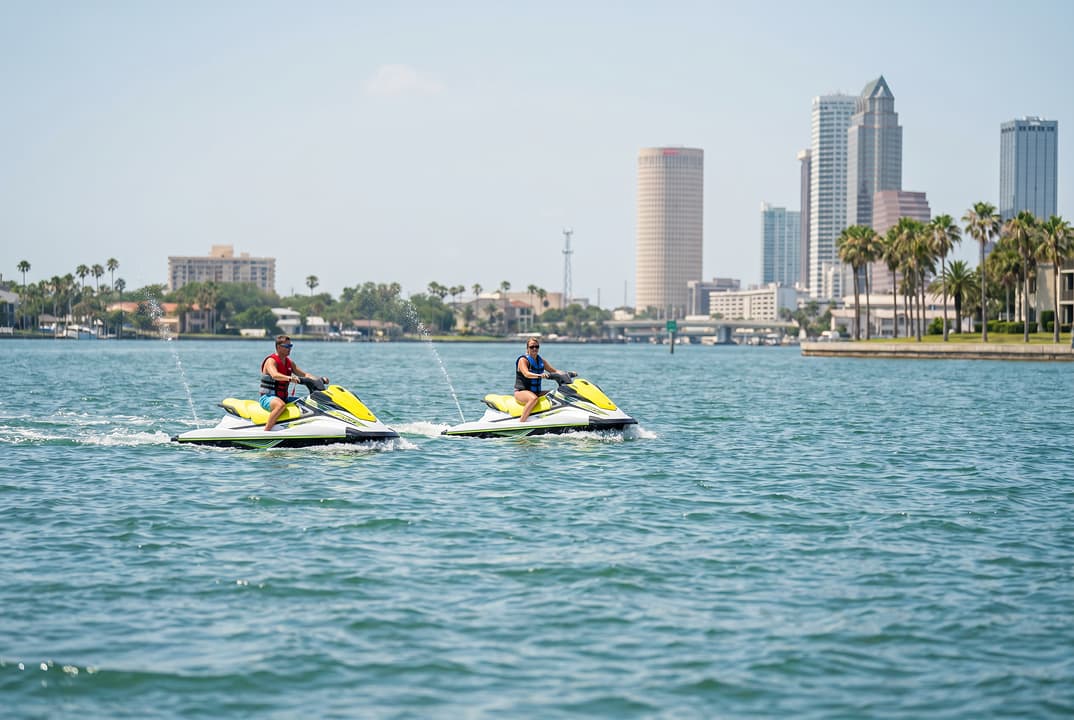
That matters because the area creates a false sense of openness. Riders can move from a launch point into busier bay water quickly, and the case can turn on speed, spacing, wake conditions, visibility, or whether the renter had any meaningful understanding of local traffic before leaving the dock.
Harbour Island, Downtown Tampa, Bayshore, and Davis Islands
A Tampa page also has to account for the downtown side of the market.
Paramount Water Sports currently markets guided rides from Harbour Island and promotes routes along Bayshore Boulevard with city-skyline views.
That setting is not just scenic. It is a mixed-use water environment where guided groups, private boats, waterfront activity, and larger vessel traffic can all affect how a crash happens and how fault is analyzed. A collision near Harbour Island or Davis Islands raises different issues than an ejection in more open water.
Lower Hillsborough Bay, Ballast Point, and Working-Water Corridors
Tampa also has a working-waterway side that weaker local pages miss.
The farther a ride moves into lower Hillsborough Bay or nearby channel traffic, the more likely the case will involve lookout duties, navigational choices, spacing, wake effects, and witnesses who were only in the area briefly. That geography is not background texture. It can affect right-of-way disputes, available surveillance, restricted-area issues, and which business or vessel owner should actually be named in the claim.
Who Can Be Liable for a Tampa Jet Ski Accident?
One of the most common mistakes after a jet ski crash is assuming only one person can be at fault. In many Tampa and Hillsborough County cases, liability is shared.
The Jet Ski Operator
If the operator was speeding, weaving through vessel traffic, following too closely, ignoring markers, cutting across another vessel’s path, showing off, or riding carelessly in a crowded corridor, that operator may be legally responsible for the injuries that followed.
The Rental Company
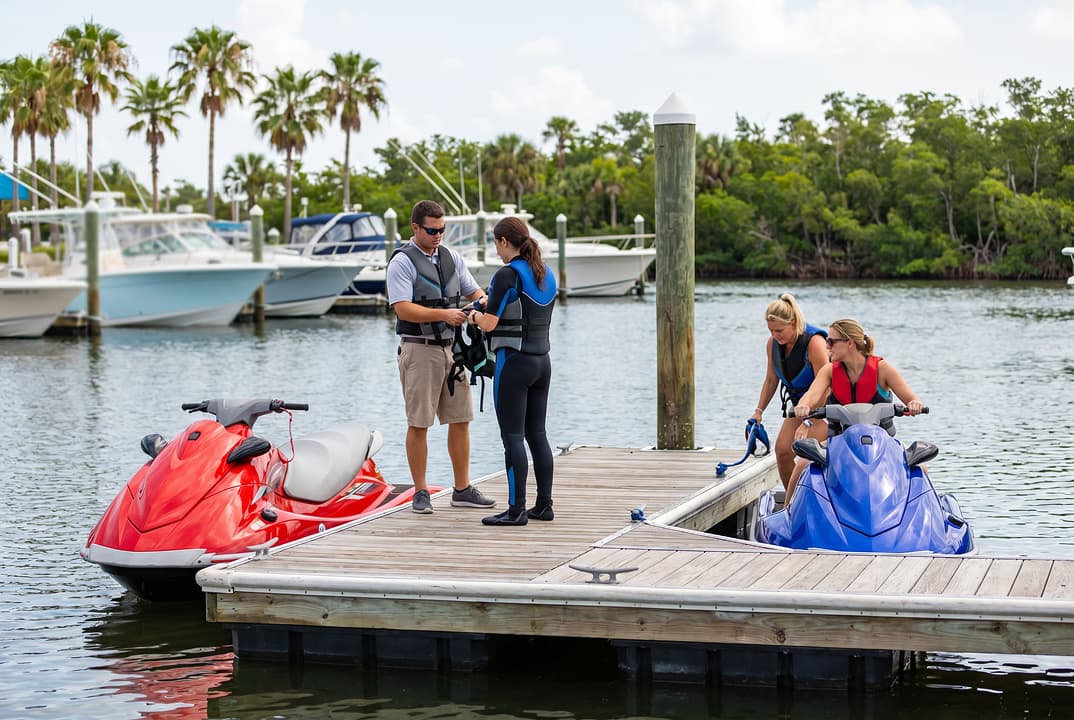
Rental-company liability is often one of the most important issues in these cases. A rental business may face liability if it put the wrong person on the water, rushed through instruction, failed to explain local hazards, ignored route conditions, kept poor records, or released a jet ski that was not in safe operating condition. In some cases, the most important evidence is not the damaged watercraft. It is the instruction form, the booking record, the written agreement, the employee statement, the insurance disclosure, and what the company’s dock or marina footage shows before departure.
A Guided Tour Operator
A guided ride does not eliminate risk. It can create additional responsibility. If a business led riders through congested water, failed to control spacing, pushed an unsafe pace, or moved inexperienced riders through areas that required closer supervision, the guide or tour operator may share liability.
Another Vessel Operator
Some crashes involve another jet ski, a private boat, a charter vessel, or another watercraft using the same channel or bay. These cases can involve shared fault, dangerous passing, right-of-way disputes, lookout failures, or speed-related errors.
The Owner of the Jet Ski
If a privately owned jet ski was handed to someone obviously inexperienced, impaired, or otherwise unfit to operate safely, the owner may face liability under negligent entrustment principles.
A Manufacturer or Maintenance Provider
Not every serious crash is caused only by operator error. Steering problems, throttle issues, engine cutoff failures, or poor maintenance can turn a manageable situation into a catastrophic injury event. When the machine itself failed, the case may need to be investigated as more than a routine negligence claim.

The Florida Rules That Often Matter Most in Tampa Jet Ski Cases
These claims get stronger when the facts are tied to actual Florida rules instead of vague claims that someone was just careless.
Florida’s personal watercraft statute, section 327.39, requires each person riding on or being towed behind a personal watercraft to wear an approved non-inflatable personal flotation device. It also requires the operator to use the engine cutoff lanyard when the craft is equipped with one, bars operation from one-half hour after sunset to one-half hour before sunrise, and treats conduct like weaving through congested vessel traffic, wake-jumping too close, and swerving at the last moment to avoid collision as reckless operation. The same statute prohibits anyone under 14 from operating a personal watercraft. See also the FWC boating regulations summary.
Florida’s boating safety law, section 327.395, also matters in rental cases. In general, a person born on or after January 1, 1988 must have the required boating-safety documentation to operate a vessel powered by 10 horsepower or greater, unless an exemption applies.
For rental operators, section 327.54 is often where the case becomes more interesting. Florida requires pre-rental or pre-ride instruction that covers the vessel’s operation, right-of-way, the operator’s responsibilities, local waterway hazards, and emergency procedures. The renter must provide a written statement attesting to the instruction, the instructor must sign it, and the livery must keep that form for at least 90 days. The livery must also keep a written rental agreement for at least 1 year, may not rent a non-human-powered vessel to anyone under 18, must verify the required boating-safety documentation when that rule applies, and must make its facilities and records available to law enforcement on request. The FWC livery regulations page is a useful plain-English reference.
Florida’s written-report law matters too. Under section 327.301, a written boating accident report may be required not only for bodily injury, death, or disappearance, but also when there is apparent aggregate property damage of at least $2,000.
That is not technical filler. In a serious Tampa or Hillsborough County jet ski case, those rules and records can help show exactly what the company did, what it failed to do, and whether the crash was predictable before the ride ever began.
Why Rental and Guided Jet Ski Cases in Tampa Are Different
A private-owner crash and a rental-company crash are not the same kind of case.
In the Tampa market, many riders are visitors or occasional users with limited local water experience. They may not understand channel traffic, no-wake transitions, mixed vessel use, or how quickly conditions change once they leave the launch point. A short explanation at the dock is not the same thing as meaningful pre-ride instruction.
That is why the right questions usually go beyond, “Who hit whom?”
- What instruction was actually given before the ride?
- Did the business explain local hazards, traffic, and no-wake issues?
- Was the rider legally qualified to operate the craft?
- Was the equipment in safe operating condition?
- Was a guided group managed safely?
- What paperwork exists, and does it match what really happened?
- What insurance information was provided to the renter?
When those questions are answered early, the case usually gets stronger.
How We Build a Tampa Jet Ski Accident Case
The strongest cases are built on records and proof, not on assumptions or the first story an insurer decides to write down.
- the FWC, Coast Guard, or law-enforcement incident report
- the rental agreement and booking records
- the pre-rental or pre-ride instruction form
- the waiver and any insurance declination form
- the identity and training background of the employee who handled the launch
- dock, marina, hotel, or nearby business surveillance footage
- phone videos and photos taken before or after the ride
- route, GPS, or location data when available
- maintenance logs, repair records, and prior equipment issues
- witness statements from other renters, bystanders, or boaters in the area
- medical records showing how the injury developed over time
In many Hillsborough County cases, the paperwork matters almost as much as the crash itself. Not every case starts in a courtroom, but many become much stronger once someone gets past the surface-level story and into the actual instruction file, the timing, the route, and the business records.
Common Injuries in Tampa Jet Ski Accident Cases
Head and Brain Injuries
A rider can suffer a concussion or a more serious traumatic brain injury from impact with the water, a dock, another vessel, or the jet ski itself.
Neck, Back, and Spinal Injuries
High-speed ejections and twisting impacts can cause disc injuries, vertebral fractures, nerve damage, and long-term pain or mobility problems.
Broken Bones and Orthopedic Trauma
Wrists, shoulders, ribs, hips, arms, and legs are commonly injured in collisions and ejections. These injuries often involve surgery, rehabilitation, and months away from normal work or activity.
Internal Injuries
A hard impact with the water or another vessel can cause internal bleeding and organ damage that may not be obvious right away.
Lower-Body Trauma and Deep Soft-Tissue Injury
Thrown riders and passengers can suffer serious lower-body injuries during the ejection sequence or when they are struck by the craft after impact.
Drowning and Near-Drowning Injuries
A rider who is unconscious, disoriented, pinned, or unable to stay afloat may suffer oxygen deprivation, respiratory complications, or fatal injury.
Wrongful Death
Some jet ski crashes leave families dealing with funeral costs, lost support, and legal questions they never expected to face. In fatal cases, a related wrongful death claim may need to be evaluated promptly.
Delayed Symptoms Can Still Be Serious After a Tampa Jet Ski Crash
Not every serious injury announces itself at the dock.
People often feel embarrassed, shaken, or relieved to be back on land and assume they are fine. Then the headache gets worse. The dizziness starts later. Neck pain tightens up overnight. Abdominal pain shows up hours after the ride. That pattern is common in head injury, spine injury, and internal trauma cases.
That is one reason medical timing matters so much. Delayed symptoms do not make the injury less real. But a delayed workup can give an insurance company room to question what happened, so it is important to get checked and follow through with care.
What To Do After a Jet Ski Accident in Tampa or Hillsborough County
Get Medical Care Right Away
Do not assume you are fine because adrenaline is masking the pain. Brain injuries, internal injuries, spinal injuries, and soft-tissue damage are often underestimated in the first moments after a crash.
Make Sure the Accident Is Reported
A serious boating accident may need to be reported, and Florida’s written-report law also reaches accidents involving significant property damage. If FWC, the Coast Guard, local law enforcement, or marina personnel responded, get the report information if you can.
Save Every Rental and Booking Record
Keep the rental agreement, waiver, receipt, booking confirmation, text messages, email confirmations, safety material, photos, and videos connected to the ride. Do not assume the business will preserve the best copy for you.
Get Witness and Scene Evidence Early
If you can safely do it, get names, phone numbers, photos, and videos of the watercraft, nearby vessels, launch area, posted signs, and visible injuries. In tourist-heavy Tampa locations, witnesses leave fast.
Be Careful With the Insurance Call
The first insurance conversation is often about protecting the business, not protecting you. Do not guess, minimize your injuries, or give a recorded statement before you understand where liability may fall.
Talk to a Lawyer Before the Records Go Cold
Surveillance can be overwritten. Dock footage can disappear. Employee accounts can change. A lawyer can move quickly to preserve evidence before the case gets rewritten around you.
Compensation and Insurance Issues in a Tampa Jet Ski Claim
The value of a jet ski case depends on much more than the first emergency-room bill or the first offer an insurer puts on the table.
Compensation may include medical expenses, hospitalization, surgery, rehabilitation, future care, lost wages, reduced earning capacity, pain and suffering, emotional distress, loss of enjoyment of life, property loss, and wrongful death damages when a loved one is killed. In serious cases, the biggest damage is often what comes after the initial discharge: follow-up imaging, specialist care, neurological treatment, spine care, orthopedic recovery, time away from work, and the long tail of limitations that do not show up in the first week.
That is why damages have to be built carefully. A rider with a brain injury, spinal injury, internal trauma, or a serious lower-body injury may be facing months of treatment, unstable work capacity, and future care needs that are easy to undervalue early.
The insurance picture matters just as much. There may be a rental-business policy, a tour operator’s coverage, another boater’s liability coverage, a private owner’s policy, or other available layers depending on how the crash happened. In some cases, the real fight is not just about fault. It is about identifying every viable source of recovery before the injured person is pushed toward a quick, incomplete settlement that closes the case long before the full damage is understood.
Why People in Tampa and Hillsborough County Call Armando Personal Injury Law
After a serious jet ski crash, people want more than generic advice.
They want to know who may actually be responsible, whether a rental company followed the rules, what records need to be preserved, what insurance may apply, and how to avoid being pushed into a fast, cheap resolution before the full damage is understood.
That is where we come in.
Armando Personal Injury Law helps injured people and families in Tampa and throughout Hillsborough County pursue compensation after serious accidents. We investigate the facts, preserve evidence, handle the insurance communication, and build the liability case so you can focus on treatment and recovery. These cases often turn on details that disappear fast, and we treat them that way from the start.
Attorney Armando Edmiston is a Hillsborough County native, U.S. Marine Corps veteran, and the founding attorney of the firm.
Frequently Asked Questions About Tampa Jet Ski Accidents
Can a rental company be liable even if another rider caused the crash?
Yes. A rental company may still be liable if it failed to screen the renter properly, skipped meaningful instruction, ignored local hazards, kept poor records, or put unsafe equipment on the water. More than one party can share fault in the same case.
Does it matter where in Hillsborough County the crash happened?
Yes. The location can affect right-of-way issues, no-wake rules, available witnesses, what businesses hold records, and whether a bay, channel, river, marina, or downtown corridor setting changed the risk. Where the ride started and where the crash happened are both important.
What if the rider who caused the crash was a tourist?
That does not prevent a claim. Tourist-heavy Tampa corridors are common settings for these cases, and there may be multiple liability and insurance paths to review.
What if I signed a waiver?
A waiver does not automatically end the case. The language matters, but so do the facts. If a rental company failed to follow safety rules, used poor instruction practices, or acted negligently, the waiver may not protect it the way the business hopes.
What if another boat was involved?
Then the claim may involve more than one operator, more than one policy, and more than one theory of fault. These cases often require close review of lookout duties, speed, route choices, and right-of-way issues.
What if my symptoms got worse after I left the water?
ÏThat happens more often than people think. Brain injuries, spine injuries, and internal trauma may become more obvious hours later. Get medical care, follow up as symptoms change, and make sure the timeline is documented clearly in your records.
What records should I keep after a jet ski rental accident?
Keep everything tied to the ride, including the rental agreement, waiver, receipt, booking confirmation, safety material, photos, videos, text messages, and contact information for witnesses. In many cases, those records become more important than people expect.
How soon should I speak with a lawyer?
As soon as possible. These cases can change quickly because witnesses leave, videos disappear, and rental or marina records do not stay available forever.
Talk to a Tampa Jet Ski Accident Lawyer
A jet ski crash can leave you dealing with pain, missed work, medical uncertainty, and a business or insurer that already started protecting itself.
Contact Armando Personal Injury Law to discuss what happened, who may be responsible, what evidence needs to be locked down now, and what your case may actually be worth. In many Tampa and Hillsborough County cases, the difference between a weak claim and a strong one comes down to whether someone moved quickly enough to secure the rental file, instruction form, dock footage, booking records, and employee accounts before they disappeared or changed.
We handle these cases on a contingency fee basis, so there is no fee unless we recover compensation for you. Contact the firm for a free consultation.
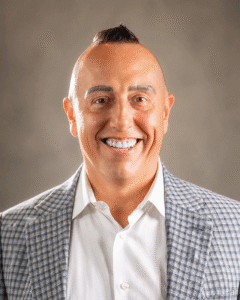
About the Author
Attorney Armando Edmiston is the founding attorney of Armando Personal Injury Law in Tampa and St. Pete, Florida. A U.S. Marine veteran and Hillsborough County native, he represents injured people and families in serious injury cases, including car accidents, truck accidents, motorcycle accidents, wrongful death, negligent security, premises liability, and nursing home abuse and neglect claims. Armando earned a B.S. in Biology from the University of South Florida and a J.D., cum laude, from Nova Southeastern University. He is also one of only six lawyers in Florida listed with the ACS Forensic Lawyer-Scientist designation.