Tampa Waymo Accident Lawyer
Injured in a Tampa Crash Involving a Waymo Vehicle?
If you were hurt in a Tampa crash involving a Waymo vehicle, you may have a claim against Waymo, a human operator, a passenger, another driver, or multiple parties at once. These cases are different from ordinary crashes because the company may control the most important evidence, including app data, trip records, video, sensor logs, and remote-support communications. Florida law also treats the automated driving system as the operator when it is engaged, which makes company-level liability a central issue from the start.
Readers looking for broader help after any crash should also understand how a Tampa car accident lawyer evaluates liability, evidence, and damages in serious injury claims.
A Tampa Waymo crash can happen during mapping, testing, pickup, drop-off, or autonomous operation. Reuters reported that Waymo's expansion into Tampa began with human-driven vehicles as part of a phased rollout that includes mapping, data collection, supervised testing, and later broader driverless service. That means people in Tampa Bay can be exposed to Waymo-related risk before the service feels fully launched to the public.
A Waymo case is not just about whether one car hit another. It is about who designed the system, who approved the rollout, what the vehicle detected, whether it took reasonable evasive action, whether human support got involved, and what insurance is actually available after the crash. In a Hillsborough County car accident lawyer case, those issues may determine not only who is liable, but whether the injured person can actually recover the full value of the claim.
Free Consultation
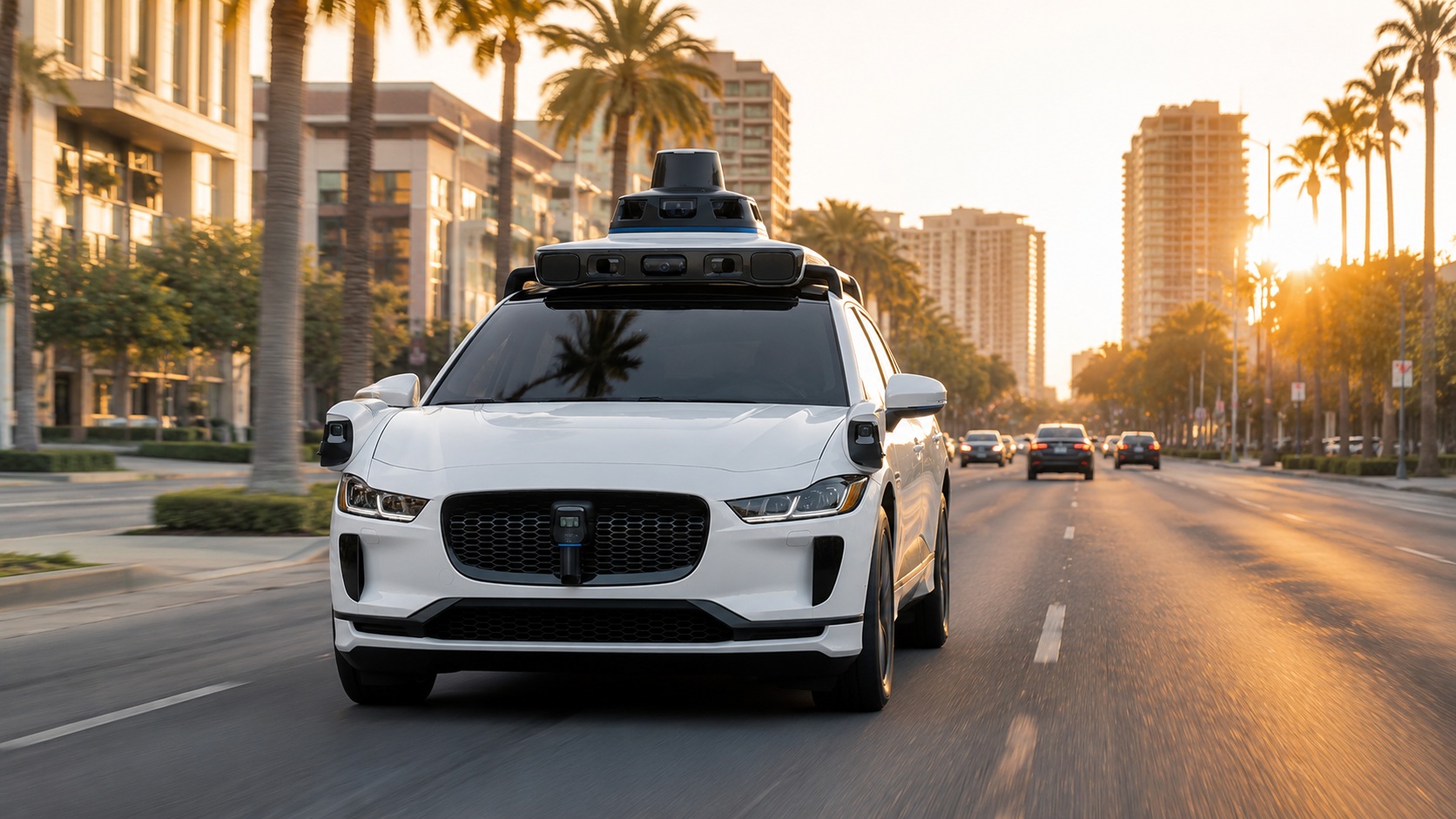
Waymo-related crashes in Tampa can raise serious questions about company liability, evidence, and insurance.
Can You Sue After a Tampa Waymo Accident?
Yes. A Tampa Waymo injury claim may involve ordinary negligence, corporate negligence, negligent hiring or supervision, vicarious liability, unsafe stop-location decisions, passenger-exit failures, remote-assistance issues, or fault against another driver who helped cause the collision.
The key issue is not whether Waymo calls the vehicle autonomous. The key issue is whether a company-controlled driving system, a human support structure, a mapping or deployment decision, or another negligent act helped cause the injury. Florida's autonomous-vehicle statute matters here because it says the automated driving system may be deemed the operator when engaged and does not require a licensed human operator to operate a fully autonomous vehicle.
Why Waymo Cases Are Different From Ordinary Tampa Car Accidents
A normal Tampa crash case usually starts with a human driver making a mistake. A Waymo case can involve mapping data, software decisions, cameras, lidar, radar, remote assistance, event logs, app records, and company operating procedures that do not exist in a regular collision. Waymo says its system uses highly detailed maps, cameras, lidar, radar, and onboard compute to identify road users and plan a safe trajectory in real time on its Waymo Driver page.
That matters because the company may control the evidence that explains what really happened. Instead of only asking what a driver saw, a serious Waymo case may require answers to very different questions:
"Armando and his staff are incredible. Very professional and attentive. Any time I had questions or concerns about my case (which was quite often) they were happy to answer and give me peace of mind. If I ever have a need for an attorney in the future I will always use and recommend Armando."— Matt C. Actual client. Results may vary; each case is different.
- 1What did the vehicle detect?
- 2What did it predict would happen next?
- 3Did it choose a safe path?
- 4Did it choose a safe stop?
- 5Did it warn a passenger before an unsafe exit?
- 6Did remote support get involved?
- 7Did the system have enough time to slow, stop, or steer away?
Those are company questions, not just driver questions.
Waymo-Related Crashes Can Happen During Tampa's Mapping and Rollout Phase
One of the most important liability points is that this problem starts before most people even think of Waymo as a normal public ride option. Reuters reported that Tampa was added as part of Waymo's broader expansion and that the company's phased rollout begins with human-driven vehicles. Waymo's mapping handbook also explains how new areas are mapped street by street.
That matters on real Tampa roads. A crash during mapping or early rollout may still seriously injure a pedestrian in a busy downtown pickup zone, a cyclist near an urban corridor, a passenger, or another driver on roads like I-275 feeder routes or high-conflict surface streets. A Waymo-related collision in Tampa might involve:
- ►A human mapping driver making a mistake
- ►A supervised vehicle failing to react correctly
- ►A fleet vehicle stopping in an unsafe area
- ►A curbside pickup or drop-off conflict
- ►A bike-lane or crosswalk hazard
- ►A school-zone or pickup-zone failure
The public should not have to wait for full rider rollout before asking who is accountable when the company's expansion activity creates risk on local roads.
Hidden Human Involvement Is Part of the Liability Story
Waymo markets autonomy, but these cases may still involve human support in difficult situations. Waymo says its remote-assistance model is "advice, not control", and says remote assistance does not continuously monitor vehicles or directly drive them. At the same time, Waymo says those personnel respond to specific requests initiated by the automated driving system and disclosed latency figures for both U.S.-based and abroad-based operations centers.
That makes human involvement a legitimate part of discovery. If humans are providing information, guidance, escalation support, or other input during unusual events, then the case should examine what those people were trained to do, where they were located, how quickly they responded, what information they received, and whether their role was properly disclosed and supervised.
A company should not get the marketing benefit of driverless language and then minimize the importance of humans when an injury case raises questions about training, supervision, or overseas support.
Hurt in a Tampa Waymo crash? Evidence can disappear fast. Call us before the defense shapes the story.
Get Legal Advice NowCase Results
$1,250,000 Car Accident Settlement $900,000 Rideshare Driver — Surgery Required (Insurer Offered $20K) $650,000 Rear-Ended by a Semi-Truck $500,000 Left-Turn Car Accident — Back Surgery, Policy Limits $250,000 Electric Scooter Accident $50,000 Rear-End Accident — Whiplash, Therapy & InjectionsPast results do not guarantee a similar outcome. Each case is different.
Why Waymo May Still Share Fault Even When Another Driver Causes the Crash
Waymo should not get a free pass simply because another driver was careless first. A computer is not supposed to get tired, blink, look away, or suffer ordinary human reaction-time limitations. So if another driver creates a hazard, the investigation should still ask whether the Waymo vehicle detected the risk and took reasonable evasive action to avoid the collision or reduce the force of impact.
If another driver runs a red light, cuts across lanes, stops short, or creates an emergency, the investigation should still ask:
That is especially important in Tampa traffic, where sudden lane changes, red-light violations, crowded intersections, tourist congestion, and bicycle conflicts can create the kind of dynamic conditions Waymo says its system is designed to handle.
Public Incidents Already Show the Kinds of Failures That Matter
Public incidents help show how these cases happen in the real world. In one widely reported case, a bicyclist sued after a Waymo vehicle allegedly stopped in a no-stopping zone and a passenger opened the rear door into the cyclist's path. Court reporting says the cyclist was ejected and landed on a second Waymo vehicle that was also obstructing the bicycle lane. Those allegations show how a Waymo claim may involve curbside stop logic, bike-lane positioning, passenger-exit safety, and warnings that allegedly failed at the worst moment. Readers dealing with similar road-user issues may also want broader guidance from the firm's bicycle accident lawyer page.
Another public example involved a 9-year-old student pedestrian in a Santa Monica school zone. The NTSB says an unoccupied Waymo-operated vehicle struck the child while she was crossing midblock within the school zone. Even when the injury is not catastrophic, the core question remains the same: why did the system fail to identify, react to, or avoid a foreseeable pedestrian hazard quickly enough? Readers dealing with similar vulnerable-road-user issues may also benefit from the firm's pedestrian accident lawyer page.
These examples move the issue from theory to real-world injury patterns and help show why a strong Waymo page should be built around accountability, not novelty.
"My husband was rear ended by a commercial vehicle in Tampa, Florida. Within a day Armando was at our kitchen table listening to our story and explaining what could happen. He helped coordinate my husband's care, set up doctor consults, initiated the claim all while thoroughly explaining what the next step was. Armando and his team were able to get maximum recovery available without having to go to court! Armando is very personable and available. He'd answer my worried, over thinking texts at 9pm. He's a great lawyer and someone you'd enjoy having at your family gathering — a true people's person."— Kellie N. Actual client. Results may vary; each case is different.
Who May Be Liable After a Tampa Waymo Crash?
Waymo
Waymo may be liable if the automated driving system, mapping, route planning, stop selection, passenger-exit design, remote-assistance process, maintenance, training, supervision, or deployment decisions contributed to the crash.
A Human Driver or Safety Operator
If the vehicle was being manually operated during mapping, testing, or fleet movement, a human operator may be directly negligent and the company may also be responsible.
A Passenger
A passenger may share fault if they open a door into a cyclist, step into traffic, interfere with the trip, or otherwise create danger. But the inquiry should not stop there if the stop location or exit system was unsafe.
Another Driver
Another motorist may have caused all or part of the crash. That becomes a major recovery issue in Florida when the other driver has little or no bodily injury coverage.
Other Entities
Depending on the facts, a case may also involve maintenance providers, contractors, component failures, or other operational partners.
"I got into a car accident where I was a passenger. It was not a high-speed accident but I still suffered significant back and neck injuries. I was referred to Armando by my mother. He had represented her on a slip and fall which had to be litigated. I called Armando and he met with me at a time and location that was convenient for me. He was easy to work with, helped me report the claim and get medical help. It took 11 months to get through the process but I'm glad I called Armando and I'm very happy I did. We settled my case for a very fair amount."— Fabian B. Actual client. Results may vary; each case is different.
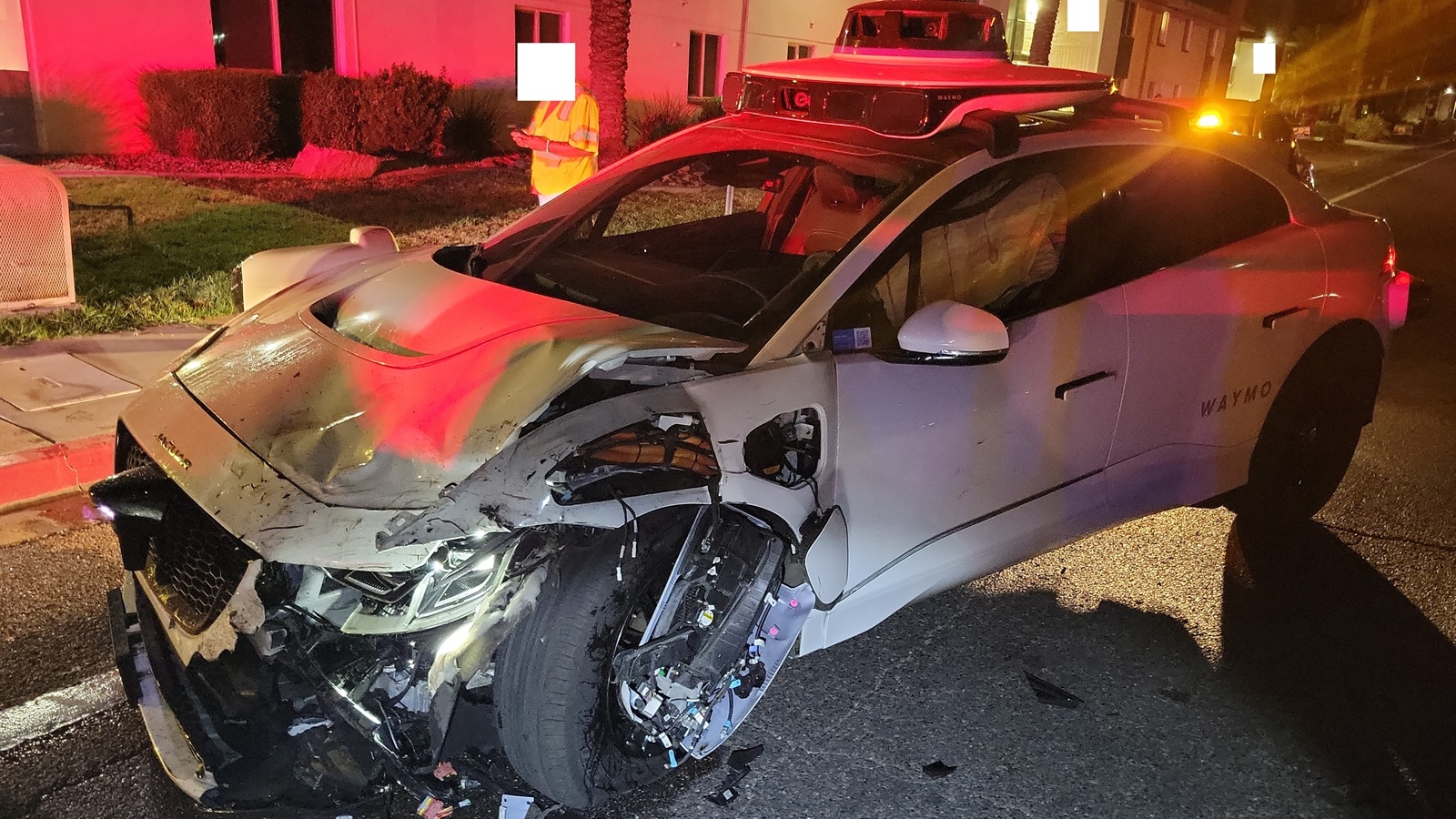
A Waymo claim may involve fault allocation, technical records, and insurance issues that are not obvious at the scene.
Waymo's Insurance May Not Fully Protect Injured Passengers
A lot of readers will assume that because Waymo is a major company, insurance will not be a problem. That is a dangerous assumption.
Florida law requires a fully autonomous vehicle operating on an on-demand network or in a prearranged ride to carry at least $1 million in primary liability coverage, along with PIP and uninsured and underinsured motorist coverage as required by section 627.727. That framework appears in Florida's autonomous-vehicle insurance statute, and the Florida UM statute is a critical part of that analysis. Readers who want broader guidance on this issue may also benefit from the firm's page on car accidents involving uninsured and underinsured motorists.
In a serious case, the real question is not just whether there is a big policy somewhere. The real question is how fault is divided, what coverage applies, whether there are exclusions or limits that matter, and whether another at-fault driver has enough insurance to pay for the harm they caused.
Why Your Own UM and PIP Still Matter in a Waymo Case
Even if a Waymo vehicle is involved, Florida insurance problems do not disappear. Florida's registration system generally requires PIP and property damage liability coverage for most drivers, which means a negligent motorist may still be on the road without meaningful bodily injury coverage for the people hurt. That is one of the biggest recovery traps in a Waymo case involving another driver. The Florida Highway Safety and Motor Vehicles page on basic insurance requirements explains that minimum coverage structure, and the agency's uninsured motorist rate data underscores why the risk matters.
That is why people should carry their own PIP and strong uninsured and underinsured motorist coverage. Florida's UM statute says that when an injured person is occupying a vehicle they do not own, they may be entitled to the highest UM limits available under a policy where they are a named insured or insured family member, and that coverage is excess over coverage on the vehicle they are occupying. That is a strong consumer-protection point because it applies not only to Waymo accidents, but to any Florida crash involving an uninsured or underinsured driver. Readers dealing with related injury questions may also benefit from learning more about pain after a car accident and how delayed symptoms can affect a claim.
Comparative Fault Can Leave an Innocent Passenger With a Recovery Gap
For an innocent passenger, the problem is often not that the passenger did anything wrong. The problem is that fault may be split between Waymo and another at-fault driver. If the other driver has little or no collectible insurance, the passenger may recover only the collectible share unless usable UM coverage exists somewhere. Florida's comparative-fault statute is part of that framework.
That is why this issue should not be framed as futuristic technology replacing old insurance problems. It should be framed as futuristic technology colliding with Florida's familiar insurance gaps.
These Cases Will Require More Than a Normal Crash Investigation
Serious Waymo cases are likely to require a team of experts, not just a routine crash file. These claims may involve science, engineering, human factors, software analysis, and technical proof, and it can take real resources to identify how to prove Waymo's fault to a jury. In high-value injury claims, readers may also need broader guidance from a Tampa personal injury lawyer when liability, damages, and future medical proof become more complex. For more on attorney background and evidence-driven case work, see Armando Edmiston's attorney bio.
A strong Waymo case may require:
This is not a basic fender-bender evidence list. It is a corporate evidence case.
What Should You Do After a Tampa Waymo Accident?
Get medical care immediately. Report the crash. Save app screenshots, trip records, photos, witness names, and anything showing where the vehicle stopped or how the scene looked. Do not assume the company will preserve every helpful record on its own. Do not assume the insurance picture is simple. And do not assume the crash was unavoidable just because software was involved.
The earlier the evidence is preserved, the harder it is for the defense to reshape the story later. In Florida, prompt medical attention also matters for both health and insurance reasons, especially when a crash leads to delayed symptoms rather than obvious trauma at the scene. Waymo's own guidance on what to do after a collision is also worth preserving for trip-specific documentation.
-
Get Medical Care Immediately
Do not wait. Motorcycle, pedestrian, and passenger injuries are not always fully understood at the scene. Head trauma, internal injury, and spinal problems can worsen quickly — and delays in treatment can affect both your health and your claim.
-
Report the Crash and Preserve the Facts
Report the crash. Save app screenshots, trip records, photos, witness names, and anything showing where the vehicle stopped or how the scene looked.
-
Do Not Assume the Company Will Preserve Evidence
Do not assume the company will preserve every helpful record on its own. Do not assume the insurance picture is simple.
-
Preserve Waymo's Own Post-Collision Guide
Waymo's own guidance on what to do after a collision is also worth preserving for trip-specific documentation.
-
Talk to a Lawyer Before the Case Gets Harder to Prove
Company-controlled records, app data, scene evidence, witness recollections, and insurance positions all need to be locked down early. Do not assume the crash was unavoidable just because software was involved.
Why Call Quickly After a Tampa Waymo Accident?
A Waymo case can get harder to prove the longer you wait. Company-controlled records, app data, scene evidence, witness recollections, and insurance positions all need to be locked down early. A fast investigation can help identify who may be liable, what policies may apply, and whether critical technical evidence needs to be preserved before the defense narrows the story.
That is especially important in a Tampa Bay case involving multiple vehicles, a bike-lane conflict, a pedestrian impact, or a downtown pickup or drop-off sequence where surveillance footage and third-party records may disappear quickly.
Waymo accident cases are more complicated than ordinary Tampa car accidents. They can involve mapping and rollout activity, human support behind the scenes, software and sensor failures, passenger-exit problems, expert-heavy proof, fault allocation fights, and insurance gaps that leave injured people exposed.
Call (813) 482-0355 to discuss what happened, what coverage may apply, and what evidence should be protected now.
Speak With Our TeamFrequently Asked Questions About Tampa Waymo Accident Claims
Can I sue Waymo after a crash in Tampa?
Yes. Depending on the facts, the claim may involve Waymo, a human operator, a passenger, another driver, or several parties at once. Florida law's treatment of the automated driving system as the operator when engaged makes company-level liability especially important in these cases.
Can a Waymo accident happen before public rider service is fully available in Tampa?
Yes. Mapping, testing, fleet movement, and rollout activity can still create real injury risk before broad public use, and Reuters reported Tampa's rollout began with human-driven vehicles as part of that phased process.
Why does human involvement matter if Waymo says the vehicle is autonomous?
Because human support, remote input, training, supervision, latency, escalation, and disclosure may all become important when a difficult situation leads to a crash. Waymo itself says remote assistance provides advice in response to system requests rather than continuously driving the vehicle.
Can Waymo still be partly at fault if another driver caused the crash?
Yes. A plaintiff may still argue that the vehicle should have detected the risk and taken evasive action to avoid or reduce the impact, even if another driver created the original hazard.
Why should I carry my own UM coverage if I ride in Waymo vehicles?
Because another at-fault driver may not have enough insurance, and Florida law may allow your own UM coverage to provide excess protection when you are injured in a vehicle you do not own.
What evidence matters most in a Waymo injury case?
Technical vehicle data, company records, remote-assistance records, app information, scene evidence, surveillance footage, and medical proof can all be critical.
Why are these cases harder than normal crash cases?
Because they often require engineering, software, sensor, and reconstruction analysis, not just ordinary liability proof, and because the company may control the strongest evidence from the beginning.
"Armando was been persistent from the moment I talked to him after my son and I were in an awful car accident. Armando made all my fears start to melt away. 2 years later, justice was served! I couldn't be happier with my lawyer and how he handled my case."— Rae R. Actual client. Results may vary; each case is different.
Talk to a Tampa Lawyer Before the Case Gets Harder to Prove
Waymo accident cases are more complicated than ordinary Tampa car accidents. They can involve mapping and rollout activity, human support behind the scenes, software and sensor failures, passenger-exit problems, expert-heavy proof, fault allocation fights, and insurance gaps that leave injured people exposed.
Armando Personal Injury Law helps injured people in Tampa Bay investigate serious crash cases, preserve critical evidence, and pursue accountability when a company's choices cause real harm. If you were injured in a Tampa crash involving a Waymo vehicle during mapping, testing, pickup, drop-off, or autonomous operation, call (813) 482-0355 to discuss what happened, what coverage may apply, and what evidence should be protected now.
You can also review broader guidance from the firm's Florida car accident lawyer hub and its wrongful death claim page when a crash has fatal consequences.
Let Armando Be Your Voice For JusticeFree Consultation
About the Author
Attorney Armando Edmiston is the founding attorney of Armando Personal Injury Law in Tampa and St. Pete, Florida. A U.S. Marine veteran and Hillsborough County native, he represents injured people and families in serious injury cases, including car accidents, truck accidents, motorcycle accidents, wrongful death, negligent security, premises liability, and nursing home abuse and neglect claims. Armando earned a B.S. in Biology from the University of South Florida and a J.D., cum laude, from Nova Southeastern University. He is also one of only six lawyers in Florida listed with the ACS Forensic Lawyer-Scientist designation.