Hyundai has stopped selling certain 2026 Hyundai Palisade SUVs and is preparing a recall after a fatal accident involving a young child. According to Hyundai and multiple news reports, the issue involves the second- and third-row power seat systems in certain Palisade trims, which may not properly detect contact with a person or object in some situations.
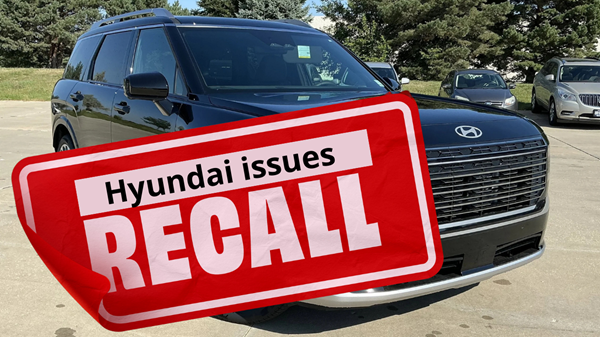
Hyundai has issued a stop-sale and urgent recall for certain 2026 Palisade models following a tragic incident involving the power-folding seats. If your family drives a Limited or Calligraphy trim, it's critical to understand how these sensor failures can impact child safety and what steps you should take next.
Hyundai has halted sales of certain 2026 Palisade SUVs and is developing a recall remedy tied to second- and third-row power seat safety concerns.
For families, this is a serious reminder that vehicle safety problems are not limited to crashes on the road. Defects involving power seats, latches, sensors, child safety systems, and occupant detection technology can create dangerous conditions inside a vehicle, especially when children are nearby. If a manufacturer knew or should have known a dangerous condition existed, questions of product liability, recall responsibility, and consumer safety become critical.
Hyundai Has Halted Sales of Certain 2026 Palisade Models
Hyundai Motor North America said sales are currently on hold for the 2026 Hyundai Palisade Limited and Calligraphy trims. The company stated that the second- and third-row power seats may fail to adequately detect contact with an occupant or object during certain folding operations or while using the second-row one-touch tilt-and-slide function. Reuters reported the affected population at about 68,500 vehicles, including roughly 60,500 in the United States and about 8,000 in Canada.
Why This Recall Matters
Hyundai acknowledged a fatal incident in Ohio involving a two-year-old girl on March 7, 2026. The company said the incident remains under investigation and that it does not yet have the full details, but it has nevertheless moved forward with a stop-sale and recall action tied to the power-seat issue.
That matters because recalls are typically issued when a manufacturer or NHTSA determines that a vehicle or component creates an unreasonable safety risk or fails to meet minimum safety standards. NHTSA also states that consumers can report safety defects directly to the agency, which helps trigger review and enforcement activity.
What Hyundai Says the Problem Is
According to Hyundai’s public statement and reporting on the stop-sale, the concern is that in some circumstances the affected seats may not properly sense contact with a person or object. That means the seat could continue moving when it should stop. In a family SUV, that raises obvious risks for:
- children entering or exiting the third row
- passengers sitting near a folding seat
- hands, arms, legs, or other body parts in the folding path
- objects such as child gear or bags interfering with seat movement
Hyundai has specifically warned owners to make sure no person or object, including a child, is in the seat or seat-folding area before activating the power-seat functions. The company also advised owners not to press the second-row seatback button during entry or exit when using the one-touch tilt-and-slide feature.
Is There a Fix Yet?
Hyundai said a full recall repair is still being developed. Reuters reported that Hyundai is also working on an interim over-the-air software update expected by the end of March 2026 to improve the system’s response to contact, add additional operating safeguards, and enhance overall system safety. Hyundai has also said affected customers can request a rental vehicle through its dealer network until a final remedy is available.
What Owners Should Do Right Now
If your family owns a 2026 Hyundai Palisade Limited or Calligraphy, take this issue seriously.
Check whether your SUV is affected
Owners should monitor Hyundai recall notices and check their VIN through official recall channels. NHTSA’s recall database explains that owners can search for open recalls and sign up for recall alerts.
Use extra caution with the second- and third-row power seats
Until Hyundai completes a remedy, owners should assume the power-seat system may not stop as intended in every situation. Hyundai’s own warning is to keep children, passengers, and objects clear of the seat-folding area before using those features.
Document any unusual seat behavior
If the seat keeps moving, pinches, fails to stop, or behaves unpredictably, document what happened. Save photos, video, repair records, warning messages, and communications from the dealership or manufacturer.
Report the problem
NHTSA states that consumers can report a vehicle safety defect directly to the agency. Those reports matter because they help identify patterns and support investigations.
When a Vehicle Recall May Also Be a Product Liability Case
A recall does not automatically compensate an injured family. A recall is a safety action. A product liability claim is different. It focuses on whether a defective vehicle or component caused injury or death, what the manufacturer knew, whether warnings were adequate, and what damages the injured person or family may be entitled to recover.
In a case involving a dangerous power seat or occupant-detection failure, important questions may include:
- Was the seat system defectively designed?
- Did Hyundai know of similar incidents or warning signs earlier?
- Were the sensor systems adequate for child safety?
- Were dealership and owner warnings timely and clear?
- Did the vehicle perform differently than a reasonable consumer would expect?
- Could a safer alternative design have prevented the injury?
Those are the kinds of issues that often arise in serious automotive defect litigation.
What Compensation May Be Available After a Defective Vehicle Injury
When a defective vehicle feature causes serious injury or death, damages may potentially include:
- medical expenses
- future medical care
- pain and suffering
- disability or disfigurement
- lost income or lost earning capacity
- wrongful death damages for surviving family members
The exact damages depend on the facts, the injuries, the applicable state law, and the evidence connecting the defect to the harm.
Why This Story Deserves Attention
Large family SUVs are marketed around comfort, convenience, and safety. When a powered seating system in a family vehicle allegedly fails to detect a child or occupant, the consequences can be catastrophic. This is exactly why recall reporting, defect investigations, and product safety enforcement matter. Hyundai’s stop-sale and planned recall show the issue is being treated as serious, but for affected families, the most important questions are whether the danger could have been prevented and whether anyone was hurt before the warning came.
Talk to a Lawyer if a Defective Vehicle Injured Your Child or Family Member
If your child or loved one was hurt by a dangerous vehicle defect, a recall notice is not the end of the story. You may still have questions about liability, evidence preservation, insurance, wrongful death rights, or whether the manufacturer can be held accountable.
Armando Personal Injury Law helps injury victims and families evaluate serious cases involving negligence and dangerous products. If a recalled vehicle, defective seat system, or unsafe automotive feature caused harm, our firm can investigate what happened and help you understand your legal options.
Call Armando Personal Injury Law at (813) 482-0355 or contact us through armandoinjurylaw.com/contact/ for a free consultation.
About the Author
 Attorney Armando Edmiston is the founding attorney of Armando Personal Injury Law in Tampa, Florida, a law firm dedicated to helping people harmed in car, truck, motorcycle, nursing home, and other serious injury cases. A U.S. Marine Corps veteran and personal injury lawyer, Armando draws on his real-world courtroom experience and years of representing injured Floridians to write and carefully review the legal content on this website. Every guide is written in clear, straightforward language so injured people and their families can better understand their rights, and is reviewed for legal accuracy before publication.
Client Testimonial
"I can’t recommend Armando highly enough. From the very beginning of my car accident case, he was professional, knowledgeable, and genuinely cared about making sure I was taken care of. Navigating the aftermath of an accident can be overwhelming, but Armondo made the entire process much easier by keeping me informed, answering all of my questions, and always making himself available when I needed guidance."
– Y.R. ⭐⭐⭐⭐⭐
Results vary; past results do not guarantee a similar outcome.