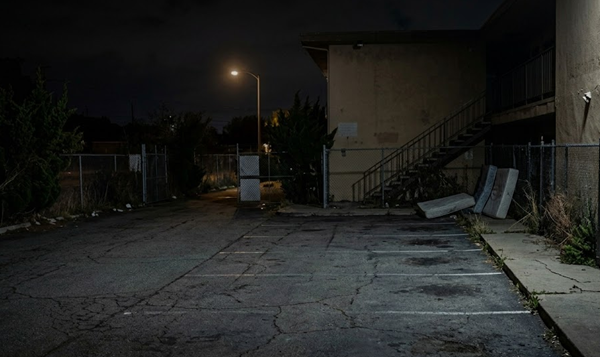
Negligent security cases exist because serious harm doesn’t happen in a vacuum. When hotels or apartment complexes ignore foreseeable risks and someone is violently assaulted, accountability can expose those failures and help protect the next person who would otherwise be placed in danger.
A Fight for Accountability After a Kidnapping and Violent Sexual Battery (AKA RAPE)
Some cases are about money. This one was about making sure those responsible were held to account and about a survivor who deserved to be safe while doing her job.
Armando Edmiston of Armando Personal Injury Law obtained a $2.65 million settlement in a negligent security case involving a major hotel chain and a Tampa apartment complex. A female delivery driver in her 20’s was abducted from hotel property and raped at a nearby apartment complex that allegedly lacked adequate security and had a history of crime.
No amount of money can undo what happened to her. The compensation doesn’t and cannot erase her trauma, restore peace, or turn back time. But civil justice can do two things:
- Provide resources for therapy, medical care, stability, and the ability to rebuild life.
- Force accountability so businesses and property owners can no longer treat safety as optional.
Negligent security cases exist to change behavior, expose preventable failures, and protect the next person who might otherwise be harmed.
Understanding the Survivor’s Reality
Before discussing legal matters, it’s important to recognize the human cost. Sexual assault and rape are not minor events. These are violations that can change everything from how someone works, drives, sleeps, trusts, and feels safe in their own body. Survivors often carry invisible injuries: hypervigilance, anxiety, nightmares, depression, PTSD, and shame that doesn’t belong to them. They face practical decisions that most people never have to consider:
- Can I keep working?
- Can I afford counseling?
- Do I need to move?
- How do I feel safe again?
- Who’s going to pay for this?
A civil case can’t erase trauma. It can help ensure the survivor isn’t burdened with the financial costs of someone else’s negligence.
What Happened: A Preventable Chain of Failures
The lawsuit alleged multiple warning signs were present and ignored.
Unaddressed Risk at the Hotel
A man was reportedly seen on the hotel property and reported to security. According to the claim, no effective security measures were taken to remove him or prevent him from remaining on-site. When a property invites guests, vendors, and workers, it must take reasonable steps to keep the environment safe. Security doesn’t mean perfection; it means acting reasonably when risks are visible, especially when someone is on-site who shouldn’t be and may pose a threat.
Assault and Rape at a Property With a History of Crime
After the failure to intervene, the man abducted a female delivery driver from the hotel property. The sexual battery occurred on the grounds of a Tampa apartment complex that allegedly had poor security and a history of crime. When a property has known crime issues or persistent safety problems, owners and managers must take that information seriously. Foreseeability matters. If danger is known or reasonably predictable, security is not a luxury; it’s a duty.
A Statement by Tampa Police Department’s Chief Lee Bercaw
“This criminal is now off the streets thanks to the tireless efforts of every Tampa Police Department employee and the assistance provided by members of our community,” said Chief Lee Bercaw. “My thoughts remain with the victims. I hope this arrest brings them a sense of comfort knowing that he will now face justice for the crimes he chose to commit.”
Why This Is a Negligent Security Case
Negligent security cases fall under premises liability, which involves injuries caused by unsafe property conditions. In these cases, the unsafe condition isn’t a broken step or a wet floor; it’s the failure to implement reasonable safety measures in the face of foreseeable criminal risk. These cases often involve serious crimes such as rape and other forms of sexual assault. Questions often include:
- Was crime happening nearby or on the property already?
- Were there prior incidents that made future harm foreseeable?
- Did the property have policies for trespassers and suspicious activity?
- Was staffing adequate?
- Did cameras, lighting, access controls, or gates work properly?
- Did management ignore resident or guest complaints or known hazards?
When a property owner knows or should know that people are at risk and does nothing meaningful, they can be held accountable when that risk becomes a reality.
Why Both the Hotel Chain and Apartment Complex Were Named
Harm rarely happens in isolation; it often follows a series of missed opportunities.
The Hotel’s Role
If someone who shouldn’t be on the premises is observed and allowed to remain, the question becomes: what was done to protect lawful visitors and workers? If the answer is nothing meaningful, that can constitute negligence.
The Apartment Complex’s Role
If an apartment complex has a history of criminal activity and does not respond with reasonable measures, it may be creating an environment where predictable harm can occur. Security is more than guards; it includes lighting, access controls, functional gates, cameras, policies, and enforcement. The case pursued accountability against both properties because the alleged failures across both locations formed a chain of preventable harm.
The Trial Lawyer Perspective: Businesses Must Confront Risk
A major hotel chain and an apartment complex aren’t powerless. They have budgets, policies, vendors, and management structures. They know how to protect property from financial losses — and they can protect people too. Yet some property owners treat security like a cost to be minimized until something terrible happens. That approach isn’t just reckless; it’s unacceptable.
Negligent security cases send a clear message: you don’t get to profit from public access while ignoring public safety. You don’t get to look the other way when risk is right in front of you. You don’t avoid responsibility because the harm was caused by a criminal act if your negligence helped make that act possible.
The Outcome: $2.65 Million Settlement
Armando Edmiston secured a $2.65 million settlement against the hotel chain and apartment complex. These settlements aren’t ‘wins’ in the emotional sense. They are tools, tools to restore stability and demand accountability. This settlement can help the survivor access:
- Trauma therapy and counseling
- Medical care and follow-up treatment
- Compensation for lost wages and reduced earning capacity
- Relocation and safer housing costs
- Personal safety measures and security-related expenses
- Support services and recovery resources
In cases involving rape (sexual battery), sexual assault, and negligent security, compensation is not about putting a price tag on harm. It’s about confronting the reality that harm creates real costs, and the party that failed to act reasonably should bear them.
What Accountability Looks Like
True accountability goes beyond money. It includes:
- Exposing what the property knew. Civil cases often uncover internal records showing management’s knowledge of safety risks, prior incidents, and complaints.
- Measuring security against reasonable standards. The case asks what a reasonably careful property owner would have done under similar circumstances.
- Forcing decision-makers to answer for their choices. When property owners treat security as optional, civil litigation compels them to explain those choices.
- Creating pressure to improve safety. Even without admitting wrongdoing, financial consequences can motivate real change: better training, better staffing, improved access controls, functional cameras, and stronger policies.
Why It Matters Beyond This Case
Delivery drivers and gig workers are on the front lines of public access every day. They enter parking lots, lobbies, breezeways, and properties they don’t control. They rely on property owners to provide a baseline level of safety. When a known risk is ignored or when someone who shouldn’t be there is allowed to remain, workers can be placed in danger without warning or protection. This settlement reinforces a principle that should be non-negotiable: if you control the property, you control the responsibility.
What Survivors Should Know About Civil Claims After Sexual Assault and Rape
People harmed by a criminal act such as rape or sexual assault on someone else’s property often assume, ‘It’s a criminal matter only.’ Civil law asks a different question: was this preventable if reasonable security had been in place? A negligent security claim may be possible when:
- There were prior crimes on or near the property
- The property had known safety issues and ignored them
- Basic measures (lighting, locks, gates, cameras, patrols) were missing or broken
- Trespassing and suspicious activity weren’t addressed
- Management failed to take reasonable steps to protect lawful visitors
Pursuing a civil claim isn’t about blame. It’s about responsibility and giving survivors choices and support.
Recognizing Signs of Negligent Security
If you were harmed on someone else’s property in Tampa Bay, these red flags may indicate negligent security:
- Poor lighting in parking lots, stairwells, breezeways, or entryways
- Broken gates or open access points that allow anyone to enter
- Faulty locks on doors, windows, or common-area entrances
- No security patrols (or infrequent, inconsistent, undocumented patrols)
- Non-working cameras or cameras that don’t cover key areas
- Lack of controlled access (no key fobs, no functioning entry system, no visitor procedures)
- Known trespassing issues that management ignores
- Prior crime reports or repeated incidents without meaningful changes
- Delayed responses to complaints about suspicious activity
- Minimal staffing despite known safety concerns, especially at night
This checklist isn’t a legal conclusion; it’s a practical way to spot situations where property owners may have ignored foreseeable risk.
Local Focus: Negligent Security in Tampa Bay
Negligent security cases are especially important across Tampa Bay because hotels, apartment complexes, and high-traffic commercial properties see constant foot traffic like guests, residents, delivery workers, rideshare drivers, visitors, and vendors. Throughout South Tampa, New Tampa, Temple Terrace, Brandon, Riverview, Town ‘n’ Country, St. Petersburg, Clearwater, Largo, and Pinellas Park, residents and visitors have a right to expect property owners to take reasonable steps to prevent foreseeable harm.
When safety problems persist, property owners must respond. Ignoring risk doesn’t make it disappear; it transfers the danger to those who rely on the property being reasonably safe.
About Attorney Armando Edmiston
Armando Edmiston of Armando Personal Injury Law focuses on helping people harmed by preventable negligence. In this case, he fought to hold two separate property owners accountable for alleged failures to address known security risks. The resulting $2.65 million private settlement helps the survivor access resources to move forward and reinforces the duty property owners have to protect people on their premises.
FAQs About Negligent Security and Sexual Assault Cases
What is a negligent security claim?
It’s a premises liability case arguing that a property owner failed to take reasonable steps to prevent foreseeable criminal harm. It often involves serious crimes such as rape, sexual assault, and other criminal acts that occur because of inadequate security, including inadequate lighting, broken locks or gates, lack of functional cameras, insufficient security personnel, or failure to address known risks such as trespassing or prior criminal activity.
Can a hotel or apartment complex be liable for a criminal act committed by someone else?
In some cases, yes. A property owner isn’t automatically responsible for every crime, but if the crime, such as rape or sexual assault, was foreseeable and the property failed to take reasonable measures to prevent it, the property may be liable under negligent security principles.
Important to know that owners are liable only when a crime was foreseeable and reasonable security measures were not taken.
What does ‘knew or should have known’ mean in negligent security cases?
It refers to foreseeability. If a property had a history of crime, previous similar incidents, repeated complaints, or obvious safety risks, the law may treat the owner as having notice. That means they knew or reasonably should have known and should have acted to reduce the danger.
What kinds of compensation are available in negligent security rape and sexual assault cases?
Compensation varies, but may include medical expenses, therapy and counseling, lost wages, diminished earning capacity, relocation costs, and non-economic damages for pain, suffering, emotional distress, and trauma.
Do survivors have to share their identities publicly to pursue a civil case?
Not always. Depending on the jurisdiction, survivors may be able to request confidentiality protections. An attorney can explain privacy options aimed at minimizing retraumatization while still pursuing accountability as survivors may be able to file under pseudonyms and protective orders can help keep sensitive information private.
A Path to Healing and Justice
What happened to this survivor should never have happened. When warning signs are present and security is treated as optional, people get hurt. Armando Edmiston’s work in securing a $2.65 million settlement sends a message that property owners cannot ignore safety risks and escape responsibility.
For survivors, the goal isn’t just compensation. It’s support, resources, and the ability to move forward with dignity, on their own timeline and in their own way.
We’re Here to Help You Understand Your Legal Options
If you or someone you love was harmed due to poor security at a hotel, apartment complex, or commercial property in Tampa, Hillsborough County, or Pinellas County, you may have legal options. A confidential conversation can help you understand what happened, what records may exist, and what accountability could look like.
Disclaimer: This article is for informational purposes only and does not constitute legal advice. Every case is different.
About the Author
 Attorney Armando Edmiston is the founding attorney of Armando Personal Injury Law in Tampa, Florida, a law firm dedicated to helping people harmed in car, truck, motorcycle, nursing home, and other serious injury cases. A U.S. Marine Corps veteran and personal injury lawyer, Armando draws on his real-world courtroom experience and years of representing injured Floridians to write and carefully review the legal content on this website. Every guide is written in clear, straightforward language so injured people and their families can better understand their rights, and is reviewed for legal accuracy before publication.
Client Testimonial
“This practice is extremely ethical, amazingly friendly, and will do anything to help you! Amazing group of people who make you feel like family!” – Kandace K., ⭐⭐⭐⭐⭐
Results vary; past results do not guarantee a similar outcome.