Florida Nursing Home Wrongful Death Lawyer
When a Life Is Cut Short by Neglect, We Step In and Demand Accountability
No one expects a loved one to die because a nursing home failed to do its job. But across Florida, families are losing parents and grandparents to preventable injuries, medical neglect, and failures in basic care. What’s often labeled a “natural decline” is, in reality, the result of understaffing, ignored warning signs, delayed treatment, or outright abuse. When nursing homes fail to protect the people they’re paid to care for, families have the right to take legal action.
In Florida, the nursing home abuse and neglect legal team at Armando Personal Injury Law investigates wrongful deaths in nursing homes statewide—and we don’t back down from exposing what went wrong. Whether the cause was a fall, infection, choking, dehydration, or medical neglect, we build strong cases and demand justice for the families left behind. You deserve answers. You deserve accountability. And we’re here to make sure you get both.
What You Need to Know About Wrongful Deaths in Florida Nursing Homes
- Wrongful death means the death was preventable — These cases often involve clear signs of neglect, abuse, or medical error that were ignored or mishandled.
- Nursing homes have a legal duty of care — Facilities are required to protect residents from foreseeable harm and respond appropriately to medical needs.
- Most wrongful deaths involve ongoing neglect — Fatal outcomes are rarely isolated—they usually follow a pattern of missed care, ignored warnings, or chronic understaffing.
- Common causes include falls, infections, choking, dehydration, and delayed treatment — Many of these deaths could have been prevented with timely action and proper supervision.
- Facilities may try to cover it up — Staff may use vague terms like “natural causes” or “sudden decline” to avoid scrutiny or legal exposure.
- You have the right to investigate — Florida law allows certain surviving family members to pursue a wrongful death claim and demand answers.
- Time limits apply — Florida’s statute of limitations means you may only have two years to file a wrongful death lawsuit.
- You don’t need to prove everything up front — If you suspect something isn’t right, a lawyer can launch an investigation and uncover what really happened.
What Is Considered a Wrongful Death in a Florida Nursing Home?
A wrongful death occurs when a resident dies due to the negligence, abuse, or failure of a nursing home to provide proper care. It’s not just about what caused the death—it’s about whether that death could have been prevented if the facility had done its job. That includes situations where staff ignored clear medical needs, failed to monitor high-risk residents, administered the wrong medication, or delayed emergency treatment. If the nursing home breached its duty of care and that failure led directly to your loved one’s death, it may be considered legally wrongful.
In Florida, certain surviving family members—such as a spouse, child, or estate representative—have the right to pursue a wrongful death claim against the facility. These claims not only seek justice but can also recover compensation for medical bills, funeral expenses, pain and suffering, and the loss of companionship or financial support. The purpose is accountability: to expose what went wrong and make sure it doesn’t happen to another family.
How a Death in a Nursing Home Can Signal Abuse or Neglect
- The death followed repeated incidents — If your loved one had multiple falls, infections, or medication issues before their death, it may point to a pattern of neglect.
- The facility gave vague or conflicting explanations — Sudden changes in the story, missing records, or evasive responses are major red flags.
- Known risks were ignored — If staff failed to follow care plans, dietary restrictions, or fall protocols, the death may have been preventable.
- There was a delay in emergency response — Failing to call 911 or seek medical help quickly can turn a survivable event into a fatal one.
- Signs of injury were present — Bruises, fractures, pressure sores, or signs of restraint should never be dismissed as “part of aging.”.
- Your loved one declined rapidly without explanation — A sharp, unexplained health decline often indicates missed care, malnutrition, dehydration, or infection.
- You weren’t notified until after the death occurred — Families have the right to know what’s happening in real time. Late notification may be an attempt to conceal the facts.
What Records to Request After a Death in a Florida Nursing Home
When a loved one dies in a nursing home, the facility may not give you the full story. To understand whether abuse or neglect played a role, it’s critical to gather documentation as early as possible. These records can reveal what happened in the days—or even hours—leading up to the death and whether the facility followed its legal obligations. In Florida, the personal representative of the estate, as well as certain surviving family members (such as a spouse, adult child, or legal guardian), may have the legal right to request these records under both state and federal law.
Key records to request include:
- Medical records — Full health records, including diagnoses, treatments, and any hospital transfers.
- Care plans — Documentation outlining how the resident’s daily needs were to be met, including supervision, medication, and fall prevention protocols.
- Medication administration logs — Records showing what medications were given, when, and by whom.
- Progress notes and nursing logs — Daily documentation from staff about the resident’s condition, behavior, and vital signs.
- Incident reports — Any documentation related to falls, choking, injuries, or sudden changes in condition.
- Emergency response records — If 911 was called or the resident was transferred, ask for EMS reports and hospital intake notes.
- Communication logs — Records showing when and how the facility notified the family about changes in condition or death.
- Death certificate — This document lists the official cause and manner of death. It can raise red flags if the explanation doesn’t match what you observed or were told. Look carefully at underlying causes and the listed physician.
How to Read a Death Certificate After a Nursing Home Death in Florida
A death certificate is often the first official document families receive after a nursing home death—but it rarely tells the full story. While it lists a cause of death, it may use vague or generic language that hides the true events leading up to your loved one’s passing. Knowing how to read it carefully can help you identify red flags and decide whether further investigation is needed.
Key sections to review closely include:
- Immediate cause of death — This lists the final medical event, such as “cardiac arrest” or “respiratory failure.” These terms describe how the person died, not why, and often mask underlying neglect or injury.
- Underlying causes — These lines should explain what led to the immediate cause, such as infection, choking, dehydration, sepsis, or trauma from a fall. Compare this to what you were told by the facility.
- Contributing conditions — Look for conditions like malnutrition, pressure sores, aspiration, or recent injuries. These may point directly to neglect or improper care.
- Manner of death — Most nursing home deaths are labeled “natural,” but that does not mean the death was unavoidable. A preventable death caused by neglect can still be legally wrongful.
- Date and time of death — Review whether the timing matches what you were told and whether there may have been delays in treatment or emergency response.
- Place of death — This shows whether your loved one died in the facility, during transfer, or at a hospital, which may raise questions about response time and care decisions.
- Certifying physician — This is the doctor who signed the certificate. In many cases, it is not someone who personally treated or examined the resident.
If the cause of death feels vague, inconsistent, or incomplete, trust your instincts. At Armando Personal Injury Law, we review death certificates alongside medical records to uncover what really happened. You deserve clear answers—and we know how to find them.
Common Causes of Death in Florida Nursing Homes — And How Neglect Plays a Role
Not every death in a nursing home is purely the result of aging or illness. Sometimes, it stems from negligence—missed warning signs, understaffing, poor training, or outright violations of care standards. Each of the following causes is preventable with proper attention and protocol.
- Falls and head injuries — When staff fail to assist with mobility or remove fall hazards, residents are at risk for brain trauma, internal bleeding, and fatal complications.
Real-world example: A resident who requires supervision is left unattended in the bathroom. They fall, hit their head, and die from a subdural hematoma. - Choking during meals or medication — Feeding protocols are critical, especially for residents with swallowing disorders. Staff must follow dietary plans and remain present during high-risk meals.
Real-world example: A resident known to need puréed food is served a regular meal without supervision. They choke on solid food and die before paramedics arrive. - Medication errors — Giving the wrong drug, incorrect dosage, or failing to administer medication can cause organ failure, stroke, or fatal drug interactions.
Real-world example: A nurse administers a double dose of a blood thinner to a resident, causing internal bleeding that leads to their death. - Infected bedsores (pressure ulcers) — When staff fail to turn immobile residents or treat early skin damage, bedsores can become infected and progress to fatal sepsis.
Real-world example: A resident develops a bedsore that is ignored for weeks. By the time treatment begins, the infection has spread to the bloodstream and causes septic shock. - Aspiration pneumonia — Improper feeding or lack of oral care can allow food or fluids to enter the lungs, resulting in deadly infections.
Real-world example: A resident is rushed through lunch without being properly positioned. They inhale food particles and die from aspiration pneumonia days later. - Dehydration and malnutrition — Failure to monitor a resident’s fluid and food intake can lead to organ failure, cognitive decline, or fatal cardiac events.
Real-world example: A nonverbal resident loses 20 pounds in two months. Staff miss signs of decline, and the resident dies from complications of malnutrition. - Delayed emergency response — When staff fail to recognize symptoms or hesitate to call 911, precious time is lost—turning treatable conditions into fatal ones.
Real-world example: A resident displays stroke symptoms, but staff wait until shift change to notify a nurse. The resident dies before they can be transferred to a hospital. - Undiagnosed or untreated illness — Ignoring complaints or failing to monitor chronic conditions can allow manageable issues to spiral into fatal outcomes.
Real-world example: A diabetic resident repeatedly complains of dizziness. Blood sugar is never checked, and the resident slips into a coma and dies from diabetic ketoacidosis.
Signs a Florida Nursing Home Death May Be A Wrongful Death
- Sudden or unexplained decline — A rapid deterioration in health, especially without prior signs, may suggest neglect, infection, or a medical emergency that staff failed to treat.
- Contradictory or vague explanations — If staff give inconsistent or evasive answers, it could mean they’re withholding the full story or covering up serious mistakes.
- Missing or altered records — Care notes, medication logs, or incident reports that are incomplete—or suspiciously clean—may signal falsified documentation.
- Visible injuries after death — Bruises, cuts, fractures, or signs of restraint should never be dismissed. These injuries may point to abuse, a fall, or improper handling.
- Delayed emergency response — If 911 wasn’t called quickly or staff hesitated in the face of a clear emergency, the delay could have cost your loved one their life.
- Inaccurate or unclear death certificate — If the stated cause of death doesn’t align with your loved one’s health history or the timing of events, that’s a red flag worth exploring.
- Past complaints or known risks — If there were previous concerns about the resident’s care, staff behavior, or facility conditions, those concerns may have gone unaddressed.
- Resistance to autopsies or cremation pressure — If the facility discourages further investigation or pushes for quick cremation, that may be a tactic to avoid scrutiny.
If any of these signs are present, don’t dismiss your doubts. Speak with a Florida nursing home wrongful death lawyer who can demand answers, obtain critical records, and determine whether legal action is warranted.
Do You Have A Legal Claim For A Wrongful Death At A Florida Nursing Home?
Wrongful deaths in nursing homes are often the result of negligence, abuse, or serious failures in basic care. If staff ignored warning signs, delayed medical treatment, failed to supervise a high‑risk resident, or violated care plans, you may have grounds for a claim. These cases often involve more than one failure—chronic understaffing, poor training, missed diagnoses, or attempts to hide what really happened. You don’t need to be certain before reaching out—but asking the right questions can help you decide whether to take action.
Questions to ask yourself:
- Did my loved one decline suddenly — Without a clear medical explanation or warning signs?
- Were known risks ignored — Such as fall risk, swallowing issues, infections, or medication concerns?
- Was there a delay in emergency care — When my loved one showed signs of distress or medical crisis?
- Did the facility give vague or changing explanations — About what caused the death or what happened beforehand?
- Was I notified late — Or after critical decisions had already been made?
- Do the records or death certificate seem inconsistent — With what I was told or what I observed?
- Were there prior signs of neglect — Such as falls, weight loss, bedsores, infections, or repeated complaints?
If you answered yes to any of these questions—or even if you’re unsure—Armando Personal Injury Law can help you uncover the truth. We offer free consultations and fight to hold negligent nursing homes fully accountable.
What To Do If Your Loved One’s Death Was a Wrongful Death in a Florida Nursing Home
If something feels off about how your loved one died, trust that instinct. Wrongful death in nursing homes is often preventable—and the only way to uncover the truth is to act quickly and strategically. Each step you take now can help preserve critical evidence, protect your rights, and potentially prevent another tragedy from happening to someone else.
- Get the death certificate
Request a certified copy as soon as possible. Review it closely for the cause of death, contributing conditions, and the certifying physician. If something doesn’t match what you were told, that’s a red flag. - Request all medical and facility records
Ask for your loved one’s full chart, medication logs, care plan, nursing notes, incident reports, and hospitalization records (if applicable). These documents often reveal gaps, neglect, or deviations from protocol. - Write down what you were told and when
Create a timeline. Include phone calls, in-person conversations, statements from staff, and anything you remember about your loved one’s condition or treatment. Include names, dates, and any inconsistencies. - Document any visible injuries or concerns
If you noticed bruising, weight loss, bedsores, or other signs of neglect before or after death, take note. These can help establish a pattern of mistreatment or systemic failure. - Talk to other witnesses or family members
See if anyone else noticed concerning behavior, treatment, or changes in your loved one’s condition. Other families may have similar stories, especially in facilities with ongoing problems. - Do not accept vague explanations
Statements like “they just stopped breathing” or “it was their time” are not sufficient. Ask direct questions and don’t hesitate to demand detailed answers. Nursing homes are required to document incidents thoroughly. - Speak to a Florida nursing home wrongful death lawyer immediately
An experienced attorney can launch an independent investigation, preserve evidence, and identify whether the death was due to neglect or abuse. The sooner you get legal help, the better your chances of getting answers—and justice.
Wrongful death lawsuits aren’t just about financial recovery. We’re about standing up for the dignity of your loved one and helping ensure other families don’t suffer the same loss. Armando Personal Injury Law offers free consultations, and we don’t get paid unless we win your case. Let us help you move forward.
Get Answers. Get Accountability. Get Justice. Get Armando.
If you believe your loved one’s death in a Florida nursing home could have been prevented, we’re here to help you find out what really happened. Nursing home facilities are legally obligated to provide a standard of care—and when they fail, families deserve answers. The sooner you speak with a lawyer, the easier it is to preserve critical records and begin the process of uncovering the truth.
At Armando Personal Injury Law, we take nursing home wrongful death cases personally. We fight for grieving families and hold negligent facilities accountable. Our team understands how to investigate, build strong claims, and pursue full justice—because your loved one’s life mattered, and so does what happens next.
Contact us now for a free consultation. We never charge a fee unless we win your case, and we’re ready to stand by your side every step of the way.
FAQs About Wrongful Deaths In Florida Nursing Homes
What Qualifies As A Wrongful Death In A Florida Nursing Home?
A wrongful death occurs when a resident dies due to negligence, abuse, or failure to provide appropriate care. This can include lack of supervision, medication errors, preventable falls, dehydration, infections, or untreated medical conditions. If the death could have been avoided with proper care, the facility may be held accountable.
Who Can File A Wrongful Death Lawsuit In Florida?
Florida law requires the personal representative of the deceased’s estate to file the lawsuit. This person is typically named in a will or appointed by a court. The claim is filed on behalf of the surviving family members and the estate to seek compensation for their losses.
Some key questions to consider:
- Were there signs of prior neglect or abuse?
- Did staff delay emergency care or ignore known medical risks?
- Were care plans ignored or violated?
If you’re unsure, we can help investigate and get the answers you deserve.
What Compensation Can Families Recover In A Wrongful Death Case?
Compensation may include:
- Funeral and burial costs.
- Medical expenses from the final illness or injury.
- Loss of companionship, support, and guidance.
- Emotional pain and suffering.
- Loss of expected financial contributions from the deceased.
How Long Do I Have To File A Wrongful Death Claim In Florida?
You typically have two years from the date of death to file a wrongful death claim. However, special circumstances may apply, such as cases involving fraud, concealment, or government-run facilities. Contacting a lawyer quickly helps ensure your case stays within the legal deadline.
Can I Still Sue If My Loved One Had Dementia Or Other Health Conditions?
Yes. Pre-existing conditions do not prevent you from filing a wrongful death claim. In fact, residents with dementia are especially vulnerable and require more supervision—so failure to protect them may strengthen your case, not weaken it.
What Evidence Is Used To Prove Wrongful Death In A Nursing Home?
Common evidence includes:
- Medical records and death certificates.
- Autopsy findings.
- Care logs and staff reports.
- Witness statements.
- Past inspection reports or violations.
We gather and analyze this information as part of our legal investigation.
What If The Facility Blames My Loved One’s Health Problems?
Nursing homes often try to shift blame to a resident’s underlying health conditions. But if their negligence accelerated your loved one’s decline or caused the fatal event, they can still be held liable. Our job is to show how proper care could have made the difference.
Can I Sue A Facility If No Criminal Charges Were Filed?
Absolutely. Civil wrongful death lawsuits are entirely separate from any criminal proceedings. You can take legal action even if the state chose not to pursue charges—civil claims focus on accountability and compensation, not criminal penalties.
Why Should I Contact A Lawyer About A Nursing Home Wrongful Death?
These cases are often complex, and facilities have strong legal teams protecting them. A lawyer can help gather evidence, consult medical experts, and build a strong case on your behalf. Taking action can bring justice—and help prevent other families from suffering the same loss.
About The Author
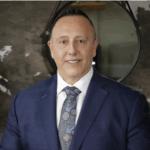 Attorney Armando Edmiston is the founding attorney of Armando Personal Injury Law in Tampa, Florida, a law firm dedicated to helping people harmed in car, truck, motorcycle, nursing home, and other serious injury cases. A U.S. Marine Corps veteran and personal injury lawyer, Armando draws on his real-world courtroom experience and years of representing injured Floridians to write and carefully review the legal content on this website. Every guide is written in clear, straightforward language so injured people and their families can better understand their rights, and is reviewed for legal accuracy before publication.
Client Testimonial
“Armando and his team go above and beyond; not just for clients, but for friends and family as well. He’s genuine, relentless, and truly cares about helping people get the justice and peace of mind they deserve. Whether it’s a major case or simply offering guidance after an accident, Armando treats every situation with integrity, compassion, and unmatched professionalism.” - Eric A., ⭐⭐⭐⭐⭐
Actual client. Results may vary; each case is different.
Florida Oversight (Quick Guide)
Florida nursing homes are regulated by the Agency for Health Care Administration (AHCA); depending on the facts, Adult Protective Services within the Florida Department of Children & Families (DCF) may also be involved. Required supervision, feeding assistance, and fall precautions should appear in the resident’s care plan and be followed consistently. We act immediately to request records and preserve surveillance video before systems overwrite.