Florida Nursing Home Abuse & Neglect Lawyer
Protecting Families and Holding Facilities Accountable StatewideWhen you trust a Florida nursing home with your loved one's care, you expect safety and dignity. Too often, that trust is broken, through neglect, rough handling, or unsafe conditions that lead to bedsores, falls, infections, and even wrongful death. Armando Personal Injury Law investigates abuse and neglect statewide and holds facilities accountable under Florida law.
Our PromisePay Nothing Unless We Win Our Track RecordMillions Won For Florida Accident Victims Free ConsultationSpeak To a Nursing Home Neglect Attorney About Our FirmMeet Attorney Armando Edmiston"Armando scheduled all my appointments himself and walked me through every step. When it was over, I walked away with everything he promised. Highly recommend."— Jesse D. Actual client. Results may vary; each case is different.
Free Consultation
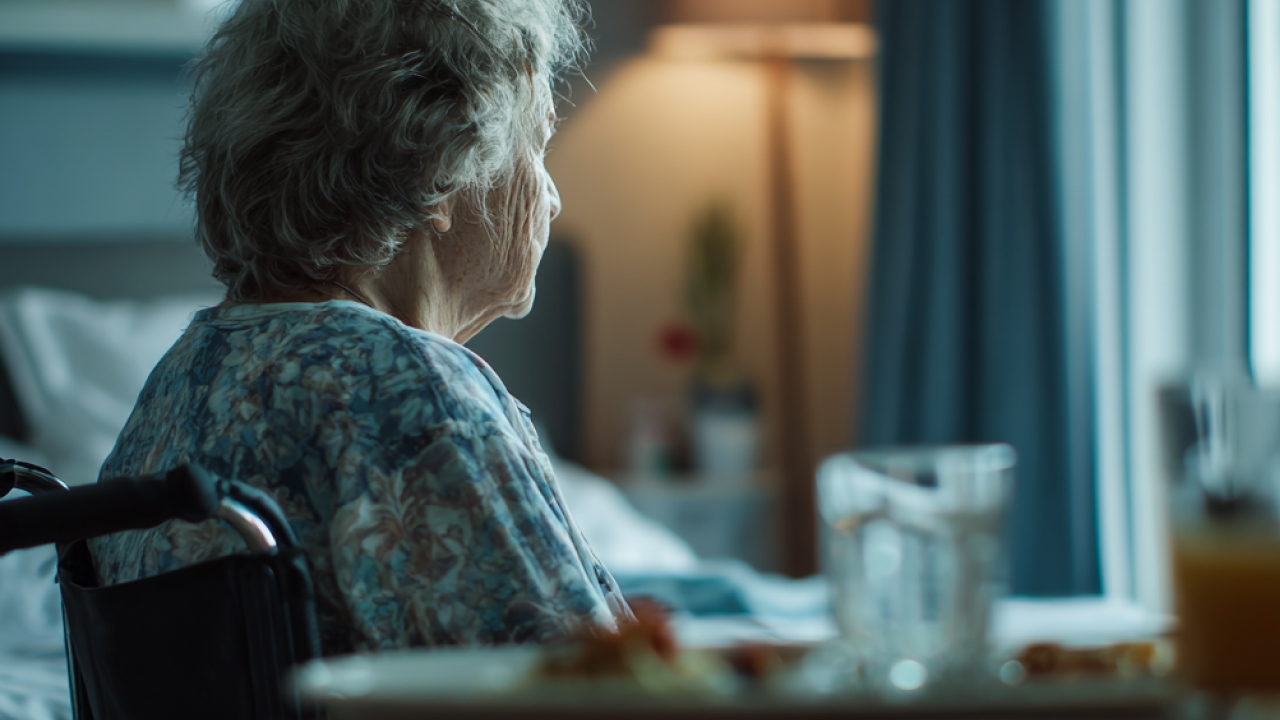
We investigate abuse and neglect statewide and hold facilities accountable under Florida law.
Common Nursing Home Injuries & Red Flags
Neglect often hides in plain sight. Watch for these issues and act quickly if you notice them:
Falls & Fractures
Poor lighting, clutter, missing grab bars, wrong bed/wheelchair height, or lack of staff assistance.
Bedsores (Pressure Ulcers)
Usually preventable with repositioning, nutrition, hygiene — and documenting those steps in the care plan. Advanced stages risk osteomyelitis or sepsis.
Dehydration / Malnutrition
Missed basic needs and monitoring — serious red flags (especially if listed on a death certificate).
Elopement / Wandering
Unsupervised exits from memory-care or "secured" units, leading to injuries or exposure.
Physical Red Flags You Shouldn't Ignore
"Armando and his team handled a tricky case for me and went out of their way to make sure I was taken care of. They were always responsive, kept me informed, and were straight up with me the whole time. I would highly recommend them to anyone who needs a personal injury attorney in Florida."— Lorna G. Actual client. Results may vary; each case is different.
More Warning Signs Families Should Watch For
Behavioral & Emotional Changes
Abuse isn't always visible. Watch for: withdrawal, depression, or anxiety; fearfulness around staff (flinching, refusing to speak); agitation or anger without clear cause; changes in sleep or appetite; isolation (restricted visits, calls, or video chats). Trust your instincts — sudden behavior changes often mean something is wrong.
Ask for: Notes about room changes, staffing assignment sheets, and any behavior or elopement care-plan updates.
Medical & Environmental Warning Signs
Infections or untreated illness (e.g., UTIs, sepsis); medication errors (missed doses, overmedication, unexplained changes); chronic understaffing or high turnover; unsafe surroundings (clutter, poor lighting, missing handrails); wandering or elopement from the facility. Patterns of multiple red flags strongly suggest systemic neglect.
Ask for: MARs (Medication Administration Records), physician orders, and maintenance reports for hazards (lighting, handrails).
Financial & Administrative Exploitation
Missing cash/valuables; unfamiliar credit card charges or withdrawals; changes to wills, beneficiaries, or power of attorney; unauthorized medical/facility charges. If you suspect exploitation, act quickly — paper trails can disappear.
Ask for: Copies of billing statements, trust-account records, and any new POA/beneficiary forms for review.
What To Do Right Now If You Suspect Neglect or Abuse
"Armando and his team go above and beyond; not just for clients, but for friends and family as well. He's genuine, relentless, and truly cares about helping people get the justice and peace of mind they deserve. Armando treats every situation with integrity, compassion, and unmatched professionalism."— Eric A. Actual client. Results may vary; each case is different.
Who Can Be Held Responsible
We compare the resident's care plan against what actually happened — if the plan called for supervision, turning, or fall precautions, we prove where the facility failed. We pursue every liable party to maximize accountability and compensation.
Our Investigation Process (Statewide)
- ✓Preserve evidence immediately: medical charts, wound-care notes, turning/rounding logs, staffing schedules, and surveillance video.
- ✓Interview witnesses & staff: current/former employees, residents, families.
- ✓Analyze compliance & ownership: inspection histories, staffing ratios, corporate structures.
- ✓Consult medical & nursing experts: link care failures to injuries and outcomes.
- ✓Litigate strategically: discovery, depositions, and motions to expose systemic neglect and cover-ups.
Evidence We Preserve
- 1Charts & LogsNursing notes, wound-care docs, turning/rounding logs, MARs, fall-risk scores, elopement protocols.
- 2Staffing & SupervisionAssignment sheets, ratios, timecards, incident and shift reports.
- 3Video & AlertsHallway/room surveillance video (where available), call-light/alert exports, and documented response times.
- 4Regulatory HistoryState inspection reports and prior AHCA citations that show patterns of noncompliance.
- 5Ownership & PolicyCorporate ownership filings, training materials, device/policy acknowledgments.
"I recommend Armando Personal Injury Law to anyone who's in search of receiving 5-star service from start to finish of their case. Every question I had was answered with a detailed explanation. Received a thorough timeline of expectations. Very happy with the results."— S.G. Actual client. Results may vary; each case is different.
"First time dealing with a lawyer. He came to my job and made it so easy. Settled in under a year. Amazing experience."— Joshua D. Actual client. Results may vary; each case is different.
Your Rights Under Florida Law
Florida Statutes Chapter 400 requires nursing homes and assisted living facilities to protect residents from abuse, neglect, and exploitation. When they fail, families can pursue compensation through a civil claim. In most cases, you have two years from when the abuse or neglect was discovered — or reasonably should have been discovered — to file. Deadlines can vary based on the facts, so acting quickly helps preserve surveillance video, logs, and witness accounts.
Florida Statute § 400.022 establishes a "Bill of Rights" for every nursing home resident. These rights are not optional; they are the law. We litigate cases where facilities violate:
- ✓The Right to Be Free from Abuse and Neglect: Including physical, mental, and financial exploitation.
- ✓The Right to Adequate Health Care: Facilities must provide "appropriate health care services" and protective oversight.
- ✓The Right to Privacy and Dignity: Especially during medical treatment and personal hygiene.
How To Report Nursing Home Abuse in Florida
You can file a report through AHCA (the Florida Agency for Health Care Administration) and the Department of Elder Affairs; we'll help you reference prior inspection history when it's relevant.
- ✓Florida Abuse Hotline: 1-800-962-2873 (1-800-96-ABUSE)
- ✓You can also contact the Florida Long-Term Care Ombudsman Program for resident advocacy.
After reporting, keep documenting injuries, conversations, and staff responses. Agency investigations can take weeks; we begin an independent investigation immediately to secure records and footage.
What Damages Can Cover
- ✓Medical care: ER visits, hospitalization, wound care, infection management (e.g., UTIs, sepsis), rehab.
- ✓Non-economic harm: pain, anxiety, loss of dignity, loss of companionship.
- ✓Wrongful death: funeral/burial expenses and damages for surviving family members.
We document current and future care needs so insurers can't undervalue the claim.
Case Results
$1,000,000Resident Fell Out a Window $500,000Resident With Stage 4 Bedsore $250,000Broken Bones From a FallPast results do not guarantee a similar outcome. Each case is different.
Our PromisePay Nothing Unless We Win Our Track RecordMillions Won For Florida Accident Victims Free ConsultationDemand Accountability for Your Loved One"Armando and his staff are incredible. Very professional and attentive. Any time I had questions or concerns about my case they were happy to answer and give me peace of mind. If I ever have a need for an attorney in the future I will always use and recommend Armando."— Matt C. Actual client. Results may vary; each case is different.
Bedsores (Pressure Ulcers), a Sign of Clinical Neglect in Florida Facilities
In the legal and medical community, a Stage III or Stage IV pressure ulcer is often classified as a "Never Event" — a catastrophic medical error that should never occur under proper nursing standards. When a Hillsborough County facility fails to implement a "turning and positioning" schedule (typically every two hours), the resulting tissue ischemia leads to skin breakdown over bony prominences.
Medical Classification and Stages (I–IV)
Bedsores, medically known as decubitus ulcers, are classified by their severity. The stage of a wound often reveals how long neglect persisted before intervention occurred:
- ✓Stage I: Non-blanchable erythema (redness) of intact skin; this is the critical "early warning" stage.
- ✓Stage II: Partial-thickness skin loss involving the epidermis or dermis.
- ✓Stage III: Full-thickness skin loss involving damage to subcutaneous tissue.
- ✓Stage IV: A "Never Event." The most severe stage, involving extensive destruction and tissue necrosis, often exposing muscle, tendon, or bone. These wounds carry a high risk of Sepsis and Osteomyelitis (bone infection).
- ✓Unstageable: Wounds covered by eschar (dead tissue) or slough that mask the true depth of the injury.
Standardized Risk Assessment (The Braden Scale)
Florida facilities are required to use standardized tools like the Braden Scale to identify high-risk residents. This scale evaluates six risk factors: sensory perception, moisture, activity, mobility, nutrition, and friction/shear. A low score triggers mandatory clinical interventions, such as a "two-hour turning and positioning" schedule.
Establishing Liability Under Chapter 400
As Tampa trial attorneys, our investigation into bedsore litigation focuses on the Braden Scale for Predicting Pressure Sore Risk. We scrutinize the facility's "Minimum Data Set" (MDS) and "Care Area Assessments" (CAAs). If the facility identified a resident as "High Risk" but failed to provide pressure-relieving mattresses or nutritional support (protein/hydration), they have breached the prevailing professional standard of care.
For a specialized guide on bedsore litigation, see our deep-dive on Bedsores in Florida Nursing Homes.
Falls & Fractures in Florida Nursing Homes
Federal and Florida regulations require nursing homes to assess each resident's fall risk upon admission and regularly thereafter, especially after any fall, change in condition, medication adjustment, or hospitalization.
The following technical breakdown explains the clinical standards Florida facilities must follow. When these standards are ignored, injuries are rarely "accidents" — they are evidence of neglect.
Morse Fall Scale
The most widely used fall risk assessment tool in nursing homes. It evaluates six factors: history of falling (immediate or within 3 months), secondary diagnosis, use of ambulatory aids, IV therapy or heparin lock, gait and transfer ability, and mental status. Residents scoring 45 or higher are considered high-risk and require intensive fall prevention interventions.
STRATIFY
St. Thomas Risk Assessment Tool in Falling Elderly. Assesses five risk factors: recent fall history, agitation or confusion, visual impairment affecting daily function, frequent toileting needs (more than once per shift), and transfer and mobility limitations. A score of 2 or higher indicates high fall risk.
Hendrich II Fall Risk Model
Evaluates eight independent risk factors including confusion/disorientation, depression, altered elimination, dizziness/vertigo, gender (male higher risk), antiepileptic medication use, benzodiazepine use, and get-up-and-go test results.
Types of Preventable Falls
We categorize falls to identify the specific failure in the care plan: Witnessed vs. Unwitnessed (unwitnessed falls often suggest a lack of rounding); Transfer Falls (failure to use a Hoyer Lift or provide two-person assistance); Environmental Falls (lighting failures, floor clutter, or improper footwear).
For more detailed information, see Falls in Florida Nursing Homes.
Let Armando Be Your Voice For JusticeFree Consultation — No Upfront CostDehydration and Malnutrition: Systemic Failures in Basic Care
In Florida nursing homes, dehydration and malnutrition are among the most preventable injuries. When these conditions occur, they typically signal a dangerous pattern of neglect, such as understaffing, failure to monitor intake, or a complete disregard for specialized feeding plans.
Clinical Indicators of Nutritional Neglect
As Tampa trial attorneys, we analyze medical records for objective markers of neglect that go beyond simple weight loss. Critical clinical triggers include:
- ✓Hypoalbuminemia (Low Albumin): A primary marker of chronic protein deficiency that increases the risk of skin breakdown and delayed wound healing.
- ✓Prealbumin Deficits: Used to identify acute, recent malnutrition that requires immediate dietary intervention.
- ✓Hypernatremia & Electrolyte Imbalance: Elevated sodium levels and electrolyte disturbances are clinical "red flags" for severe dehydration, which can lead to permanent kidney damage, heart rhythm problems, and sudden delirium.
Mandatory Monitoring and Federal Standards
- ✓The Minimum Data Set (MDS): Facilities must use this standardized tool to assess a resident's nutritional status and identify risks for feeding difficulties or weight loss.
- ✓Significant Weight Loss Triggers: Mandatory intervention — including dietary consults and care plan updates — is required when a resident loses 5% of their body weight in 30 days or 10% over six months.
- ✓Texture-Modified Diets for Dysphagia: For residents with swallowing difficulties (Dysphagia), facilities must provide texture-modified foods (pureed, mechanically soft) and thickened liquids (nectar, honey, or pudding-thick).
The Cascade Effect of Neglect
Dehydration and malnutrition rarely exist in isolation; they create a dangerous cascade of complications. Dehydration causes confusion, which leads to preventable falls; falls cause fractures, leading to immobility; and malnutrition prevents the body from healing, resulting in Stage IV Bedsores, Sepsis, and Wrongful Death.
To learn more about holding a facility accountable, please read Dehydration and Malnutrition in Florida Nursing Homes.
"Armando and his team were great with my grandparents. They explained everything clearly and made sure the whole family understood the process. Really grateful for how they handled everything."— Leah L. Actual client. Results may vary; each case is different.
Bedrail Entrapment: A "Never Event"
Bedrail entrapment is a catastrophic event where a resident becomes trapped between the mattress and rail. These are almost always preventable through:
Mechanical Failures and Gaps
- ✓Proper Equipment Matching: Using rails and mattresses designed to work together without dangerous gaps.
- ✓Manufacturer Compliance: Adhering to FDA and manufacturer safety guidelines for specific bed models.
- ✓Care Plan Oversight: Florida law requires that bed rail use be justified in the resident's care plan and not used as a "physical restraint" for staff convenience.
For more information about Bedrail Entrapment litigation, please see Bed Rail Entrapment in Florida Nursing Homes.
Find Out If You Have a CaseFree Consultation — No Upfront CostChoking Deaths and Aspiration Neglect in Florida Facilities, A "Never Event"
In nursing home settings, choking is rarely a random accident; it is almost always the result of a facility's failure to follow a physician-ordered diet or provide mandatory mealtime supervision.
Dysphagia, Choking, and Dietary Texture Violations
Many residents suffer from Dysphagia (swallowing disorders), requiring strictly controlled food textures. We investigate whether the facility breached the standard of care by:
- ✓Failing to Provide "Mechanical Soft" or "Pureed" Diets: Serving solid foods to a resident with known swallowing risks is a catastrophic violation of the care plan.
- ✓Ignoring "Silent Aspiration" Warning Signs: We look for clinical indicators such as coughing, throat clearing, or "wet" vocal quality during or after meals that staff should have reported to a Speech-Language Pathologist (SLP).
The Legal Duty of Mealtime Supervision
Florida law requires nursing homes to assist residents who cannot eat safely on their own. When a choking event occurs, we scrutinize the medical record for a Delayed Emergency Response or a lack of trained staff capable of performing life-saving maneuvers.
To better understand Dysphagia death and choking claims, read Florida Nursing Home Choking Death.
"Highly recommend this law firm — professional and precise. They took on my case and made everything as easy as possible, always answered my calls and questions. Armando and his staff went above and beyond for my case."— Troy W. Actual client. Results may vary; each case is different.
Florida Nursing Home Wrongful Death Claims
When a resident's death is caused by the negligence or failure of a facility, it is classified as a Wrongful Death under Florida law. These cases often involve ongoing neglect rather than a single isolated event.
Exposing the "Natural Decline" Defense
Facilities often attempt to label preventable deaths as a "natural decline" or "sudden death" to avoid scrutiny. As trial attorneys, we build cases by proving the death was foreseeable and preventable if the facility had addressed:
- ✓Systemic Understaffing: High-risk residents (falls, choking, infections) require a level of monitoring that understaffed facilities simply cannot provide.
- ✓Untreated Medical Triggers: We investigate fatal outcomes stemming from untreated UTIs, Sepsis from Stage IV bedsores, or Aspiration Pneumonia.
Evidence Preservation and Florida's Two-Year Limit
Florida's statute of limitations for nursing home wrongful death claims is generally two years from the date the injury was discovered or should have been discovered. Our investigation immediately secures:
- ✓Diet Tickets & SLP Notes: To prove dietary violations in choking cases.
- ✓MDS & Care Area Assessments (CAAs): To show the facility was on notice of the resident's specific risks.
- ✓Surveillance Video: Which many facilities overwrite quickly without a preservation letter from an attorney.
When a Life Is Cut Short by Neglect, We Step In and Demand Accountability. Learn more about Florida Nursing Home Wrongful Death here.
Case Results
$1,000,000Resident Fell Out a Window $500,000Resident With Stage 4 Bedsore $250,000Broken Bones From a FallPast results do not guarantee a similar outcome. Each case is different.
"Amazing! Professional and efficient. Highly recommend."— Lina M. Actual client. Results may vary; each case is different.
Nursing Home Elopement & Wandering: A Complete Security Failure
In Florida's extreme heat and complex environment, elopement — an unsupervised exit from a facility — is almost always a preventable tragedy. As Tampa trial attorneys, we hold facilities accountable when they market themselves as "secured memory care" but fail to provide the basic protection families pay for.
The Distinction Between Wandering and Elopement
Wandering: Refers to aimless or purposeless movement within a facility. It is a critical "warning sign" and clinical precursor that staff must recognize and address before an exit occurs.
Elopement: Occurs when a resident with cognitive or physical limitations leaves the facility without authorization. This represents a total breakdown in security and places the resident in immediate mortal danger.
Clinical Risk Factors and "Sundowning"
Florida law requires facilities to assess wandering risk upon admission. We investigate whether staff ignored high-risk clinical triggers, including:
- ✓Cognitive Impairment: The overwhelming majority of elopement cases involve Alzheimer's or dementia.
- ✓Sundowning: Increased confusion and agitation during late afternoon and evening hours, which is a peak time for exit-seeking behavior.
- ✓Recent Admission: New residents often attempt to "go home," requiring heightened monitoring during the first 30 days.
"Armando came to my house to make sure I was comfortable and available throughout the whole process. My case was resolved without a lawsuit and I couldn't be more pleased with the outcome."— Monica R. Actual client. Results may vary; each case is different.
Forensic Investigation of Security Failures
When an elopement occurs, we scrutinize the facility's systemic neglect, focusing on:
- ✓Broken Security Systems: We subpoena maintenance logs to see if door alarms were broken, disabled by staff, or if "delayed egress" systems malfunctioned.
- ✓Staffing Ratio Analysis: We compare the number of residents in a memory care unit against the actual staff on duty to prove that "lack of supervision" was a result of corporate cost-cutting.
- ✓Silver Alert and Emergency Response: We analyze how long it took the facility to notice the resident was missing and whether they utilized Florida's Silver Alert system immediately.
You can learn more about this topic by reading Florida Nursing Home Elopement & Wandering.
Florida Statutes & Resident Rights (Chapter 400)
Florida Statute § 400.022 establishes a "Bill of Rights" for every nursing home resident. These rights are not optional; they are the law. We litigate cases where facilities violate:
Does My Family Member's Passing Qualify as a Wrongful Death Case?
If neglect causes a fatal injury or infection, Florida's wrongful death laws allow the family to pursue damages while we preserve medical records, staffing logs, and video.
Family Action Checklist
- ✓Document injuries and photograph visible wounds/unsafe conditions.
- ✓Request complete medical, wound-care, and incident reports in writing.
- ✓Keep a log of dates, names, and conversations with staff and administrators.
- ✓Report to the Florida Department of Elder Affairs and AHCA.
- ✓Call a Florida nursing home abuse lawyer to safeguard your loved one and your case.
- ✓Ask whether rounding logs were completed that shift and write down the answer.
Standing Up for Families Across Florida
From Tampa and St. Petersburg to Orlando, Miami, and beyond, Armando Personal Injury Law investigates, exposes, and stops neglect. We shoulder the legal burden so your family can focus on healing and peace of mind.
Free consultation. We'll preserve video and records immediately and start the investigation while you focus on your family.
"I truly appreciate everything that Armando and his team has done for me. I would have been completely lost without them. I couldn't recommend a better team for a lawyer to be behind you."— Divine W. Actual client. Results may vary; each case is different.
"Very professional, productive and gets the job done. Everyone kept in contact with me regarding my case. I recommend Armando Law. You will not be disappointed."— Monique R. Actual client. Results may vary; each case is different.
Why Hire Armando Personal Injury Law for a Florida Nursing Home Case
As Tampa trial attorneys, our investigation into nursing home cases focuses on the clinical documentation, regulatory compliance, and corporate structures that facilities use to avoid accountability.
- ✓We scrutinize the Braden Scale for Predicting Pressure Sore Risk, the facility's Minimum Data Set (MDS) and Care Area Assessments (CAAs)
- ✓We compare the resident's care plan against what actually happened — supervision, turning, fall precautions
- ✓We subpoena maintenance logs to identify broken or disabled door alarms and delayed egress failures
- ✓We compare staffing ratios against actual staff on duty to prove corporate cost-cutting
- ✓We consult medical and nursing experts to link care failures to injuries and outcomes
- ✓We pursue every liable party to maximize accountability and compensation
ACS Forensic Lawyer-Scientist
Attorney Armando Edmiston is one of only six lawyers in Florida to hold the ACS Forensic Lawyer-Scientist designation — a science-based approach to evidence that matters deeply in clinical negligence cases.
FAQs: Nursing Home Abuse & Neglect in Florida
Are Bedsores a Sign of Abuse or Neglect?
Usually yes. Pressure ulcers are largely preventable with proper repositioning and care. Treat them as a serious red flag.
How Common Is Nursing Home Abuse in Florida?
Underreporting is significant. Florida's large senior population and staffing shortages increase the risk of preventable harm — another reason vigilant oversight and legal accountability matter.
What Are the Most Common Types of Abuse?
Physical abuse, psychological abuse, neglect (bedsores, dehydration, malnutrition), financial exploitation, and sexual abuse. Any of these warrant immediate investigation.
What Are Warning Signs of Neglect?
Bedsores, sudden weight loss, dehydration, poor hygiene, unexplained injuries or falls, and behavior changes (fear, withdrawal, anxiety around specific staff).
What if My Loved One Can't Remember What Happened?
We build cases with medical charts, incident reports, staffing logs, and witness accounts — even without direct testimony.
What Evidence Helps Prove Abuse or Neglect?
Incident/shift reports, security video, photos of injuries/conditions, staffing schedules, medical/wound documentation, and state inspection reports (including prior AHCA citations).
Should I Accept a Quick Settlement?
Not without legal advice. Early offers are designed to minimize payouts. We evaluate the full harm, including future care, and negotiate from strength.
Should We Move to a Different Facility — Will It Hurt the Case?
Yes, move if safety is a concern. Before transfer, request complete records in writing (charts, MARs, incident logs, care plans) and keep copies. We can coordinate the move and send preservation letters so critical evidence (video, logs) isn't lost.
Will the Facility's Surveillance Video Be Saved?
Not automatically — many systems overwrite surveillance video quickly without a preservation letter being sent by a lawyer.
How Long Do I Have to File in Florida?
In most cases, you have two years from when the abuse or neglect was discovered — or reasonably should have been discovered — to file. Deadlines can vary based on the facts, so acting quickly helps preserve surveillance video, logs, and witness accounts.
Speak To a Florida Nursing Home Abuse Lawyer Today
When a life is cut short by neglect, we step in and demand accountability. If you suspect your loved one has been harmed, contact us today for a free, confidential consultation.
Let Armando Be Your Voice For Justice"He handled my case with extreme care and kindness. I could not be happier with the outcome."— Dillon H. Actual client. Results may vary; each case is different.
Free Consultation
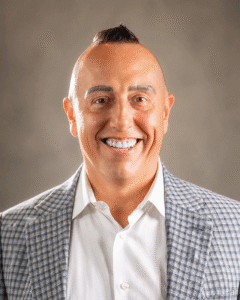
About the Author
Attorney Armando Edmiston is the founding attorney of Armando Personal Injury Law in Tampa and St. Pete, Florida. A U.S. Marine veteran and Hillsborough County native, he represents injured people and families in serious injury cases, including car accidents, truck accidents, motorcycle accidents, wrongful death, negligent security, premises liability, and nursing home abuse and neglect claims. Armando earned a B.S. in Biology from the University of South Florida and a J.D., cum laude, from Nova Southeastern University. He is also one of only six lawyers in Florida listed with the ACS Forensic Lawyer-Scientist designation.