Medical examiner findings link a 22-year-old Southwest passenger’s August death to two kratom-related compounds.
The death of a young passenger has renewed questions about kratom and concentrated 7-OH products.
A 22-year-old man who suffered a medical emergency aboard a Southwest Airlines flight in August died from the combined effects of two kratom-related compounds, according to newly reported medical examiner findings.
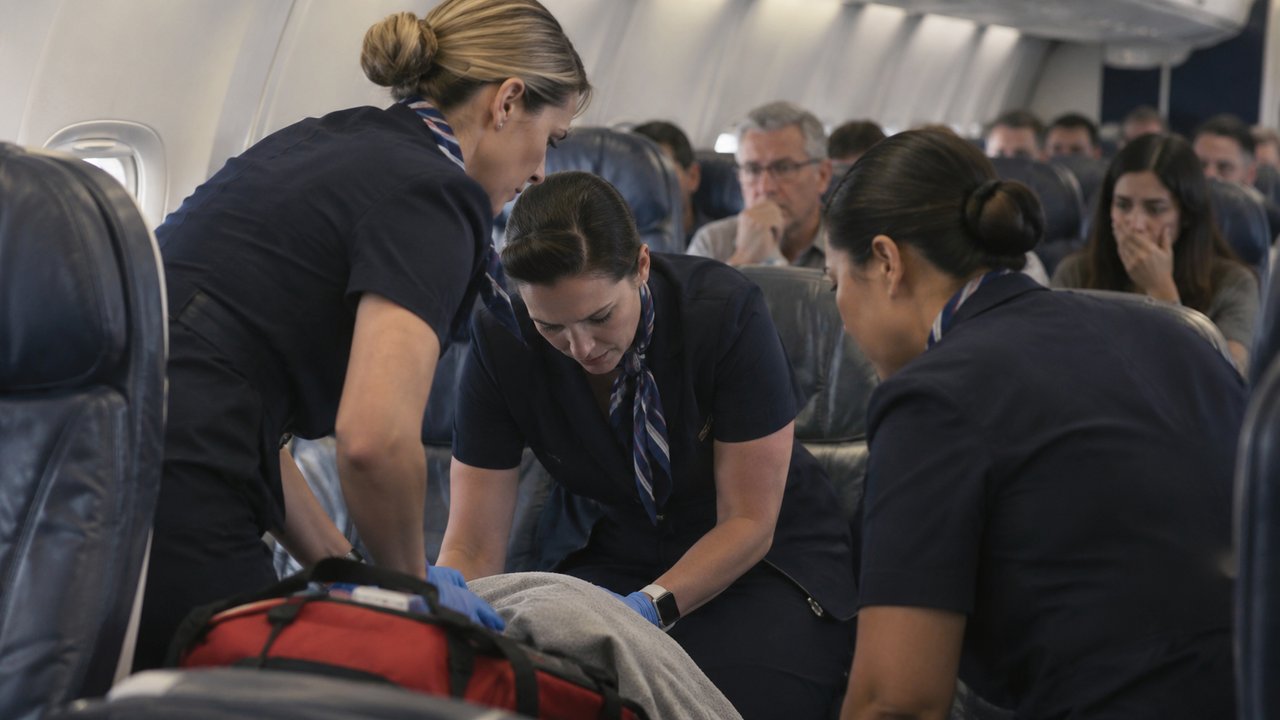
Rain McMillen Walmsley was flying from Dallas to Los Angeles on August 7, 2026, when he became unresponsive. CPR was performed aboard the aircraft, and paramedics met the plane when it landed at Los Angeles International Airport. He did not survive.
On November 6, PEOPLE reported that the Los Angeles County Medical Examiner listed his cause of death as the combined effects of 7-hydroxymitragynine (7-OH) and mitragynine, two compounds associated with kratom. His death was classified as accidental.
Walmsley had graduated from Hunter College in May with a journalism degree. His family remembered him as a kind young man whose life was just beginning.
What makes 7-OH different?
Kratom comes from a tree native to Southeast Asia. Its leaves contain mitragynine and small amounts of 7-OH, which can produce opioid-like effects. Products sold as concentrated 7-OH, however, may contain much higher levels of that compound than ordinary kratom leaf.
Medical toxicology experts have warned that these substances can cause serious harm, including slowed breathing and overdose. Consumers may encounter kratom and 7-OH products in smoke shops, convenience stores and online.
One detail is important: the published reports do not identify what Walmsley consumed. The medical findings alone do not establish that he used a concentrated 7-OH product, that a product was defective, or that any particular company was responsible.
What can families do after a kratom-related death?
When someone dies unexpectedly, a toxicology report may answer one question and leave several others. What product was used? What did the label say? Was its strength accurately disclosed? Were there warnings about serious risks?
In some circumstances, a defective product or inadequate warning can support a civil claim. But every case depends on evidence linking the product and the alleged wrongdoing to the death. A medical examiner’s finding, by itself, is not a finding of legal liability.
Armando Personal Injury Law helps Florida families understand their options after a fatal incident. Learn more about wrongful death claims and the firm’s work investigating kratom and 7-OH lawsuits.
Families who believe a kratom extract or 7-OH product played a role in a loved one’s death should consider preserving the packaging, receipts, medical records and any remaining product. Armando Personal Injury Law offers free consultations to review potential claims.
Reporting source: PEOPLE, November 6, 2026
Editorial note: This article reports medical examiner findings and discusses potential legal issues generally. No product defect, airline negligence or third-party liability has been established in this case.

About the Author
Attorney Armando Edmiston is the founder of Armando Personal Injury Law in Tampa and St. Pete, Florida. A U.S. Marine veteran, Hillsborough County native, and ACS Forensic Lawyer-Scientist, he represents Floridians in serious personal injury and wrongful death cases.