Negligent Security in Florida Nursing Homes: Protecting Residents From Assaults, Battery, and Serious Injuries
Placing a loved one in a nursing home is an act of trust. Families expect their parents and grandparents to be treated with dignity, and to be protected from violence. But when a resident is assaulted by another resident, a staff member, or an intruder, the consequences can be devastating.
Florida law generally requires property owners and facilities to take reasonable steps to help protect residents from foreseeable harm. Nursing homes are not “insurers” of safety, but they still have obligations to provide a reasonably safe environment, especially for vulnerable people who may be unable to protect themselves.
Florida also provides specific protections for residents. Section 400.022, Florida Statutes (Residents’ Rights) includes the right to be free from mental and physical abuse, neglect, and exploitation.
If you believe a resident is in immediate danger, call 911.
For suspected abuse/neglect/exploitation of a vulnerable adult in Florida, report to the Florida Abuse Hotline: 1-800-962-2873 (press 2).
Armando Personal Injury Law represents families across Tampa Bay and throughout Florida in nursing home abuse and negligent security cases.
Key takeaways
- Negligent security can include broken locks, poor lighting, weak visitor controls, missing supervision, and lack of trained response.
- Families can protect a loved one by documenting injuries, requesting incident reports, and reporting concerns to DCF/AHCA/Ombudsman.
- Florida law provides strong protections for residents, and most negligence claims have a two-year deadline, so it’s smart to act quickly.
On this page
- What is negligent security in a nursing home?
- Why assaults happen in nursing homes
- Injuries and warning signs
- What families should do now
- Legal duties and liability in Florida
- How to report abuse in Florida
- FAQs
What Is “Negligent Security” in a Nursing Home?
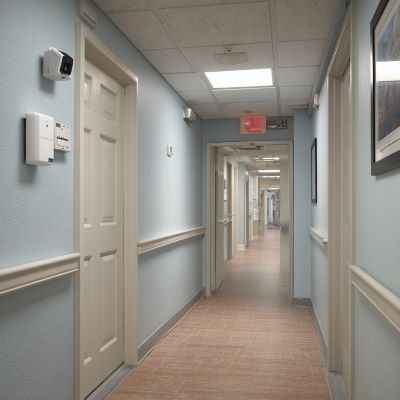 Negligent security is a form of negligence that can arise when a facility fails to implement reasonable safety and security measures, creating an opportunity for a foreseeable assault or other harmful incident.
In nursing homes, negligent security often overlaps with neglect because facilities must protect residents not only from outside threats, but also from harm caused by other residents and sometimes staff.
Common negligent-security failures
- Broken or inadequate locks on doors, rooms, or restricted areas
- Poor lighting in hallways, parking areas, and common spaces
- Lack of visitor screening, sign-in, or access controls
- Malfunctioning or absent cameras in key areas
- Understaffing or poor supervision of high-risk residents
- Failure to separate or monitor residents with known aggressive behavior
- Inadequate staff training on de-escalation and incident reporting
Why Assaults Happen in Nursing Homes
Nursing homes are more than buildings, they’re healthcare environments where residents should feel safe. But security can be challenging in facilities with:
- Large common areas and frequent visitors
- Residents with dementia or cognitive impairment
- Limited staffing, especially at night
- No dedicated security personnel
When safeguards like working locks, proper lighting, trained staff, and incident protocols are missing, nursing homes can become vulnerable to resident-on-resident assault, caregiver misconduct, and intruder-related incidents.
Important: Not every incident is preventable. Liability usually turns on whether the risk was foreseeable and whether the facility failed to take reasonable steps to reduce that risk.
Injuries and Warning Signs
Injuries from nursing home assaults
Assaults in nursing homes can cause serious, life-altering injuries, including:
- Fractures and broken bones (hips, ribs, wrists)
- Head injuries (concussions, skull fractures, traumatic brain injury)
- Intracranial bleeding (including subdural hemorrhage)
- Bruises, cuts, abrasions, and human bites
- Sexual injuries and related medical complications
Because many residents are medically fragile, injuries that might be manageable for a younger person can become catastrophic in a nursing home setting.
Emotional and psychological harm
Violence can lead to anxiety, depression, fearfulness, sleep disruption, withdrawal, and trauma symptoms. A resident may become reluctant to accept care or interact with others.
Warning signs families should watch for
Assaults and neglect can go unreported when residents fear retaliation, have communication limitations, or are cognitively impaired. Be alert for:
Physical red flags
- Unexplained bruises, cuts, fractures, or repeated “falls”
- Bedsores, dehydration, malnutrition
- Sudden changes in mobility or gait
Behavioral red flags
- Withdrawal or depression
- New fearfulness around certain staff or residents
- Agitation with no clear cause
- Sleep/appetite changes
Environmental red flags
- Unsecured entrances, broken locks, dim lighting
- Understaffing or long call-light wait times
- Medication errors, unsanitary conditions
Documentation tip: Photograph visible injuries (date stamps help), write down names/dates, request incident reports, and ask for care-plan updates.
What Families Should Do Now
If you suspect negligent security, assault, or abuse:
- Get medical evaluation and follow-up care
- Request the facility’s incident report and a care plan review
- Ask for the names of staff on duty and any witnesses
- Preserve evidence (photos, clothing, messages, witness names)
- Report concerns to the appropriate Florida resources (below)
- Consult counsel early to help preserve video, staffing logs, and records that may not be retained long-term
Records to request (ask in writing if possible):
- Incident report(s) and witness statements
- Care plan, reassessments, and behavior notes for the resident(s) involved
- Medication administration record (MAR) and recent changes (when relevant)
- Staffing schedule for the date/time of the incident and shift assignments
- Visitor log / sign-in records and any access-control logs (when relevant)
- Security camera footage preservation request (ask about retention timelines)
Legal Duties and Liability in Florida
Depending on the facts, criminal and civil claims may involve allegations commonly described as “assault” (threat or attempt) and/or “battery” (harmful or offensive contact).
A nursing home may be responsible when a resident is harmed due to failures such as:
- Ignoring a known pattern of aggression by a resident
- Failing to reassess behavior changes or medication side effects
- Inadequate supervision or staffing levels for resident needs
- Poor training on intervention and de-escalation
- Broken security measures (locks, lighting, access controls)
- Lack of protocols for visitor management or intruder prevention
Courts often focus on:
- Foreseeability: Was this type of harm predictable based on prior incidents, complaints, or known risks?
- Reasonableness: Did the facility take reasonable steps to reduce known risks?
Evidence that often matters
- Prior incident reports and complaint history
- Staffing schedules and training records
- Care plans, reassessments, and chart notes
- Security logs, visitor logs, and video footage (if available)
- Medical records and witness statements
Local note: Armando Personal Injury Law represents families across Tampa Bay and throughout all of Florida in nursing home abuse and negligent security cases.
How to Report Abuse in Florida
If you suspect abuse, neglect, or exploitation, you can report concerns and request assistance through:
- Florida Abuse Hotline (DCF): 1-800-962-2873 (24/7). Press 2 for vulnerable adult reports.
- Florida Long-Term Care Ombudsman Program: 1-888-831-0404.
- AHCA (Agency for Health Care Administration): 1-888-419-3456 (and online complaint forms).
- Law enforcement: Call 911 for emergencies or immediate danger.
Florida residents’ rights are addressed in § 400.022 of the Florida Statutes, including protections against abuse and the right to access certain advocates and agencies.
How Armando Personal Injury Law Helps
When a resident is harmed due to negligent security, abuse, or neglect, families often need help gathering records, identifying risk factors, and pursuing accountability. Armando Personal Injury Law evaluates claims by reviewing medical records, incident documentation, staffing patterns, and security issues, then explains legal options under Florida law.
Potential damages in appropriate cases may include medical expenses, rehabilitation, pain and suffering, emotional distress, and (in wrongful-death matters) funeral expenses and other losses recognized by Florida law. Outcomes depend on the facts and evidence.
If you suspect negligent security or assault in a Florida nursing home, contact our office to discuss your situation and learn what steps may help protect your loved one.
Related Resources
FAQs
What is considered negligent security in a nursing home?
Negligent security generally involves a failure to take reasonable measures to protect residents from foreseeable harm such as broken locks, poor lighting, lack of access control, inadequate supervision, or failure to respond to known risks.
How common is resident-to-resident violence?
Resident aggression occurs in long-term care settings more often than many families expect, and reporting can be inconsistent, so the true frequency may be higher.
What injuries can result from nursing home assaults?
Assaults can cause fractures, head trauma, lacerations, bruising, bites, internal bleeding, and in severe cases, death. Sexual assault can cause both physical injury and lasting psychological trauma.
How can families identify that an assault may have occurred?
Warning signs include unexplained bruises or fractures, fearfulness around certain individuals, sudden withdrawal, agitation without explanation, and changes in sleep or appetite. Document concerns and request incident reports and care plan reviews.
Who may be liable when a resident is assaulted?
Liability often depends on whether the harm was foreseeable and whether the facility failed to take reasonable steps to prevent it. This can include failures in supervision, staffing, security measures, resident assessment, and intervention protocols.
What compensation may be available in Florida?
Depending on the facts, damages may include medical expenses, rehabilitation, pain and suffering, emotional distress, and other losses. In some situations, punitive damages may be available under Florida law. Wrongful death claims have their own rules and damages categories.
How long do I have to file a claim in Florida?
Florida law provides a two-year statute of limitations for many negligence actions. However, the correct deadline can vary depending on the type of claim, who is involved, when the incident occurred, and other legal factors. To protect your rights, it’s best to speak with an attorney as soon as possible.
Can a nursing home claim an assault was unpredictable?
Facilities sometimes argue an incident was not foreseeable. Prior incidents, complaints, documented behavior issues, or known security failures can help show predictability. Even without a prior identical event, facilities still have duties to assess risk and implement reasonable safeguards.
Contact Us Right Away
Every nursing home resident deserves a safe and dignified environment. When negligent security or inadequate supervision allows violence to occur, the harm can be severe and often preventable with reasonable measures. Florida law provides protections for residents, and families have multiple reporting options through state agencies and advocates. If you suspect abuse, assault, or negligent security, act quickly to protect your loved one and preserve evidence.
If you believe a Florida nursing home failed to protect your loved one from assault or battery, don’t wait. Evidence like video footage, staffing logs, and incident reports can disappear quickly. Contact Armando Personal Injury Law today to discuss what happened and learn what steps may help protect your loved one and preserve your legal options.
“Armando and his team go above and beyond; not just for clients, but for friends and family as well. He’s genuine, relentless, and truly cares about helping people get the justice and peace of mind they deserve. Whether it’s a major case or simply offering guidance after an accident, Armando treats every situation with integrity, compassion, and unmatched professionalism.” – Eric A., ⭐⭐⭐⭐⭐ Actual client. Results may vary; each case is different.
About the Author
 Attorney Armando Edmiston is the founding attorney of Armando Personal Injury Law in Tampa, Florida, a law firm dedicated to helping people harmed in car, truck, motorcycle, nursing home, and other serious injury cases. A U.S. Marine Corps veteran and personal injury lawyer, Armando draws on his real-world courtroom experience and years of representing injured Floridians to write and carefully review the legal content on this website. Every guide is written in clear, straightforward language so injured people and their families can better understand their rights, and is reviewed for legal accuracy before publication.