St. Petersburg Pedestrian Accident Lawyer
If you were hit by a car while walking in St. Petersburg, you may have the right to pursue compensation for medical bills, lost income, future treatment, and pain and suffering in qualifying cases. St. Pete pedestrian accidents often turn on local roadway conditions, right-of-way disputes, crosswalk and signal timing, insurance coverage, and whether the available evidence can defeat the insurance company's attempt to blame the person on foot.
For the broader statewide legal framework, including Florida pedestrian law, PIP, UM coverage, the serious-injury threshold, and wrongful death rules, see our Florida pedestrian accident lawyer guide. This St. Petersburg page focuses on the local roads, crash patterns, and proof issues that matter most in city-specific and Pinellas County claims. Free consultation. No upfront fees. No win, no fee.
"Highly recommend this law firm — professional and precise. They took on my case and made everything as easy as possible, always answered my calls and questions. Armando and his staff went above and beyond for my case."— Troy W. Actual client. Results may vary; each case is different.
"After having a car accident, Armando Personal Injury Law makes everything simple. They handle the insurance company, keep you informed, and fight for a fair settlement. I am blown away by their honesty and professionalism!"— Aimee P. Actual client. Results may vary; each case is different.
Free Consultation
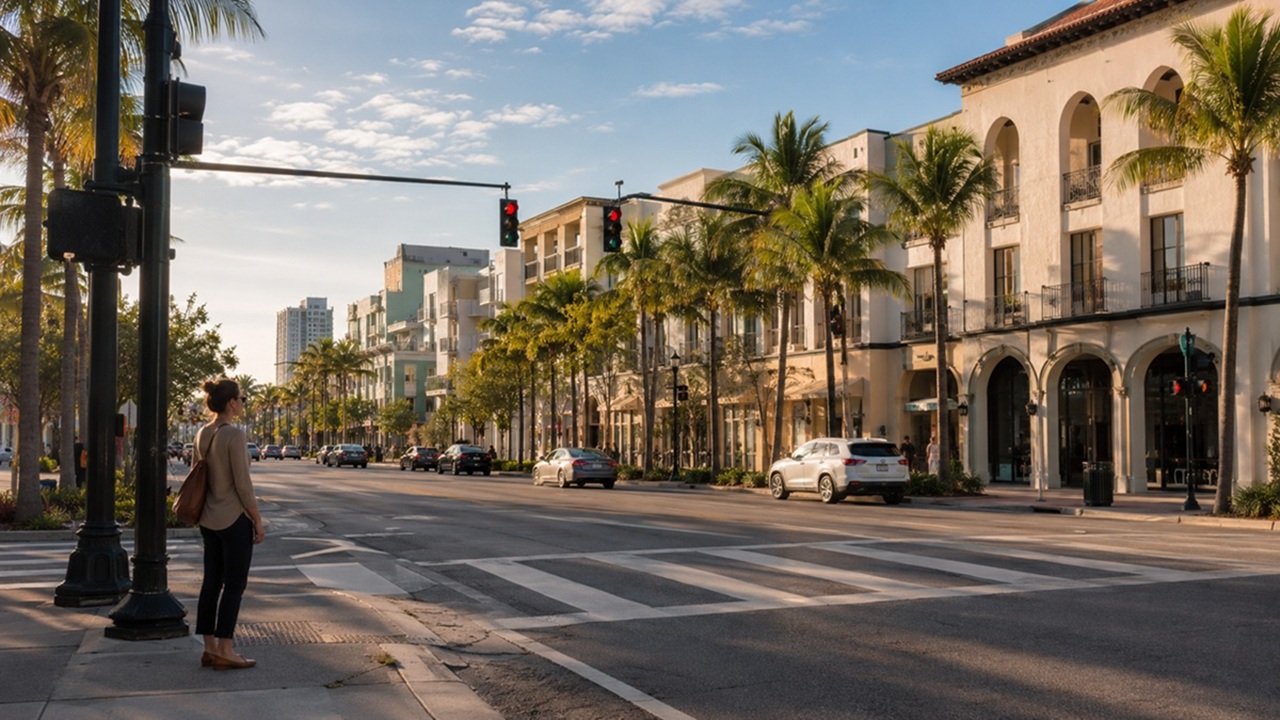
St. Petersburg pedestrian crashes often involve wide corridors, turn-heavy intersections, and crossings between downtown, neighborhood, and commercial areas.
St. Petersburg Pedestrian Accident Claims at a Glance
St. Petersburg pedestrian crashes often happen on wide north-south arterials, downtown and near-downtown corridors, commercial stretches, bus-stop routes, and roads where people on foot have to cross multiple lanes of traffic with limited protection. In many of these cases, the real fight is not whether the injury is serious. It is whether the evidence can prove fault before the insurer shifts blame to the pedestrian.
Local roadway context matters. The City's Complete Streets program is built around safer streets for people walking, biking, riding transit, driving, and using mobility aids. The City's Downtown St. Petersburg Mobility Study also focuses on better multimodal mobility through Downtown St. Pete, especially near the Historic Gas Plant District.
A pedestrian crash on 4th Street North, 34th Street North or South, Central Avenue, Dr. MLK Jr. Street South, 16th Street South, 18th Avenue South, 3rd Street North, 49th Street North, or 5th Avenue North near US 19 may involve long crossings, turn conflicts, limited crossing opportunities, visibility issues, or high-speed traffic patterns that change how the case should be investigated.
Why St. Petersburg Pedestrian Accidents Are So Serious
St. Petersburg pedestrian accidents are often severe because many local roads combine traffic speed, multilane crossings, turn-heavy intersections, and places where people are walking between stores, homes, bus stops, nightlife areas, schools, and workplaces. A driver's brief mistake can become a catastrophic injury event in seconds.
When a pedestrian is hit, there is no airbag, no seat belt, and no steel frame absorbing the force. The person takes the impact directly. Even lower-speed crashes can cause broken bones, internal injuries, traumatic brain injuries, spinal trauma, permanent impairment, and long recoveries. That is why these cases should be built carefully from the start.
"Armando was persistent from the moment I talked to him after my son and I were in an awful accident. Armando made all my fears start to melt away; he displayed genuine empathy and his professionalism was comforting at a time of such uncertainty. I could tell Armando genuinely cared and knew exactly what to do. I felt secure and knew justice would be carried out."— Rae R. Actual client. Results may vary; each case is different.
Where Pedestrian Crashes Happen Most in St. Petersburg
Serious St. Petersburg pedestrian crashes often cluster on major arterial roads, downtown and near-downtown streets, and corridors where people move between neighborhoods, businesses, bus stops, and destinations across fast-moving traffic. The St. Petersburg Police Department's pedestrian and bicycle safety enforcement campaigns have repeatedly focused on roads such as 34th Street, 4th Street, 18th Avenue South, 16th Street South, 3rd Street North, 5th Avenue North at US 19, and 49th Street North.
4th Street North
4th Street North combines heavy traffic, business access, turning movements, and repeated crossing demand. Long north-south stretches create serious exposure for pedestrians trying to cross or navigate commercial frontage safely.
34th Street North and South
Speed, lane width, commercial access, and driver attention problems can create dangerous crossing conditions on both stretches, involving everyday local traffic and higher-volume regional movement.
Central Avenue and the Grand Central District
The risk profile often includes turning conflicts, rideshare activity, nightlife traffic, delivery movement, and drivers who fail to expect frequent pedestrian crossings along this important east-west corridor.
Dr. MLK Jr. Street South and 3rd Street North
Street design, one-way patterns, turning movements, and the relationship between downtown traffic flow and pedestrian activity can all become relevant on these north-south downtown corridors.
16th Street South and 18th Avenue South
Local enforcement and safety efforts have specifically focused on these corridors as roads where pedestrian and bicycle safety problems deserve attention beyond the best-known downtown roads.
49th Street North and 5th Avenue North Near US 19
Higher-volume movement, complex turning patterns, commercial access, and crossing challenges can amplify crash risk. The City's 5th Avenue North improvements project has specifically explored new pedestrian crosswalks along this corridor.
Local roadway context often helps explain why the crash happened and why the defense version of events may be incomplete or misleading.
ACS Forensic Lawyer-Scientist
Attorney Armando Edmiston is one of only six lawyers in Florida to hold the ACS Forensic Lawyer-Scientist designation — a science-based approach to evidence in complex injury cases.
"I cannot express the gratitude that I have for Armando and the staff at the office. This was a very long journey and they have been there for me every step of the way. I appreciate that they put my health above everything and always made sure I was OK."— Terri K. Actual client. Results may vary; each case is different.
"Armando came to my house to make sure I was comfortable and available throughout the whole process. My case was resolved without a lawsuit and I couldn't be more pleased with the outcome."— Monica R. Actual client. Results may vary; each case is different.
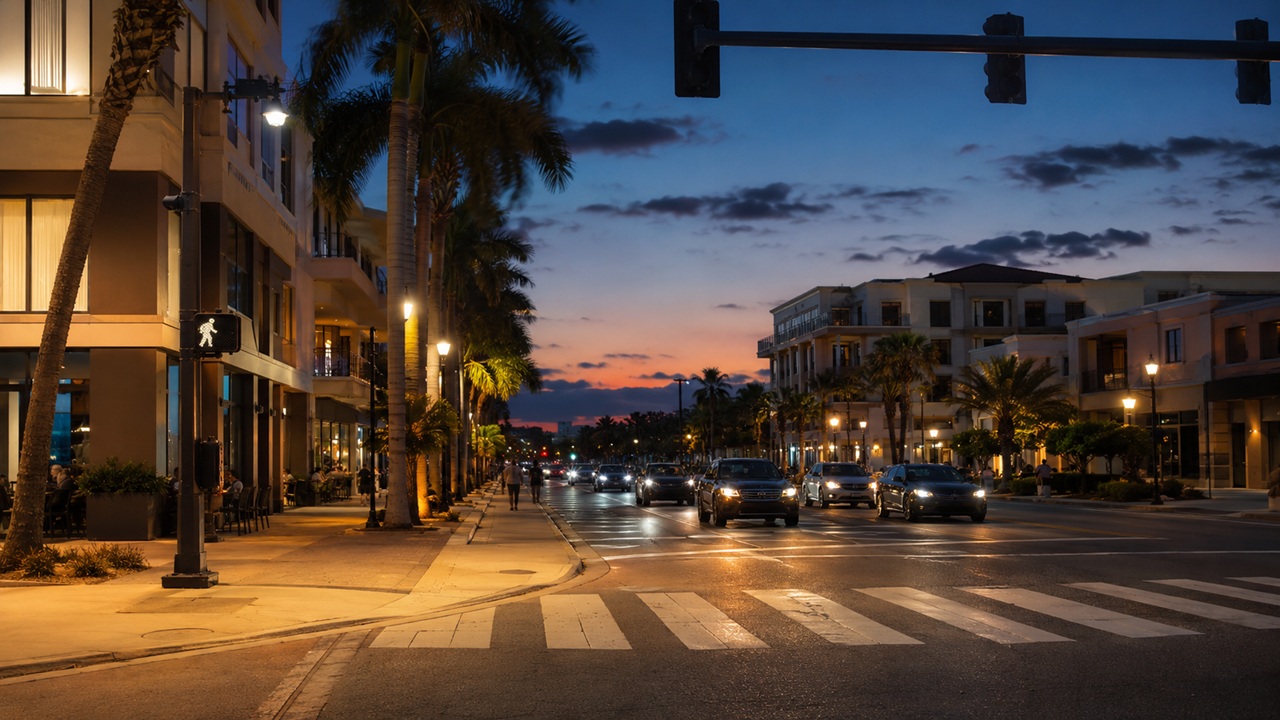
Downtown, corridor, and nightlife-area pedestrian crashes often depend on lighting, turning movements, rideshare traffic, and nearby video.
How Pedestrian Accidents Happen in St. Petersburg
Most St. Petersburg pedestrian crashes follow recurring patterns. Those patterns matter because they shape liability, defenses, and the evidence needed to prove the case.
Crosswalk and Intersection Crashes
Many St. Pete pedestrian crashes happen when a driver turns through a crosswalk, rolls through a stop, fails to yield, or simply does not look carefully enough before entering an intersection.
Mid-Block and Commercial-Corridor Crashes
The defense often tries to reduce the case to "the pedestrian was not in a crosswalk," even when speed, distraction, poor visibility, or bad roadway design played a major role.
Downtown, Waterfront, and Nightlife-Area Crashes
These crashes may involve rideshare vehicles, impaired drivers, delivery traffic, tourists unfamiliar with the roads, and turning conflicts at busy intersections.
Parking Lot and Driveway Crashes
Pedestrians are also hit in shopping-center lanes, private parking lots, apartment complexes, alleys, and driveways. These cases may involve backing vehicles, inattentive drivers, and limited sight lines.
Nighttime and Low-Visibility Crashes
Nighttime crashes often involve disputes over lighting, clothing visibility, speed, headlight use, and whether the driver maintained a proper lookout.
Hit-and-Run Pedestrian Crashes
Hit-and-run cases are especially urgent because business-camera footage, doorbell videos, and witness memories can disappear quickly. Fast preservation work can make or break the case.
What To Do After Being Hit by a Car in St. Petersburg
If you were hit by a car in St. Petersburg, get medical care, make sure law enforcement documents the crash, preserve photos and witnesses, and be careful with early insurance contact.
- 1Call 911 and get emergency help — if seriously hurt, ask for emergency transport. Adrenaline can hide symptoms.
- 2Make sure a report is created — from SPPD, Pinellas County Sheriff, or another responding agency depending on location.
- 3Identify the driver and vehicle — name, plate, insurance, contact. Note if it was a work, delivery, or rideshare vehicle.
- 4Identify witnesses and cameras — names and phone numbers, plus nearby businesses, traffic cameras, dashcams, and doorbell cameras.
- 5Get follow-up medical care quickly — creates a medical record tied to the crash and identifies injuries not obvious at the scene.
- 6Be careful with insurance adjusters — do not guess about injuries, minimize what happened, or rush into a recorded statement.
- 7Talk to a pedestrian accident lawyer early — preserve evidence, identify insurance layers, and respond before the defense narrative hardens.
Common Injuries in Serious St. Petersburg Pedestrian Cases
St. Petersburg pedestrian accident injuries are often severe because the body absorbs the impact directly. The real extent often takes time to understand — which is why early low-value settlements can be dangerous.
"I was involved in a crash and Armando and his crew worked tirelessly to make sure that everything worked seamlessly. Highly recommend them for any accident or injury needs."— Serena L. Actual client. Results may vary; each case is different.
"Armando and his staff are incredible. Very professional and attentive. Any time I had questions or concerns about my case they were happy to answer and give me peace of mind. If I ever have a need for an attorney in the future I will always use and recommend Armando."— Matt C. Actual client. Results may vary; each case is different.
"I truly appreciate everything that Armando and his team has done for me. I would have been completely lost without them. I couldn't recommend a better team for a lawyer to be behind you."— Divine W. Actual client. Results may vary; each case is different.
St. Petersburg Pedestrian Laws, Crosswalks, and Comparative Fault
Under Florida Statute 316.130, drivers have important duties toward pedestrians in crosswalk and intersection settings. Under Florida Statute 768.81, Florida follows modified comparative negligence — an injured pedestrian may still recover if their share of fault is 50 percent or less.
Can a St. Petersburg Pedestrian Recover Pain and Suffering?
Possibly, but not automatically. In many motor vehicle cases, noneconomic damages still depend on Florida's serious-injury threshold under Florida Statute 627.737 — permanent injury, significant loss of an important bodily function, significant and permanent scarring, or death.
How Insurance Works in a St. Petersburg Pedestrian Accident Claim
A St. Petersburg pedestrian claim may involve more than one layer of insurance. Early coverage analysis can shape the entire strategy.
PIP and Early Medical Bills
Under Florida Statute 627.736, PIP may apply in some pedestrian cases. The 14-day treatment rule can affect benefit availability.
Bodily Injury Liability Claims
If the driver was at fault and injuries are serious, the claim may proceed against the driver's bodily injury coverage.
UM and UIM Coverage
Under Florida Statute 627.727, UM/UIM coverage may become critical when the driver has no liability coverage, too little coverage, or leaves the scene.
Rideshare, Delivery, and Commercial Coverage
If the crash involved Uber, Lyft, a delivery van, a work truck, or another business-use vehicle, there may be additional policy layers and company records that matter.
What Affects the Value of a St. Petersburg Pedestrian Accident Case?
The value of a St. Petersburg pedestrian accident case usually depends on injury severity, permanency, proof of fault, available insurance, and how well future damages are documented.
- How severe and permanent the injuries are
- How clear the driver's fault is
- Whether the crash was captured on video
- What treatment records and imaging show
- How much insurance is available
- Whether the victim lost income or future earning capacity
- Whether the insurer can make a credible comparative-fault argument
- Whether future treatment is supported by medical proof
- No honest lawyer can promise a case value at intake — the better goal is building proof that reflects real harm
"Armando and his team go above and beyond; not just for clients, but for friends and family as well. He's genuine, relentless, and truly cares about helping people get the justice and peace of mind they deserve."— Eric A. Actual client. Results may vary; each case is different.
What Evidence Builds a Strong St. Petersburg Pedestrian Accident Claim?
Strong St. Petersburg pedestrian cases are built on local evidence, fast preservation work, and a clear theory of fault. The most important proof is often time-sensitive.
- ✓The crash report
- ✓Scene photographs and video
- ✓Crosswalk markings and signal timing information
- ✓Nearby business, apartment, doorbell, and traffic-camera footage
- ✓Eyewitness statements
- ✓Vehicle damage evidence
- ✓Cell phone records in distracted-driving cases
- ✓Toxicology evidence in impaired-driving cases
- ✓Medical records, imaging, and specialist opinions
- ✓Wage-loss and employment records
- ✓Event data or commercial telematics where available
- ✓Expert analysis in serious or disputed cases
In St. Pete, roadway context can matter as much as ordinary liability evidence. A case on 4th Street, 34th Street, Central Avenue, MLK Street, 16th Street South, or 18th Avenue South may require careful analysis of crossings, lighting, speeds, and turning conflicts.
What If the Insurance Company Says You Caused the Crash?
That is one of the most common defense themes in St. Petersburg pedestrian cases. The insurance company may say you crossed outside a crosswalk, entered the roadway suddenly, wore dark clothing, were distracted, or failed to yield.
The answer is not to accept the driver's version of events. It is to test it. A strong response may involve video, witness accounts, signal timing, crash-scene measurements, lighting analysis, speed evidence, and reconstruction work when needed.
Fatal St. Petersburg Pedestrian Accidents and Wrongful Death Claims
If a St. Petersburg pedestrian accident causes a death, the case may become a wrongful death claim governed by Florida Statutes 768.20 and 768.21. These cases involve different rules about who brings the claim, what damages may be available, and how the claim is structured for survivors and the estate.
Fatal pedestrian cases should be investigated quickly, especially if the crash involved a commercial vehicle, a disputed intersection movement, a hit and run, or allegations that the pedestrian was partly at fault.
"I recommend Armando Personal Injury Law to anyone who's in search of receiving 5-star service from start to finish of their case."— S.G. Actual client. Results may vary; each case is different.
"Armando and his team were able to get maximum recovery available without having to go to court. Armando is very personable and available — he'd answer my worried, overthinking texts at 9pm."— Kellie N. Actual client. Results may vary; each case is different.
Why Hiring the Right St. Petersburg Pedestrian Accident Lawyer Matters
The right lawyer can make a major difference in a serious St. Petersburg pedestrian case because these claims often involve local roadway issues, multiple insurance layers, permanent-injury questions, and evidence that disappears quickly.
- ✓Preserve local video before it is overwritten
- ✓Investigate the roadway and signal conditions
- ✓Identify all available insurance coverage
- ✓Build medical proof for permanency and future-damages issues
- ✓Respond early to comparative-fault arguments
- ✓Prepare the case for litigation if the insurer refuses to value it fairly
A pedestrian claim can look simple on day one and become complicated very quickly.
"Armando and his team handled everything professionally and kept me informed throughout the entire process. I felt supported from start to finish and would recommend them without hesitation."— Dillon H. Actual client. Results may vary; each case is different.
Why Armando Personal Injury Law Is Built for Serious St. Petersburg Pedestrian Cases
Attorney Armando Edmiston is a Tampa Bay personal injury lawyer, U.S. Marine veteran, and one of only six lawyers in Florida listed with the ACS Forensic Lawyer-Scientist designation. His background includes personal injury litigation, medical malpractice-related work, public defense experience, and a science-based approach to evidence-heavy claims.
That matters in pedestrian cases because these claims often turn on biomechanics, visibility, medical causation, future impairment, and the quality of the proof.
Frequently Asked Questions About St. Petersburg Pedestrian Accident Claims
What if I was hit in a crosswalk in St. Petersburg?
That can create a strong starting point, but the case still depends on signal status, turn movement, visibility, driver behavior, and the available evidence.
What if I was not in a crosswalk?
You may still have a claim. A driver can still be negligent by speeding, driving distracted, turning carelessly, or failing to maintain a proper lookout even outside a marked crosswalk.
What if the driver fled the scene?
Hit-and-run St. Petersburg pedestrian crashes require fast action. Video footage, witness accounts, and nearby camera evidence can disappear quickly, and UM coverage may become critical.
What if the driver had no insurance?
Your own UM coverage may still provide an avenue for recovery depending on the policy relationships and facts.
Can I recover pain and suffering after being hit by a car in St. Petersburg?
Possibly, but the claim still has to be analyzed under Florida law, including the serious-injury threshold in many motor-vehicle cases.
How long do I have to file a pedestrian accident lawsuit?
Florida's limitations framework generally applies, but the case can weaken long before a filing deadline if evidence disappears. Talk to a lawyer early.
Do I have to go to court?
Not always. Many claims resolve before trial, but serious pedestrian cases should be prepared as if litigation may become necessary.
Talk To a St. Petersburg Pedestrian Accident Lawyer Today
If you were hit by a car while walking in St. Petersburg, do not wait for the insurance company to define the case for you. Early legal help can preserve nearby business and traffic-camera footage, identify PIP and UM issues, test comparative-fault arguments, investigate local signal and roadway conditions, and put the claim on a stronger path before key proof disappears. Armando Personal Injury Law represents St. Petersburg pedestrian accident victims throughout Pinellas County.
"This practice is extremely ethical, amazingly friendly, and will do anything to help you! Amazing group of people who make you feel like family!"— Kandace K. Actual client. Results may vary; each case is different.
Free Consultation
About the Author
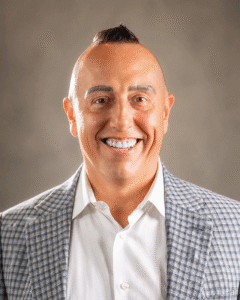
Attorney Armando Edmiston is the founding attorney of Armando Personal Injury Law in Tampa and St. Pete, Florida. A U.S. Marine veteran and Hillsborough County native, he represents injured people and families in serious injury cases, including car accidents, truck accidents, motorcycle accidents, wrongful death, negligent security, premises liability, and nursing home abuse and neglect claims. Armando earned a B.S. in Biology from the University of South Florida and a J.D., cum laude, from Nova Southeastern University. He is also one of only six lawyers in Florida listed with the ACS Forensic Lawyer-Scientist designation.