Drivers who get behind the wheel while under the influence of alcohol often cause catastrophic crashes that result in severe injuries and fatalities.
A Tampa man accused of causing a deadly drunk driving crash on US-41 has been granted bond as the criminal case moves forward, according to WFLA News Channel 8.
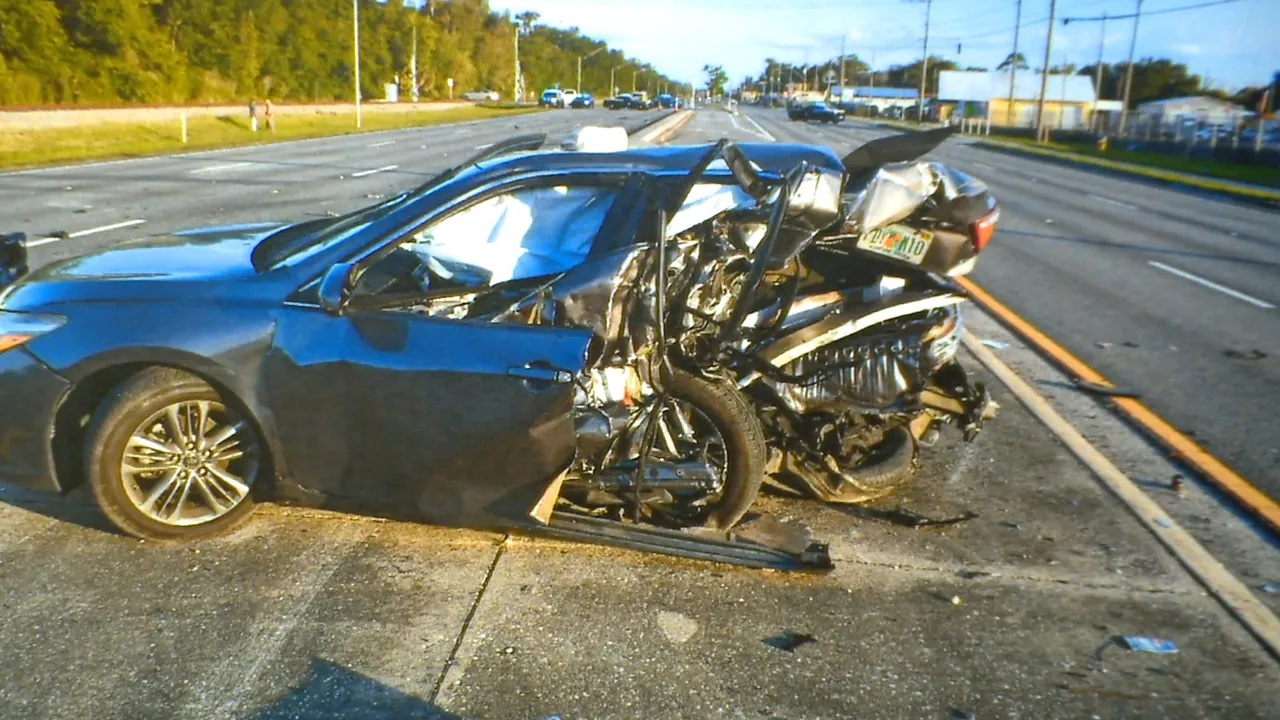
The case stems from a June 7, 2026 crash in Lutz that killed two people and injured another passenger. Reports from WFTV and FOX 13 Tampa Bay state that the crash happened around 5:45 p.m. on US-41 north of Debuel Road. Florida Highway Patrol said a Nissan Pathfinder traveling northbound overtook and struck a Toyota Camry in the inside lane.
The people inside the Camry paid the highest price. A 53-year-old man from Land O' Lakes who was driving the Camry and a 60-year-old woman from Lutz who was riding as a passenger died at the scene. A second passenger, a 55-year-old man from Land O' Lakes, was taken to the hospital with injuries described as not life-threatening.
The Pathfinder driver, identified in local reports as 21-year-old Navesh Persaud of Tampa, was also hospitalized and later arrested. Reports state that Persaud was charged with two counts of DUI manslaughter and one count of DUI with serious bodily injury. WFLA later reported that he appeared before a judge and was granted bond.
These are allegations at this stage. A criminal charge is not a conviction. That distinction matters. But for the families affected by this crash, the civil questions do not politely wait for the criminal case to finish. Medical bills, funeral costs, insurance calls, and grief all show up immediately, because apparently tragedy comes with paperwork.
A Bond Hearing Does Not Decide a Family’s Civil Case
When someone accused of DUI manslaughter is granted bond, grieving families can feel blindsided. Bond does not mean the case is over. It does not mean the accused driver has been cleared. It simply means the court has set conditions for release while the criminal case is pending.
A civil wrongful death or personal injury case is different. The criminal case is about whether the State can prove a crime. The civil case is about accountability, compensation, and protecting the people left behind.
A civil claim may involve funeral expenses, medical bills, lost support, pain and suffering, loss of companionship, and other damages available under Florida law. Families dealing with a fatal crash can learn more by speaking with a Tampa fatal car accident attorney or a Florida wrongful death lawyer.
DUI Manslaughter in Florida
Florida law treats DUI manslaughter as one of the most serious impaired driving offenses. Under Florida Statute § 316.193, DUI manslaughter may be charged when a person drives under the influence and, because of that operation, causes or contributes to another person’s death.
The Florida Department of Highway Safety and Motor Vehicles explains that DUI manslaughter is generally a second-degree felony punishable by up to 15 years in prison. If a driver leaves the scene after a DUI manslaughter crash, the charge can become a first-degree felony.
That criminal process matters. But it does not answer every question a family has after a fatal crash. Families also need to know what insurance coverage exists, whether evidence is being preserved, and whether a wrongful death claim may help protect their financial future.
Drunk Driving Crashes Are Preventable
There is no mystery here. Drunk driving is dangerous, and it is preventable.
The National Highway Traffic Safety Administration reports that 11,904 people were killed in drunk driving crashes nationwide in 2024. NHTSA also states that about 30% of all traffic crash fatalities involve drivers with blood alcohol concentrations of .08 or higher.
Those numbers matter, but they are not the whole story. Behind every number is a family that did not get to say goodbye, a passenger who trusted the road to be safe enough to get home, and a community left trying to make sense of a decision that never had to happen.
A ride-share, taxi, designated driver, or staying put can prevent this kind of loss. There is no good excuse for getting behind the wheel while impaired.
Wrongful Death Claims After a Fatal DUI Crash
In Florida, a wrongful death claim may be available when a person dies because of another party’s negligence or wrongful conduct. The legal right to bring that claim is found in Florida Statute § 768.19. Damages in wrongful death cases are addressed under Florida Statute § 768.21.
Depending on the facts and the family structure, a Florida wrongful death claim may seek compensation for:
- Funeral and burial expenses
- Medical expenses related to the final injury
- Lost support and services
- Loss of companionship and protection
- Mental pain and suffering for eligible survivors
- Lost earnings and loss of prospective net accumulations
- Other damages available under Florida law
A wrongful death case is not about pretending money can replace a life. It cannot. It is about holding the responsible party accountable and helping the family avoid being financially crushed on top of the emotional loss they are already carrying.
Families who lost someone in a crash involving an impaired driver should speak with a Tampa drunk driving accident attorney as soon as possible.
Injured Passengers May Have Their Own Claims
This crash also involved a surviving passenger who was taken to the hospital. Passengers are often in a different legal position than drivers because they usually did nothing to cause the crash. They may have claims against the at-fault driver, and sometimes more than one insurance policy may apply.
An injured passenger may be able to pursue compensation for:
- Emergency medical care
- Hospital bills
- Follow-up treatment
- Physical therapy
- Lost wages
- Pain and suffering
- Emotional distress
- Future medical needs
In Florida, the insurance picture can become complicated quickly because of PIP coverage, bodily injury coverage, uninsured or underinsured motorist coverage, and potential claims against multiple parties. A Tampa car accident lawyer can help sort through the policies and determine what coverage may be available.
Punitive Damages May Be an Issue in DUI Crash Cases
Most civil injury cases focus on compensating victims for what they lost. DUI crash cases can raise another issue: punitive damages.
Punitive damages are different from ordinary damages. They are meant to punish especially reckless conduct and deter similar behavior. Florida law has specific provisions that may apply when a defendant was under the influence of alcohol or drugs.
Under Florida Statute § 768.736, certain punitive damage limitations do not apply to a defendant who was under the influence of alcohol or drugs to the extent that normal faculties were impaired, or who had a blood or breath alcohol level of .08 or higher.
That does not mean punitive damages are automatic. Evidence matters. The facts matter. The court process matters. But in cases involving alleged drunk driving, families and injured victims should know that punitive damages may need to be evaluated.
Why Evidence Preservation Matters Immediately
After a serious or fatal DUI crash, evidence can disappear quickly. Vehicles may be moved, repaired, stored, or destroyed. Witness memories can fade. Surveillance footage may be overwritten. Insurance companies may begin building their defense almost immediately, because apparently even tragedy has a claims department.
Important evidence in a fatal DUI crash may include:
- FHP crash reports
- Blood alcohol or toxicology results
- Bodycam or dashcam footage
- 911 calls
- Witness statements
- Vehicle damage photos
- Event data recorder information
- Medical records
- Autopsy or medical examiner records
- Insurance policy information
- Cell phone records
- Bar, restaurant, or store receipts if alcohol service is an issue
In some cases, additional questions may arise about where alcohol was consumed and whether any third party contributed to the danger. Those issues should be investigated carefully, not guessed at from a headline.
A lawyer can send preservation letters, request evidence, communicate with insurers, and begin investigating the crash before critical proof is lost.
The Criminal Case and Civil Case Can Move Separately
Families sometimes believe they must wait until the criminal case ends before doing anything civilly. That is not always true.
A criminal prosecution is brought by the State of Florida. Its purpose is punishment under criminal law. A civil case is brought by injured people or surviving family members. Its purpose is compensation and accountability.
The two cases can involve overlapping evidence, but they are not the same. A civil claim may move forward while the criminal case is still pending, depending on the circumstances.
That matters because waiting too long can create real problems. Evidence can disappear. Insurance deadlines can pass. Witnesses can become harder to locate. Families should not assume the criminal justice system will protect their civil rights for them.
What Families Should Do After a Fatal DUI Crash
After a fatal crash, families are overwhelmed. That is normal. But a few steps can help protect the family’s rights:
- Avoid giving recorded statements to insurance companies without legal advice
- Save every letter, email, and document related to the crash
- Keep funeral and medical expense records
- Write down the names of any known witnesses
- Preserve photos, videos, and messages related to the crash
- Do not sign insurance releases too quickly
- Speak with a lawyer before accepting any settlement
- Ask whether all insurance policies have been identified
Insurance companies may sound helpful at first. Some adjusters are polite. Some are sympathetic. That does not mean their job is to protect the family. Their job is to protect the insurance company’s money.
Accountability After a Deadly Drunk Driving Crash
The US-41 crash in Lutz left two people dead, one passenger injured, and multiple families facing a future they did not choose.
No bond decision can undo that. No court hearing can bring back the people who were lost. But families still deserve answers. They deserve to know what happened, what evidence exists, what insurance coverage applies, and whether a civil claim can help protect their future.
Fatal drunk driving cases are about more than one bad decision. They are about the ripple effect that follows: funerals, medical bills, lost income, grief, trauma, and a legal process that can feel cold at the exact moment families need help the most.
Talk to Armando Personal Injury Law After a Fatal DUI Crash in Tampa Bay
Armando Personal Injury Law represents injured crash victims and grieving families after serious car accidents, fatal collisions, and drunk driving crashes throughout Tampa Bay and Florida.
If your loved one was killed in a crash involving an impaired driver, or if you were injured as a passenger, driver, pedestrian, or motorcyclist, you do not have to handle the insurance companies alone.
Call (813) 482-0355 or visit armandoinjurylaw.com to schedule a free consultation. You can also use the firm’s contact page.
You pay nothing unless we win.
About the Author
Attorney Armando Edmiston is the founder of Armando Personal Injury Law in Tampa and St. Pete, Florida. A U.S. Marine veteran, Hillsborough County native, and ACS Forensic Lawyer-Scientist, he represents Floridians in serious personal injury and wrongful death cases.