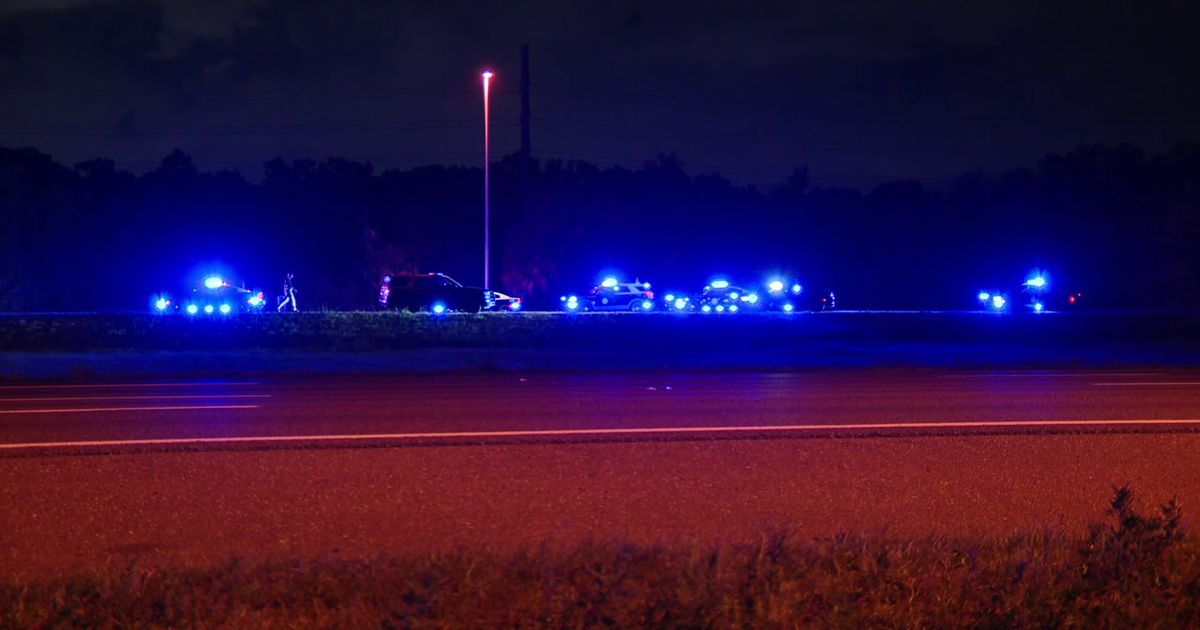
A fatal crash on southbound I-75 near Fletcher Avenue in Tampa highlights how quickly serious highway collisions can affect families and traffic throughout Hillsborough County.
A fatal crash on southbound I-75 near Fletcher Avenue in Tampa closed the roadway for several hours before all lanes reopened Thursday morning, according to FOX 13 Tampa Bay. The report, citing the Florida Highway Patrol, stated that the crash happened around 11:30 p.m. near mile marker 267 and that it was not yet clear how the crash started.
The Florida Highway Patrol live traffic crash and road condition report is a useful source for active roadway incidents, but early incident information is not the same as a final crash investigation. In fatal cases, the facts often develop over time as troopers review roadway evidence, vehicle damage, witness statements, and other available records.
For families affected by a serious or fatal Tampa crash, the first legal priority is not speculation. It is preserving evidence, identifying insurance coverage, and understanding whether a civil claim may exist under Florida law.
What We Know About the I-75 Crash Near Fletcher Avenue
- Location: Southbound I-75 near Fletcher Avenue in Tampa, near mile marker 267.
- Reported time: Around 11:30 p.m.
- Road impact: All southbound lanes were closed for several hours, then reopened Thursday morning.
- Reporting agency: Florida Highway Patrol.
- Unknown issue: Public reporting has not yet explained how the crash started.
That final point matters. A fatal crash can involve multiple vehicles, roadway conditions, driver behavior, commercial coverage, disabled vehicles, or other contributing factors. Until more information is released, fault should not be assumed from the location or lane closure alone.
Why Fatal Highway Crashes Require a Careful Investigation
Interstate crashes can become legally complex because they often involve higher speeds, fast lane changes, merging traffic, limited reaction time, and severe impact forces. Near Fletcher Avenue, I-75 traffic may include commuters, USF-area drivers, Temple Terrace traffic, New Tampa traffic, commercial vehicles, and long-distance interstate traffic moving through Hillsborough County.
A fatal crash investigation may look at questions such as:
- Was a vehicle stopped or disabled in a travel lane?
- Did a driver fail to slow down for traffic ahead?
- Was speeding, distraction, impairment, fatigue, or aggressive driving involved?
- Did a commercial vehicle, delivery vehicle, rideshare vehicle, or company vehicle play a role?
- Was there roadway debris, poor lighting, construction, or another road condition that contributed to the crash?
- Are there traffic cameras, dashcams, nearby business cameras, or witness statements that can help explain what happened?
These questions can affect not only fault, but also insurance coverage and the family’s ability to pursue compensation after a fatal collision.
Florida Law Issues That May Matter After a Fatal I-75 Crash
Florida traffic and negligence law may become relevant after a fatal highway crash, depending on what the evidence shows. For example, Florida’s following-too-closely statute requires drivers not to follow another vehicle more closely than is reasonable and prudent based on speed, traffic, and highway conditions.
In more extreme cases, Florida’s reckless driving statute may become relevant if a driver operated a vehicle in willful or wanton disregard for the safety of people or property. This does not mean reckless driving caused this crash. It means these are the kinds of legal standards that may be reviewed after a severe collision.
Florida’s comparative fault statute may also matter if more than one person or entity is alleged to share responsibility. In practical terms, insurance companies may dispute whether one driver, multiple drivers, or another party contributed to the crash.
Wrongful Death Claims After a Fatal Tampa Car Accident
When a person dies because of another party’s wrongful act, negligence, default, or breach of contract or warranty, Florida’s wrongful death right of action may allow a claim to be brought by the appropriate legal representative.
Under Florida’s wrongful death damages statute, qualifying damages may include loss of support and services, loss of companionship and protection, mental pain and suffering for certain survivors, and medical or funeral expenses in qualifying circumstances.
Families should also be aware of timing. Florida’s statute of limitations generally provides two years for actions founded on negligence and two years for wrongful death actions. Because evidence can disappear quickly, families should not wait to understand their rights.
Armando Personal Injury Law helps families evaluate whether they may have a wrongful death claim after a serious Tampa crash. Learn more from the firm’s Tampa fatal car accident lawyer page.
Evidence That May Matter After a Fatal Highway Crash
A fatal crash case may depend on more than the traffic report. Important evidence can include:
- Florida Highway Patrol crash reports and supplemental investigation materials
- 911 calls, CAD notes, and dispatch timelines
- Scene photographs, measurements, skid marks, debris fields, and vehicle resting positions
- Dashcam, traffic camera, nearby business camera, or residential surveillance video
- Witness statements and contact information
- Vehicle event data recorder information, when available
- Cell phone records, if legally obtainable and relevant
- Commercial driver logs, employer records, maintenance records, or app-status data when a company vehicle, rideshare vehicle, or delivery driver may be involved
- Insurance policies, including bodily injury coverage, commercial coverage, umbrella coverage, and uninsured/underinsured motorist coverage
This evidence can become harder to obtain as time passes. Video may be overwritten, vehicles may be moved or repaired, and witnesses may become harder to locate. Early legal involvement can help preserve the proof needed to understand what actually happened.
Insurance Coverage Can Be Complicated After a Fatal Florida Crash
Serious and fatal crash claims often involve more than one possible source of insurance coverage. Depending on the facts, coverage may include bodily injury liability insurance, commercial coverage, employer coverage, rideshare or delivery coverage, umbrella coverage, or uninsured/underinsured motorist coverage.
Florida’s no-fault system may also raise early medical-benefit issues in injury cases. The state’s PIP statute includes rules that can affect initial medical benefits after a crash. In fatal cases, however, the family and estate may also need to evaluate liability coverage, wrongful death damages, and all available recovery layers.
For general crash claim information, see Armando Personal Injury Law’s Florida car accident lawyer resource. For local claims in Hillsborough County, see the firm’s Tampa car accident lawyer page.
How Armando Personal Injury Law Helps After a Serious Tampa Crash
After a fatal or catastrophic crash, Armando Personal Injury Law can help by:
- Reviewing the known crash facts and identifying what information is still missing
- Preserving evidence before it disappears
- Communicating with insurance companies
- Identifying all potentially responsible parties
- Analyzing available insurance coverage
- Working with investigators or reconstruction experts when appropriate
- Explaining wrongful death, injury, and insurance claim options to the family
- Protecting the family from rushed insurance pressure
Injured or Grieving After a Tampa Car Accident? Get Help Now.
A fatal crash leaves families with grief, unanswered questions, and legal pressure they should not have to handle alone. If your loved one was killed in a crash on I-75, Fletcher Avenue, or anywhere in Hillsborough County, Armando Personal Injury Law can help you understand your options.
Call Armando Personal Injury Law at (813) 482-0355 or contact the firm online for a free consultation.
About the Author
Attorney Armando Edmiston is the founder of Armando Personal Injury Law in Tampa and St. Pete, Florida. A U.S. Marine veteran, Hillsborough County native, and ACS Forensic Lawyer-Scientist, he represents Floridians in serious personal injury and wrongful death cases.