A reported crash near a St. Petersburg high school highlights the serious risks teen pedestrians face near crosswalks and school zones.
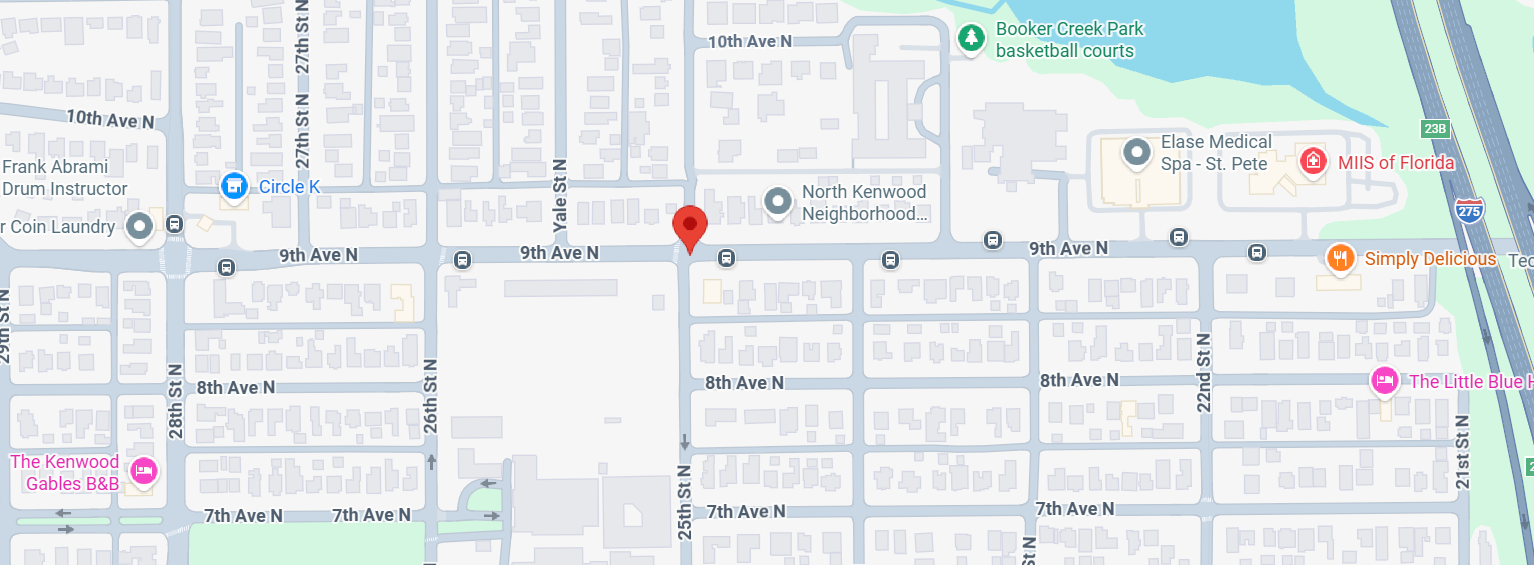
A 15-year-old boy was critically injured after being struck by a vehicle in a marked crosswalk near a St. Petersburg high school, according to Tampa Bay 28. Police said the crash happened shortly before 10 a.m. on May 22 at 9th Avenue North and 25th Street North. The report states that the teen activated the crosswalk lights and attempted to cross 9th Avenue North before being hit by a Honda Accord traveling eastbound. The driver remained at the scene, and the investigation remains ongoing.
When a child is hit in a crosswalk, the legal issues can become serious very quickly. A police report may be only the beginning. Families may need to know what the traffic signals showed, whether the crossing lights were working, how fast the vehicle was moving, whether nearby video exists, what insurance coverage applies, and how the child’s injuries may affect their future. Because apparently crosswalks, flashing lights, and children still are not enough to make every driver slow down.
This article explains the legal and insurance issues that may matter after a serious student pedestrian crash in St. Petersburg, including Florida crosswalk law, school-area safety rules, PIP benefits, uninsured/underinsured motorist coverage, and the evidence that should be preserved immediately.
| Quick Answer: After a child pedestrian is hit in a marked crosswalk, the family may need to investigate driver negligence, signal timing, roadway design, school-zone conditions, medical damages, and every available layer of insurance coverage. Even when a crash report appears straightforward, insurers may still dispute fault or minimize the child’s injuries. Fast evidence preservation matters. |
What Happened in the St. Petersburg Crosswalk Crash?
Based on early reporting, St. Petersburg police responded to a crash at 9th Avenue North and 25th Street North after a vehicle struck a 15-year-old pedestrian. The teen was transported to the hospital with serious injuries and was reported to be in critical condition as of Friday afternoon. The intersection later reopened.
The reported facts are especially concerning because the crash involved a marked crosswalk and activated crossing lights. Those details do not automatically resolve the legal case, but they can be extremely important. A St. Petersburg pedestrian accident lawyer would typically want to preserve evidence showing exactly when the lights were activated, where the pedestrian was located, where the vehicle was located, and whether the driver had enough time and distance to respond.
Important note: This article is based on initial news reporting. The crash investigation is ongoing, and final fault determinations should be based on evidence, not assumptions. A shocking concept, admittedly, in a world allergic to nuance.
Why Crosswalk Crashes Near Schools Are Legally Serious
Florida law gives pedestrians and drivers specific responsibilities. Under Florida Statutes section 316.130, drivers must yield to pedestrians in crosswalks under certain conditions, and every driver must exercise due care to avoid colliding with pedestrians. The statute specifically requires additional precaution when a driver observes a child or an obviously confused or incapacitated person.
That child-specific language matters. A driver approaching a school area or a marked crosswalk should be scanning for students, slowing when conditions require it, and preparing to stop. Near schools, the duty to pay attention is not theoretical. It is the entire point of crosswalks, lights, reduced speeds, and school-area traffic controls.
Florida also has school-zone rules under Florida Statutes section 316.1895, including limits on school-zone speeds during designated arrival and dismissal periods. FDOT also publishes information on school zone speed detection systems, which reflects the broader public-safety purpose behind school-area traffic enforcement.
A Marked Crosswalk Is Powerful Evidence, But It Is Not the Whole Case
In a pedestrian injury claim, a marked crosswalk can be a strong liability fact. But a serious case still depends on evidence. Insurance companies may ask whether the pedestrian entered suddenly, whether the signal was active, whether traffic was stopped, whether the driver had a clear line of sight, whether another vehicle blocked visibility, and whether the pedestrian was distracted. Their creativity is not always admirable, but it is predictable.
That is why crosswalk evidence should be gathered quickly. In St. Petersburg pedestrian cases, useful proof may include:
- Intersection and crosswalk photographs before markings, signs, or signal equipment change.
- Nearby business, school, residential, traffic, or dash-camera video.
- Signal timing data, pedestrian crossing-light records, and maintenance history if available.
- Vehicle location, damage pattern, speed evidence, and braking or avoidance evidence.
- Witness names, 911 calls, police body camera footage, and crash reconstruction findings.
- Hospital records, imaging, specialist evaluations, and long-term medical opinions.
The firm’s broader Florida pedestrian accident lawyer resource explains how fault, insurance, and damages can become complicated even when a pedestrian appears to have the right of way.
How Florida Insurance Can Apply After a Child Pedestrian Accident
Serious pedestrian crashes often create insurance confusion. Florida is a no-fault state for motor vehicle injury benefits, which means Personal Injury Protection may apply regardless of fault. According to FLHSMV, Florida vehicle owners generally must show proof of PIP and property damage liability to register a four-wheel vehicle.
Under Florida Statutes section 627.736, PIP medical benefits are tied to initial medical services and care within 14 days after the motor vehicle accident. The firm’s guide to PIP claims after a car accident explains why prompt treatment can matter even when injuries are obviously serious.
For a child pedestrian, possible coverage sources may include:
- The child’s household auto policy PIP coverage, depending on the policy and household facts.
- The at-fault driver’s bodily injury liability coverage, if available.
- The child’s household uninsured/underinsured motorist coverage, if the driver has no bodily injury coverage or not enough coverage.
- Health insurance, medical payments coverage, or other policy benefits depending on the family’s situation.
This is where uninsured and underinsured motorist coverage can become critical. Florida does not require most drivers to carry bodily injury liability coverage as part of basic vehicle registration, which can leave badly injured people facing a coverage gap. The firm’s guide to uninsured and underinsured motorist coverage explains why UM/UIM can matter in serious Florida injury cases.
Serious Injuries to Teen Pedestrians Require Long-Term Proof
When a teenager is hit by a car, the injury claim should not be valued like a simple emergency-room bill. A child may need weeks, months, or years of care. The long-term issues may include traumatic brain injury, fractures, growth-plate injuries, spinal injuries, internal injuries, scarring, emotional trauma, missed school, tutoring needs, future treatment, and permanent limitations.
Florida’s motor vehicle injury framework also includes the serious-injury threshold in Florida Statutes section 627.737, which can affect when pain-and-suffering damages may be pursued in many crash cases. A serious child pedestrian crash should be evaluated with that threshold in mind, along with the child’s future medical and developmental needs.
The defense may try to focus on what the child can do today. The stronger analysis asks what the injury will mean next year, during school, during sports, during work, and into adulthood. That is not drama. That is damages proof.
Comparative Fault Can Become a Fight Even in Crosswalk Cases
Florida’s modified comparative fault law can make evidence preservation even more important. Under Florida Statutes section 768.81, a party found greater than 50 percent at fault in a covered negligence action generally may not recover damages.
That rule gives insurers a financial reason to argue the pedestrian did something wrong, even when the crash happened in a marked crosswalk. In a student pedestrian case, those arguments may focus on timing, attention, clothing, speed of crossing, or whether the child entered the roadway suddenly.
A careful investigation can push back with the facts: activated crosswalk lights, crosswalk placement, vehicle speed, sight distance, driver reaction, witness testimony, and video. This is why families should avoid relying only on an adjuster’s first interpretation of the crash.
What Families Should Do After a Student Is Hit in a Crosswalk
After a serious pedestrian crash, the family’s first priority is medical care. Once immediate safety and treatment are addressed, the legal and insurance steps should begin quickly. Useful steps include:
- Get complete emergency and follow-up medical care. Ask providers to document symptoms, restrictions, pain levels, school impacts, and any neurological concerns.
- Make sure the crash was reported. In injury crashes, St. Petersburg police direct people to report serious crashes and remain at the scene under Florida law. The department’s crash reporting guidance explains when police reporting is required.
- Request and preserve the crash report number, officer information, and any available witness information.
- Photograph the crosswalk, signals, lighting, traffic controls, lane markings, vehicle approach, and nearby cameras as soon as possible.
- Do not give a detailed recorded statement to an insurance adjuster before understanding the legal and medical issues.
- Review all household auto policies for PIP, medical payments, UM/UIM, and possible resident-relative coverage.
- Speak with a Petersburg car accident attorney or pedestrian injury lawyer before evidence disappears or coverage deadlines create problems.
Why Local St. Petersburg Evidence Matters
The intersection, the signal system, and the surrounding school-area environment are not background details. They may be core evidence. A local investigation may need to evaluate whether the marked crosswalk was visible, whether the pedestrian crossing lights were functioning, whether signs were properly placed, whether traffic patterns near the school created a known risk, and whether prior crashes or complaints should have triggered safety changes.
That does not mean every crash creates a roadway-design claim. It means serious pedestrian cases deserve more than a surface-level review. A St. Petersburg personal injury lawyer familiar with Pinellas County crash claims can help identify what evidence is likely to matter before it is lost, overwritten, repaired, or forgotten.
For families concerned about student pedestrian safety more broadly, the firm has also discussed why crosswalk visibility and school-area design choices can matter in its article on Tampa crosswalk murals and student pedestrian safety.
Talk to a St. Petersburg Pedestrian Accident Lawyer After a Serious Crosswalk Injury
A child being hit in a crosswalk is not just a traffic incident. It can become a life-changing injury case involving medical care, insurance coverage, fault disputes, school disruption, and long-term damages. The earlier the investigation starts, the better the chance of preserving the evidence that tells the full story.
Armando Personal Injury Law represents injured pedestrians and families in St. Petersburg, Pinellas County, Tampa Bay, and throughout Florida. If your child was hit by a vehicle while walking, our team can review what happened, identify available coverage, preserve key evidence, and help you understand the next steps.
Contact Armando Personal Injury Law today through armandoinjurylaw.com or call (813) 482-0355 for a free case evaluation. You pay nothing unless we win.
About the Author
Attorney Armando Edmiston is the founder of Armando Personal Injury Law in Tampa and St. Pete, Florida. A U.S. Marine veteran, Hillsborough County native, and ACS Forensic Lawyer-Scientist, he represents Floridians in serious personal injury and wrongful death cases.
Frequently Asked Questions
Does a driver have to stop for a pedestrian in a marked crosswalk in Florida?
Florida law requires drivers to yield to pedestrians in crosswalks under specific conditions and to exercise due care to avoid colliding with pedestrians. The facts still matter, including signal status, visibility, vehicle speed, and where the pedestrian was located when the vehicle approached.
What if the child activated crosswalk lights before crossing?
Activated crosswalk lights can be important evidence because they may show the driver had warning that a pedestrian was crossing or preparing to cross. A lawyer may investigate signal timing, visibility, video, witness accounts, and whether the driver had enough time and distance to stop.
Can a family bring an injury claim if a child was hit near a school?
Yes, depending on the evidence. A claim may involve driver negligence, insurance coverage, crosswalk law, school-zone conditions, and the child’s medical damages. A serious injury claim should be reviewed quickly so video, signal data, and witness evidence can be preserved.
Does PIP apply when a pedestrian is hit by a car in Florida?
PIP may apply in pedestrian crashes depending on the child’s household auto coverage, the vehicle involved, and other policy facts. Florida PIP issues are fact-specific, so families should review every possible policy, including household policies and UM/UIM coverage.
How long does a family have to act after a pedestrian injury in Florida?
Florida negligence lawsuits are generally subject to a two-year statute of limitations, but families should not wait. Evidence in pedestrian cases can disappear within days or weeks, especially surveillance video and witness memory. Deadlines can also vary based on the facts.