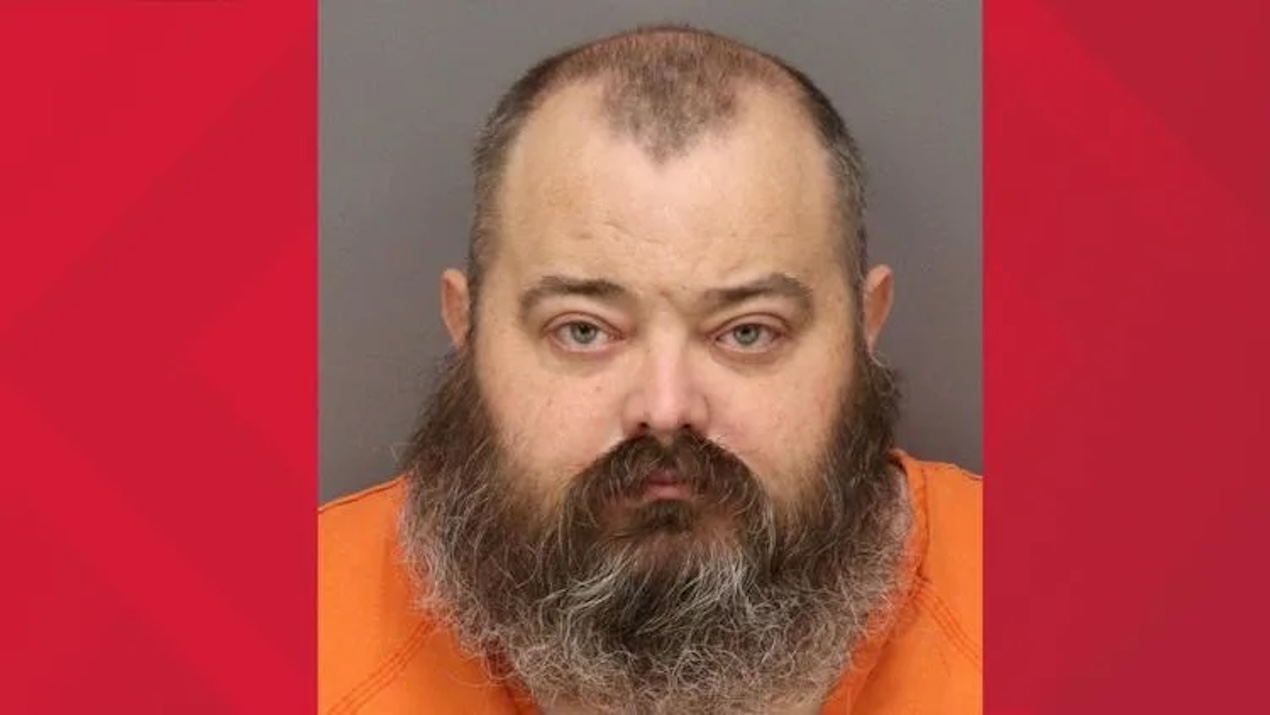
A Clearwater caregiver was arrested by the Pinellas County Sheriff’s Office after a woman in his care was allegedly found suffering from severe neglect, including untreated bedsores and poor hygiene.
A Clearwater caregiver neglect case is raising concerns about how vulnerable adults can suffer when basic care is ignored.
According to Tampa Bay 28, the Pinellas County Sheriff’s Office arrested a caregiver after a double-amputee woman was allegedly found in urine-soaked diapers, had not been bathed in weeks, and was suffering from bedsores and rashes. Deputies said the woman could not care for herself and contacted a friend for help before law enforcement conducted a welfare check.
Although the reported case involved a private caregiver rather than a nursing home, the warning signs are familiar in many Florida nursing home abuse and neglect cases. Poor hygiene, untreated wounds, soiled bedding, delayed medical care, and a vulnerable person being unable to advocate for themselves can all point to serious neglect.
Neglect Can Happen in Many Care Settings
Neglect is not always obvious at first. It may begin with missed baths, unchanged clothing, ignored complaints, poor nutrition, or wounds that are not properly treated.
A caregiver may say they were overwhelmed. A facility may blame staffing shortages. A nursing home may claim a bedsore was unavoidable. But when poor hygiene, rashes, bedsores, dehydration, infections, or sudden decline appear together, families should ask questions quickly.
Florida law recognizes neglect of an elderly person or disabled adult when a caregiver fails to provide necessary care, supervision, or services, including food, clothing, shelter, medicine, and medical care. You can review the law under Florida Statute § 825.102.
Nursing home residents also have specific rights under Florida law, including the right to adequate health care, dignity, privacy, and freedom from abuse and neglect. Those rights are outlined in Florida Statute § 400.022.
Bedsores Are a Serious Warning Sign
One of the most concerning details reported in the Clearwater case was the presence of bedsores.
Bedsores, also called pressure ulcers, can develop when someone is left in one position too long, not cleaned properly, not repositioned, or not monitored for skin breakdown. In a care setting, they may point to missed turning schedules, poor hygiene, understaffing, ignored care plans, or delayed treatment.
For elderly, disabled, bedridden, or immobile people, skin care is basic safety care. When wounds are ignored, they can worsen quickly and lead to infection or hospitalization.
Families who notice pressure wounds, rashes, foul odors, soiled clothing, or unchanged bedding should review our page on bedsores in Florida nursing homes.
Warning Signs Families Should Watch For
Signs of caregiver or nursing home neglect may include:
- Soiled diapers, clothing, sheets, or bedding
- Strong odors of urine, feces, infection, or poor hygiene
- Bedsores, pressure wounds, rashes, or untreated skin injuries
- Sudden weight loss, weakness, dehydration, or malnutrition
- Repeated urinary tract infections or wound infections
- Missed medication or unexplained medication changes
- Unusual sedation, confusion, or rapid decline
- Fearfulness around a specific caregiver or staff member
- Vague, defensive, or inconsistent explanations from caregivers or staff
Families can also review the signs of nursing home abuse and neglect for more detail on what to document.
Private Caregiver Neglect and Facility Neglect Can Overlap
The Clearwater allegations are a reminder that neglect can happen outside a nursing home. Private caregivers, home health aides, assisted living staff, adult family care arrangements, and long-term care providers may all be responsible for meeting a vulnerable person’s basic needs.
A civil investigation may look at who was responsible for the person’s care, what care was required, whether that care was provided, and whether the neglect caused injury, medical decline, hospitalization, or death.
For facility-related cases outside traditional nursing homes, our Florida assisted living abuse and neglect lawyer page explains how poor hygiene, ignored medical needs, unsafe supervision, and preventable harm may become legal issues.
What Families Should Do If They Suspect Neglect
If your loved one may be in immediate danger, call 911.
After immediate safety concerns are addressed, families should preserve evidence where possible:
- Photograph injuries, bedding, clothing, room conditions, and unsanitary areas.
- Write down dates, times, names, and explanations given by caregivers or staff.
- Get outside medical care and ask that wounds, rashes, dehydration, or infection be documented.
- Save texts, voicemails, emails, care instructions, payment records, and caregiver agreements.
- Request medical records, care plans, medication records, incident reports, and wound-care notes.
- Report suspected abuse or neglect through the proper Florida agencies.
Families can report suspected vulnerable-adult abuse, neglect, or exploitation through Florida Adult Protective Services. Complaints involving licensed health care facilities can be submitted through the Florida Agency for Health Care Administration. Long-term care residents and families may also contact the Florida Long-Term Care Ombudsman Program.
For more guidance, visit our page on how to report nursing home abuse in Florida.
Criminal Charges Are Separate From Civil Accountability
An arrest focuses on whether prosecutors can prove a crime occurred. A civil neglect claim is different. It focuses on the harm suffered by the victim and whether a caregiver, agency, facility, or company may be financially responsible.
A criminal case does not automatically resolve medical bills, pain, worsening health, hospitalization, or other harm caused by neglect. Families may still need an independent civil investigation to preserve records and identify all responsible parties.
In severe cases, neglect may contribute to infection, sepsis, dehydration, malnutrition, preventable falls, or fatal complications. When neglect contributes to death, families may need to review options with a Florida nursing home wrongful death lawyer.
Pinellas County Families Should Document Early
This reported case happened in Clearwater, but similar concerns can affect vulnerable adults throughout Pinellas County and across Florida.
Evidence can disappear quickly. Caregivers may deny what happened. Facilities may claim injuries were unavoidable. Staff may leave. Records may be incomplete. Photos, medical documentation, and witness statements can become important later.
Helpful evidence may include:
- Photos of wounds, bedding, clothing, and room conditions
- Hospital and EMS records
- Care plans
- Medication records
- Turning and repositioning logs
- Bathing and hygiene records
- Staffing schedules
- Caregiver agreements
- Text messages and call logs
- Prior complaints
- AHCA inspection history
- Witness statements
- Surveillance video, where available
Our article on how to prove abuse in a nursing home explains why early documentation matters.
Florida Nursing Home and Caregiver Neglect Cases
No vulnerable person should be left in soiled clothing, untreated wounds, unsafe bedding, or degrading conditions. When basic care is ignored, families deserve answers.
Armando Personal Injury Law handles serious neglect cases involving nursing homes, assisted living facilities, and caregiver-related harm. The firm also represents families in Pinellas County personal injury cases, Clearwater personal injury claims, St. Petersburg nursing home abuse cases, and Tampa nursing home abuse and neglect claims.
Call (813) 482-0355 to learn more.
About the Author
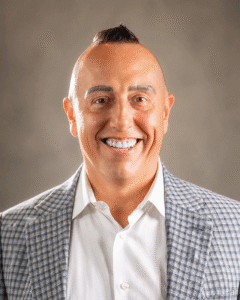
Attorney Armando Edmiston is the founder of Armando Personal Injury Law in Tampa and St. Pete, Florida. A U.S. Marine veteran, Hillsborough County native, and ACS Forensic Lawyer-Scientist, he represents Floridians in serious personal injury and wrongful death cases.