Florida passengers injured in a crash may have insurance options beyond basic no-fault benefits.
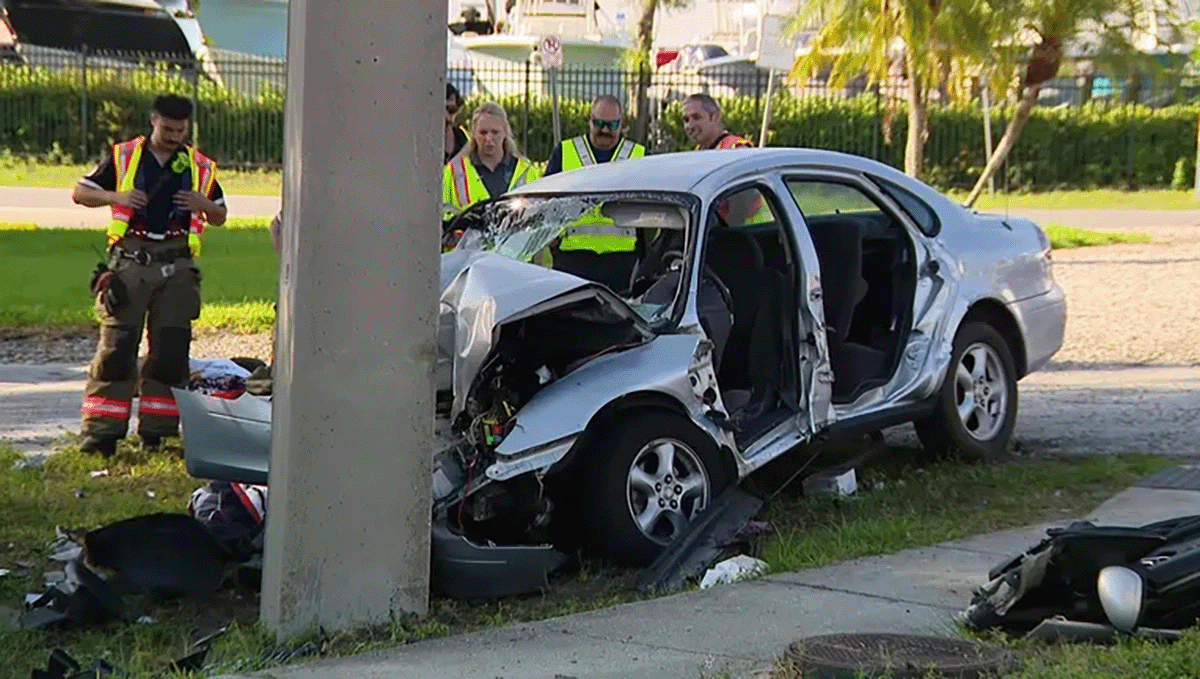
A recent Palm Harbor crash is one reminder of how serious passenger injuries can be. According to a Fox 13 News report on the U.S. 19 Palm Harbor crash, both the driver and passenger suffered serious injuries after a vehicle struck a utility pole. This is not about assigning fault in any one crash. It addresses a question many injured passengers ask after a wreck: Can I recover compensation if the driver of the vehicle I was in caused the crash?
The answer is often yes.
A passenger injured in a Florida car accident may have the right to pursue compensation through the at-fault driver’s insurance, other applicable liability coverage, or uninsured or underinsured motorist coverage. That may be true even if the driver was a spouse, family member, boyfriend, girlfriend, or close friend.
Many injured passengers assume they cannot bring a claim because they were riding with someone they know. In reality, these cases often turn on available insurance coverage, the seriousness of the injuries, and whether the passenger’s damages go beyond Florida’s no-fault system.
Can an injured passenger file a claim against the driver’s insurance in Florida?
Yes. An injured passenger may be able to pursue a claim against the driver’s insurance if the driver’s negligence caused the crash. That can include a single-vehicle crash, a collision with another car, or a crash involving a fixed object if the facts support negligence.
Passengers are usually in a very different legal position than drivers. A passenger does not control the steering wheel, braking, speed, lane choice, or route. If the driver was speeding, distracted, impaired, too tired to drive safely, or otherwise careless, an injured passenger may have a right to seek compensation.
Depending on the facts, a claim may involve more than one source of coverage. There may be a claim against the driver’s bodily injury liability coverage, the owner’s policy if someone else owned the vehicle, another at-fault driver, uninsured or underinsured motorist coverage, or an umbrella policy. That is one reason it helps to review the case with a Florida car accident lawyer who can identify all potential sources of recovery.
Does Florida PIP cover injured passengers?
Florida is a no-fault state for initial medical and wage-loss benefits. That means a passenger may have access to personal injury protection, or PIP, for early accident-related expenses in covered situations under the Florida PIP statute, section 627.736.
PIP can help with a portion of medical bills and lost income, but it is limited. In general, an injured person must obtain initial medical care within 14 days, and the amount of available medical benefits may depend on whether the injuries qualify as an emergency medical condition under the statute.
PIP is often only the beginning of the insurance analysis. When a passenger suffers a fracture, head injury, back injury, internal injury, surgical injury, permanent scarring, or another serious condition, the claim may quickly move beyond basic no-fault benefits.
What if the driver was a spouse, family member, or friend?
Many passengers hesitate to make a claim because the driver was someone close to them. That is understandable. The driver may be a husband, wife, parent, adult child, sibling, boyfriend, girlfriend, fiancé, roommate, friend, or coworker.
But a passenger injury claim is usually not about trying to harm someone you care about personally. In most cases, the real issue is whether there is insurance coverage available to help pay for medical care, lost income, future treatment, pain and suffering, and other damages.
The relationship does not erase the injury. If a negligent driver causes serious harm to a passenger, the passenger may still have legal rights even when the driver is a loved one.
Can a spouse bring this kind of claim in Florida?
A married passenger should not assume that marriage automatically prevents a claim. Spouse-related passenger claims can involve more complicated insurance questions. Household exclusions, policy definitions, available bodily injury coverage, and access to uninsured or underinsured motorist coverage can all matter. Because these cases can become policy-specific quickly, they should be reviewed carefully by our attorney, Armando Edmiston.
What happens if the driver has no bodily injury liability coverage?
This is one of the most important issues in Florida passenger injury cases.
Florida requires vehicle owners to carry PIP and property damage liability coverage, but bodily injury liability coverage is generally not required for many drivers. The Florida Bar’s automobile insurance consumer guide explains this clearly. That means a vehicle can be legally insured in Florida and still have no bodily injury coverage available to pay an injured passenger’s damages.
That surprises many people. They hear that the car was insured and assume there must be coverage for injuries. Sometimes there is not, or the limits are far too low for a serious crash.
That is why a full insurance investigation matters. A lawyer may need to review whether the driver had bodily injury liability coverage, whether the owner had separate coverage, whether another driver contributed to the crash, whether there is UM or UIM coverage available, whether stacked UM applies, whether an umbrella policy exists, and whether any exclusions or coverage disputes may affect recovery.
Can uninsured motorist coverage help an injured passenger?
Yes. Uninsured motorist coverage may be critically important in a Florida passenger injury claim.
UM coverage can help when the at-fault driver has no bodily injury liability insurance, when the available liability limits are too low, or when there is another coverage problem that leaves the injured passenger undercompensated. Florida’s uninsured motorist statute, section 627.727, requires UM coverage to be offered with bodily injury liability policies unless it is rejected or lower limits are selected in writing.
Not every policy includes UM coverage, and the answer depends on the policy language and the insured’s coverage selections. But when UM is available, it can be one of the most important sources of recovery for an injured passenger. Readers who want a deeper explanation can also review Armando Personal Injury Law’s page on uninsured motorist coverage.
This can be especially important for spouses and families injured in the same household vehicle, where the practical question is often not whether the injuries are real, but which coverage actually applies.
When can an injured passenger seek damages beyond PIP?
Florida law allows an injured person to pursue pain and suffering and other noneconomic damages when the injuries meet the statutory threshold under section 627.737.
That threshold may be met in cases involving:
- significant and permanent loss of an important bodily function
- permanent injury within a reasonable degree of medical probability
- significant and permanent scarring or disfigurement
- death
In real passenger injury cases, this issue often comes up after high-speed crashes, rollover crashes, intersection collisions, side-impact wrecks, and crashes involving poles, guardrails, or other fixed objects.
When a passenger’s injuries are serious enough to satisfy the legal threshold, the claim may include damages for pain and suffering in addition to medical expenses, lost income, future care, disability, disfigurement, and loss of earning capacity. For a broader discussion of claim value, readers may also find it helpful to learn how car accident settlements work in Florida.
What damages can an injured passenger recover?
Depending on the case, an injured passenger may be able to pursue compensation for:
- past medical bills
- future medical care
- lost wages
- loss of future earning capacity
- pain and suffering
- mental anguish
- disability or impairment
- scarring or disfigurement
- out-of-pocket expenses
- long-term rehabilitation or support needs
The available damages depend on the injuries, medical evidence, insurance coverage, and the facts of the crash.
What should an injured passenger do after a Florida crash?
Passengers should not assume the insurance company will simply do the right thing because they were not driving. Insurance carriers may still dispute fault, causation, medical necessity, permanency, policy application, and the value of the claim.
Important early steps may include:
- getting prompt medical care
- following treatment recommendations
- preserving discharge papers and medical records
- taking photos if possible
- identifying witnesses
- keeping insurance information
- avoiding recorded statements before understanding the coverage situation
Strong passenger injury claims often depend on medical documentation, crash evidence, witness statements, vehicle damage, and a careful review of all applicable policies.
FAQ Section
Can a passenger sue the driver of the car in Florida?
An injured passenger may be able to bring a claim if the driver’s negligence caused the crash and the case involves available liability coverage, UM coverage, or damages that go beyond Florida PIP benefits.
Does Florida PIP cover passengers?
In covered situations, a passenger may have access to PIP benefits for some medical expenses and wage loss. But PIP is limited and is often not enough in a serious injury case.
What if the at-fault driver was my spouse or family member?
You should not assume that being related to the driver prevents a claim. These cases often depend on insurance coverage, policy language, and the seriousness of the injuries.
What if the driver had no bodily injury coverage?
That is a common problem in Florida. If no bodily injury coverage exists, the case may require a close look at UM coverage, other liable parties, and any additional available policies.
Can a passenger recover pain and suffering damages in Florida?
Possibly. A passenger may be able to recover pain and suffering damages if the injuries satisfy Florida’s legal threshold for noneconomic damages.
Talk to a Florida Passenger Injury Lawyer
If you were hurt as a passenger in a Florida crash, you may have more rights than you realize. That may be true even if the driver was a spouse, family member, partner, or close friend.
Armando Personal Injury Law helps injured people in Tampa Bay and across Florida understand what insurance coverage may apply, how serious injuries affect the claim, and what options may exist beyond basic no-fault benefits. If your case is centered in Hillsborough County or the Tampa Bay area, you can also see our Tampa car accident lawyer page or our broader personal injury lawyer resources.
To discuss what happened, call Armando Personal Injury Law at (813) 482-0355 or send us a message.

About the Author
Attorney Armando Edmiston is the founding attorney of Armando Personal Injury Law in Tampa and St. Pete, Florida. He is a U.S. Marine veteran, a Hillsborough County native, and a Tampa Bay personal injury lawyer who represents injured people and families in car accident, truck accident, motorcycle accident, wrongful death, negligent security, premises liability, and nursing home abuse and neglect cases. Armando earned his B.S. in Biology from the University of South Florida and his J.D. from Nova Southeastern University, where he graduated cum laude and earned a Book Award in Florida constitutional law. His background includes work in personal injury and medical malpractice litigation, as well as service as a public defender in the 13th Judicial Circuit. He is also one of only six lawyers in Florida listed with the ACS Forensic Lawyer-Scientist designation.