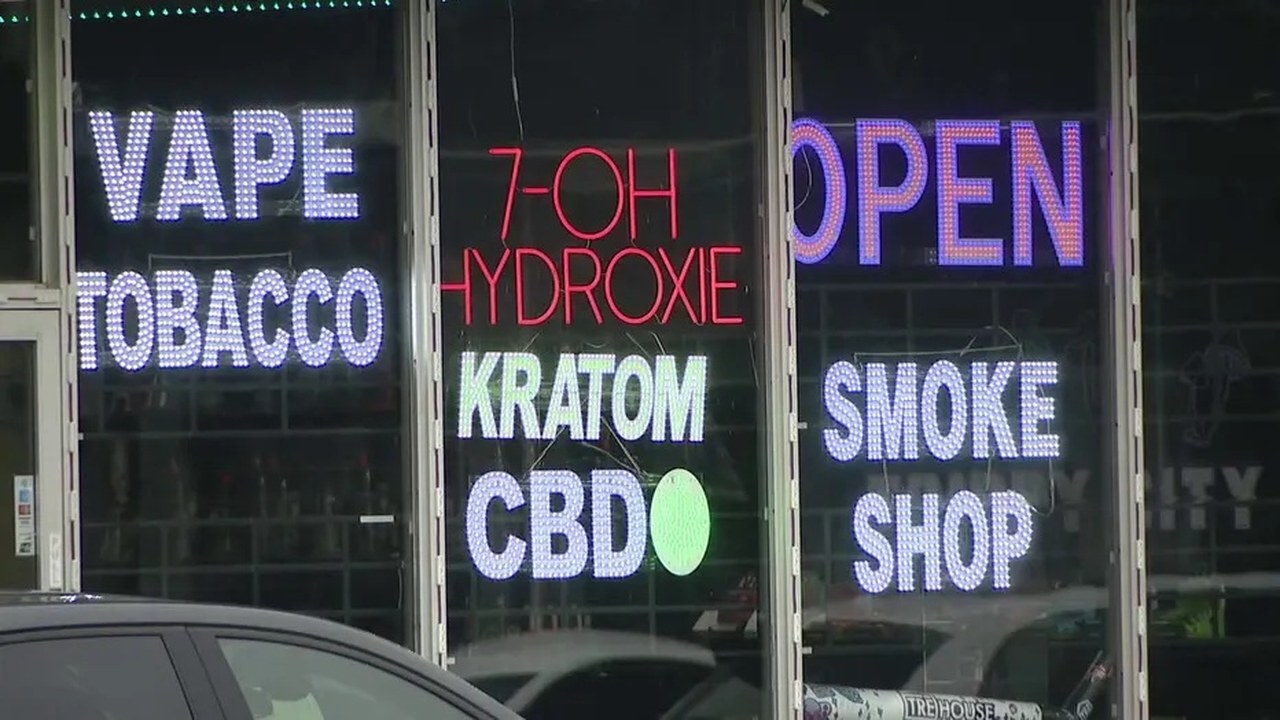
Hillsborough County commissioners advanced a proposal targeting concentrated 7-OH products, ahead of a public hearing scheduled for November 10.
Hillsborough County commissioners have moved forward with a proposal targeting 7-hydroxymitragynine, commonly called 7-OH, a potent compound found in some products marketed as kratom. The October 21, 2026 vote advanced the proposal; it did not enact a final county ban. According to FOX 13’s report, a public hearing is scheduled for November 10.
For a family trying to understand a death involving kratom or 7-OH, the news may raise questions that go well beyond what stores can sell. What was actually in the product? Did its packaging explain the risks? Could something sold as a supplement have contributed to their loved one’s death?
Those questions require an investigation. Our Florida kratom and 7-OH wrongful death page explains the evidence that can matter and the fatal cases Armando Personal Injury Law is currently reviewing.
What Is Hillsborough County Proposing?
FOX 13 reports that commissioners unanimously agreed to advance an ordinance focused on 7-OH and related synthetic products. As described in that report, the proposal would leave natural, herbal kratom outside the targeted restriction. Commissioners could consider changes as the measure moves forward.
That distinction matters. A proposal aimed at concentrated compounds should not be described as a countywide ban on every kratom product. The final wording, scope, and effective date will depend on what the county ultimately adopts.
Why Are Concentrated 7-OH Products a Concern?
7-OH occurs naturally in trace amounts in kratom leaves. Products containing added or enhanced levels of the compound present a different exposure from ordinary leaf material.
The FDA’s consumer warning about 7-OH describes these concentrated products as potent opioid products and advises consumers to avoid them. They may be sold as tablets, gummies, drink mixes, or shots. The agency says no 7-OH product is approved for medical use and reports harmful effects including addiction, seizures, and withdrawal.
A familiar package can make a product feel less concerning. A small bottle on a store shelf may look like an energy shot. A gummy may resemble something sold in a wellness aisle. Neither appearance tells a buyer whether the contents have been shown to be safe.
The distinction between concentrated 7-OH and natural kratom also should not be read as a safety endorsement of the plant. The FDA separately warns about serious adverse events associated with kratom.
What Does the Proposal Mean for Families After a Death?
A county vote cannot establish what caused an individual death. It also cannot determine whether a particular manufacturer or seller is legally responsible.
Florida’s wrongful death law provides a potential claim when a death results from a wrongful act, negligence, default, or breach of contract or warranty under circumstances that would have allowed the person to recover damages had they survived. That framework comes from Florida Statutes section 768.19. A newly enacted local ban is not a prerequisite stated in that law.
For a suspected fatal kratom or 7-OH exposure, an investigation should address questions such as:
- What product was used? Identify the brand, formulation, seller, and any lot or batch number.
- What did the buyer receive? Preserve the label and remaining contents so investigators can evaluate whether testing is appropriate.
- What did the company tell consumers? Save warnings, dosage instructions, advertisements, and claims about the product’s effects.
- What do the medical records show? Review emergency treatment, autopsy findings, toxicology results, and the sequence of events.
- What other factors need examination? Give the reviewing attorney complete information about medications, other substances, and relevant health conditions.
A death occurring after product use does not, by itself, prove the product caused it. The purpose of gathering these records is to allow a careful evaluation rather than asking a family to reach a medical conclusion on its own.
Who Brings a Florida Wrongful Death Lawsuit?
Under Florida Statutes section 768.20, the deceased person’s personal representative brings the wrongful death action for the benefit of the survivors and estate. It is not ordinarily a series of separate lawsuits filed by individual relatives.
Families do not need to have every estate document or toxicology result in hand before asking an attorney what the next steps should be. An initial conversation can help identify missing records and evidence that needs attention.
What Should You Save After a Suspected Kratom or 7-OH Death?
When someone dies unexpectedly, sorting through purchases and paperwork may be the last thing their family wants to do. Start with what is readily available:
- Photographs of the container, label, ingredients, warnings, and batch number.
- Receipts, online orders, shipping confirmations, and payment records.
- Screenshots of the seller’s product page and advertising.
- The store name and location, or the website where the purchase was made.
- Available medical records, the death certificate, and information about pending autopsy or toxicology reports.
- A written timeline of what family members or witnesses remember.
If product contents remain, ask the attorney or investigating agency how to preserve them safely and lawfully. Do not open, test, mail, or transport suspected restricted substances on your own.
Our guide to fatal kratom and 7-OH claims provides additional information about product evidence, medical records, and case review.
Watch Our Video
Talk With Armando Personal Injury Law About a Fatal Kratom or 7-OH Case
The Hillsborough County proposal may change local restrictions. For a grieving family, the immediate question is more personal: what happened, and is there a legal basis to hold someone responsible?
Armando Personal Injury Law is currently reviewing fatal kratom and 7-OH cases. The firm’s current intake does not include nonfatal overdose, withdrawal, illness, or other adverse reactions unless the exposure resulted in death.
If you believe a product contributed to your loved one’s death, learn about our kratom and 7-OH wrongful death case review. We can discuss what you know, what records may be needed, and the questions an investigation should address.

About the Author
Attorney Armando Edmiston is the founder of Armando Personal Injury Law in Tampa and St. Pete, Florida. A U.S. Marine veteran, Hillsborough County native, and ACS Forensic Lawyer-Scientist, he represents Floridians in serious personal injury and wrongful death cases.