Figuring Out Who’s at Fault Isn’t Always Straightforward
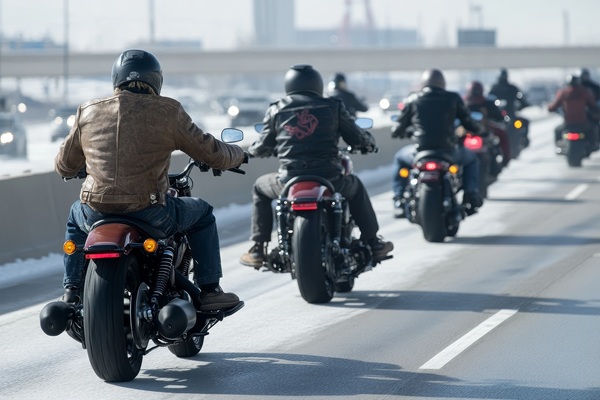
There’s nothing like the freedom of a group motorcycle ride in Florida. The sun’s out, the roads are open, and the roar of engines turns heads as riders coast together through beach towns, palm-lined highways, or rural backroads. Whether it’s a weekend ride with friends or a large club event, group rides are a cherished part of motorcycle culture.
But what happens when something goes wrong? One rider brakes too suddenly, someone drifts out of formation, or a car cuts through the group, and suddenly there’s a crash. In group rides, even a small mistake can ripple into a multi-bike collision. So who’s at fault? What are your options if you’re injured? Here’s what you need to know about determining liability in a group motorcycle crash in Florida.
Why are group rides more dangerous than riding alone?
Group rides come with built-in risks that solo riders don’t face. Riders often travel in close formation, and while that can look impressive and feel secure, it also leaves little room for error. If one rider in front of you brakes unexpectedly or swerves, you might not have time to react.
Less experienced riders might feel pressured to keep up, riding faster than they’re comfortable with or making risky moves to stay with the pack. Unlike cars, motorcycles rely on hand signals or brief gestures for communication, which can be easily missed or misinterpreted in a group.
Then there’s traffic. Drivers unfamiliar with group riding may cut across a formation, misjudge the group’s speed, or try to “beat” the bikes through an intersection.
What Florida laws apply to group motorcycle rides?
Florida law treats group motorcycle rides the same as any other vehicle on the road. Riders must follow all standard traffic laws, and being in a group doesn’t give anyone special privileges. Some key rules to remember:
- Florida law (§316.209) says no more than two motorcycles may ride side-by-side in one lane.
- Riders must obey all traffic signals, stop signs, and lane markings.
- “Staggered formation” riding, where riders alternate left and right within a lane, is widely recommended for safety, but not required by law.
- Stunting, weaving, or reckless riding can result in citations and may be used against a rider in determining fault after a crash.
- Simply put, every rider in the group is responsible for their own behavior on the road.
Who could be held liable in a group motorcycle crash?
Liability depends on how the crash occurred, and that can vary significantly in group rides. Here are some possibilities:
- Another rider in the group might be at fault if they were riding too fast, braking suddenly, swerving, or failing to maintain proper spacing.
- A car or truck driver could be held responsible if they cut through the group, fail to yield, or violate traffic laws.
- The group leader or organizer may share some liability in certain cases, especially if the ride was poorly planned, the route was unsafe, or no safety briefing was given.
- Multiple people may be at fault. These crashes often involve chain reactions, meaning several parties might each hold some share of the blame.
- In rare cases, mechanical failures or hazardous road conditions (such as unmarked construction zones or loose gravel) may contribute to the crash. Those could bring in additional liable parties, such as product manufacturers or city maintenance crews.
How is fault determined after a group crash?
Determining who caused a group motorcycle crash requires careful investigation. Police reports typically include witness statements, vehicle positions, and a narrative of what the officers believe happened. But that’s just the start.
Other useful evidence includes:
- Helmet cam or GoPro footage
- Photos and videos from the scene
- Eyewitness accounts from other riders or bystanders
- Skid marks, debris, or bike damage that show the impact pattern
- Medical reports detailing the nature of the injuries
What is Florida’s comparative fault rule?
Florida follows a modified comparative fault system. As of 2023, that means you can only recover compensation if you’re found to be less than 51% at fault for the accident. If you’re 51% or more responsible, you’re not eligible to recover damages. If you’re less than 51% at fault, your compensation will be reduced by your percentage of blame. So, if you’re awarded $100,000 but found 25% at fault, you’d walk away with $75,000.
This rule makes it all the more crucial to gather strong evidence and work with an experienced attorney who can help reduce your share of fault or eliminate it altogether. Why? Because insurance companies already have a bias against motorcyclists. At any chance, they'll claim you were reckless to shift the blame and reduce their financial obligation.
Can you sue another rider in the group?
If another rider caused the crash through negligence, you have the right to pursue a personal injury claim, just like you would if a car hit you. It might feel uncomfortable if you know the rider personally or belong to the same club. However, remember that you’re typically dealing with their insurance company, not suing them for personal assets. Motorcycle liability insurance or umbrella policies may provide the compensation you need to recover.
Talk To a Tampa Motorcycle Accident Lawyer About Your Rights
If you were injured in a motorcycle crash in Tampa, you may be facing serious medical bills, time away from work, and an insurance company that’s already looking to blame you. Armando Personal Injury Law knows how unfair the system can be for riders. That’s why Attorney Armando Edmiston stands with Tampa’s motorcycle community and is ready to fight for the full compensation you’re owed.
Whether you suffered broken bones, spinal injuries, or the loss of a loved one, we’re here to support you through every step. When you schedule a free consultation, we’ll review your case, explain your legal rights, and guide you through the next steps. There are no upfront costs, and we only get paid if we win your case. You focus on healing. We’ll handle the insurance companies and legal work.
Don’t let the insurance company paint you as reckless. Let us help you get your life back on track. Contact us today to schedule your free case consultation. We’re ready to listen, ready to fight, and ready to make sure you’re treated with the respect you deserve.
"Armando and his team were amazing. He really made it a much easier process for me and helped me with what steps to take. Without Armando, I would have been lost and suffering in pain for the rest of my life. I cannot recommend him enough. He really fought hard for me and made sure I got the help I needed." - Angellena E., ⭐⭐⭐⭐⭐