Signs of Nursing Home Abuse & Neglect in Florida
Recognizing red flags and protecting your loved one
Spotting abuse or neglect can be hard—especially when facilities downplay injuries or hide what’s happening behind closed doors. Early detection saves lives. Florida families who stay involved, ask questions, and document concerns play a vital role.
In Florida, warning signs are often minimized or explained away. Families who document early, ask for the incident report in writing, and push for outside medical evaluation are the first line of defense—while we move to preserve surveillance video and staffing logs before they’re lost.
At Armando Personal Injury Law, we help families identify warning signs, report abuse through the proper channels, and hold negligent facilities accountable statewide.
What To Do Right Now in Florida
- Get outside medical care and follow treatment.
- Document injuries, room conditions, and names/dates.
- Report in writing to facility administration and request the incident report.
- File a state report: Florida Abuse Hotline 1-800-962-2873 (1-800-96-ABUSE). Save the confirmation.
- Call a Florida nursing home abuse lawyer to preserve evidence and start an independent investigation.
For a complete technical breakdown of nursing home red flags, see our Florida Nursing Home Abuse & Neglect Red Flags Guide.
FAQs: Warning Signs & Next Steps
How can I tell if the facility is covering up abuse?
Vague answers, delayed treatment, chart inconsistencies, “lost” records, or staff discouraging outside doctors/family contact. A lawyer can subpoena records and expose discrepancies.
Can behavior changes alone prove abuse?
Not by themselves—but paired with medical and environmental clues, they’re powerful evidence. Keep detailed notes and share them with your loved one’s doctor and attorney.
When should I contact a lawyer?
Immediately. Early legal action helps preserve surveillance video, staffing logs, and medical records before they’re altered or destroyed.
Should I confront staff or administration before talking to a lawyer?
Document and report concerns in writing, but avoid detailed interviews without counsel. Early legal help lets us send preservation letters so video and logs aren’t overwritten and ensures requests go to the right corporate entity.
Standing Up for Florida Families
We believe every senior deserves safety and dignity—and every family deserves the truth. Whether the harm happened in Tampa, St. Pete, Orlando, Miami, or anywhere in Florida, Armando Personal Injury Law will investigate and fight to hold negligent facilities accountable.
Free consultation. We act fast to protect your loved one and preserve evidence.
“The team at Armando Personal Injury Law is hands down the most down-to-earth, hardworking, and genuinely hilarious group of professionals I’ve ever encountered — and don’t let the humor fool you, because when it comes to fighting for their clients, they are absolutely fierce. They make a stressful situation feel manageable, keep you informed every step of the way, and treat you like more than just a case number. I’ll recommend them to anyone I know who needs a personal injury attorney. These folks truly go above and beyond.” – D.H., ⭐⭐⭐⭐⭐ Actual client. Results may vary; each case is different.
About the Author
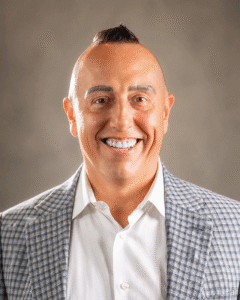
Attorney Armando Edmiston is the founding attorney of Armando Personal Injury Law in Tampa and St. Pete, Florida. A U.S. Marine veteran and Hillsborough County native, he represents injured people and families in serious injury cases, including car accidents, truck accidents, motorcycle accidents, wrongful death, negligent security, premises liability, and nursing home abuse and neglect claims. Armando earned a B.S. in Biology from the University of South Florida and a J.D., cum laude, from Nova Southeastern University. He is also one of only six lawyers in Florida listed with the ACS Forensic Lawyer-Scientist designation.