A serious three-vehicle crash in St. Petersburg highlights passenger rights, wrongful death claims, and insurance coverage issues after severe collisions.
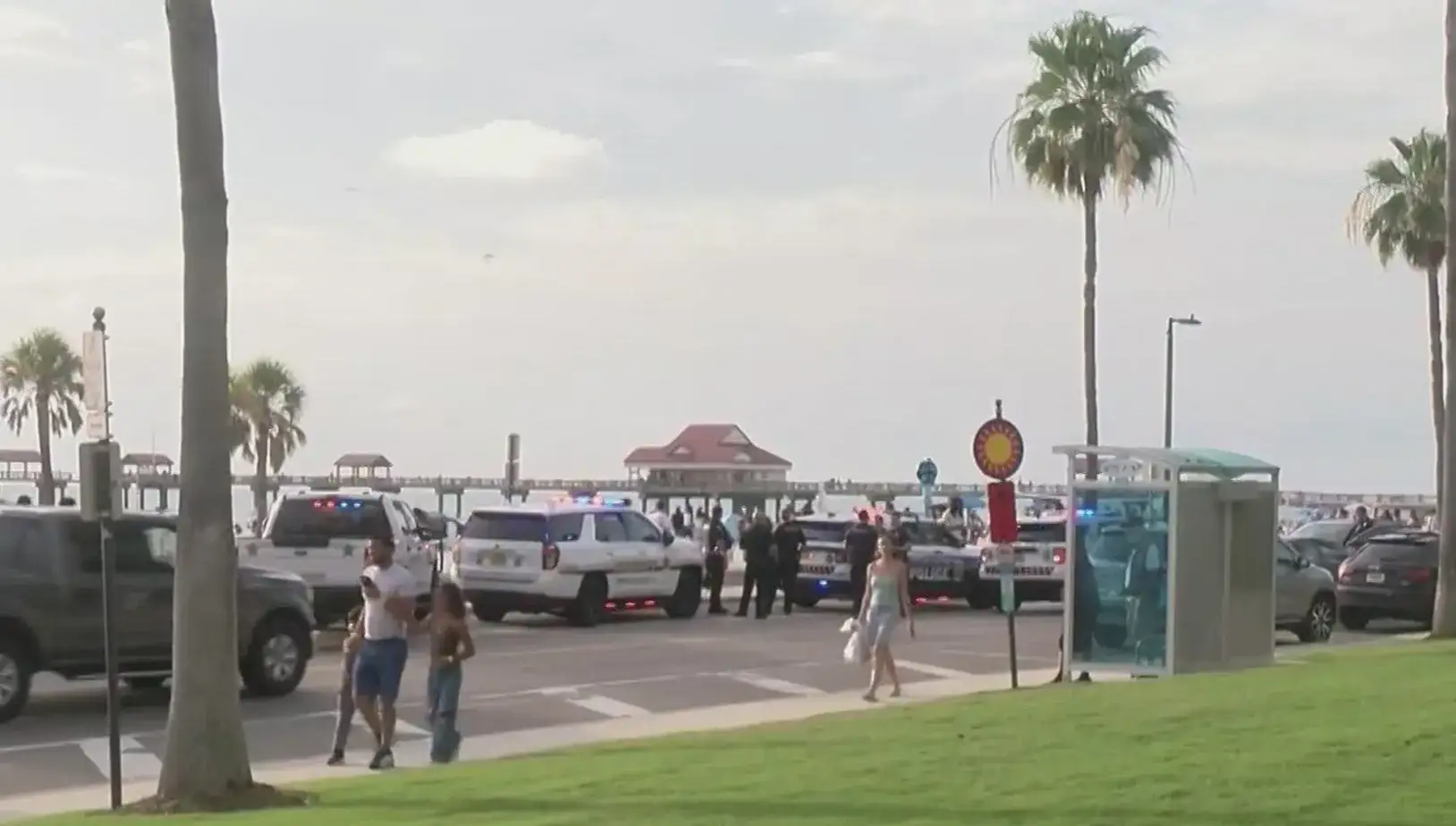
A serious three-vehicle crash in St. Petersburg left one passenger dead and two drivers critically injured, according to WFLA News Channel 8. Additional local reporting from Tampa Bay 28 and IONTB reported that the crash happened around 1:15 a.m. on Sunday, May 31, 2026, on 18th Avenue South near 29th Street South.
Reports state that a westbound Mercedes sedan crossed the median and struck an eastbound Nissan sedan head-on. Police identified the Nissan driver as 27-year-old Clifford Washington and the front-seat passenger as 26-year-old Dy'Jean Roberts. After the initial collision, an Oldsmobile traveling westbound reportedly struck the front of the Nissan. Roberts was taken to Orlando Health Bayfront Hospital St. Petersburg, where he later died from his injuries. The two drivers involved in the initial head-on collision were reportedly taken to Bayfront and later airlifted to Tampa General Hospital with life-threatening injuries. The investigation remains ongoing.
For families and injured victims, a crash like this creates painful questions almost immediately: Why did a vehicle cross the median? Was another driver able to avoid the secondary impact? What insurance coverage applies? Who has the legal right to bring a claim? Those questions matter because serious multi-vehicle collisions are rarely simple insurance claims. They are evidence cases from the beginning.
What Makes Head-On and Chain-Reaction Crashes So Dangerous?
Head-on crashes are among the most violent types of motor vehicle collisions. When two vehicles collide from opposite directions, the force of impact can cause catastrophic injuries even at speeds that may not seem extreme on paper. Victims may suffer traumatic brain injuries, spinal injuries, internal bleeding, fractures, organ damage, and fatal trauma.
A chain-reaction crash adds another layer of investigation. The first collision may explain how the crash started, but it does not automatically answer every legal question. Investigators may need to examine the conduct of each driver, the timing of the secondary impact, traffic flow, lighting, visibility, roadway design, and whether any driver had time and distance to react.
Evidence that may matter in a serious three-vehicle crash includes:
- Vehicle speeds and lane positioning before impact
- Skid marks, debris fields, and final resting positions
- Event data recorder information from the vehicles
- Cell phone records if distracted driving is suspected
- Toxicology information if impairment becomes an issue
- Dash camera footage, nearby surveillance video, and witness statements
- Lighting, roadway condition, signage, and median design
- The sequence and timing of each collision
Passengers Have Rights After a Florida Car Accident
Passengers are often the least responsible people in a crash, yet they may suffer some of the worst injuries. A passenger injured in a Florida car accident may have a claim against one or more at-fault drivers depending on what the investigation shows.
That may include a claim against the driver of the vehicle the passenger was riding in, another driver who caused or contributed to the crash, or multiple drivers if fault is shared. Armando Personal Injury Law explains broader crash rights on its Florida car accident lawyer page and its St. Petersburg car accident attorney page.
Florida Personal Injury Protection benefits may also be available after a motor vehicle crash. Florida Statutes § 627.736 addresses PIP benefits, including medical and disability benefits and the 14-day initial treatment requirement for medical benefits. But PIP benefits are usually not enough in a catastrophic injury or fatal crash case.
Wrongful Death Claims After a Fatal Passenger Crash
When a person dies because of another party’s negligence, Florida law may allow a wrongful death claim. Under Florida Statutes § 768.21, recoverable damages may include loss of support and services, loss of companionship and protection, mental pain and suffering for certain survivors, and medical or funeral expenses depending on the family relationship and facts of the case.
In a fatal passenger crash, the legal process may involve opening an estate, identifying eligible survivors, preserving crash evidence, obtaining the crash report, reviewing available insurance coverage, and investigating whether one or more drivers caused or contributed to the death.
Families can learn more about these claims through Armando Personal Injury Law’s St. Petersburg wrongful death attorney resource. For statewide car crash guidance, the firm’s Florida car accident lawyer page explains how serious injury claims may be built after a crash.
Florida generally gives families two years to file a wrongful death lawsuit. Negligence claims are also generally subject to a two-year deadline under Florida Statutes § 95.11. Because exceptions and case-specific issues can change how a deadline applies, families should not wait to ask legal questions after a fatal crash.
How Liability May Be Divided in a Three-Vehicle Collision
Florida uses a modified comparative fault system. Under Florida Statutes § 768.81, fault can be divided among multiple parties, and a claimant found to be more than 50 percent at fault for their own harm may be barred from recovery in many negligence cases.
That matters in a three-vehicle crash. One driver may be investigated for crossing a median. Another driver may be reviewed for whether they had enough time to avoid a secondary collision. Vehicle ownership, permissive use, insurance coverage, mechanical condition, roadway design, and witness accounts may also matter.
No one should assume the full legal picture from the first news report. Early reports are useful, but they are not the entire case file. Serious crashes often require a full investigation before liability and insurance coverage can be understood.
Why Insurance Coverage Matters After a Fatal Crash
Fatal and catastrophic injury crashes often exceed basic insurance coverage. Florida drivers may have limited bodily injury coverage or, in some cases, no bodily injury coverage at all. That can create serious problems for injured victims and grieving families when medical bills, funeral expenses, lost income, and long-term losses are far greater than the available policy limits.
A coverage investigation may include:
- Bodily injury liability coverage for each involved vehicle
- Personal Injury Protection benefits
- Uninsured motorist coverage
- Underinsured motorist coverage
- Umbrella or excess insurance policies
- Household resident policies that may apply
- Vehicle ownership and permissive-use issues
- Potential claims involving more than one policy
For passengers and families, uninsured or underinsured motorist coverage can be one of the most important protections available after a severe crash. Learn more about uninsured and underinsured motorist claims and how UM/UIM coverage may apply when the at-fault driver has no coverage or not enough coverage.
What Families Should Do After a Serious St. Petersburg Crash
After a deadly or life-threatening crash, families are often trying to manage hospital updates, funeral arrangements, insurance calls, police reports, and grief all at once. The insurance process does not pause just because a family is overwhelmed.
Important steps may include:
- Get medical updates and preserve hospital records
- Avoid recorded statements before understanding legal rights
- Save photos, videos, witness names, and insurance letters
- Request the crash report once it becomes available
- Confirm every possible insurance policy
- Do not sign a release without legal review
- Speak with a lawyer before accepting any early settlement offer
A release can permanently end a claim. Once it is signed, the family may lose the right to pursue additional compensation even if new facts or additional losses become clear later.
Talk to a St. Petersburg Car Accident and Wrongful Death Lawyer
A fatal passenger crash can leave families with difficult questions about responsibility, insurance coverage, medical bills, funeral expenses, and what happens next. Armando Personal Injury Law represents injured crash victims and grieving families across Tampa Bay, including St. Petersburg and Pinellas County. The firm’s St. Petersburg personal injury lawyer team can investigate the crash, deal with the insurance companies, and help protect the family’s legal rights.
If your loved one was killed or seriously injured in a St. Petersburg car accident, contact Armando Personal Injury Law for a free consultation. Call (813) 482-0355 or visit the firm’s contact page.
About the Author
Attorney Armando Edmiston is the founder of Armando Personal Injury Law in Tampa and St. Pete, Florida. A U.S. Marine veteran, Hillsborough County native, and ACS Forensic Lawyer-Scientist, he represents Floridians in serious personal injury and wrongful death cases.
FAQs
Can a passenger file a claim after a Florida car accident?
Yes. An injured passenger may be able to file a claim against one or more at-fault drivers depending on the facts of the crash. Passengers may also have access to PIP benefits, uninsured motorist coverage, or underinsured motorist coverage.
Who can bring a wrongful death claim after a fatal Florida car crash?
In Florida, a wrongful death claim is generally brought by the personal representative of the deceased person’s estate on behalf of eligible survivors and the estate. Eligible survivors and damages depend on the family relationship and the facts of the case.
How long does a family have to file a wrongful death lawsuit in Florida?
Florida generally allows two years to file a wrongful death lawsuit. Because deadlines can vary depending on the facts, families should speak with a lawyer as soon as possible after a fatal crash.
What if more than one driver caused the crash?
Florida law allows fault to be divided among multiple parties. In a three-vehicle crash, investigators may examine whether one or more drivers contributed to the collision or to the severity of the injuries.
Why is uninsured motorist coverage important after a serious crash?
Uninsured motorist and underinsured motorist coverage may help when the at-fault driver has no bodily injury coverage or not enough coverage to pay for the harm caused. In catastrophic injury and wrongful death cases, that coverage can become extremely important.
About the Author
Attorney Armando Edmiston is the founder of Armando Personal Injury Law in Tampa and St. Pete, Florida. A U.S. Marine veteran, Hillsborough County native, and ACS Forensic Lawyer-Scientist, he represents Floridians in serious personal injury and wrongful death cases.