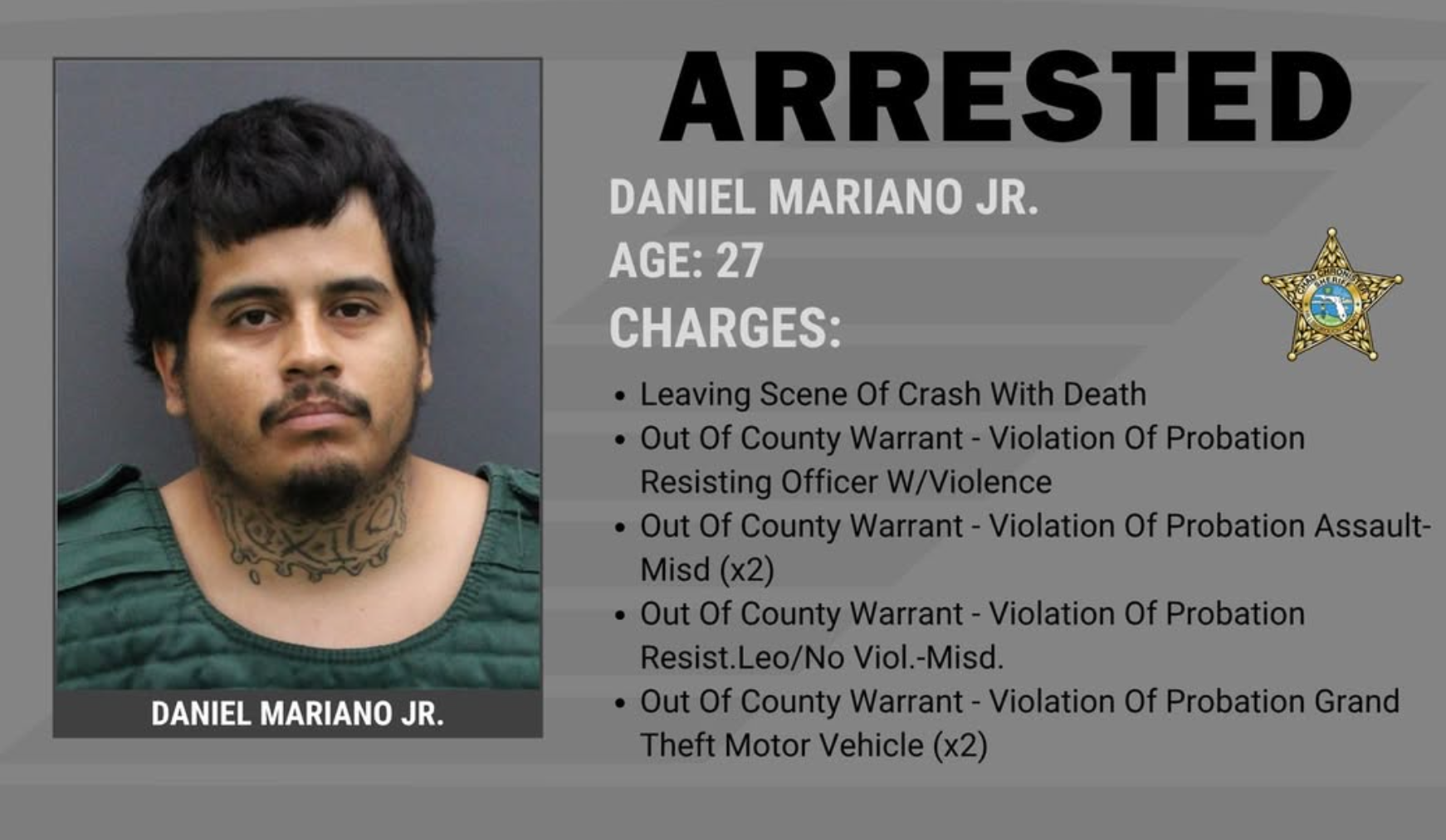
The driver was reportedly charged after a fatal Plant City crash that killed a 19-year-old pedestrian.
A 19-year-old Plant City resident died after being struck by a pickup truck near South County Road 39 and Tipton Road. The crash is now under criminal investigation, but families in fatal pedestrian crash cases also need to understand the separate civil claim, insurance issues, and evidence that may matter under Florida wrongful death law.
WFLA reported that a 19-year-old was killed in a tragic Plant City crash after authorities said a driver struck a pedestrian and then drove several miles before calling 911. The Hillsborough County Sheriff’s Office said deputies responded at 11:42 p.m. on May 24, 2026, near South County Road 39 and Tipton Road in Plant City.
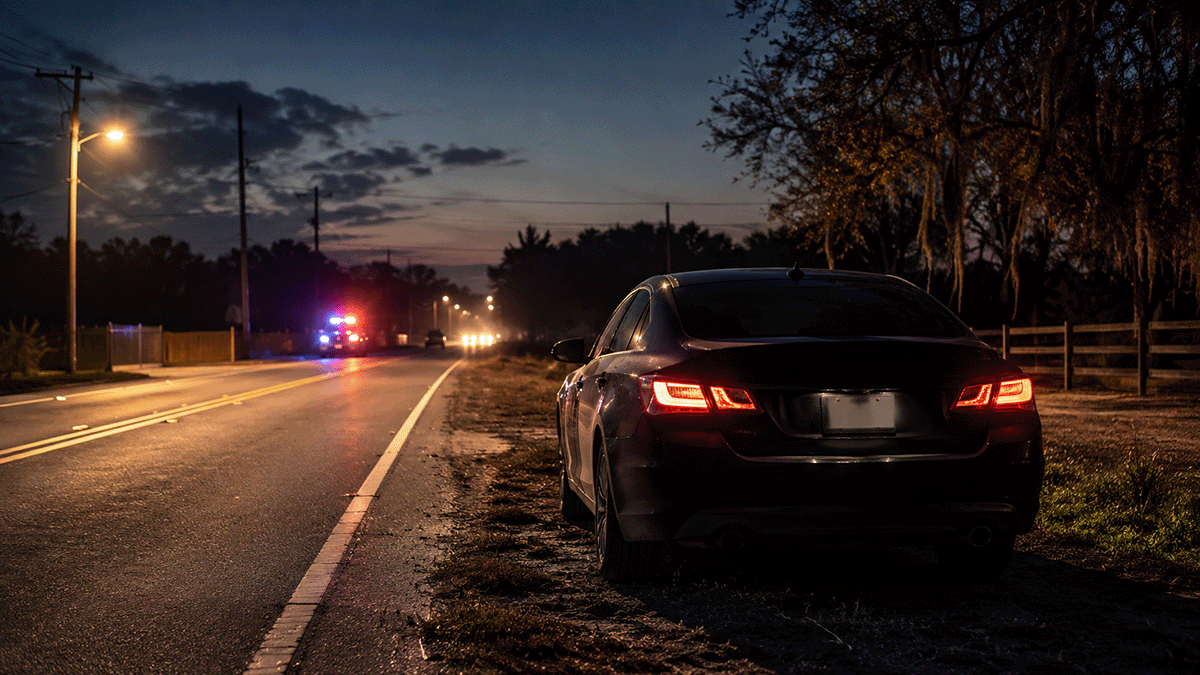
A fatal Plant City pedestrian crash highlights the importance of immediate emergency reporting, evidence preservation, and accountability after serious roadway incidents.
According to HCSO, two people were crossing the street when the driver, identified by deputies as Daniel Mariano Jr., 27, changed lanes into the northbound lane and struck one of the pedestrians. The victim, a 19-year-old Plant City resident, was transported to a local hospital and later died from his injuries.
Deputies said the driver did not stop immediately before calling 911. He was later located several miles from the crash scene. HCSO also reported signs of impairment and significant damage to the truck. Mariano was arrested on charges of leaving the scene of a crash involving death and violation of probation for resisting with violence. Additional charges may depend on the results of a blood test, according to the sheriff’s office.
The criminal case will now move through its own process. But for the victim’s family, the civil side of the case may raise a different set of questions: What happened in the minutes after impact? Could faster emergency reporting have changed the outcome? What insurance coverage applies? What evidence needs to be preserved before it disappears?
Quick Answer: Can a Family Bring a Wrongful Death Claim After a Fatal Plant City Pedestrian Crash?
Yes. If a pedestrian is killed because of a driver’s negligence, reckless conduct, impairment, or failure to follow Florida traffic laws, the family may have a wrongful death claim. A civil wrongful death claim is separate from a criminal prosecution. The civil case focuses on accountability, insurance coverage, evidence, causation, and the damages suffered by eligible survivors and the estate.
What Makes This Plant City Crash Legally Significant?
Every fatal crash deserves a careful investigation. This one raises several issues that can matter in both the criminal investigation and the civil claim:
- A pedestrian was struck while crossing the street.
- The crash happened late at night near a rural Plant City intersection.
- Deputies reported that the driver changed lanes before impact.
- The driver allegedly did not stop immediately.
- 911 was not called until after the driver had left the immediate crash location, according to HCSO.
- Deputies reported suspected impairment and significant vehicle damage.
- The victim later died from his injuries.
Those facts matter because civil liability is not limited to the moment of impact. A full investigation may also examine what happened before the crash, how the driver reacted after impact, whether emergency aid was delayed, and whether any available evidence can prove impairment, distraction, speed, lane movement, lighting, visibility, or failure to render reasonable assistance.
Florida Law Requires Drivers to Stop and Help After a Serious Crash
Under Florida Statute section 316.027, a driver involved in a crash that causes death or serious bodily injury must stop at the scene, or as close as possible, and remain there until statutory duties are fulfilled. Those duties connect with Florida Statute section 316.062, which addresses providing information and rendering reasonable assistance.
The Florida Department of Highway Safety and Motor Vehicles puts it plainly: if a driver is involved in a crash, the driver should stay at the scene and call for help. That is not just a traffic technicality. In a pedestrian crash, minutes can matter.
When someone is hit by a vehicle, the driver’s immediate actions may affect medical care, witness identification, evidence collection, and the ability of law enforcement to reconstruct what happened. Leaving the area first and calling later can create major questions about timing, impairment, panic, consciousness of responsibility, and whether the victim received help as quickly as possible.
The Criminal Case Is Not the Same as a Civil Wrongful Death Claim
Families sometimes assume that if a driver is arrested, the criminal case will take care of everything. It will not. Criminal charges are handled by prosecutors. The goal is punishment under criminal law. A civil wrongful death claim has a different purpose: to pursue financial accountability for the surviving family members and the estate.
Florida’s Wrongful Death Act allows a claim when a death is caused by another party’s wrongful act, negligence, default, or breach of contract or warranty. The right of action is set out in Florida Statute section 768.19, and damages are addressed in Florida Statute section 768.21.
Families can also review Armando Personal Injury Law’s guide on how wrongful death lawsuits work in Florida for a broader explanation of who may bring a claim, what damages may be available, and how the process works.
A civil claim does not require a criminal conviction. It can move forward based on negligence and civil evidence. That matters because criminal cases can take months or years, while civil evidence can begin disappearing almost immediately.
Evidence That Should Be Preserved After a Fatal Pedestrian Crash
A fatal pedestrian crash investigation should not rely on one document or one version of events. The strongest cases are built from overlapping evidence. In a case like this, the family’s legal team may need to move quickly to preserve:
- The final crash report and all supplemental law-enforcement records
- 911 call logs, CAD records, dispatch notes, and response timelines
- Witness statements from the second pedestrian, nearby drivers, residents, or first responders
- Scene photographs and measurements from South County Road 39 and Tipton Road
- Vehicle damage photographs, inspection records, and repair documentation
- Event data recorder information, if available from the truck
- Driver phone records and app activity, if distraction becomes an issue
- Toxicology records, field observations, and blood-test results
- Nearby surveillance, dashcam, doorbell, farm, business, or traffic camera footage
- Lighting, lane configuration, signage, visibility, and roadway-design evidence
- Medical records and records showing the timing and nature of the victim’s final injuries
For pedestrian cases generally, Armando Personal Injury Law explains how evidence can affect fault in a Florida pedestrian accident, including driver behavior, roadway conditions, witness accounts, and insurance-company blame-shifting.
Suspected Impairment Can Change the Civil Case Strategy
NHTSA reports that alcohol-impaired driving remains a major cause of preventable traffic deaths in the United States. When impairment is suspected in a fatal crash, the civil investigation should look beyond the charge itself and examine where the driver came from, what substances may have been involved, when impairment began, and whether anyone else may share responsibility.
Possible civil-liability questions may include:
- Was the driver impaired by alcohol, drugs, or a combination of substances?
- Was the driver speeding, distracted, or drifting between lanes?
- Did the driver know or reasonably should have known that a pedestrian was struck?
- Was the truck personally owned, borrowed, or used for work?
- Was there enough insurance coverage to address the full wrongful death claim?
- Does uninsured or underinsured motorist coverage apply if the driver’s coverage is limited?
Armando Personal Injury Law’s article on rights after being hit by a drunk driver in Florida explains why impaired-driving cases often require fast evidence preservation and careful insurance analysis.
Insurance Issues After a Fatal Pedestrian Crash in Florida
Insurance coverage can become complicated after a fatal pedestrian crash. Families may need to identify several possible sources of recovery, including the driver’s bodily injury liability coverage, vehicle-owner coverage, umbrella coverage, and possibly uninsured or underinsured motorist coverage through the victim’s household policy, depending on the facts and policy language.
Florida’s no-fault system can also raise PIP questions. Florida Statute section 627.736 addresses required personal injury protection benefits. In pedestrian crash cases, available PIP benefits may depend on the victim’s household, vehicle ownership, resident-relative coverage, and other priority rules. This is exactly why families should not rely on an insurance adjuster’s first explanation of coverage as if it were carved into stone tablets.
For broader insurance guidance, the firm’s resources on PIP claims after a car accident and uninsured and underinsured motorist coverage may help families understand why multiple policies should be reviewed after a serious or fatal crash.
What Damages May Be Available in a Florida Wrongful Death Claim?
No civil case can undo the loss of a 19-year-old’s life. A wrongful death claim is not about pretending money fixes grief. It is about accountability and the financial and human impact of a preventable death.
Under Florida Statute section 768.21, recoverable damages may depend on the family structure and the relationship between the decedent and the survivors. Potential damages may include:
- Medical expenses related to the final injury
- Funeral and burial expenses
- Loss of support and services
- Loss of companionship and protection for eligible survivors
- Mental pain and suffering for eligible survivors
- Estate-related damages where available under Florida law
Wrongful death damages are highly fact-specific. The age of the victim, family relationships, future earning capacity, medical timeline, available insurance, and strength of liability evidence can all influence the claim.
How Long Does the Family Have to Act?
Florida wrongful death claims are generally subject to a two-year limitation period under Florida Statute section 95.11. But waiting until the deadline approaches is a bad strategy. Video can be erased in days. Vehicle data can be overwritten or lost. Witnesses move, forget details, or become hard to find.
The criminal investigation may continue, and additional charges may be pending, but the civil side should be reviewed early. Families do not need every answer before speaking with a lawyer. They need a process for protecting the answers that still exist.
What Families Should Do After a Fatal Pedestrian Crash in Plant City
After a sudden death, the family should not have to become investigators overnight. Still, a few steps can help protect the civil claim:
- Request the crash report number and investigating agency information.
- Preserve every communication from insurance companies, law enforcement, hospitals, and funeral providers.
- Identify potential witnesses, nearby cameras, and anyone who arrived shortly after the crash.
- Avoid giving recorded statements to any insurance company before getting legal advice.
- Do not sign releases, accept quick payments, or assume the available coverage has been fully identified.
- Speak with a lawyer early enough to preserve physical evidence, video, vehicle data, toxicology records, and 911 timeline evidence.
Talk to a Plant City Pedestrian Accident and Wrongful Death Lawyer
Armando Personal Injury Law represents injured people and grieving families throughout Hillsborough County, including Plant City. If your loved one was killed in a pedestrian crash, hit-and-run, or suspected impaired-driving collision, our team can investigate what happened, preserve evidence, identify insurance coverage, and explain your family’s rights under Florida law.
Learn more about our Plant City personal injury lawyer, Plant City car accident lawyer, and Florida pedestrian accident lawyer resources. For help after a fatal crash, call Armando Personal Injury Law at (813) 482-0355 or contact us online for a free consultation.
About the Author
Attorney Armando Edmiston is the founder of Armando Personal Injury Law in Tampa and St. Pete, Florida. A U.S. Marine veteran, Hillsborough County native, and ACS Forensic Lawyer-Scientist, he represents Floridians in serious personal injury and wrongful death cases.
Frequently Asked Questions
Can a family file a wrongful death claim after a fatal pedestrian crash in Plant City?
Yes, a Florida wrongful death claim may be available if the evidence shows the pedestrian’s death was caused by another person’s negligence, wrongful act, default, or breach of duty. The civil claim is separate from any criminal charges and is generally brought by the personal representative of the estate for the benefit of eligible survivors.
Does a criminal charge for leaving the scene automatically prove a civil wrongful death case?
No. A criminal charge is not the same as a civil finding of liability. The criminal case focuses on punishment and requires a higher burden of proof, while the civil case focuses on negligence, causation, damages, insurance coverage, and accountability for the surviving family and estate.
Why does it matter if a driver waits to call 911 after hitting a pedestrian?
A delayed 911 call can matter because emergency response time may affect survival, medical treatment, crash reconstruction, witness identification, and evidence preservation. In Florida, drivers involved in crashes with injury or death have legal duties to stop, remain at the scene, provide information, and render reasonable assistance.
What evidence matters after a fatal pedestrian hit-and-run crash?
Important evidence may include the crash report, 911 records, witness statements, roadway lighting, vehicle damage, dashcam or surveillance video, toxicology results, phone records, event data recorder information, scene photographs, medical records, and the timing of when the driver stopped or contacted law enforcement.
What compensation may be available after a fatal pedestrian crash in Florida?
Depending on the facts and family structure, compensation in a Florida wrongful death claim may include funeral expenses, medical expenses related to the final injury, loss of support and services, loss of companionship and protection, and mental pain and suffering for eligible survivors. Available insurance coverage can strongly affect recovery.
How long does a family have to file a wrongful death lawsuit in Florida?
Florida wrongful death claims are generally subject to a two-year limitation period, but families should not wait. Video footage, physical evidence, vehicle data, toxicology records, and witness memories can disappear much sooner than the lawsuit deadline.