FHP says a Gainesville woman died after her Acura struck stopped traffic and a tractor-trailer on I-75 in Pasco County. The crash highlights the dangers of highway backups and the evidence questions that can follow fatal commercial vehicle crashes.
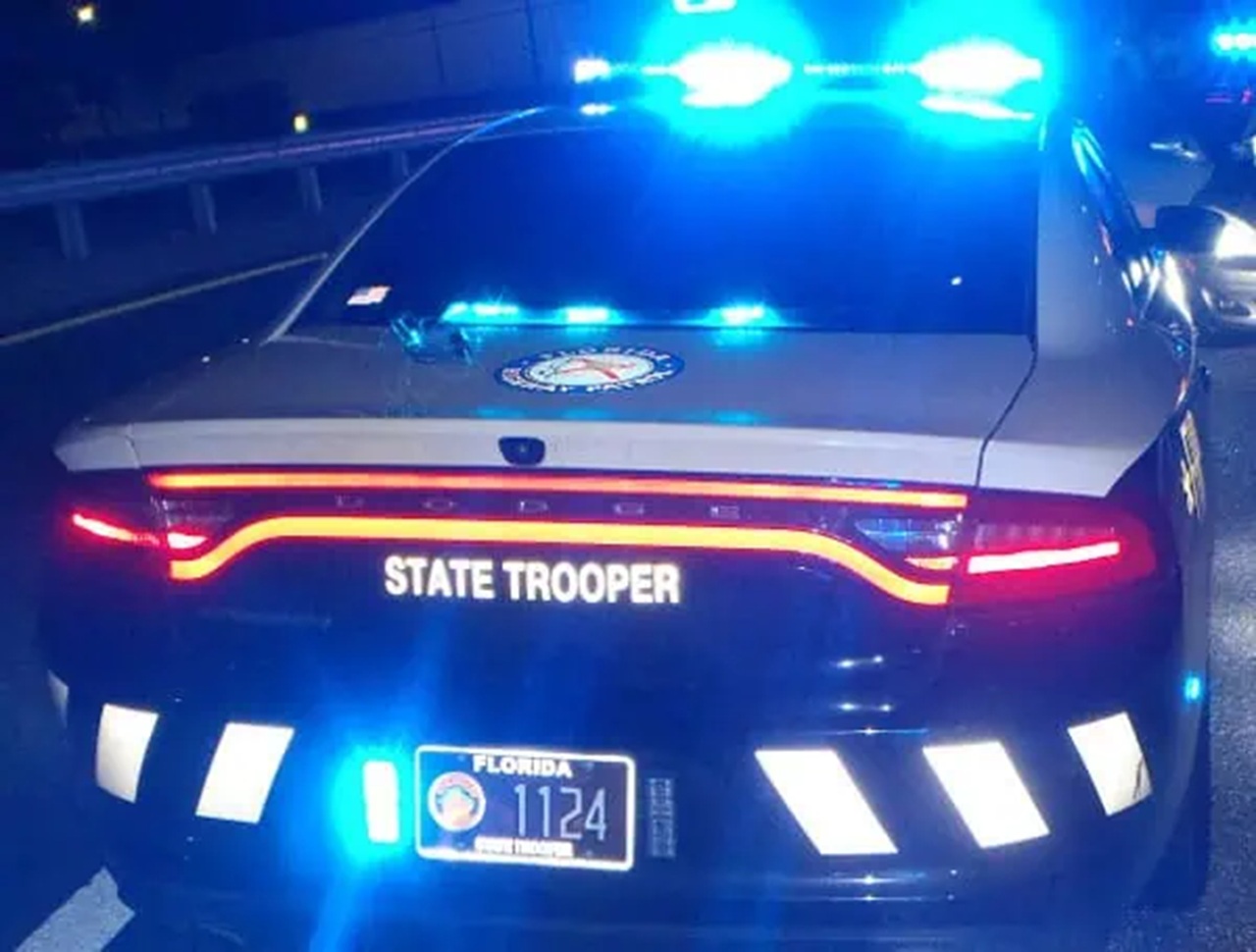
A Gainesville woman died Friday morning after a fatal crash involving stopped traffic and a tractor-trailer on Interstate 75 in Pasco County, according to the Florida Highway Patrol.
Tampa Free Press reported that all southbound lanes of I-75 were shut down after the fatal crash, with traffic diverted while troopers investigated.
Additional reporting from Tampa Bay 28 said the crash happened around 2:40 a.m. near mile marker 279. FHP said traffic had stopped because of an unrelated crash. A Toyota Camry driven by a 34-year-old Tampa man was stopped in the center lane, and a tractor-trailer driven by a 27-year-old Kentucky man was stopped in the outside lane.
According to FHP, a 55-year-old Gainesville woman driving an Acura sedan failed to stop for traffic ahead. The Acura struck the rear of the Toyota Camry, then continued forward and hit the rear of the tractor-trailer.
The Acura driver suffered fatal injuries at the scene. FHP said the Camry driver and tractor-trailer driver were not injured.
Highway Backups Can Become Deadly Quickly
Crashes on major highways like I-75 can create dangerous conditions long after the first collision. When traffic suddenly slows or stops, drivers approaching the backup may have only seconds to react.
That risk can be even greater in early morning hours, low-light conditions, heavy traffic, construction zones, or areas near exits where vehicles may slow unexpectedly.
In this case, FHP said traffic was already stopped because of an earlier, unrelated crash. That detail matters because secondary crashes can be especially dangerous when drivers encounter stopped traffic without enough time or distance to brake.
Florida drivers are required to operate their vehicles carefully based on traffic, road conditions, and surrounding circumstances. Under Florida Statute § 316.1925, careless driving involves failing to drive in a careful and prudent manner so as not to endanger life, limb, or property.
Why Tractor-Trailer Crashes Require Careful Review
This crash involved a tractor-trailer, but current reporting does not say the truck driver caused the crash. That distinction matters.
Not every crash involving a commercial truck is the fault of the truck driver or trucking company. Sometimes a tractor-trailer is stopped in traffic, slowed by congestion, or simply part of a larger crash scene.
Still, when a tractor-trailer is involved in a fatal crash, the investigation should be thorough. Commercial truck cases can involve evidence that does not exist in a typical passenger vehicle crash, including:
- Driver qualification records
- Truck ownership and insurance information
- Electronic logging device data
- GPS or telematics records
- Dash camera footage
- Maintenance and inspection records
- Dispatch or route information
- Post-crash inspection reports
- Company safety policies
Those records can help answer important questions about vehicle condition, visibility, stopping distance, traffic flow, and whether all vehicles involved were safely operated.
For families dealing with a serious crash involving a tractor-trailer, work truck, delivery vehicle, or company-owned vehicle, our Florida truck accident lawyer page explains how commercial vehicle crashes are investigated and why early evidence preservation matters.
Rear-End Crashes Involving Large Trucks Can Be Severe
A rear-end crash involving a tractor-trailer can be devastating because of the size, height, and weight difference between a commercial truck and a passenger vehicle.
Even when a tractor-trailer is stopped, a passenger car that strikes the rear of the trailer can suffer catastrophic damage. Investigators may need to review whether the truck was lawfully stopped, whether its lights and reflectors were working, whether traffic conditions required emergency signals, and whether roadway or visibility conditions contributed.
The Federal Motor Carrier Safety Administration warns that large trucks and buses need more room to stop and that passenger vehicle drivers should stay alert and give commercial vehicles extra space.
None of this means the truck driver or trucking company did anything wrong. It means the facts need to be preserved and reviewed before anyone assumes the crash is simple.
Fatal I-75 Crashes Can Involve Complicated Insurance Questions
Fatal multi-vehicle crashes often involve more than one insurance company and more than one version of what happened.
One insurer may focus on the driver who caused the first impact. Another may point to the earlier crash that caused the backup. A commercial insurer may become involved if a tractor-trailer, work vehicle, or company-owned vehicle was part of the collision.
Families may also need to understand whether personal injury protection, bodily injury coverage, uninsured or underinsured motorist coverage, or commercial policy limits apply.
Our Florida car accident lawyer page explains common issues after serious crashes, including fault disputes, insurance coverage, medical documentation, and evidence preservation.
Wrongful Death Questions After a Fatal Florida Crash
A fatal crash investigation is separate from a civil wrongful death claim.
Under Florida Statute § 768.19, a wrongful death action may be available when a death is caused by a wrongful act, negligence, default, or breach of contract or warranty. Florida Statute § 768.21 addresses damages that may be recoverable by survivors and the estate.
In a fatal highway crash, a civil investigation may review:
- The crash report
- FHP findings
- Vehicle damage
- Event data recorder information
- Photos and video
- 911 calls
- Witness statements
- Medical examiner records
- Roadway conditions
- Earlier crash or traffic backup information
- Insurance policies
- Commercial vehicle records, if applicable
For families facing the aftermath of a fatal collision, our Florida wrongful death lawyer page explains how these claims are reviewed and what evidence may matter.
Evidence Can Disappear Quickly After a Commercial Vehicle Crash
The days after a serious or fatal crash can be important. Vehicles may be moved, inspected, repaired, or destroyed. Electronic data may be overwritten. Dash camera footage may be deleted. Dispatch records, GPS data, and company communications may become harder to obtain.
That is especially important when a tractor-trailer, company-owned vehicle, or work vehicle is involved.
Evidence may include:
- Truck inspection records
- Maintenance logs
- Driver records
- Company safety policies
- Dash camera footage
- Electronic logging device data
- GPS records
- Cell phone records
- Commercial insurance information
- Post-crash vehicle inspections
- Photos of the scene and vehicle damage
- Witness statements
Our page on investigating trucking companies after a crash explains why commercial vehicle evidence should be preserved early.
The Main Takeaway From the Pasco County I-75 Crash
This fatal crash appears to have happened after traffic stopped for an earlier collision on I-75. FHP said the Acura struck a stopped Toyota Camry, then hit a tractor-trailer. The Gainesville driver died at the scene.
The loss of life is the central fact. The legal questions come after.
What caused the traffic backup? Was there enough time and distance to stop? Were all vehicles visible and properly positioned? Did lighting, speed, fatigue, distraction, roadway conditions, or the earlier crash contribute? What insurance coverage applies? Was commercial vehicle evidence preserved?
Those questions matter because fatal crashes are rarely simple for the families left behind.
Armando Personal Injury Law represents people and families after serious car accidents, fatal crashes, and commercial truck accidents across Florida. To learn more about evidence issues after a semi-truck or company vehicle crash, visit our Florida truck accident lawyer page or our truck accident FAQ.

About the Author
Attorney Armando Edmiston is the founder of Armando Personal Injury Law in Tampa and St. Pete, Florida. A U.S. Marine veteran, Hillsborough County native, and ACS Forensic Lawyer-Scientist, he represents Floridians in serious personal injury and wrongful death cases.