A Child Bike Ride Turned Into a Life-Threatening Emergency
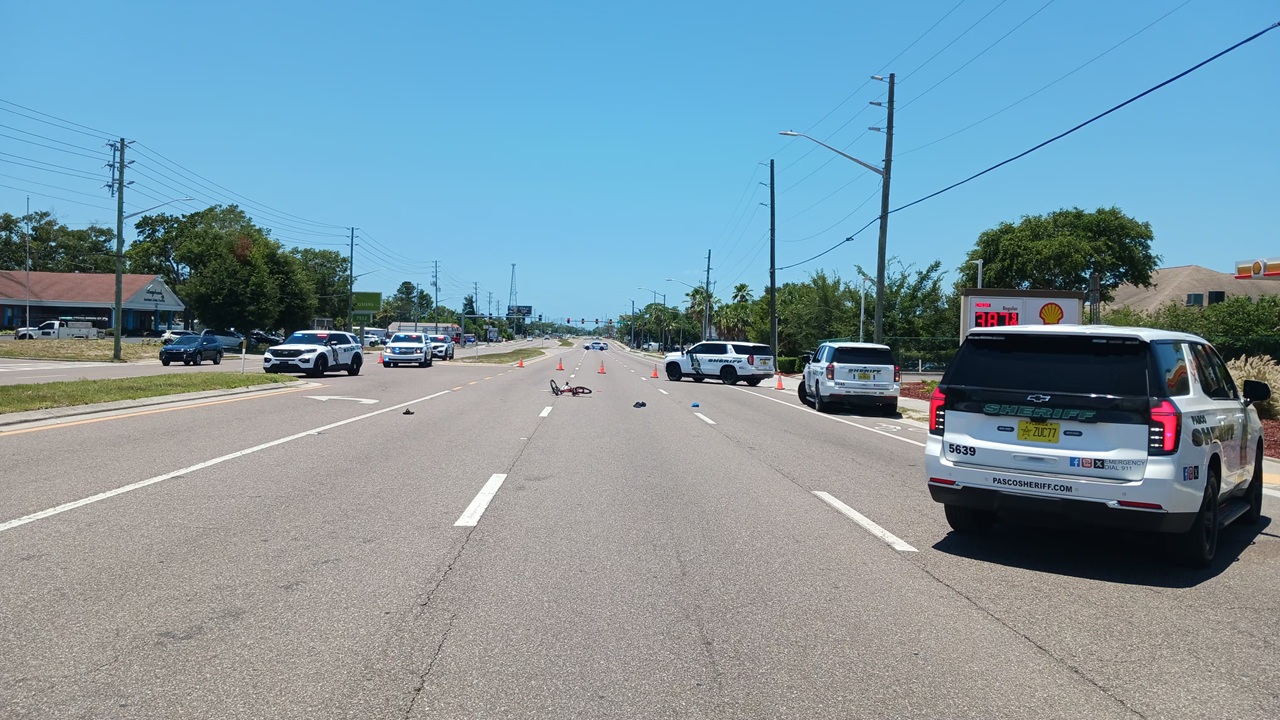
A 10-year-old Pasco County boy remains hospitalized after a devastating bicycle crash in Hudson, according to Tampa Bay 28. The crash happened on June 12 on State Road 52 near Victory Road in Hudson. Florida Highway Patrol said the child was riding a bicycle and attempted to cross the highway when he was struck by one vehicle, thrown into the path of a pickup truck, and struck a second time.
The child was airlifted to St. Joseph's Children's Hospital in Tampa with critical injuries. His mother told Tampa Bay 28 that doctors were concerned about his brain injuries, in addition to broken bones.
There is no easy way to talk about a crash like this. A child going for a bike ride near home should not become a life-changing emergency. But when a child, pedestrian, or bicyclist is hit by a vehicle, families are suddenly forced into a world of trauma care, insurance questions, crash reports, investigation details, and legal deadlines. Because apparently surviving the crash itself is not enough; the system then hands families a paperwork maze with traps.
Armando Personal Injury Law helps injured pedestrians, bicyclists, and families across Florida after serious crashes. In cases involving children, the most important questions are not just what happened, but what evidence can prove it, what insurance coverage may apply, and what the child may need for long-term recovery.
Why This Crash Matters for Both Pedestrian and Bicycle Accident Claims
This case involves a child riding a bicycle, but the legal and safety issues overlap closely with pedestrian accident claims. Children on bikes and children walking near roads are vulnerable road users. They do not have airbags, seat belts, or a vehicle frame to absorb the force of a crash. When a vehicle hits them, the injuries can be catastrophic.
The same roadway dangers often appear in both Florida pedestrian accidents and Florida bicycle accidents: speeding, distracted driving, limited visibility, unsafe crossing conditions, poor roadway design, and drivers who fail to keep a proper lookout.
The National Highway Traffic Safety Administration notes that when a crash happens between a vehicle and a bicycle, the bicyclist is the person most likely to be injured. NHTSA also reminds drivers to yield to bicyclists, search carefully at intersections, obey speed limits, and give cyclists room. Those are not decorative suggestions. They are the difference between a normal day and a family being called to a pediatric intensive care unit.
Child Bicycle and Pedestrian Crashes Require a Deeper Investigation
A serious crash involving a child should never be evaluated from the crash report alone. The report is important, but it is only the starting point. Families should understand that insurance companies may try to simplify the case by focusing on whether the child entered the roadway, whether there was a crosswalk, or whether the driver claims there was no time to react. Convenient, tidy, and often wildly incomplete.
A real investigation should look at every detail that may explain why the crash happened and whether it could have been avoided. That includes:
- Vehicle speed before impact
- Driver distraction or inattention
- Driver impairment, fatigue, or unsafe behavior
- Roadway lighting and visibility
- Sight lines for both drivers and the child
- Traffic signals, warning signs, and lane markings
- Whether nearby businesses or homes captured surveillance video
- Witness statements and 911 call details
- Vehicle damage and impact points
- Event data or dashcam footage if available
- The child's injuries, prognosis, and future care needs
When two vehicles are involved, the investigation becomes even more important. Each driver's actions must be reviewed separately. One driver may bear more responsibility than the other. Both may share fault. Or additional factors, like road design or poor lighting, may need to be considered. Families should not accept a quick explanation from an insurance company before the evidence is preserved.
What If the Child Was Crossing the Road?
In pedestrian and bicycle cases, insurance companies often focus on where the child was crossing and whether the child had the right of way. Those facts matter, but they do not automatically answer the legal question. Florida law recognizes duties for pedestrians under Florida Statute 316.130 and duties for bicyclists under Florida Statute 316.2065. But drivers also have duties. They must use reasonable care, pay attention, obey speed limits, and be prepared for hazards that should be visible.
A driver may still be negligent if they were speeding, texting, distracted, impaired, driving too fast for conditions, failing to scan the roadway, or failing to react when a reasonable driver should have seen a child. That is especially important in areas near neighborhoods, convenience stores, intersections, and roads where children may walk or ride bikes.
Children also do not judge speed, distance, and danger the same way adults do. That does not mean fault is automatic. It means the facts must be analyzed carefully and fairly. Families dealing with this type of claim should review our guidance on determining fault in a Florida bike accident and determining fault in a Florida pedestrian accident to understand why evidence matters so much.
Evidence Can Disappear Quickly After a Hudson Bicycle Crash
The article reported that the child and his older brother had stopped at a nearby Circle K before the crash. In any serious bicycle or pedestrian crash, nearby businesses may have surveillance footage that helps show the roadway, traffic patterns, vehicle movement, or the child's path before impact.
That kind of footage can disappear quickly. Many businesses overwrite video within days. Vehicles get repaired. Witnesses become harder to locate. Scene conditions change. Skid marks, debris, and impact evidence can vanish almost immediately. The legal system, in its infinite efficiency, often waits until evidence is gone and then asks everyone to prove what happened.
Important evidence may include:
- Surveillance video from gas stations, stores, homes, or traffic cameras
- Dashcam footage from involved or nearby vehicles
- Crash scene photographs
- Bicycle damage and helmet condition
- Vehicle damage and repair records
- Witness names and contact information
- 911 calls and law enforcement body camera footage
- Medical records, imaging, and specialist reports
- Roadway lighting, signage, and signal timing information
Families can learn more about documentation issues on our Florida bike accident report page, which explains why crash reports and supporting evidence are so important after a bicycle crash.
Multiple Vehicles May Mean Multiple Insurance Claims
When a bicyclist or pedestrian is struck by more than one vehicle, there may be more than one insurance policy involved. That can include the liability policies for each driver, household coverage, uninsured or underinsured motorist coverage, and other available insurance depending on the facts.
Florida's personal injury protection law, Florida Statute 627.736, may also matter in some pedestrian or bicycle crash claims involving motor vehicles. PIP coverage issues can become complicated when the injured person is a child, when household policies may exist, or when multiple vehicles are involved. It is exactly the kind of thing that looks simple until the adjusters start speaking in policy exclusions.
In severe injury cases, coverage matters because medical bills can grow fast. A child with brain injuries, broken bones, intensive care, surgeries, neurological follow-up, therapy, and possible long-term care may face losses far beyond basic insurance limits. Our page on bicycle accident insurance claims explains why families should not rely on the at-fault driver's insurance company to define what compensation is available.
Brain Injuries in Children Must Be Taken Seriously
Tampa Bay 28 reported that doctors were concerned about the child's brain injuries. Brain injuries in children are especially serious because a child's brain is still developing. Symptoms and long-term effects may not be fully known right away. A child may need neurological care, therapy, educational support, behavioral support, and future medical evaluations.
Potential damages in a severe child bicycle or pedestrian crash may include:
- Emergency medical treatment and air transport
- Hospital and intensive care treatment
- Surgeries and specialist care
- Physical, occupational, and speech therapy
- Neurological treatment and follow-up imaging
- Future medical care and life-care planning
- Mobility equipment or home modifications
- Pain, suffering, and loss of normal childhood activities where legally recoverable
- Parent wage loss or caregiving burdens in some circumstances
This is why families should be cautious about quick settlement offers. A fast offer may sound helpful while bills are arriving, but it may not account for future treatment, long-term disability, developmental delays, or the real impact of the injury on the child's life. Insurance companies know families are scared and exhausted. They do not need applause for noticing vulnerability.
Florida Comparative Fault Can Affect Bicycle and Pedestrian Claims
Florida follows a modified comparative fault system under Florida Statute 768.81. In many negligence cases, an injured person found more than 50 percent at fault may be barred from recovery. If the injured person is 50 percent or less at fault, the recovery may be reduced by the percentage of fault assigned.
That is why the investigation matters. Insurance companies may try to place blame on the child or the family. They may argue the child crossed outside a crosswalk, rode into traffic, or failed to see the vehicles. Those claims must be tested against the evidence: driver speed, attention, visibility, reaction time, roadway conditions, and whether the drivers should have seen and avoided the child.
For families, the lesson is simple: do not let the insurance company control the story before your side has investigated the facts. Review our guidance on what to do if hit by a car on a bike for practical steps after a bicycle crash involving a motor vehicle.
What Families Should Do After a Child Is Hit by a Car While Riding a Bike
The first priority is medical care. After that, families should take steps to protect the child's rights and preserve important evidence.
- Follow all medical recommendations and specialist referrals.
- Save discharge paperwork, imaging results, prescriptions, and follow-up instructions.
- Keep the bicycle, helmet, clothing, shoes, and damaged property in a safe place.
- Photograph visible injuries over time.
- Write down anything the child remembers when medically appropriate.
- Identify nearby businesses, homes, or vehicles that may have video footage.
- Get the crash report when available.
- Avoid detailed social media posts about the crash or injuries.
- Do not give recorded statements to insurance companies without legal advice.
- Speak with a Florida bicycle and pedestrian accident lawyer early.
For related guidance, families can also review our pages on what to do if you get hit by a car while walking and what to do if hit by a car on a bike. These pages explain many of the same evidence and insurance issues that come up after serious crashes involving vulnerable road users.
Florida Roads Must Be Safer for Children
The Florida Department of Highway Safety and Motor Vehicles urges families and children to use sidewalks when available, cross where drivers expect pedestrians, and stay visible. The NHTSA pedestrian safety page also reminds drivers to slow down, watch for pedestrians everywhere, use extra caution in areas where children may be present, and avoid passing vehicles stopped at crosswalks.
Safety matters, but safety cannot be placed only on children. Drivers operating thousands of pounds of metal have a duty to slow down, pay attention, scan the roadway, and expect that children may make unpredictable decisions. That is not a radical legal theory. It is basic human decency wearing a seat belt.
Florida families should also know their rights under Florida bike laws because bicyclists have responsibilities, but they also have legal protections when negligent drivers cause preventable harm.
Talk to a Florida Bicycle and Pedestrian Accident Lawyer
A crash involving a severely injured child is not the time to rely on insurance adjusters to explain the family's rights. Families need someone who can investigate what happened, preserve evidence, identify every insurance source, and fight for the child's future needs.
Armando Personal Injury Law helps injured pedestrians, bicyclists, children, and families across Florida after serious crashes. Whether the case involves a child hit while walking, a cyclist struck by a car, or a multi-vehicle crash involving catastrophic injuries, the goal is the same: protect the family, build the case carefully, and pursue the compensation the law allows.
If your child was hit by a vehicle while walking or riding a bicycle, contact Armando Personal Injury Law for a free consultation. Call (813) 482-0355 or contact us online today.
You pay nothing unless we win.
About the Author
Attorney Armando Edmiston is the founder of Armando Personal Injury Law in Tampa and St. Pete, Florida. A U.S. Marine veteran, Hillsborough County native, and ACS Forensic Lawyer-Scientist, he represents Floridians in serious personal injury and wrongful death cases.