

Florida law enforcement can arrest and charge a driver who flees the scene after striking a bicyclist. Under Florida Statute 316.027, leaving the scene of a crash involving death carries serious criminal penalties on top of any civil liability the driver may face. Victims' families may have the right to pursue a wrongful death claim against the at-fault driver even while criminal charges are pending
A Florida woman is facing serious criminal charges after authorities say she struck and killed a bicyclist in Fort Lauderdale, drove away from the scene, abandoned the vehicle involved, and later got into an Uber with items removed from the car.
According to a Tampa Bay Times report, Don Janea Smith, 22, of Fort Lauderdale, is accused in a fatal hit-and-run crash that killed Shelley Lewis, 68, while Lewis was riding her bicycle on the Southeast 17th Street Causeway.
The report, citing a probable cause affidavit, says Smith was driving a black 2020 Nissan Versa eastbound on the drawbridge shortly before 7 a.m. while Lewis was riding east in the bike lane. Video from the bridge tower reportedly showed the Nissan traveling in the bike lane before striking Lewis. The affidavit states that the driver swerved, slowed down, and then drove away.
Authorities later tracked the Nissan to the 300 block of North Birch Road, about two-and-a-half miles away, where officers found it parked and empty. According to the affidavit, an officer watching the vehicle later saw Smith arrive in a black Chevrolet Suburban, remove items from the Nissan, and get into an Uber with those items. Officers stopped the Uber shortly afterward and detained her.
Smith has been charged with leaving the scene of a crash involving death and tampering with evidence, according to the report.
These are allegations, and Smith is presumed innocent unless proven guilty. But for the family of Shelley Lewis, the legal process does not change the reality of what happened: a woman who reportedly rode her bicycle regularly over that bridge is gone.
And once again, a cyclist in a bike lane was not enough to prevent tragedy.
A Fatal Crash in a Bike Lane Raises Serious Questions
Bicycle lanes exist for a reason. They are supposed to give cyclists a safer place to ride, especially on busy roads and bridges where there may be limited room between vehicles and vulnerable road users.
But a painted lane is not a force field. Because apparently we have reached the stage of civilization where we have to remind drivers that bike lanes are not alternate travel lanes.
According to the probable cause affidavit described in the article, Lewis was riding in the bike lane when she was struck. If that evidence is accurate, the investigation may focus heavily on why the vehicle entered the bike lane, what the driver saw or failed to see, whether distraction was involved, and what happened after impact.
In fatal bicycle crashes, investigators may review:
- Traffic camera footage
- Bridge or roadway surveillance video
- Vehicle damage
- Bicycle damage
- Event data from the vehicle
- Driver cell phone records
- Witness statements
- 911 calls
- Toxicology results
- Roadway design and lighting
- Skid marks or lack of braking
- The location of debris after impact
- Statements made by the driver
Each of those pieces can help answer the core questions: Why did the vehicle enter the bike lane? Could the crash have been avoided? Did the driver know someone had been hit? What happened after the crash?
For injured cyclists and families, those questions matter because the criminal case and the civil case are not the same thing.
Criminal Charges Are Separate From a Civil Wrongful Death Claim
In this case, Smith is reportedly facing criminal charges. That means the State of Florida may pursue penalties connected to the alleged conduct.
But a criminal case is different from a civil claim.
A criminal case is about punishment under the law. A civil case is about helping surviving family members pursue accountability and compensation for the harm caused by a death.
That distinction matters. Even if criminal charges are filed, the family may still have the right to pursue a separate wrongful death claim. And even if the criminal case takes time, the civil claim has its own evidence, deadlines, insurance issues, and legal standards.
Families dealing with a fatal bicycle crash can learn more from our Florida wrongful death lawyer page.
Florida Law Requires Drivers to Stop After a Crash Involving Death or Injury
Florida law is clear: a driver involved in a crash that causes injury, serious bodily injury, or death must stop and remain at the scene.
Under Florida Statute § 316.027, the driver of a vehicle involved in a crash resulting in death must immediately stop at the scene, or as close as possible, and remain there until fulfilling the legal duties required under Florida law.
Those duties include providing identifying information and rendering reasonable assistance where required. Under Florida Statute § 316.062, a driver involved in a crash must give certain information and provide reasonable assistance to an injured person, including arranging medical care when necessary.
Leaving the scene after a fatal crash is not just morally ugly. It can also make the legal situation far more serious.
In a civil case, leaving the scene may become important evidence when evaluating what happened, how the driver responded, whether evidence was preserved or destroyed, and whether punitive damages may be an issue.
If your family is dealing with the aftermath of a hit-and-run crash, our Tampa hit-and-run accident lawyer page explains why these cases require fast investigation and careful insurance review.
Tampering With Evidence Can Matter in a Civil Case Too
The article reports that Smith also faces a charge of tampering with evidence after authorities allegedly observed her removing items from the Nissan before getting into an Uber.
Under Florida Statute § 918.13, tampering with evidence can involve altering, destroying, concealing, or removing evidence with the purpose of impairing its availability in an investigation or proceeding.
Again, a criminal charge is not the same as a civil finding. Allegations must be proven.
But in serious crash cases, evidence preservation is critical. If items are removed, a vehicle is abandoned, a phone is altered, or physical evidence disappears, that can affect both the criminal investigation and a family’s ability to understand what happened.
Important evidence in a fatal hit-and-run may include:
- The vehicle involved
- Clothing or personal items inside the vehicle
- Cell phone data
- Dash camera footage
- Surveillance video
- GPS or rideshare records
- Repair records
- Vehicle event data
- Driver statements
- Police body camera footage
- Crash scene photographs
- Medical examiner records
This is one reason families should not wait too long to speak with an attorney after a fatal crash. Evidence has a nasty habit of disappearing right when it becomes useful. Very convenient for everyone except the victim’s family.
Florida Bicycle Law Gives Cyclists Rights on the Road
Cyclists are not obstacles. They are lawful road users.
Under Florida Statute § 316.2065, bicyclists have rights and responsibilities under Florida law. The statute also addresses bicycle operation on roadways and in bicycle lanes, including how cyclists may ride and when bike lane use may apply.
In practical terms, drivers must watch for cyclists. That is especially true in places where bike lanes are marked and cyclists are expected to be present.
A driver cannot treat a bike lane as extra road space. A driver cannot drift into a bike lane because they are distracted. A driver cannot assume a cyclist will somehow survive the physics of a car hitting them.
When a vehicle strikes a bicyclist, the cyclist has little protection. There is no airbag, no steel frame, no seatbelt, no crumple zone. The human body takes the impact. That is why bicycle crashes so often lead to catastrophic injuries or death.
Armando Personal Injury Law represents cyclists and families after serious crashes. You can learn more on our bicycle accident lawyer page and our St. Petersburg bicycle accident attorney page.
Wrongful Death After a Fatal Bicycle Accident in Florida
When someone dies because of another person’s negligence or wrongful conduct, Florida law may allow the family to bring a wrongful death claim.
Under Florida Statute § 768.19, a wrongful death claim may arise when a person’s death is caused by the wrongful act, negligence, default, or breach of another party.
A Florida wrongful death claim is generally brought by the personal representative of the deceased person’s estate for the benefit of eligible survivors and the estate.
Under Florida Statute § 768.21, damages may include certain losses such as:
- Funeral and burial expenses
- Medical expenses related to the final injury
- Loss of support and services
- Loss of companionship and protection
- Mental pain and suffering for eligible survivors
- Loss of parental companionship, instruction, and guidance in qualifying cases
- Certain estate-related losses
No lawsuit can bring someone back. That is the part no legal page can soften.
But a wrongful death claim can help protect the people left behind. It can help uncover the truth, hold the responsible party accountable, and address the financial consequences that follow a preventable death.
Families should also be aware that Florida has strict deadlines. Under Florida Statute § 95.11, wrongful death claims are generally subject to a two-year statute of limitations.
That deadline can move faster than families expect, especially when they are grieving, waiting on police records, handling funeral arrangements, and trying to understand what happened.
Fatal Hit-and-Run Crashes Can Create Complicated Insurance Issues
A fatal hit-and-run crash can create difficult insurance questions.
Even when a driver is identified, families may still face issues involving:
- Available bodily injury liability coverage
- Uninsured or underinsured motorist coverage
- Whether multiple insurance policies apply
- Whether the driver was using someone else’s vehicle
- Whether punitive damages may be available
- Whether evidence was preserved
- Whether the defendant has collectable assets
- Whether the criminal case affects the civil case
- Whether comparative fault arguments are raised
Insurance companies may try to minimize their exposure by focusing on visibility, roadway conditions, cyclist conduct, or gaps in evidence. Sometimes those issues deserve review. Other times, they are just the usual insurance ritual: point somewhere else and hope the family is too overwhelmed to push back.
Florida’s comparative fault law may also come into play. Under Florida Statute § 768.81, fault allocation can affect recovery in negligence cases.
That is why fatal bicycle crash cases need careful investigation. The goal is not to accept the insurance company’s version of the story. The goal is to find out what actually happened.
For families dealing with a deadly crash, our fatal car accident attorney page explains how fatal collision claims are investigated and pursued.
What Families Should Do After a Fatal Bicycle Hit-and-Run
After a fatal bicycle crash, families are often overwhelmed. There may be police updates, funeral arrangements, insurance calls, media coverage, and grief hitting all at once.
These steps can help protect a potential claim:
- Request the crash report when it becomes available.
- Save all police, insurance, and court-related documents.
- Preserve the bicycle, helmet, clothing, and lights if available.
- Keep medical, funeral, and out-of-pocket expense records.
- Identify possible witnesses and nearby cameras.
- Avoid giving recorded statements to insurance companies too early.
- Do not sign releases without legal advice.
- Speak with an attorney before evidence disappears.
A fatal hit-and-run is not just a crash case. It is an evidence case, an insurance case, and often a wrongful death case. Families should not have to sort through all of that alone while grieving.
Armando Personal Injury Law Helps Families After Fatal Bicycle and Hit-and-Run Crashes
Armando Personal Injury Law represents injured cyclists and grieving families after serious and fatal crashes across Florida.
If your loved one was killed in a bicycle crash, hit-and-run, or fatal car accident, our team can investigate what happened, preserve evidence, identify insurance coverage, and explain whether a wrongful death claim may be available.
We handle cases involving bicycle accidents, hit-and-run crashes, car accidents, fatal car accidents, and wrongful death claims.
Call (813) 482-0355 or visit armandoinjurylaw.com for a free consultation.
You pay nothing unless we win.
About the Author
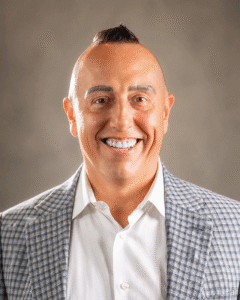
Attorney Armando Edmiston is the founder of Armando Personal Injury Law in Tampa and St. Pete, Florida. A U.S. Marine veteran, Hillsborough County native, and ACS Forensic Lawyer-Scientist, he represents Floridians in serious personal injury and wrongful death cases.